Masterpiece

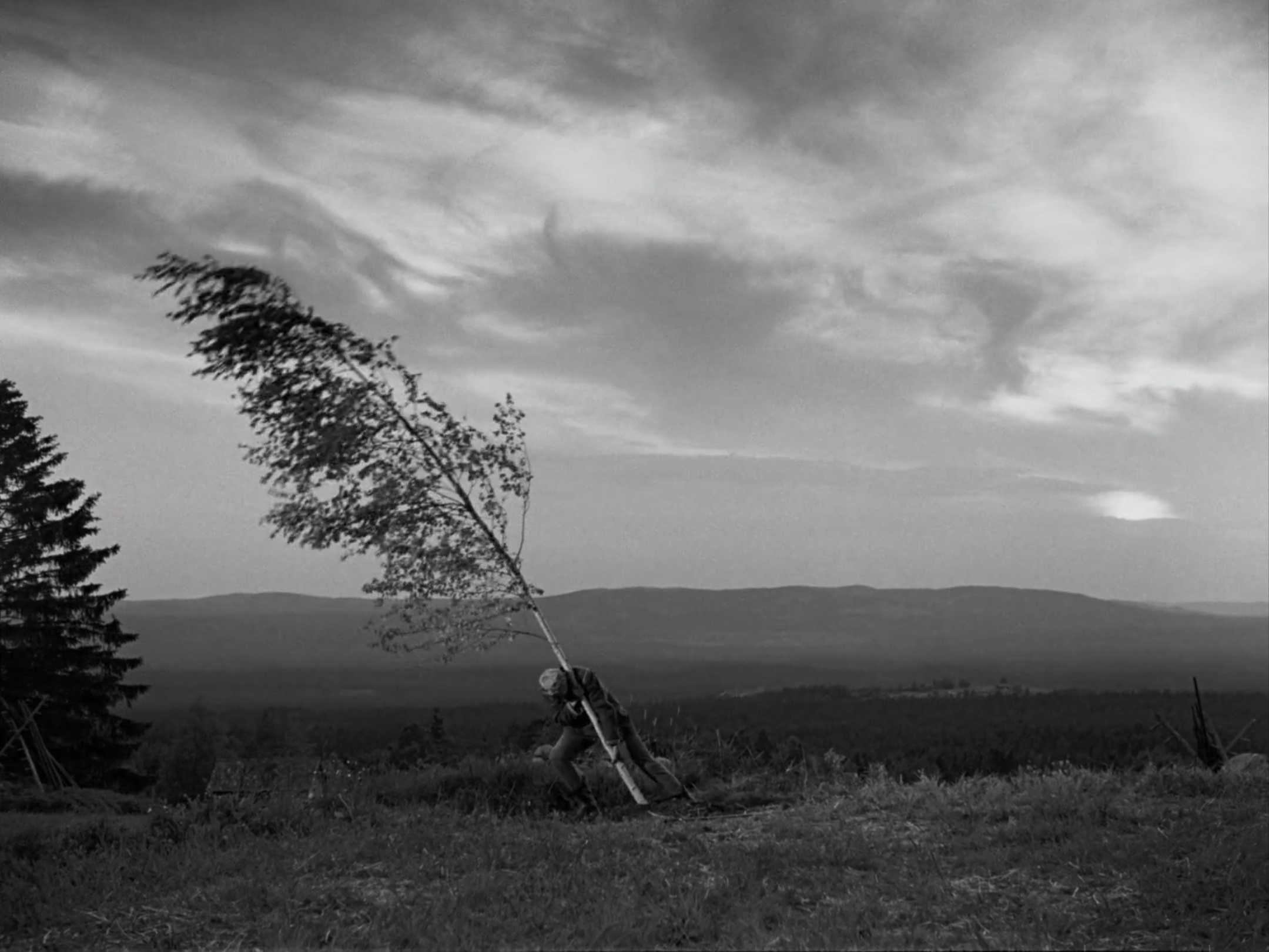
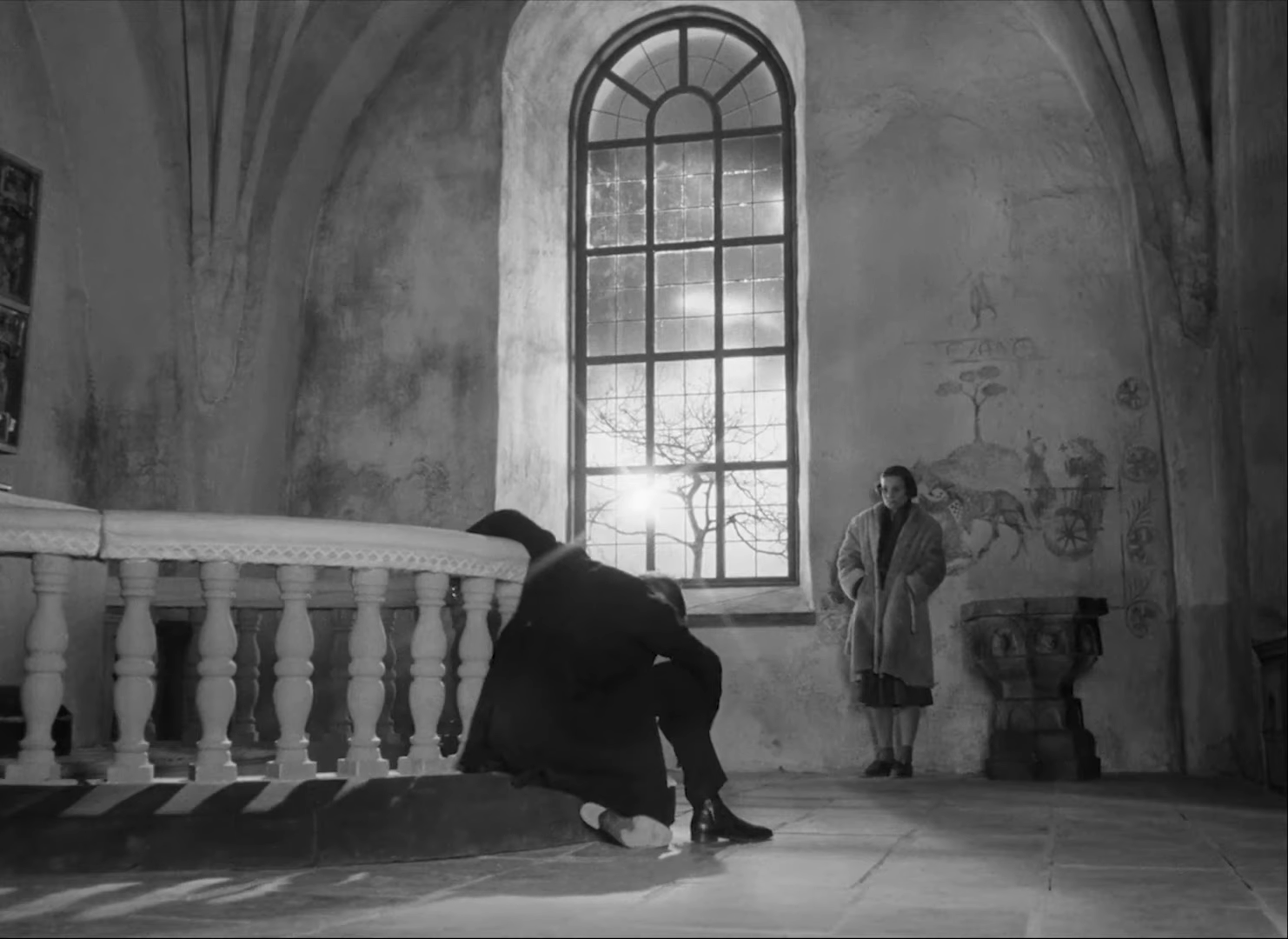
The Virgin Spring (1960)

Christian and pagan symbolism may be nothing new for Ingmar Bergman, but their manifestation in The Virgin Spring through such visceral violence is punishing even by his standards, thoughtfully considering in this parable of murder and revenge how virtue might survive our most guilty, godless instincts.

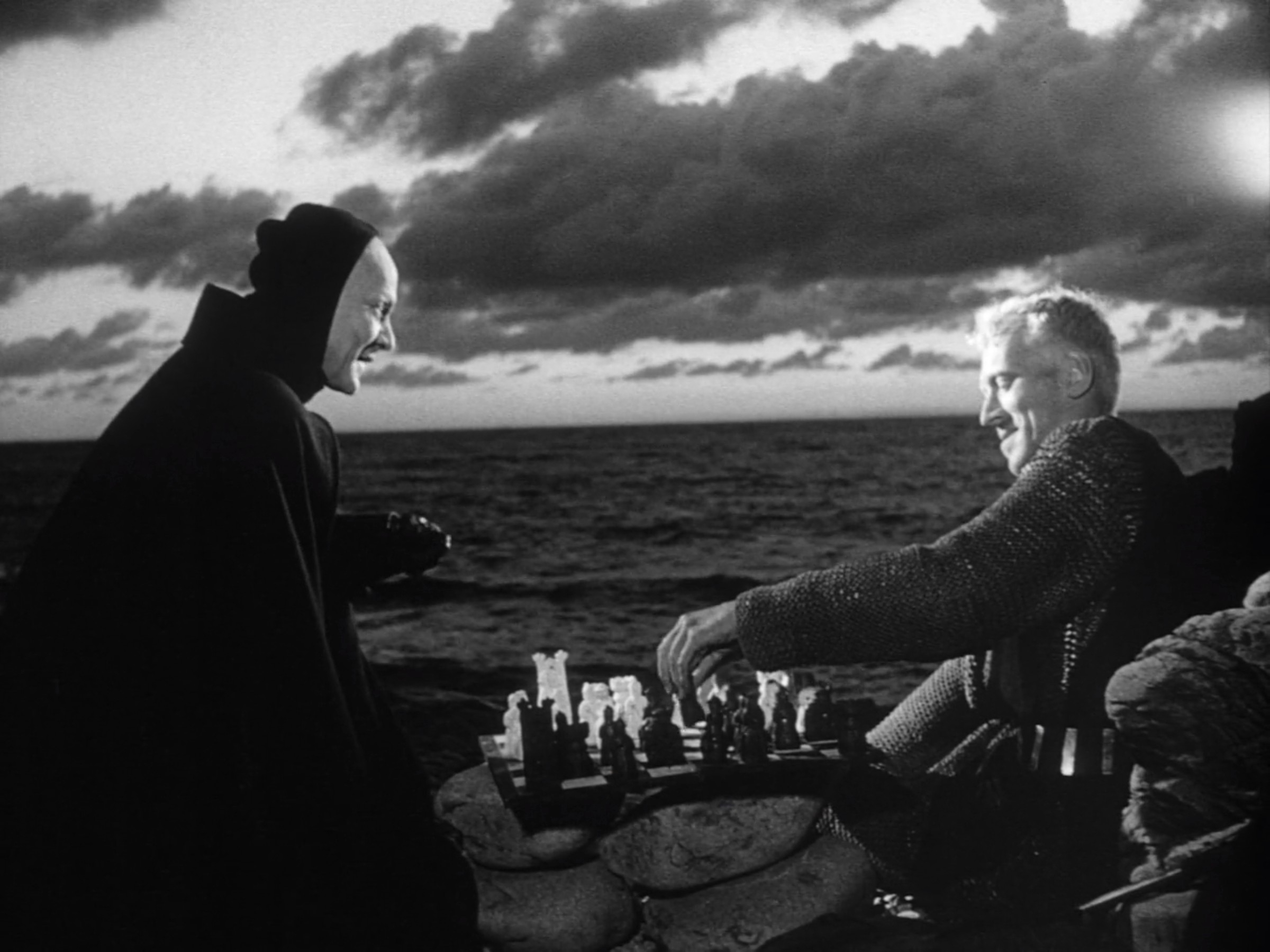
The Seventh Seal (1957)

Ingmar Bergman’s pensive journey of faith and doubt leads us through barren, plague-ridden landscapes in The Seventh Seal, imposing a stark beauty on his theological iconography and poetic contemplations which confirm this existential medieval fable as a historical feat of philosophical screenwriting.

4 Months, 3 Weeks and 2 Days (2007)

Leading the peak of the Romanian New Wave, Cristian Mungiu turns his government’s historic oppression into the pervasive, unseen antagonist of 4 Months, 3 Weeks and 2 Days, haunting the dangerous attempts of two women to secure an illegal abortion with a passive cruelty that lingers in long takes, and holds us in its tight, uncompromising stranglehold.

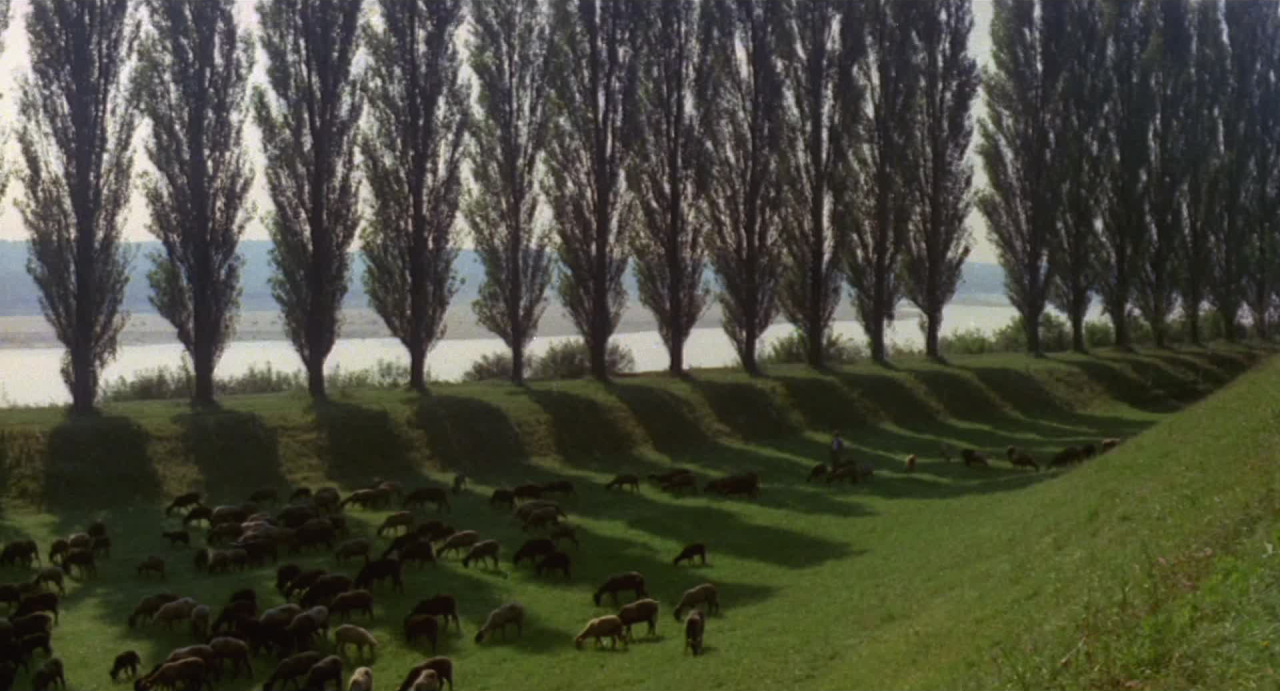
1900 (1976)

Bernardo Bertolucci’s bold artistic statement on the eternal struggle between fascism and socialism comes full circle in his period epic 1900, echoing formal patterns across the lives of two friends from opposing sides of the class divide, and landing the full weight of their intrinsic connection as operatically as the decades of Italian interwar history they represent.

Punch-Drunk Love (2002)

Random chaos defines Barry Egan’s world in Punch-Drunk Love, reaching out across his work and personal life to diminish his meek existence, and yet there is a balanced coordination across every level of Paul Thomas Anderson’s incredibly formal filmmaking in this offbeat romantic comedy that finds colourful, delicate harmony among the dissonance.

The Parallax View (1974)

In conceiving of a shady corporation that turns lonely men into political assassins in The Parallax View, Alan J. Pakula takes full control of the prying investigations and double crosses driving his tightly-wound narrative, letting his camera linger on those sinister, dark spaces that conceal the puppet strings manipulated by faceless elites.

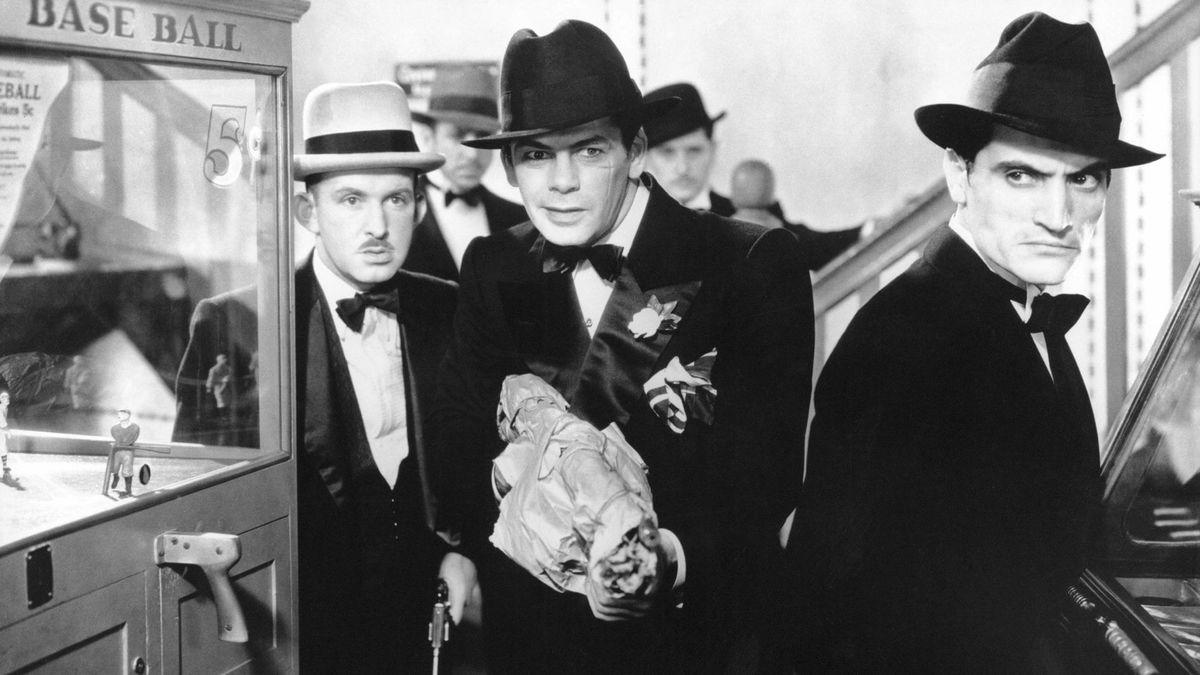
Scarface (1932)

Within the Prohibition era of Scarface where Tony Camonte reigns supreme, violence is conducted with secrecy and treachery, intermittently rupturing Howard Hawk’s patient, brooding narrative with bursts of brutality.

Scroll to Top