Masterpiece

Early Summer (1951)

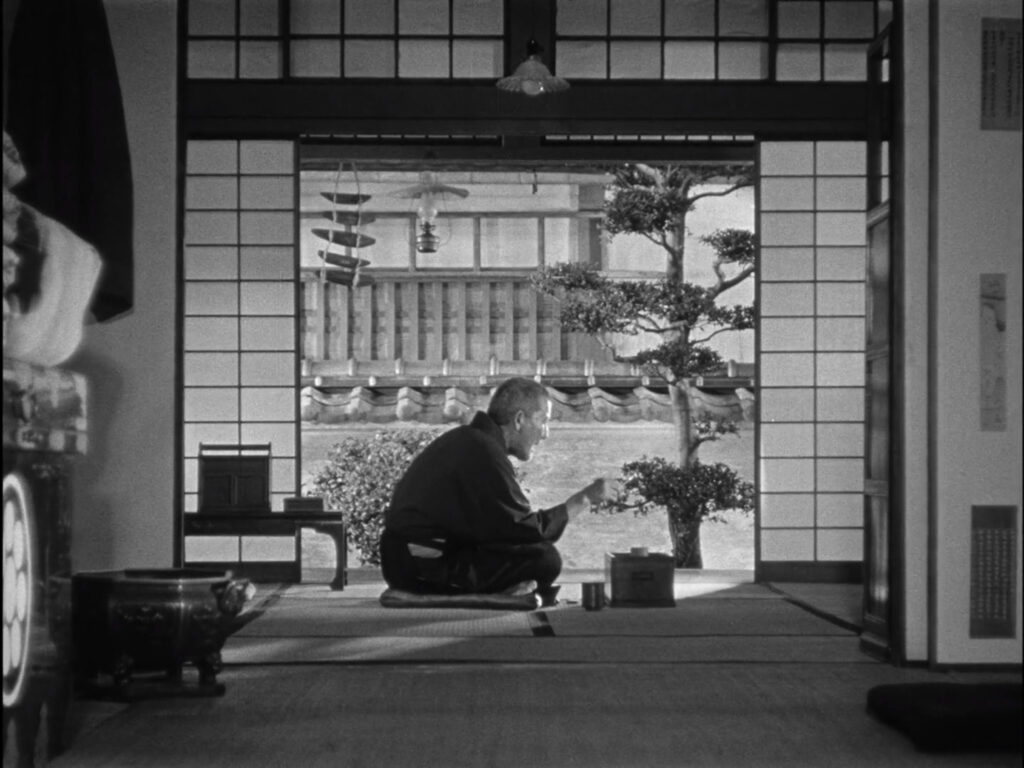
Post-war Japan’s shifting cultural attitudes tangibly manifest within the cluttered, multi-generational household of Early Summer, its domestic interiors of birdcages and shoji doors infused with Yasujirō Ozu’s introspective meditations, and simmering tension around its eldest daughter’s longing for independence.
Late Spring (1949)

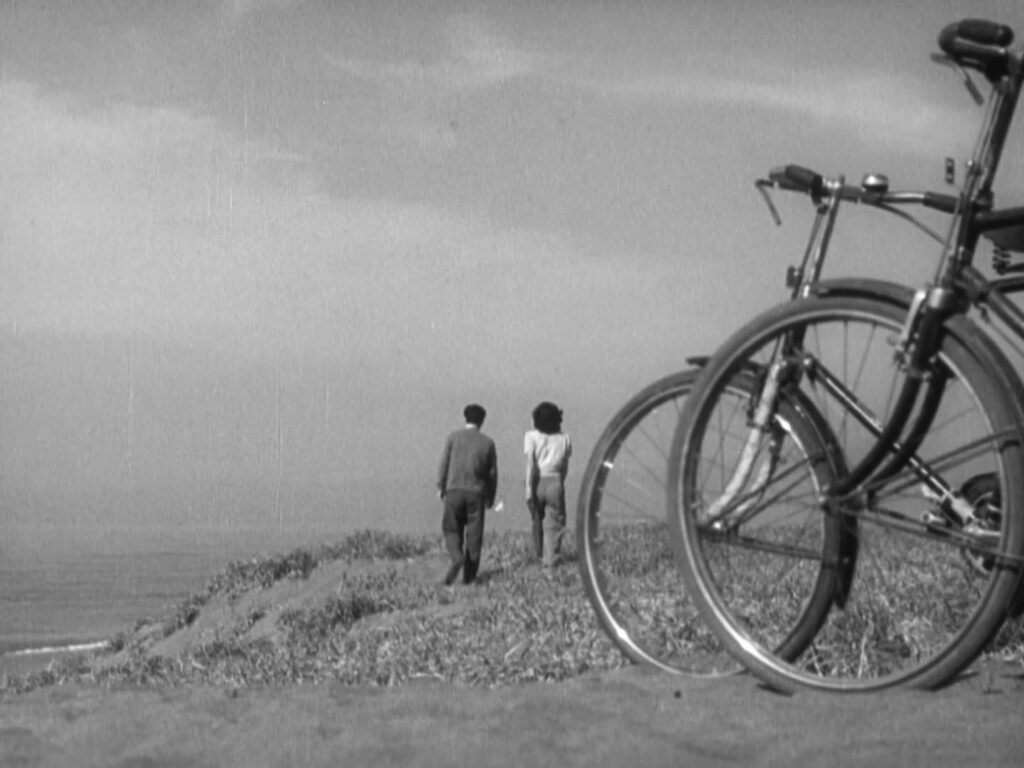
With Yasujirō Ozu’s contemplative editing and curated mise-en-scène guiding Late Spring’s lyrical rhythms forward, there is both profound joy and sadness to be found in its central father-daughter love, finding melancholy drama in her resistance to getting marriage and his quiet acceptance of being left behind.

Die Nibelungen (1924)

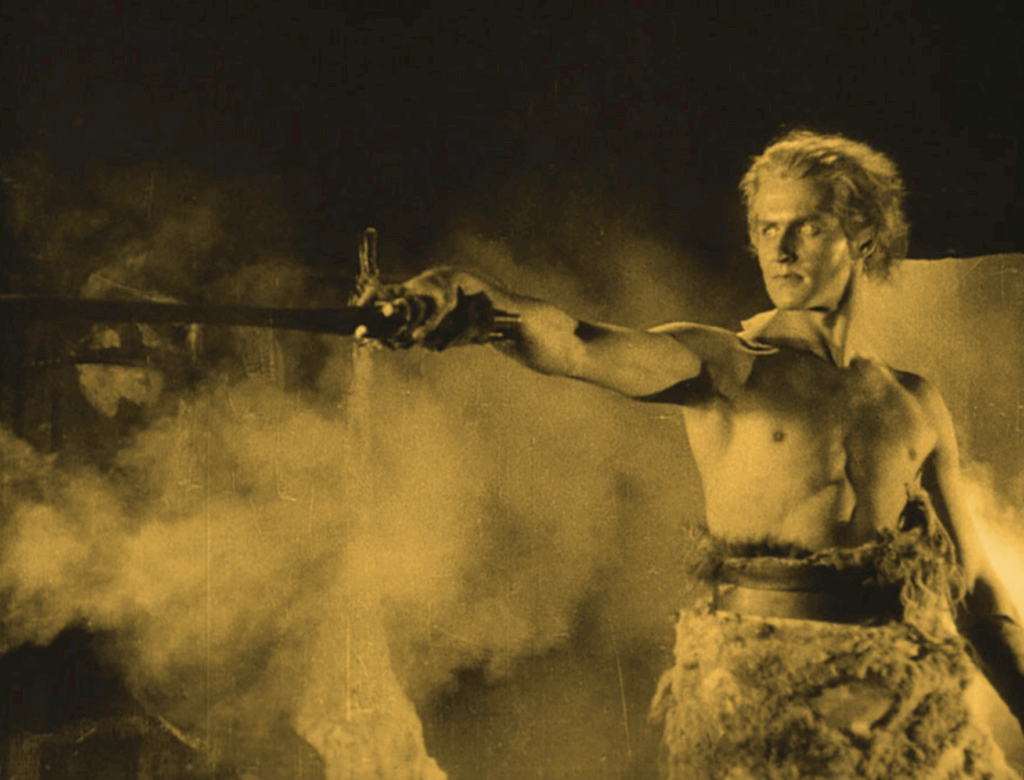
Fritz Lang’s majestic fable of ambition, betrayal, and vengeance stands as a monumental achievement of silent filmmaking in Die Nibelungen, lifting mythical kings and battles out of Germanic legend, and giving them operatic, larger-than-life form on the cinema screen.

Destiny (1921)

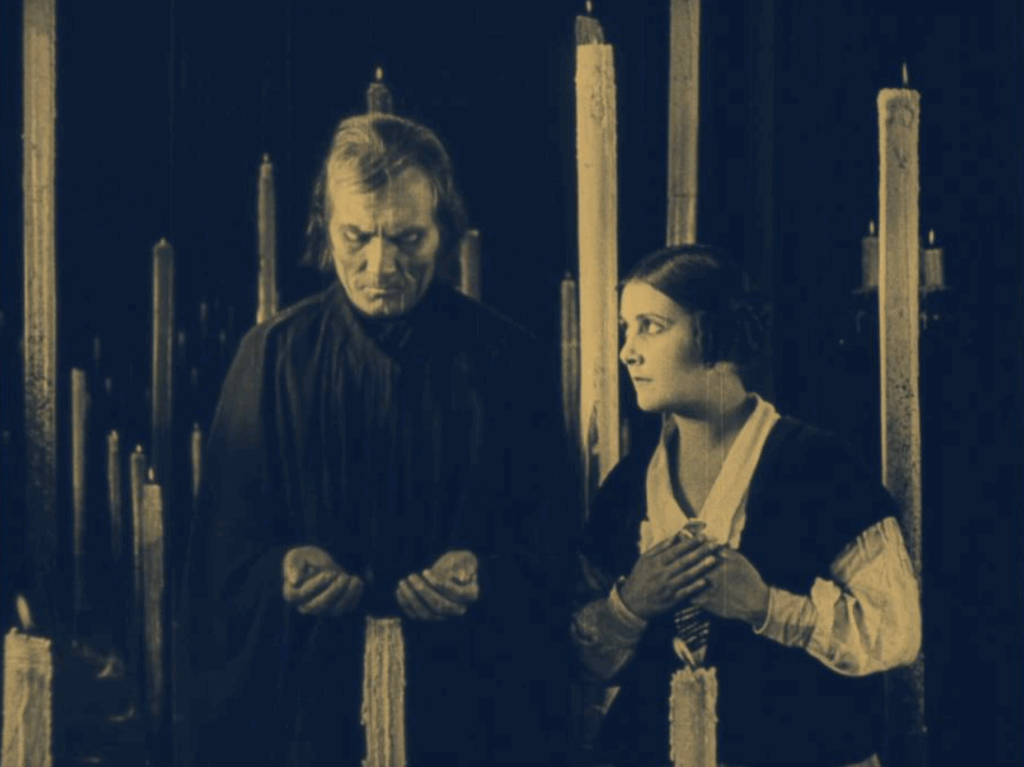
In Destiny’s eternal struggle between love and death, a young woman bargains to win her fiancé back from the afterlife itself, navigating a series of tragically romantic tales through Fritz Lang’s extraordinary Gothic anthology.

Ossessione (1943)

Luchino Visconti masterfully merges neorealism with the dark, fatalistic tension of film noir in Ossessione, unravelling a deadly affair between a pair of down-on-their-luck strangers, and revealing the inescapable consequences of passion, resentment, and poverty.

La Terra Trema (1948)

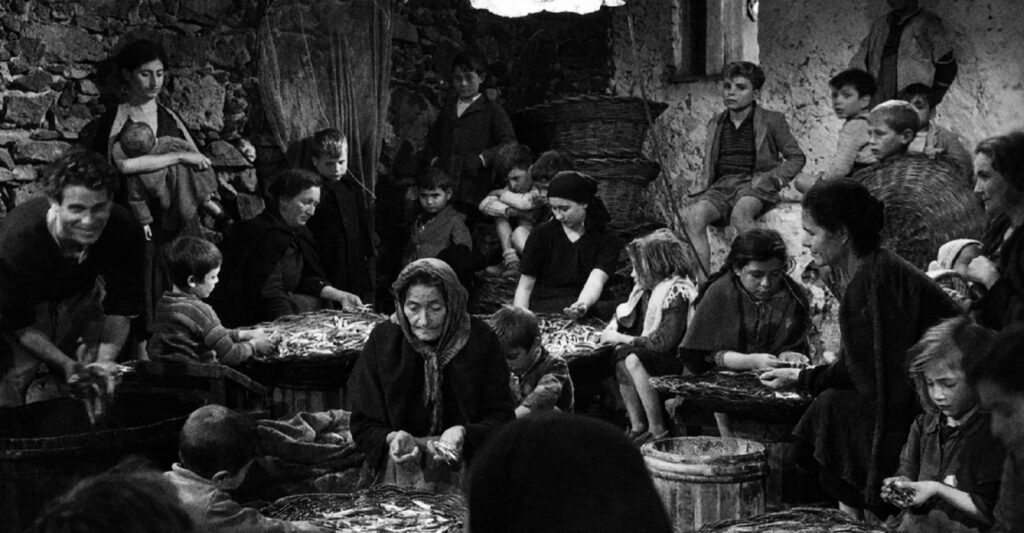
The tale of one fisherman’s attempted revolution against greedy local wholesalers is given an epic stage in La Terra Trema, tracing the sort of rise-and-fall archetype that once belonged to Roman mythology, yet which Luchino Visconti transposes here to an impoverished Sicilian village with incredible authenticity.

The Last Laugh (1924)

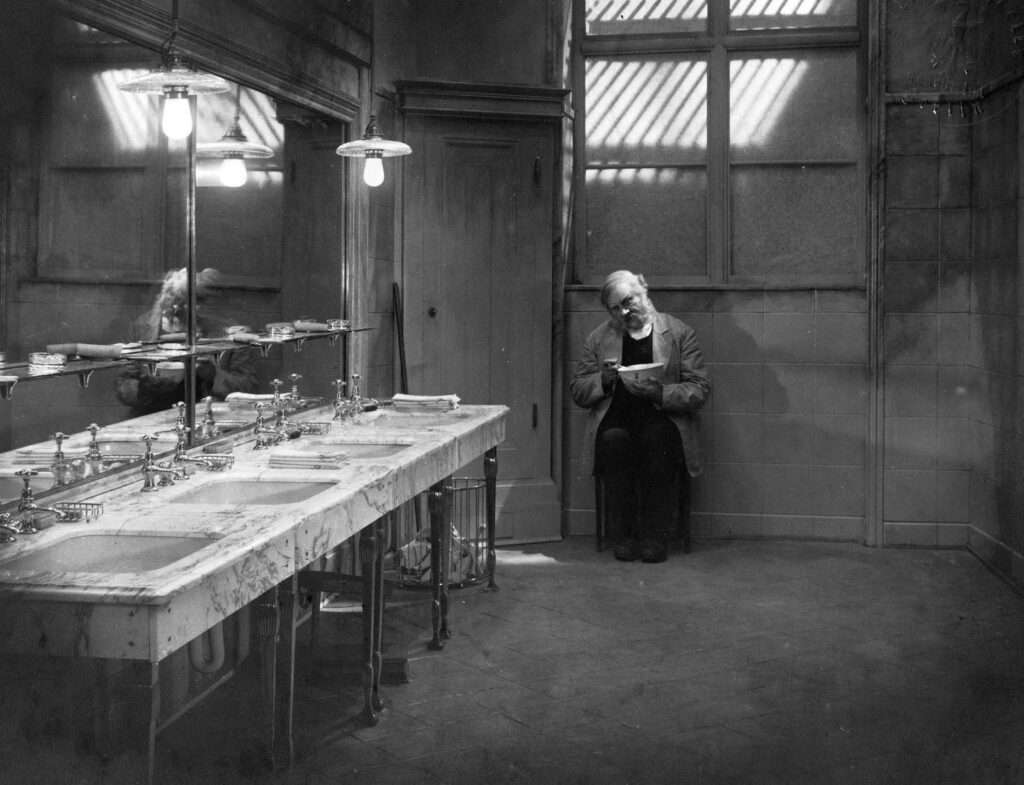
It is a cruel reversal of fortune which sees a proud hotel doorman demoted to washroom attendant in The Last Laugh, and F.W. Murnau’s liberated camerawork evocatively traces his tragic descent into deep humiliation, dwelling in the shame and indignity that comes with an earth-shattering challenge to one’s entire identity.

Songs from the Second Floor (2000)

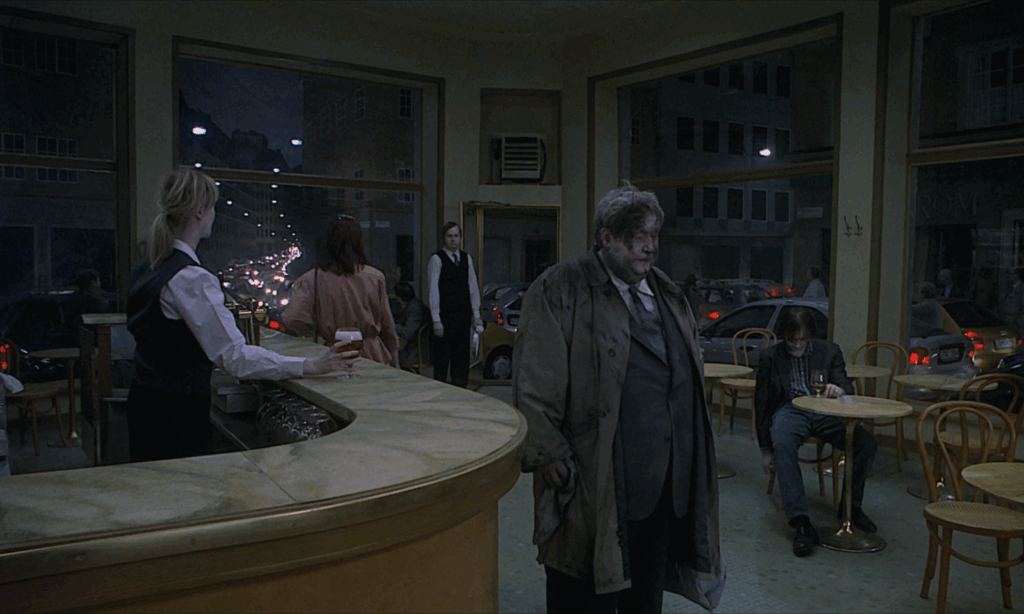
No single image in Songs from the Second Floor reveals the full scope of eternal traffic jams, nonsense bureaucracy, and apocalyptic senselessness that this city has descended into, but as Roy Andersson’s painterly tableaux come together with deadpan melancholy, so too does his landscape of surreal, urban decay take absurdist form.

The Cranes Are Flying (1957)

Mikhail Kalatozov’s dynamic camerawork does not spare us from the anguish of a nation subjected to unfathomable trauma in The Cranes Are Flying, distilled within one young woman who achingly perseveres through the grief, guilt, and loneliness of seeing loved ones fall to the carnage of war.

The Passenger (1975)

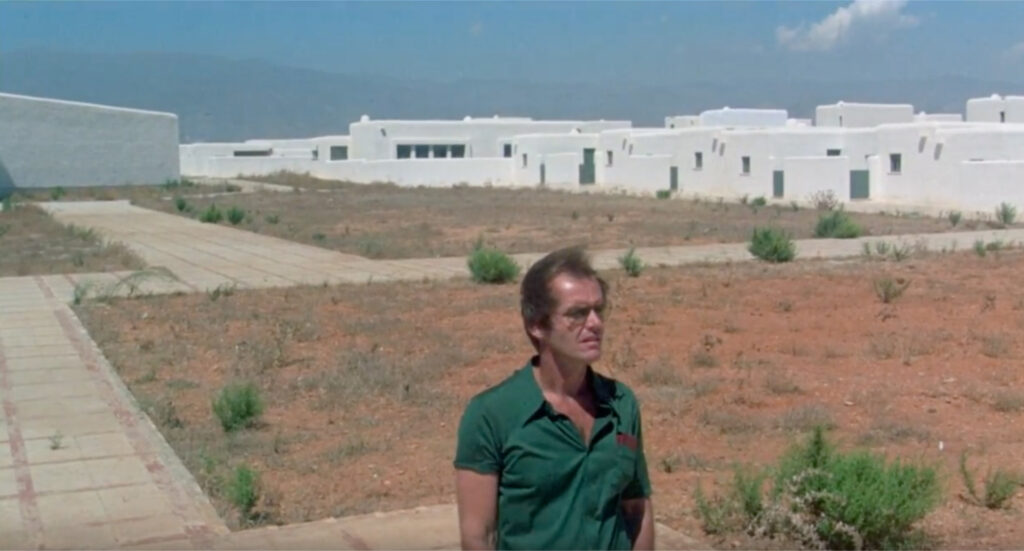
Stealing a dead man’s identity seems like the perfect opportunity for television journalist David Locke to escape his unfulfilling life in The Passenger, though as Michelangelo Antonioni drifts him through a perplexing labyrinth of his own making, we are implicated in his confrontation with life’s empty, senseless banality.

Scroll to Top