Film Review

Le Jour se Leve (1939)

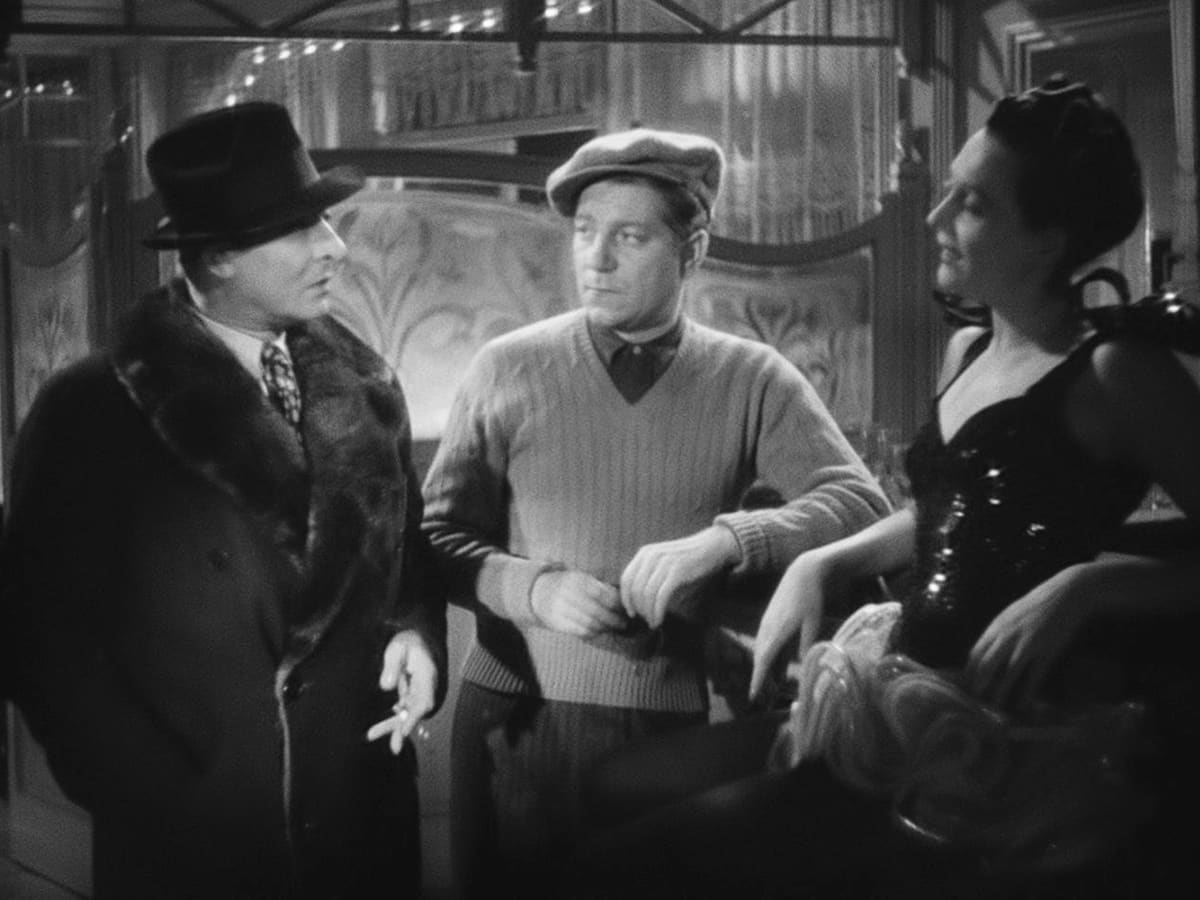
As a man driven to murder reminisces on the sequence of events that has led to this moment, Marcel Carne constructs a bitterly nostalgic narrative through masterful tracking shots and expressionist lighting, turning Le Jour se Leve into an indelibly moving portrait of France’s lost innocence as it heads into World War II.

Sunset Boulevard (1950)

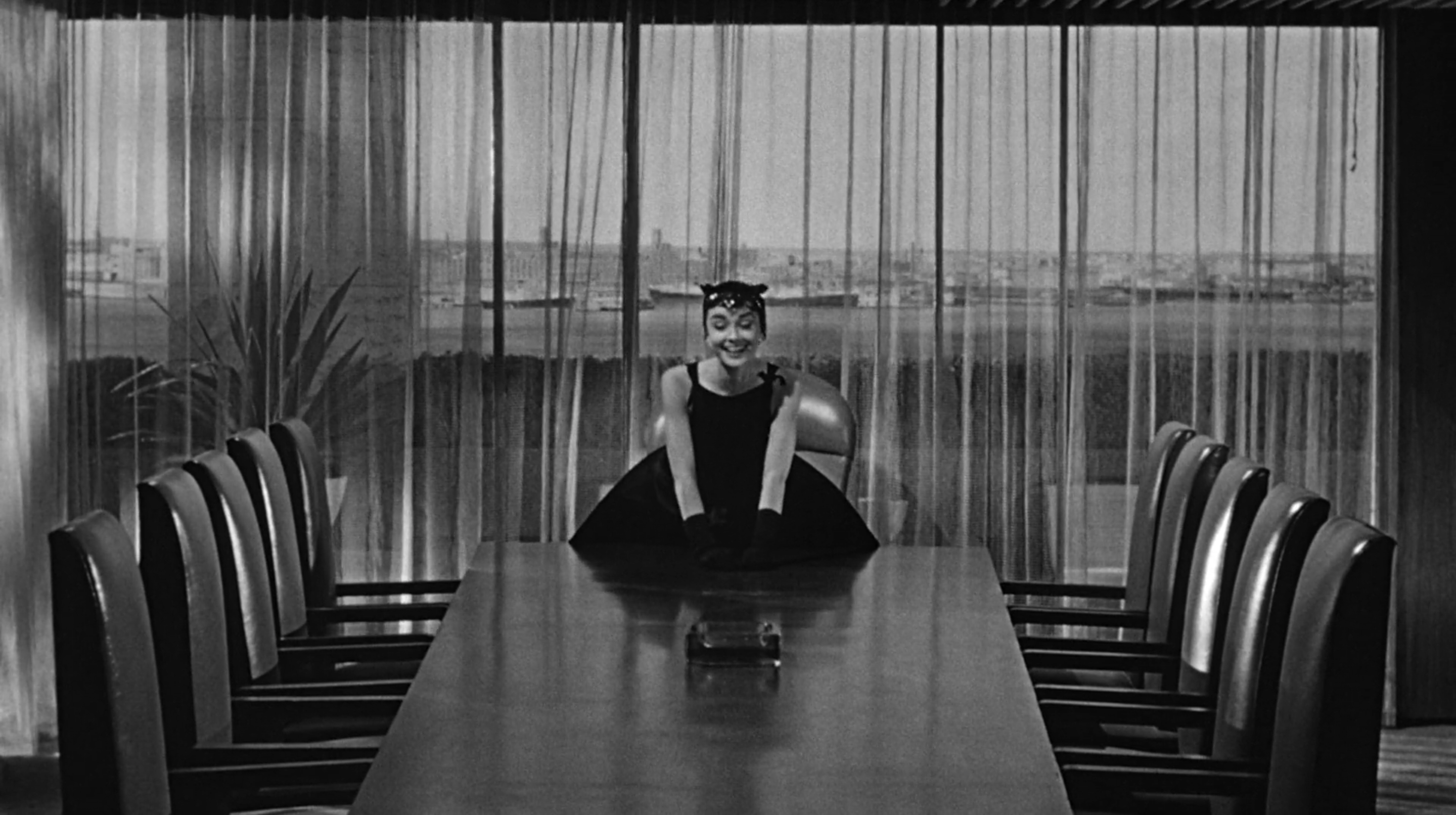
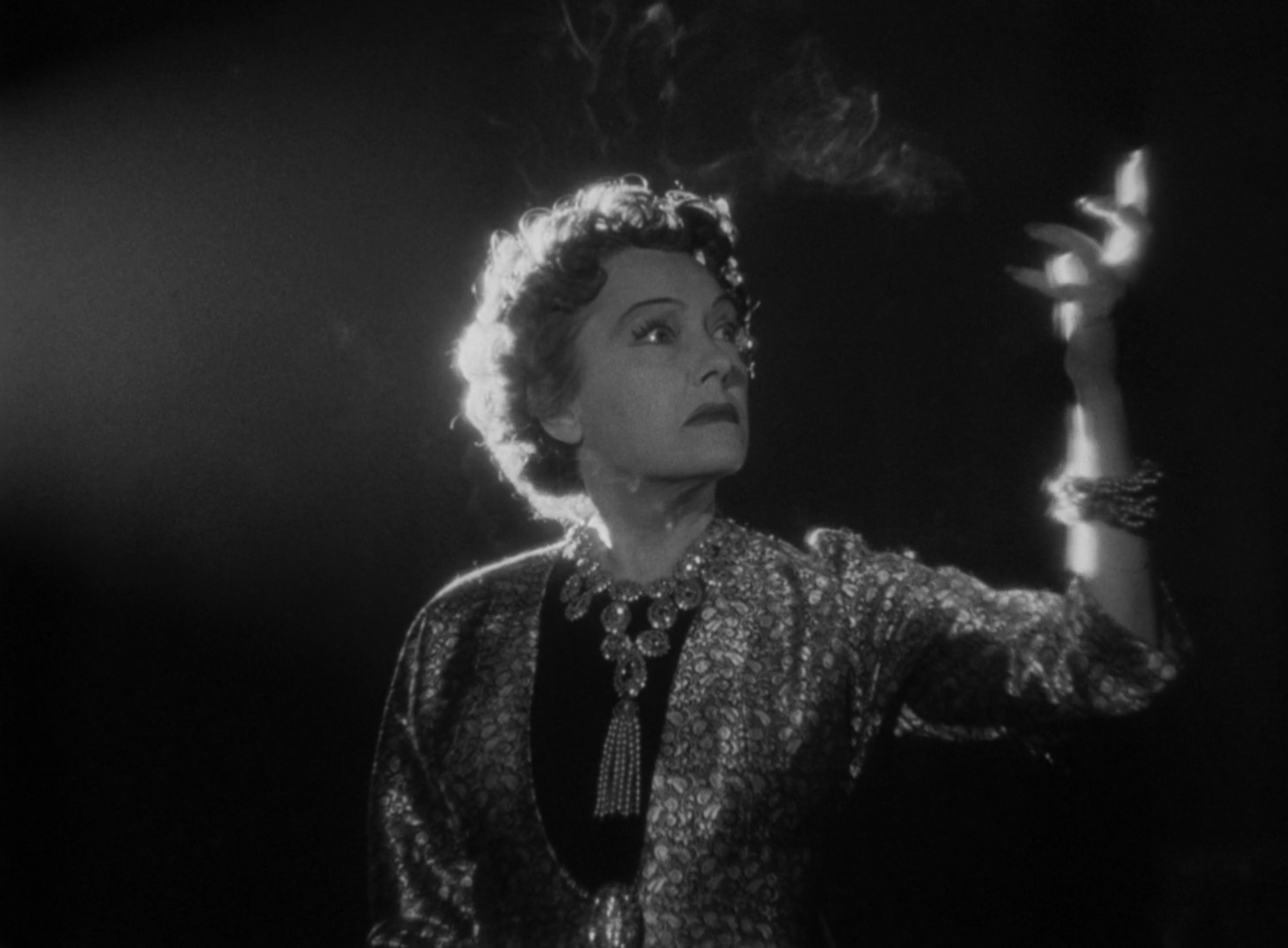
While Billy Wilder’s snappy screenplay for Sunset Boulevard bounces from scene to scene in crisp, elegiac prose, he also efficiently constructs one of the most tragic cinematic characters in Norma Desmond, played by a magnificently theatrical Gloria Swanson whose every line and action resounds with pride and misery of grandiose proportions.

Parallel Mothers (2021)

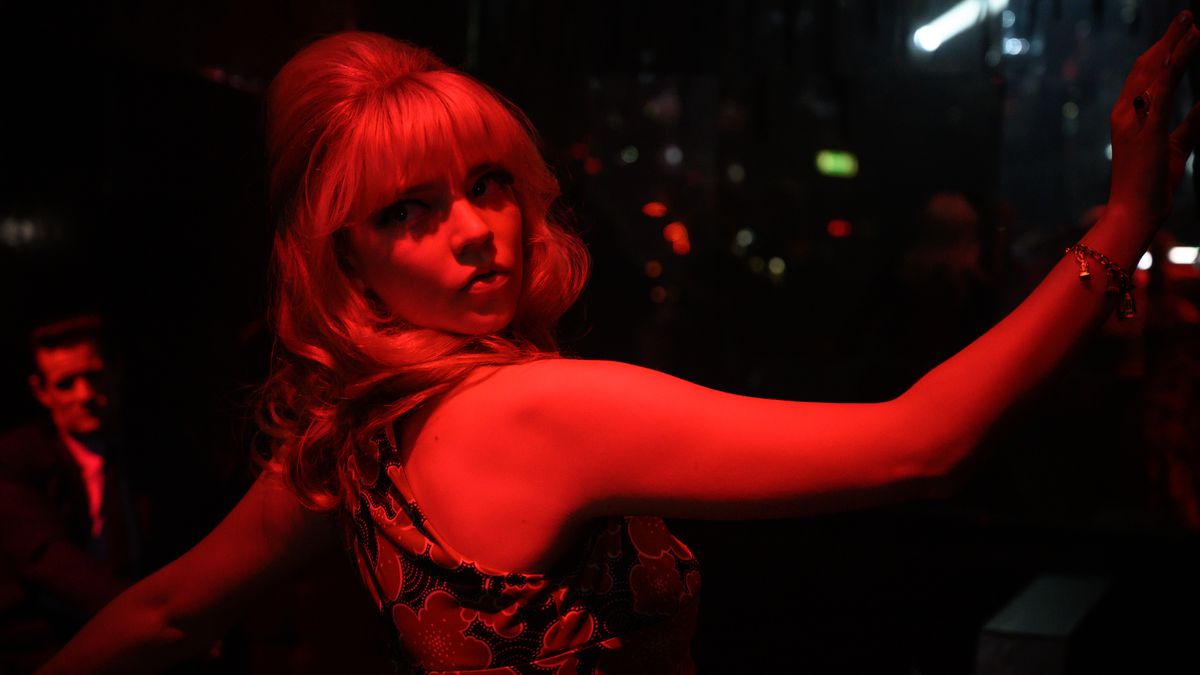
Though the baby mix-up premise of Parallel Mothers is in itself absurdly comical, humour is only one tool in Pedro Almodovar’s arsenal to draw out the melodramatic expressiveness of his characters’ rich, colourful lives, as he delivers a personal ode to all those wide-ranging, meaningful, and unpredictable experiences of motherhood.

The World (2004)

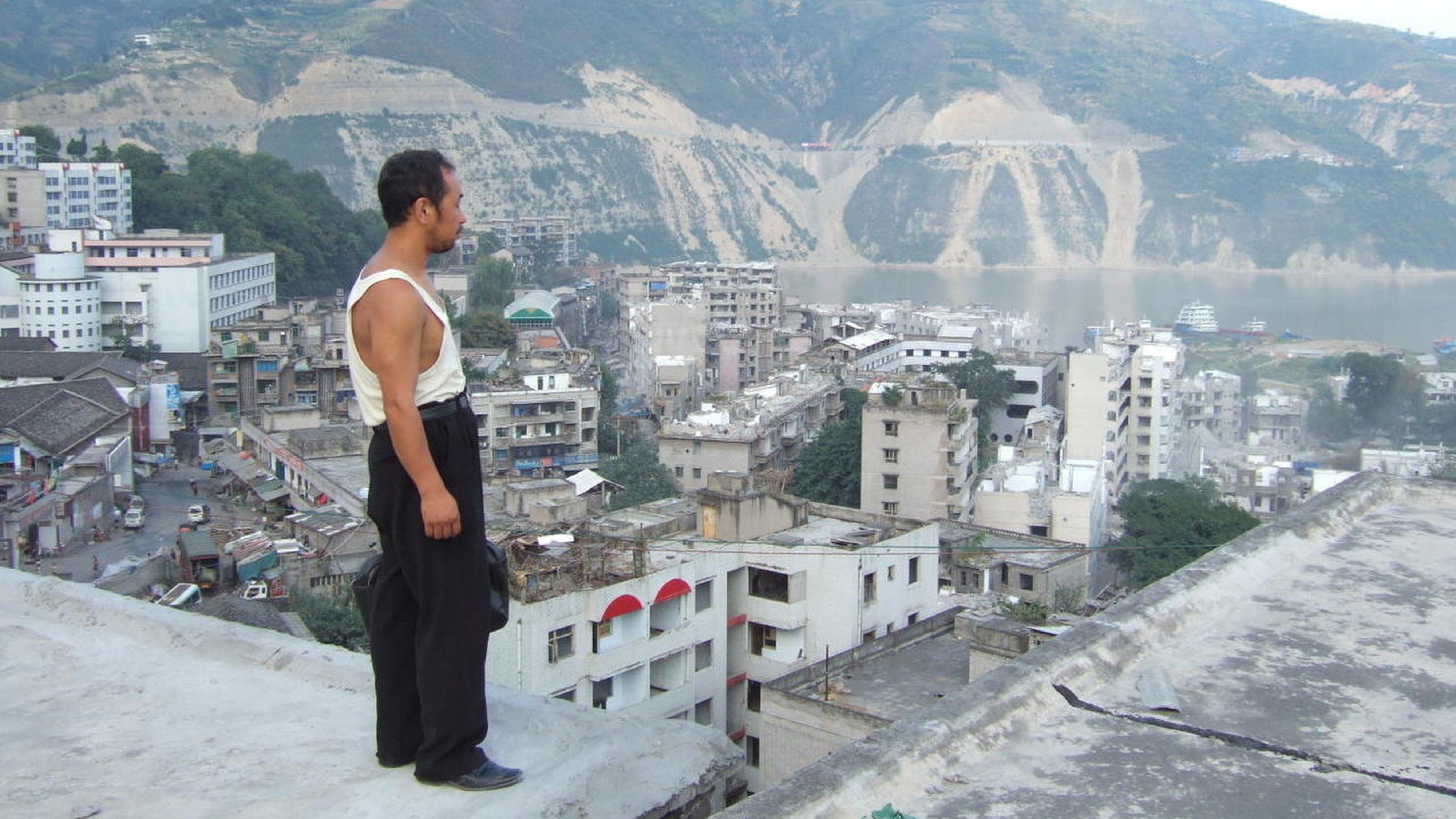
There is a beautiful, architectural surrealism to the miniature replicas of world-famous monuments of The World, as the theme park where Jia Zhangke sets his film shrinks these landmarks down to a size that makes both tourists and staff look like giants, and criticises a globalised Chinese culture that allows for such a cheapening of art and culture.

Point Blank (1967)

In straddling a line between pulpy violence and sophisticated visual artistry, Point Blank astonishingly transcends all genre trappings, as John Boorman’s confounding, non-linear narrative extracts a dizzying fever dream from the vengeful quest of a wronged man across formidable urban landscapes.

Thief (1981)

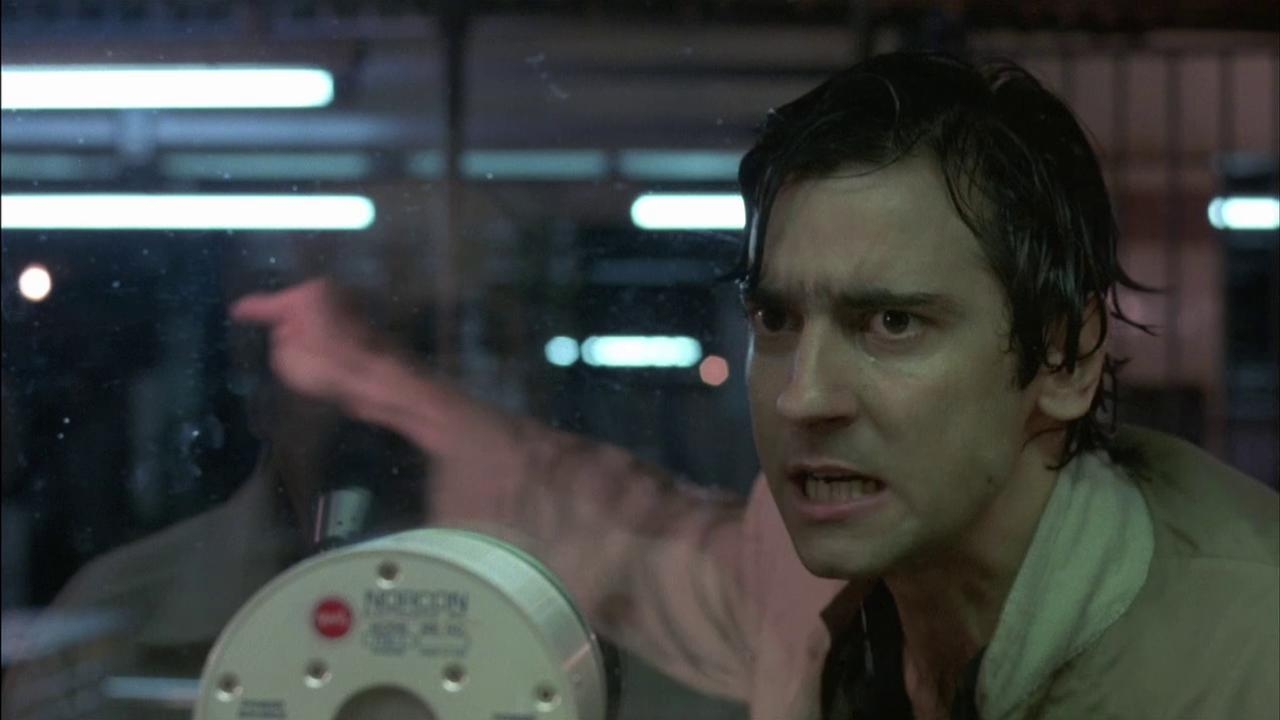
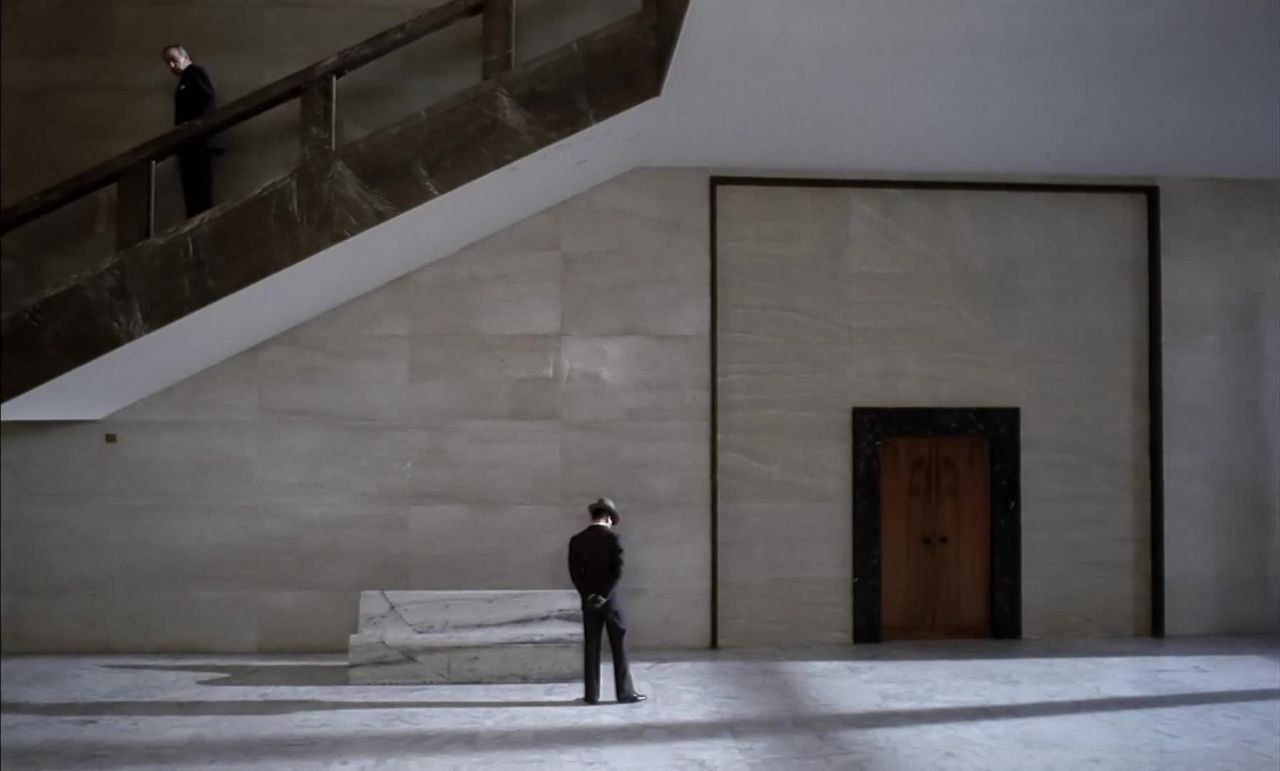
Michael Mann’s fascination with the bleary lights and architecture of sprawling urban spaces is expressed with a fully-developed cinematic voice in his remarkable debut film, Thief, but for all of the mobs and crowds that plague these dark, neon spaces, an overwhelming isolation continues to prevail and trap its inhabitants in neo-noir nightmares.

The Age of Innocence (1993)

Martin Scorsese feels surprisingly right at home in the vibrant, passionate yearning of The Age of Innocence, as he deftly tracks his camera through opulent mansions and flows from shot to shot in delicate long dissolves, presenting to us an invitation to interpret this era through a lens of subjective, impressionistic memory.

No Time to Die (2021)

Cary Joji Fukunaga’s No Time to Die presents us with an older, more mortal James Bond who is more likely to take risks out of selflessness than a reckless belief in his own invincibility, closing out an era of action cinema with a touch of poignancy that few action stars would be able imbue with as sincere a tenderness as Daniel Craig.

Benediction (2021)

It was only a matter of time that Terence Davies would turn his sentimental fascination in the subjective, personal accounts of British history to an artist as culturally significant as Siegfried Sassoon, as here in Benediction he filters grim archival footage of World War I through the mind of a poet driven to eloquent expressions of anger, melancholy, and heartbreak.

Christmas in July (1940)

Preston Sturges’ trademark commitment to running gags and expeditious pacing is present here in one of his earliest films, Christmas in July, and the faith individuals place in mainstream opinions rather than thinking for themselves is a perfect target for a director with such a skill in crafting farcical escalations.

Scroll to Top