
Film Review

Distant Voices, Still Lives (1988)

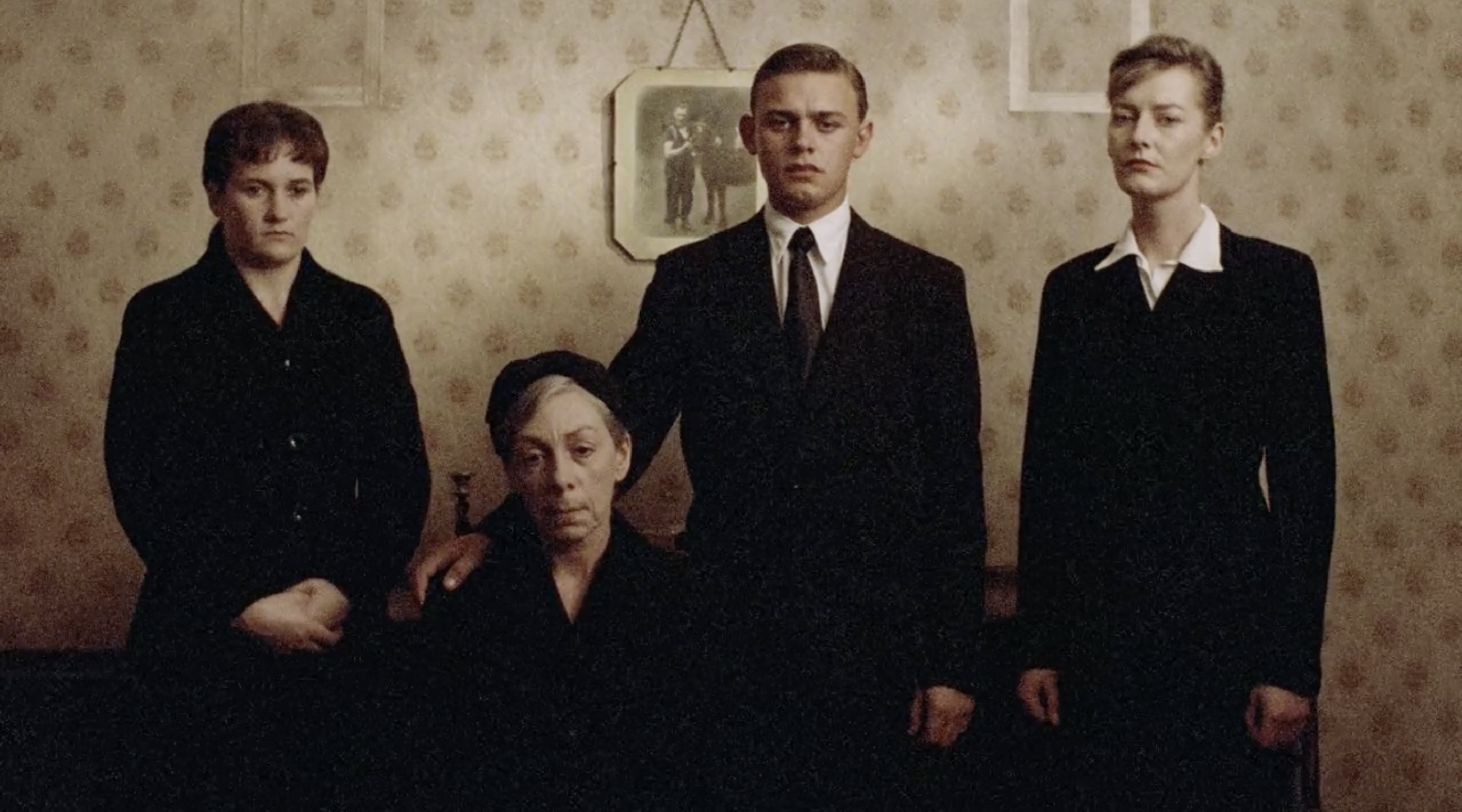
Memories flow like water in Distance Voices, Still Lives, seamlessly gliding from one to the next through intuitive connections and poetic tangents, bringing a photo book quality to Terence Davies’ nostalgic ode to the love and struggles of his old-fashioned, working-class family.

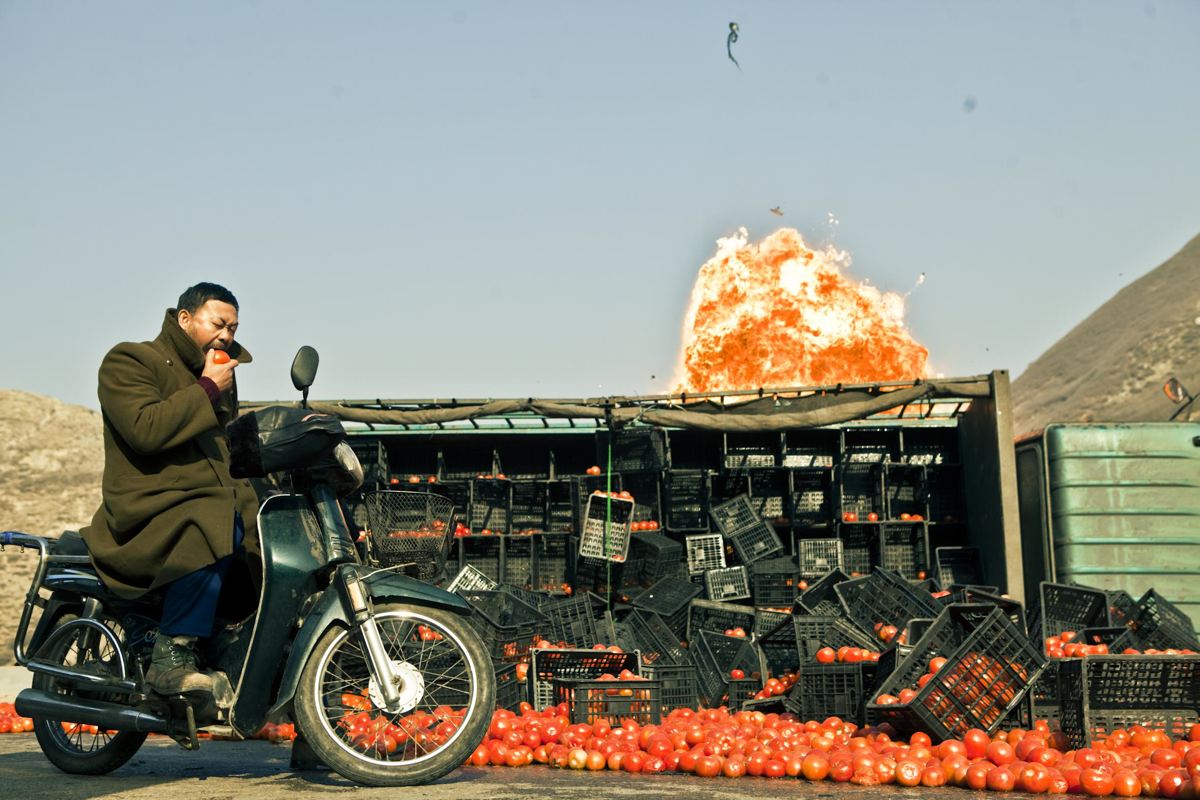
A Touch of Sin (2013)

Four loosely connected episodes of violence based on real Chinese news stories come together in a Touch of Sin to sketch out a landscape of anger and frustration, as Jia Zhangke pushes the boundaries of his usual neo-realistic style until they start to overlap with traditional crime thriller conventions.

Sátántangó (1994)

In Sátántangó’s destitute Hungarian village of dilapidated buildings and free-roaming farm animals, a Messiah figure seemingly returns from the dead, and Béla Tarr crafts a devastatingly bleak, suffocatingly drab, and completely mesmerising landscape of spiritual deficiency.

Don’t Look Now (1973)

The layers of subtext and symbolism that flow through Don’t Look Now may take multiple viewings to fully appreciate, but in Nicolas Roeg’s fluid editing which swirls between cryptic images of blood, churches, water, and grotesque representations of death, its feverish atmosphere takes hold, haunting us with the ghosts of events that have already taken place, and some that are still yet to happen.

Bride of Frankenstein (1935)

James Whale steps up the subtext, camp theatrics, and Gothic aesthetic in his sequel, Bride of Frankenstein, delivering not just a lynchpin of horror cinema, but a piece of film that feels even truer to his own humanistic and dramatic sensibilities.

Roman Holiday (1953)

In turning Rome’s architecture and geography into a living, breathing environment in Roman Holiday, William Wyler crafts a romantic adventure for newspaperman Joe and runaway princess Ann, and offers Audrey Hepburn a perfectly charming setting for displays of natural magnetism that carry entire scenes.

The Card Counter (2021)

Though sin has implanted itself firmly in the soul of gambler William Tell, his attempts to soften its impact by putting up physical and emotional barriers between him and his environment points towards a deep complexity in his character, as Paul Schrader turns The Card Counter into a masterfully rigorous study of regret, self-discipline, and atonement.

Squid Game (2021)

In building out its characters in rich enough detail that both thrilling set pieces and quieter moments of drama are able to operate on equally gripping levels of tension, Squid Game forms a layered microcosm of cruel, barbaric capitalism in South Korea.

M (1931)

More than just its dark, perverted subject matter, M remains a provocative film in Fritz Lang’s masterful use of subtext and signifiers to understand the mind of a reprehensible child killer, thus becoming one of the key cornerstones of German Expressionism.

The Power of the Dog (2021)

Within the mesmerising power plays between ranchers, mothers, and sons of The Power of the Dog, Jane Campion paints out duelling images of the Old West, neither of which clash in violent shootouts so much as they quietly manipulate each other according to their own visions of America’s future.

Scroll to Top