Film Review

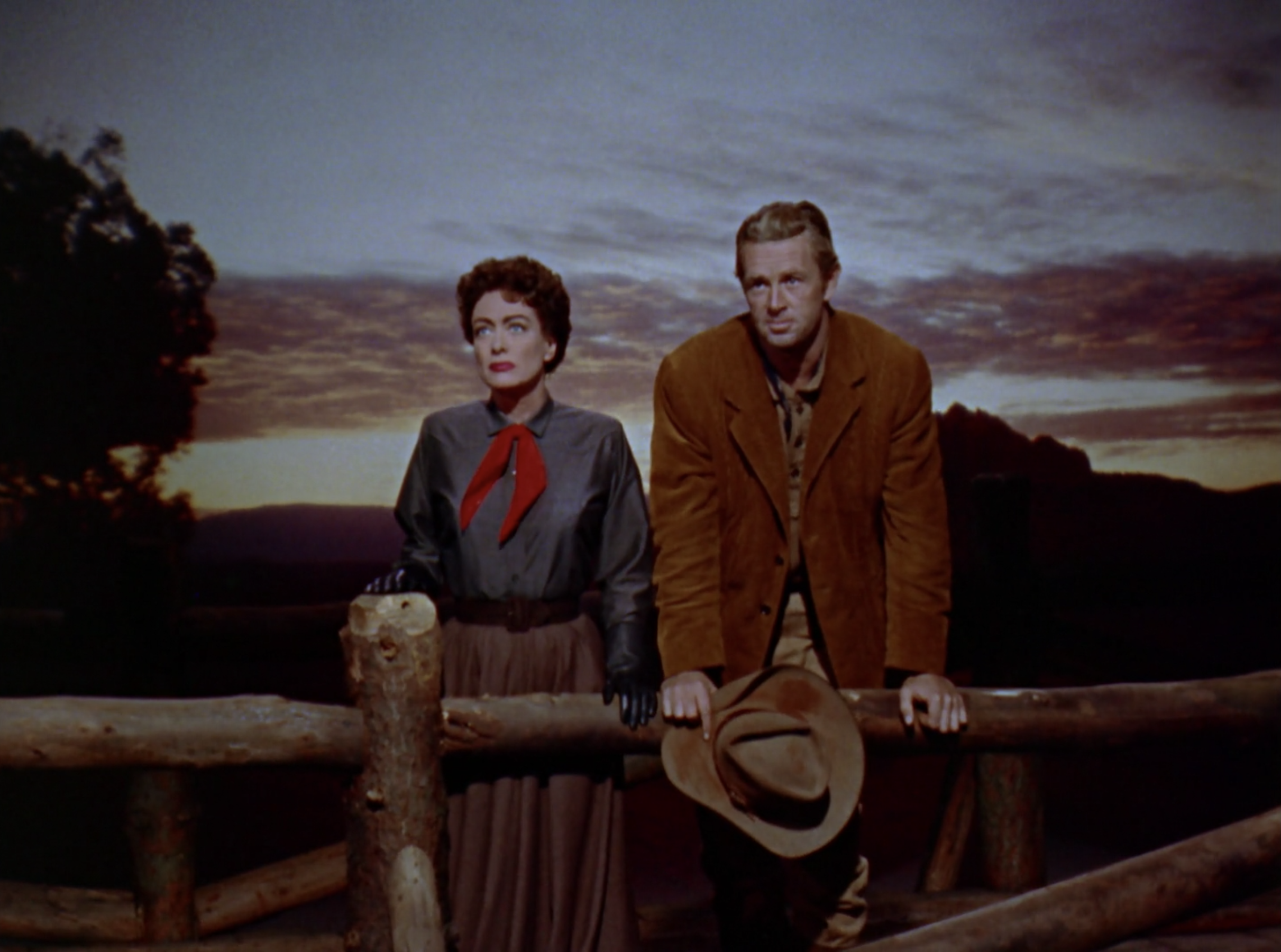
Johnny Guitar (1954)

Even rarer than seeing a woman take the lead in a classical Western is the choice to set her against another woman as the equally compelling villain, as Nicholas Ray projects a feminine sensitivity upon the male-dominated genre in Johnny Guitar with magnificently complex characters and vibrant colourful expressions.

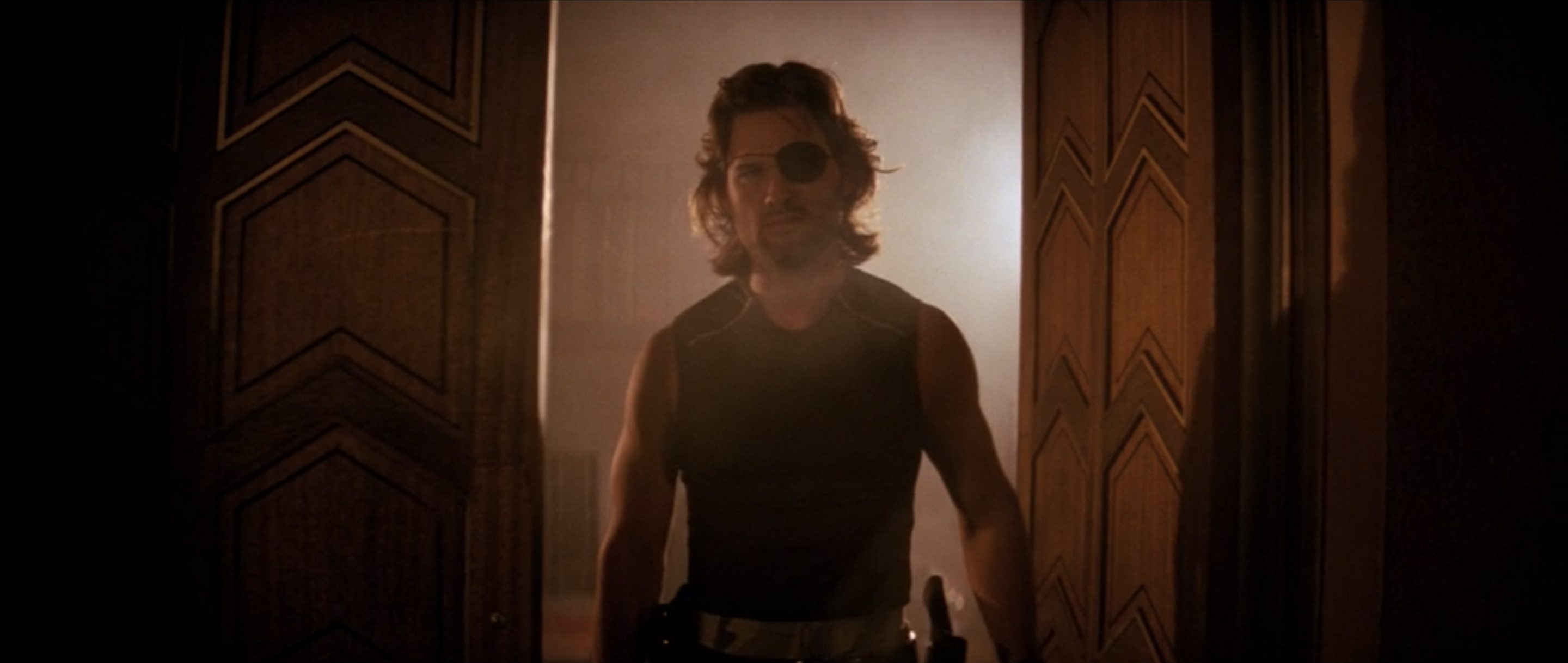
Escape From New York (1981)

Escape From New York is a dystopian sci-fi, an action, but most of all it runs by the Western playbook, as John Carpenter sets up ex-soldier Snake Plissken as a swaggering hero tasked with rescuing the president from the giant prison that was once Manhattan Island, and setting its monstrous steel and concrete structures up as decrepit, urban labyrinth brimming with anarchy and chaos.

Body Heat (1981)

Body Heat surely isn’t the first film to push the boundaries of the neo-noir, but it may one of the most overwhelmingly passionate, as Lawrence Kasdan fills its air with a thick, humid wantonness that few of its many characters truly knows how to navigate.

Blood and Black Lace (1964)

An inconsistent artistic paradox like Blood and Black Lace is hard to reckon with, but for all the flaws in its pulpy writing there are a thousand more strengths in Mario Bava’s audaciously stylistic direction, turning an Italian fashion house into a Technicolor fever dream where horrific murders explode with vibrantly expressionistic sensibilities.

Aguirre, the Wrath of God (1972)

Nature has never been so frightening nor humanity so stubbornly delusional as they are in Aguirre, the Wrath of God, as Werner Herzog’s disorientating camerawork and breath-taking cinematography of the Peruvian wilderness loses us in the absurd quest of 17th century Spanish conquistadors to find the fabled country of El Dorado.

A Dangerous Method (2011)

All it took was a filmmaker with as intense a fascination in humanity’s primal fears and desires as David Cronenberg to craft such a thrilling drama out of founding psychoanalysts Sigmund Freud and Carl Jung’s contentious relationship, as A Dangerous Method compellingly turns these reserved historical figures into vulnerable subjects of its own psychological studies.

The White Ribbon (2009)

Michael Haneke continues his use of unsettling, open-ended mysteries to provoke an unresolved frustration in The White Ribbon, leading us to uncover the source of evil in a small German village on the precipice of World War I through a string of obscure accidents.

Kes (1969)

The raw grit of Ken Loach’s 1960s South Yorkshire working class community bleeds through his dedication to cinematic realism in Kes, its soul-sucking structures of school and labour sapping the youthful idealism of one disillusioned teenage boy, and setting up his falcon as the sole symbol of independent freedom in this painfully oppressive world.

2022 Oscar Predictions and Snubs

Dune looks set to sweep the technical categories and The Power of the Dog has its eyes on Best Picture for the 94th Academy Awards, but a late surge in popularity behind CODA is keeping things nail-bitingly unpredictable.

Dekalog (1989)

For all its authentic grounding in the culture of 1980s Poland, Krzysztof Kieslowski’s Dekalog remains a mystical piece of theological cinema for its complex examination of the Ten Commandments in a series of contemporary moral fables, collectively provoking deep contemplation through an omniscient perspective akin to that of an all-seeing God.

Scroll to Top