Film Review

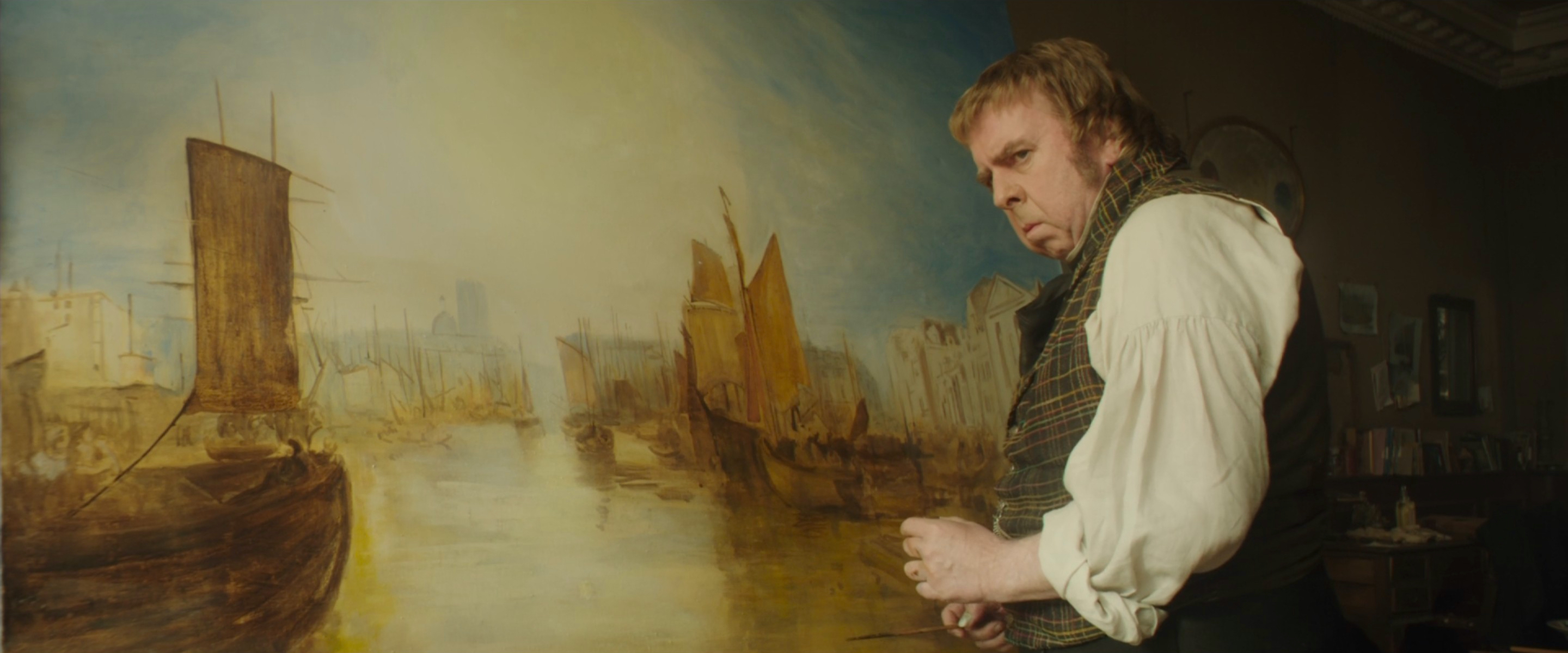
Mr. Turner (2014)

On every level of its stylistic construction, Mr. Turner inhabits the watercolours of its titular historical painter with ethereal elegance, and though this exquisite aesthetic initially seems at odds with the coarse, prickly figure at its centre, Mike Leigh’s exceptional orchestration of such beautiful contradictions affectingly reveals the complex creative processes shared by both artists.

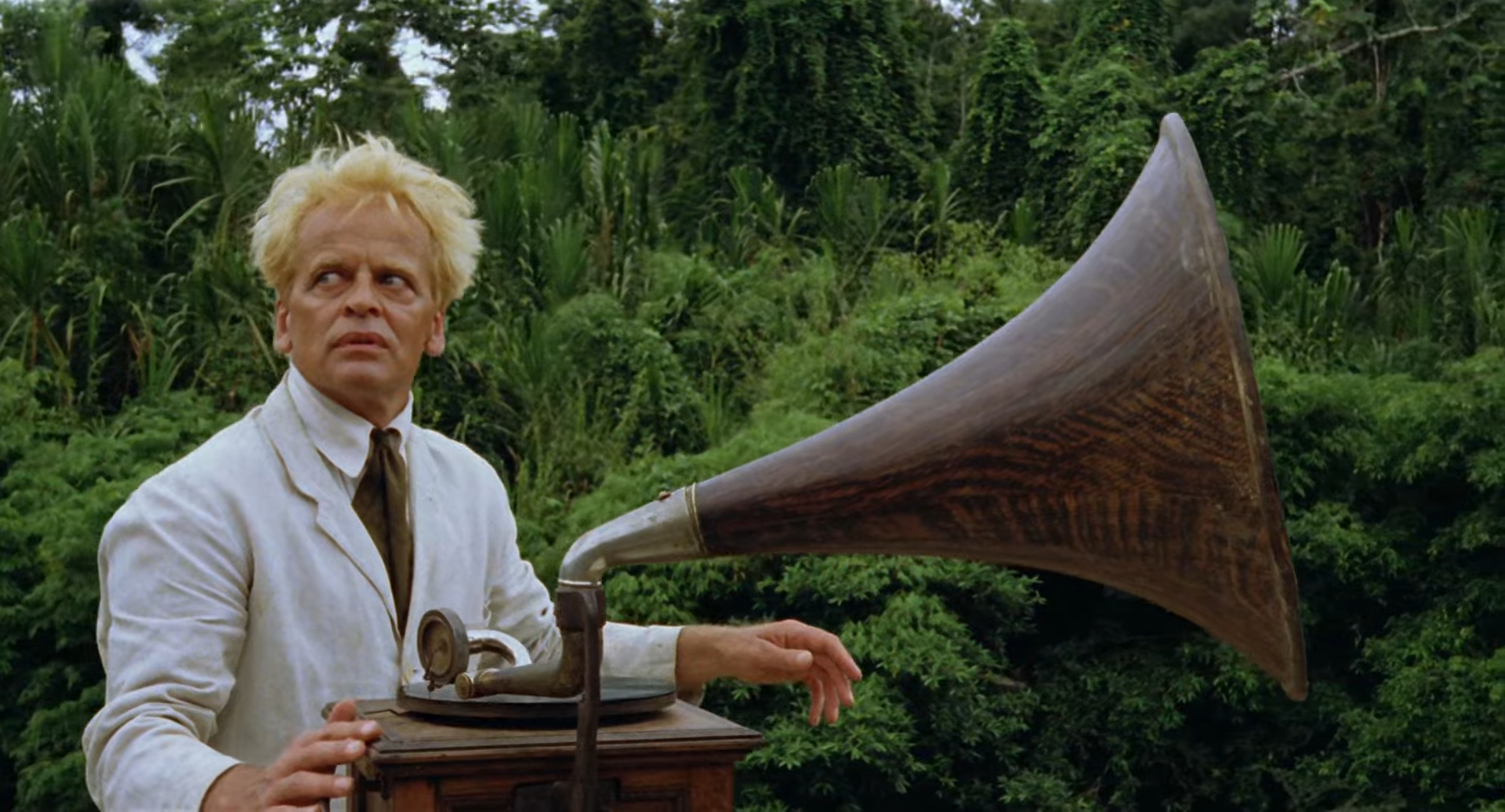
Fitzcarraldo (1982)

In Fitzcarraldo’s absurd dream of building an opera house in the Amazon jungle and his even stranger endeavour of hauling a giant steamship up a mountain, Werner Herzog centres him as a tragic figure in an epic fable of extraordinary ambition, fully consuming his mind with a megalomania that threatens the foundations of his own conceited, fragile mortality.

The Master (2012)

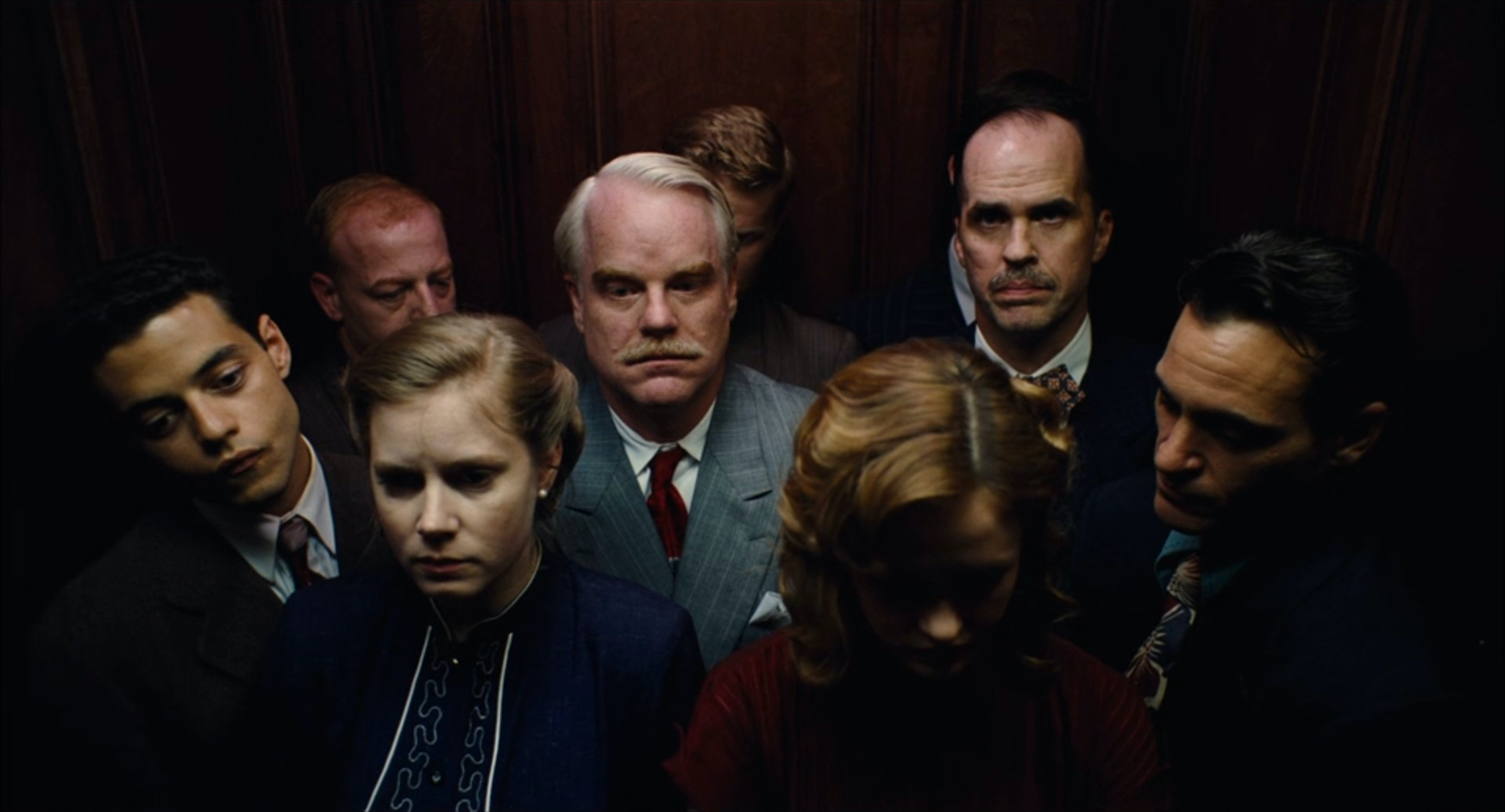
The inverted journeys of self-control and surrender that lonely drifter Freddie Quell and cult leader Lancaster Dodd travel along go beyond excellent screenwriting, but also affirm The Master’s extraordinary formal achievement, as Paul Thomas Anderson layers every single interaction with patterns that elusively float these soulmates through a post-war America lost in its identity.

The Thin Red Line (1998)

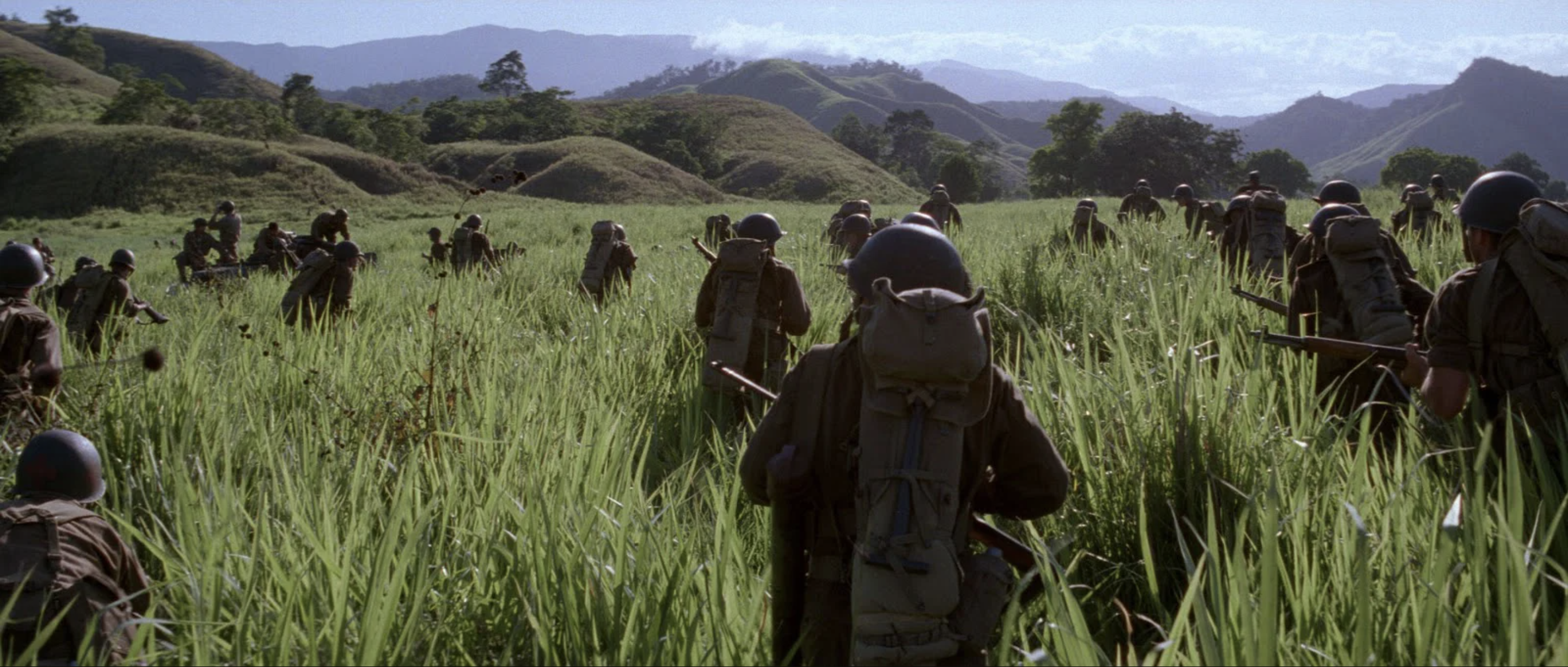
There is a jarring contrast between Terrence Malick’s violent imagery and his affecting spiritual expressions in The Thin Red Line, but it is exactly this disparity upon which he hinges his condemnation of war as an ugly stain on the natural world, playing out the human struggle between dominance and grace through stirring, lyrical rhythms.

Yi Yi (2000)

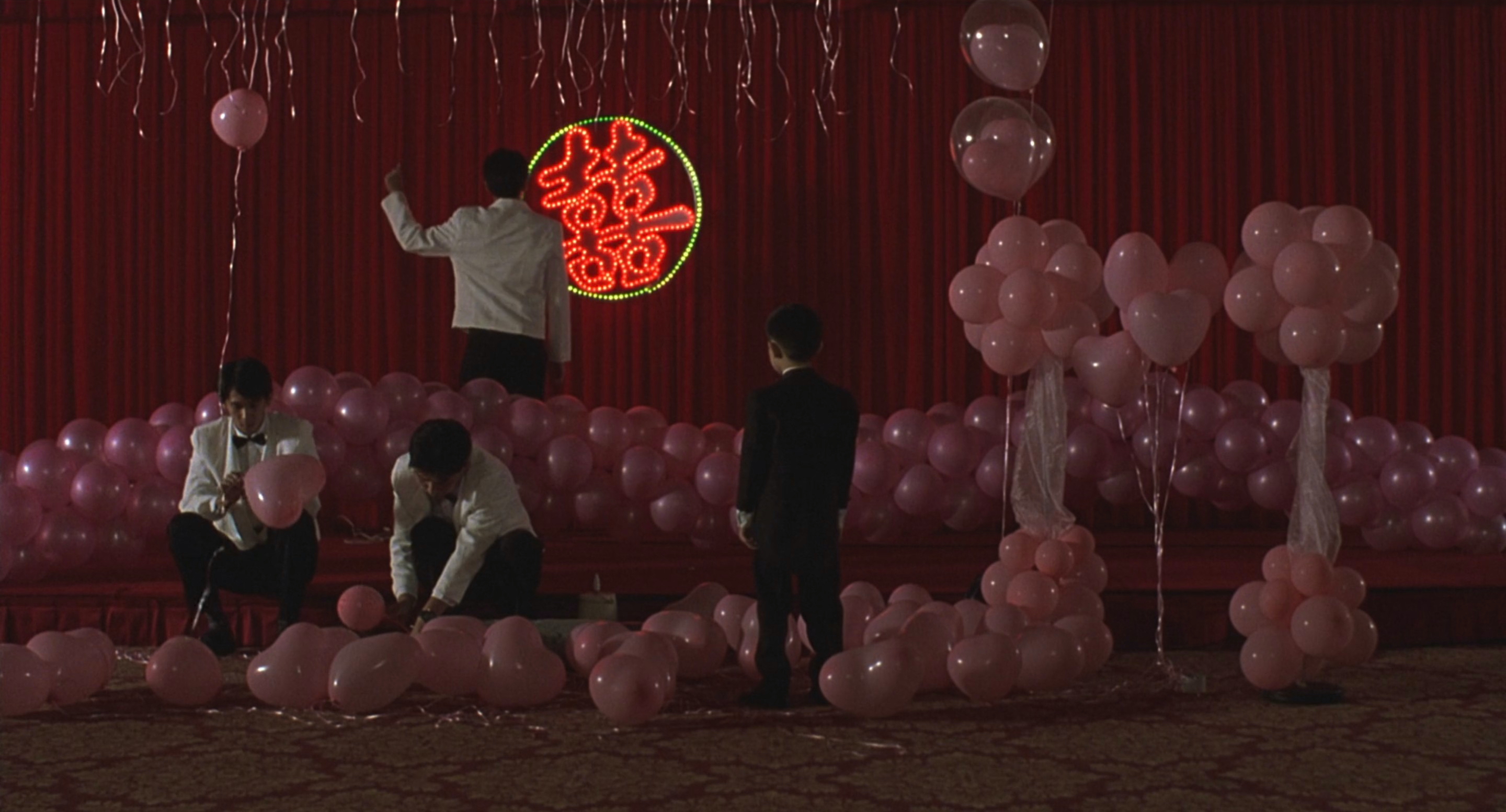
The oscillation between isolation and intimacy is just as much a part of life’s cycles as the births, marriages, and deaths that the three generations of the Jian family experience through different lenses, but while these occasions lay the foundation of Yi Yi’s grand formal structure, Edward Yang spends much of the film chasing the vivid, lonely stories that lie between them.

Intolerance (1916)

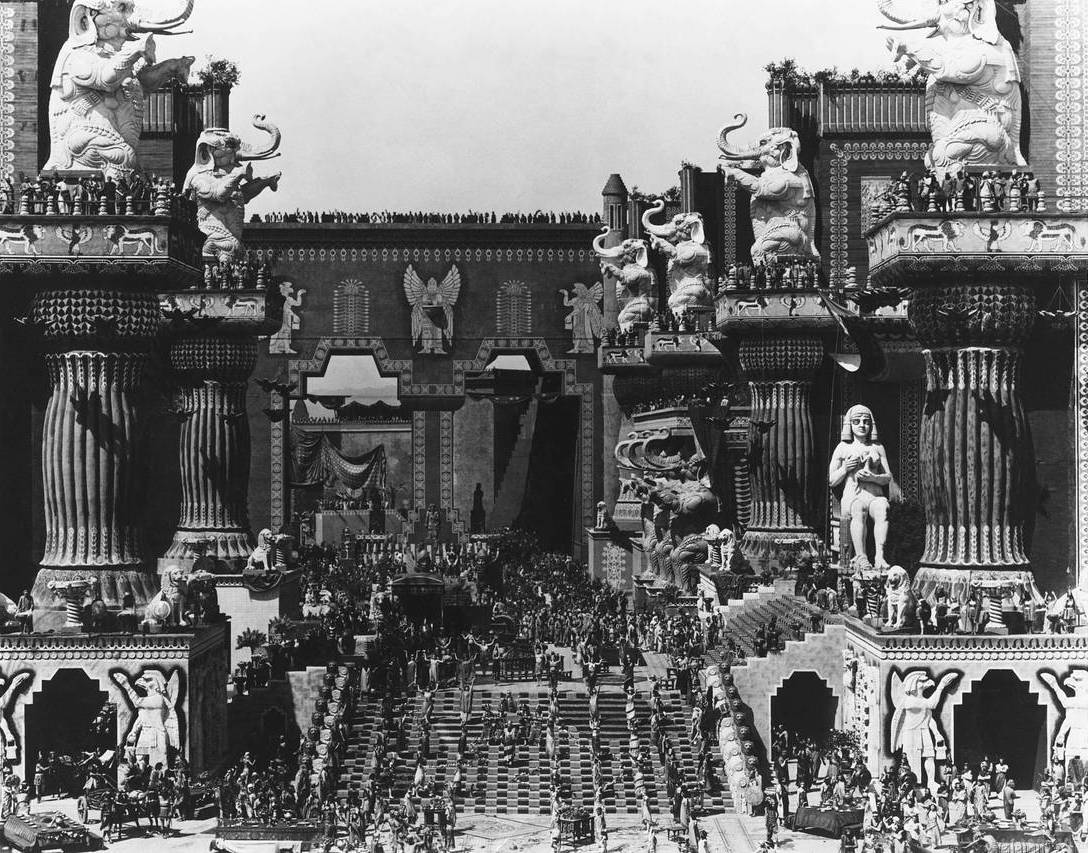
In wrapping up four parallel fables of prejudice stretching from ancient Babylon to the twentieth century, D.W. Griffith’s Intolerance masterfully orchestrates cycles of human redemption and transgression with joy and sorrow, layering plot threads and symbolic counterpoints like intricate harmonies through this epic, cinematic experiment of narrative structure.

Elvis (2022)

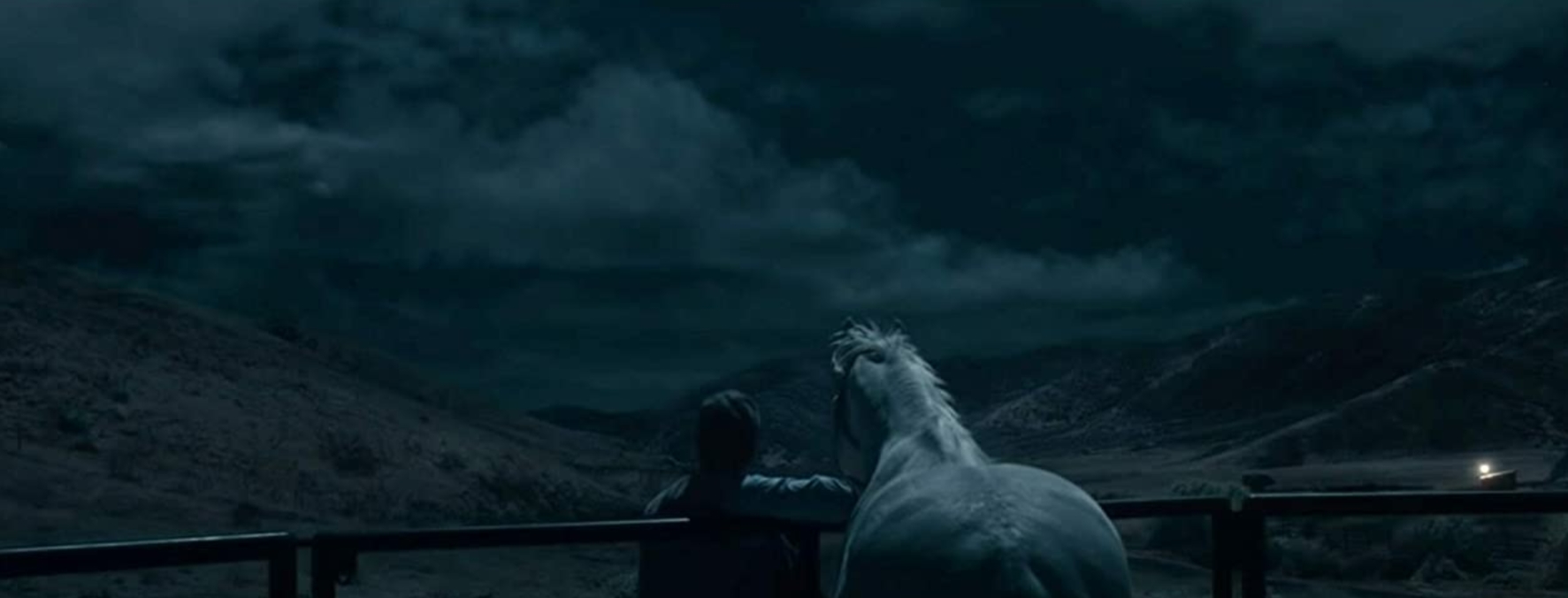
In piecing together artefacts of Elvis Presley’s inspiration and influence littered throughout the past century, Luhrmann melds anachronistic music, wildly kinetic camerawork, and imaginative editing together into a vibrant collage of immense artistic passion, effectively adopting the rockstar’s own form of rebellious creative expression.

The Birth of a Nation (1915)

Through the hundred or so years of feature narrative films, The Birth of a Nation may indeed be the singularly most abhorrent work to hit such ambitiously artistic heights, as D.W. Griffith singlehandedly defines the artform with astonishing displays of intercutting and jaw-dropping set pieces, while exposing the depravity baked into the history of nationalistic mythologising.

Delicatessen (1991)

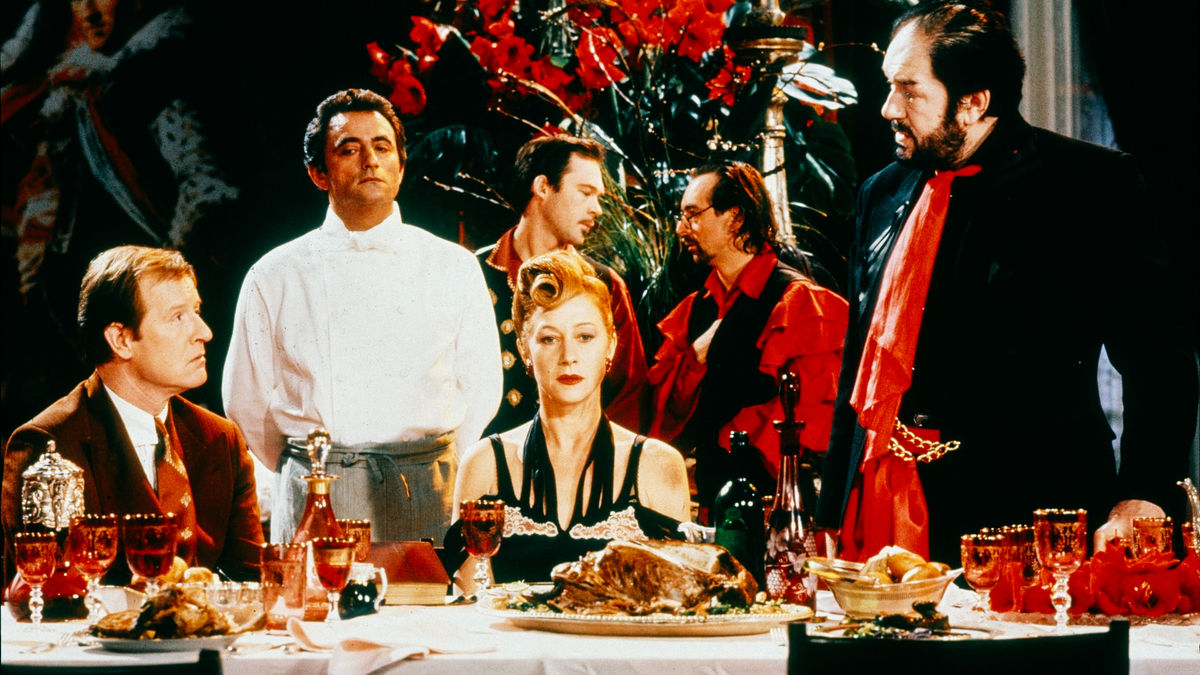
Within Delicatessen’s grotesque, dystopian France that sees a butcher kill his neighbours to sell their meat, Jean-Pierre Jeunet and Marc Caro construct a meticulously expressionistic world of absurdly outlandish set pieces which, while unsettling in their Gothic visage, savour the traces of whimsy that exist on the verge of extinction.

Blue Velvet (1986)

Blue Velvet could be read as a twisted coming-of-age film in its discovery of worlds and minds that are not what they seem, though the depths that David Lynch plunges into humanity’s psychosexual awakening, disconcerting iconography, and bold colour palettes places it in a surreal class of its own, digging through the veneer of suburban America to expose the grotesque bugs that crawl beneath.

Scroll to Top