Film Review

Gravity (2013)

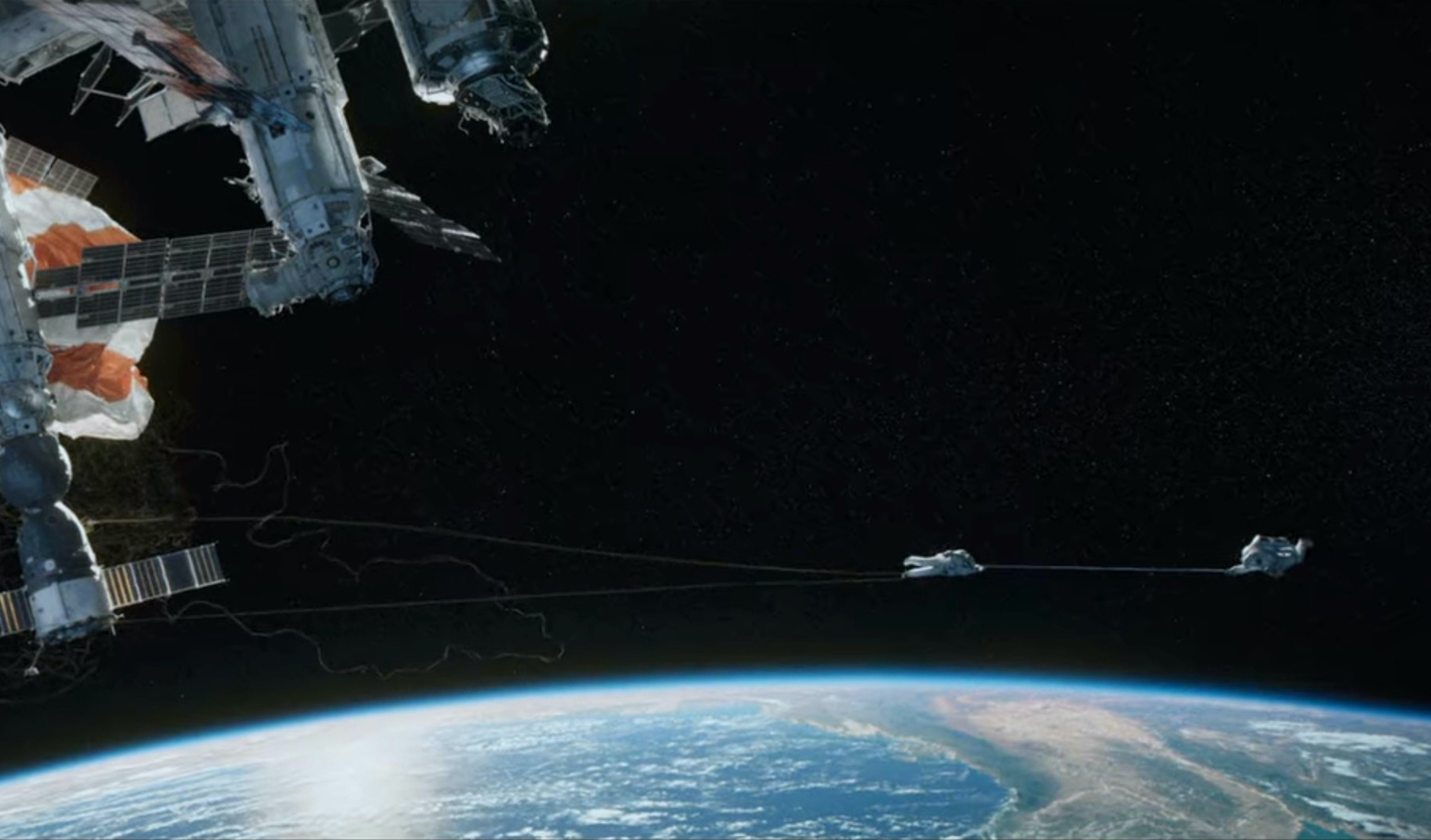
It is within Gravity’s restless, floating camera and moving allegory for grief that Alfonso Cuarón evolves it into a cinematic wonder, teasing out the compelling tension between barren emptiness and a determined embrace of life in one astronaut’s fraught journey back to Earth from the merciless void of outer space.

Three Thousand Years of Longing (2022)

The awareness of storytelling conventions that one lonely scholar brings to her meeting with a Djinn in Three Thousand Years of Longing offers George Miller’s self-conscious metanarrative great passion for its artistic traditions, crafting an uneven yet vivid collage of fairy tale motifs greater than the sum of its mythological fragments.

A Star is Born (1954)

With its light romance and dark tragedy moving along inverse trajectories, the archetypal narrative of A Star is Born may be the closest thing Hollywood has to a modern fairy tale, and it is in the precise balance of both that George Cukor’s vibrant take on it stirringly paints out the brief life cycle of those talented individuals we happily turn into beautiful, disposable commodities.

The Lost Weekend (1945)

Alcoholic writer Don Birnam may be totally infatuated with his vice, and yet the steady downward slide that Billy Wilder sets him on in The Lost Weekend sinks him deeper than he has ever been before, building out this compelling journey to rock bottom through intoxicating motifs and richly drawn characterisations that paint out an unsettling portrait of addiction at its most devastating.

Cabaret (1972)

For the bohemian misfits of Cabaret, it is easy enough to believe that the Kit Kat Club is a safe refuge to escape the angry politics of 1930s Germany, but as Bob Fosse skilfully intercuts its musical numbers with scenes of hope, love, and violence, we discover the chilling tension that exists between the dwindling escapism of one subculture and the burgeoning totalitarianism of another.

Waves (2019)

The rich duality of Trey Edward Shults’ compelling drama, narrative structure, and colour palettes bakes a symmetry deep into the formal construction of Waves, pivoting his rich portrait of one African-American family on a tragic turning point that divides their lives into two distinct periods of before and after, skilfully balancing out an oscillation between joyful heights and devastating lows.

Crimes of the Future (2022)

There may be some rustiness on David Cronenberg’s part in returning to body horror filmmaking after two decades, but his blend of film noir and science-fiction in Crimes of the Future nevertheless makes for an intriguingly grim contemplation of bodily autonomy, artificial evolution, and artistic expression, seeking to reveal the primal anarchy in humanity’s raw, physical existence.

Double Indemnity (1944)

There are few film noirs one could point to that typifies the genre more than Double Indemnity, where Billy Wilder’s gloriously expressionistic set pieces and passionately cynical writing evolves one man’s macabre curiosity into a hideous corruption of his soul, absorbing him in a murder plot almost as tightly wound as the gripping narrative that sees it slowly come apart.

Trainspotting (1996)

Danny Boyle’s kinetic pacing, surreal trips, and intoxicating camerawork not only match the edgy vigour of Ewan McGregor’s cynical Scottish drug addict in Trainspotting, but he also uses them as distractions from the crushing despair lying just outside its bubble of energetic thrills, drifting through vignettes that stage a darkly comedic battle between primal temptation and sober stability.

Kimi (2022)

Steven Soderbergh updates classic thriller conventions with pandemic-related concerns in Kimi, using its vigorous camerawork and tightly wound plotting to deliver a gripping take on cyber-age insecurities, twisting our most personal social anxieties into a cynical vision of a tech-driven society where privacy is void and the most frightening prospect of all is simply leaving one’s home.

Scroll to Top