Film Review

Aar Paar (1954)

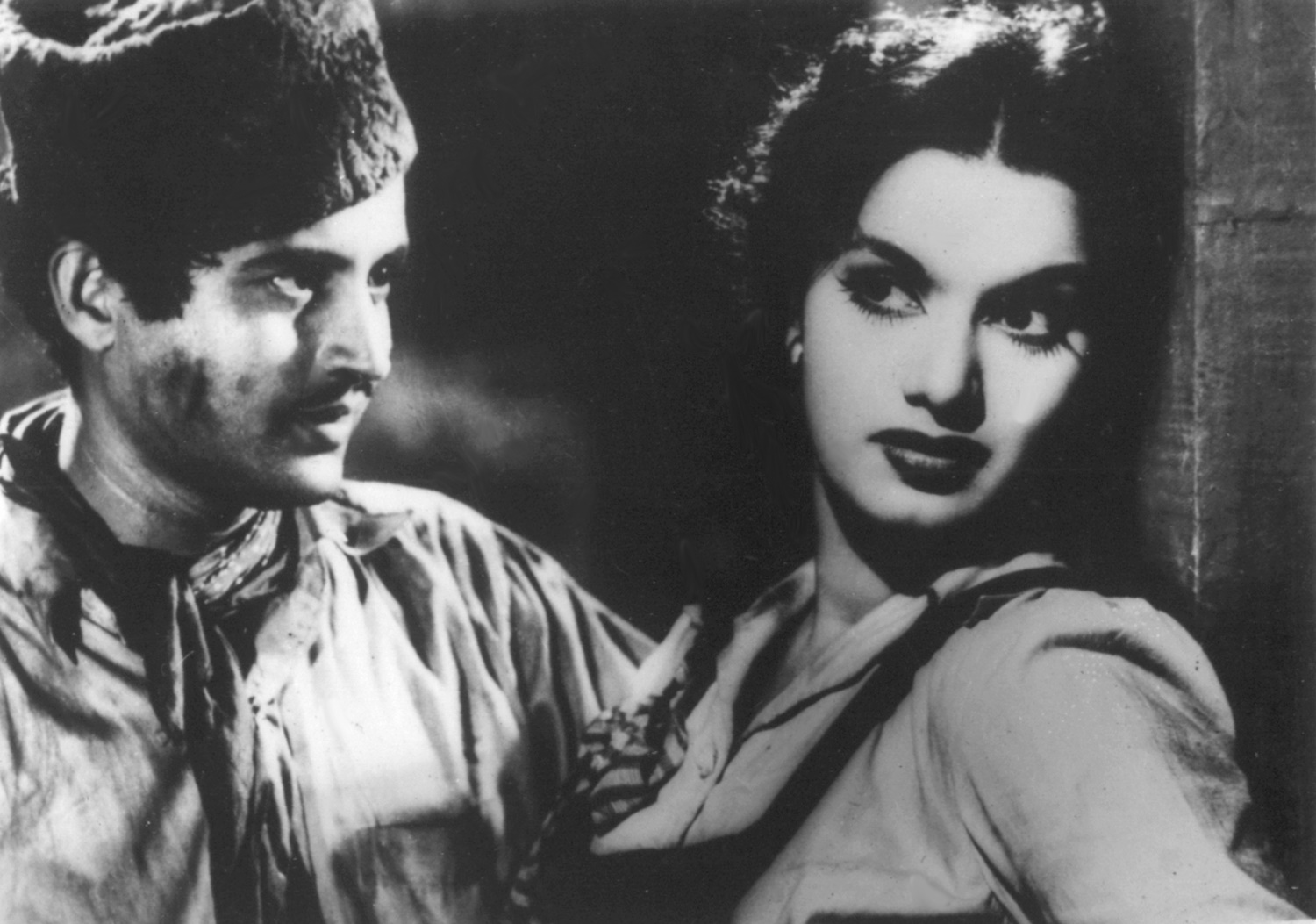
Guru Dutt is incredibly resourceful in the glorious Bollywood spectacle of Aar Paar, spinning a simple love triangle off into a breezy comedy, a sumptuous melodrama, and a thrilling crime plot, and landing one high-spirited ex-convict in the middle of it all as the master of his choices.
The Quiet Girl (2022)

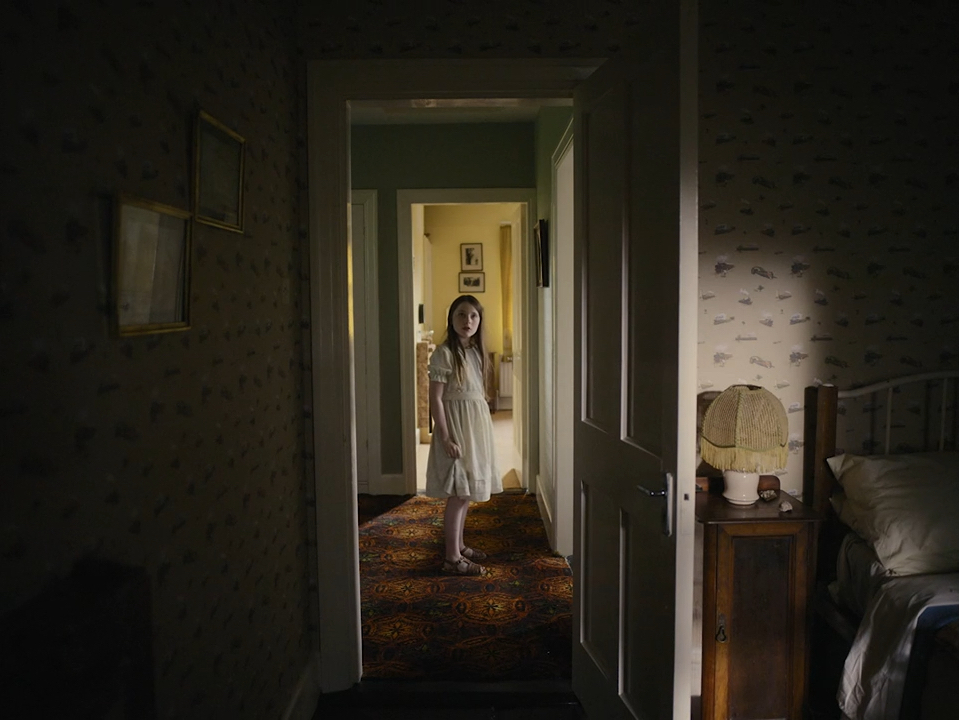
Although young Cáit comes from an abusive home in The Quiet Girl, Colm Bairéad’s tender reflection on emotional healing proves to be a film of gentle repose, establishing a symbiotic harmony between broken children and adults alike that graciously alleviates their parallel traumas.

The Pale Blue Eye (2022)

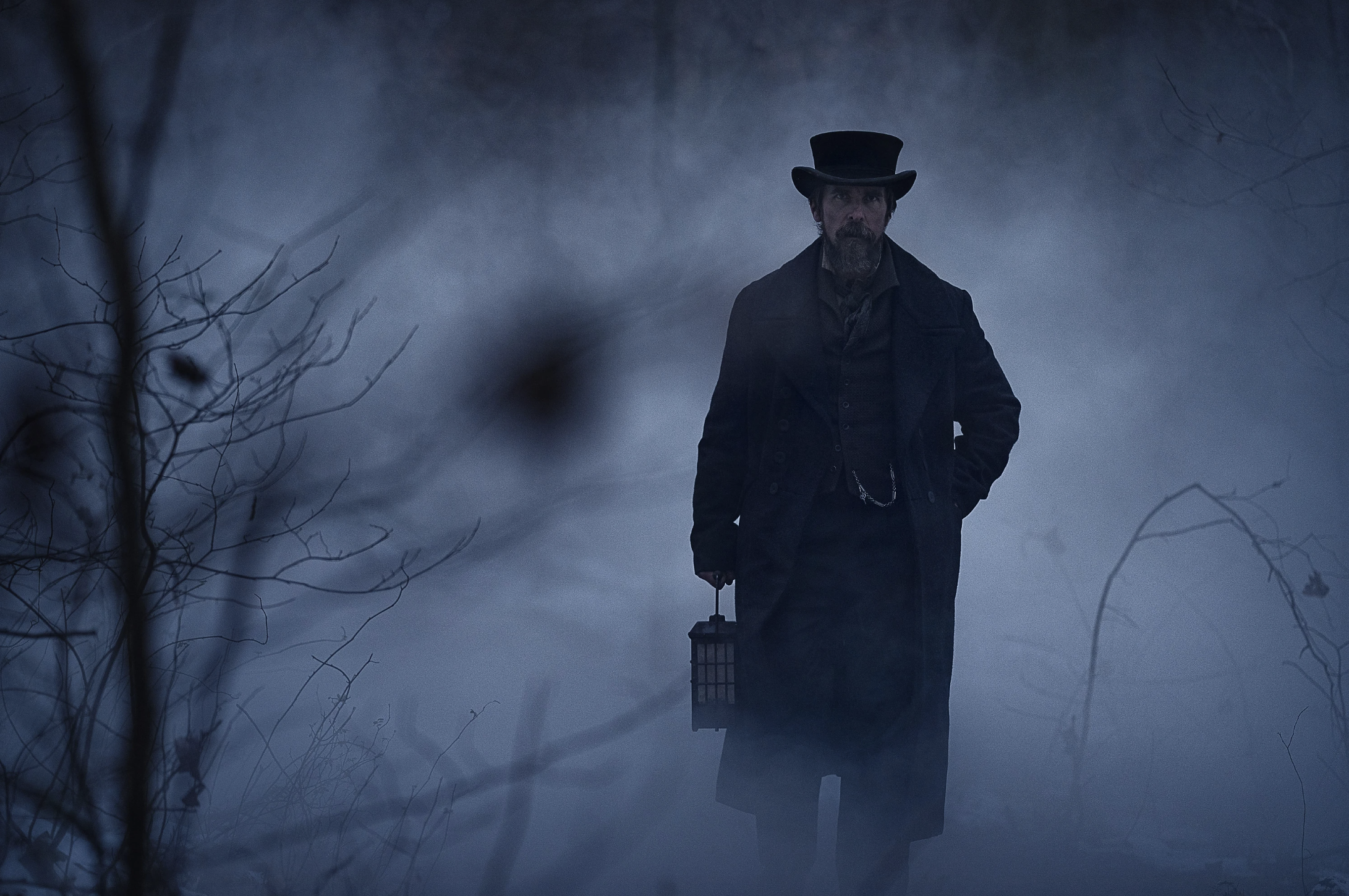
As the chilly mist clears across Scott Cooper’s frozen landscapes in The Pale Blue Eye, an intriguing murder mystery of occult horror and dark family secrets emerges, conceiving what Gothic evils and melancholy regrets might have given birth to the morbid imagination of Edgar Allen Poe.

Le Plaisir (1952)

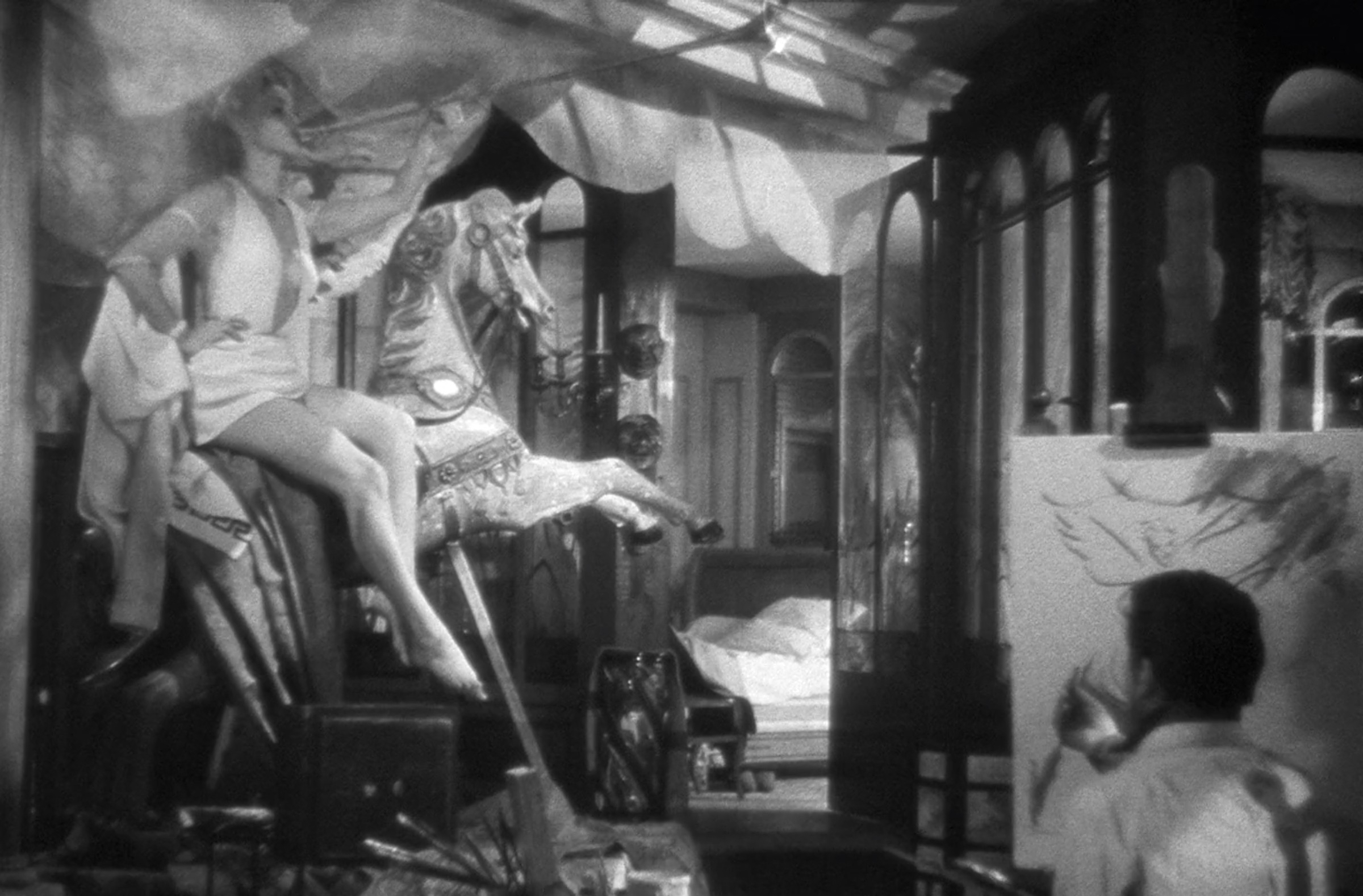
Armed with a camera that moves with all the elegance of a gentle breeze, and a sophisticated charm which lightly alternates between comedy and tragedy, Max Ophüls lays out parables of pleasure and happiness in Le Plaisir, poetically considering their shared harmonies and incongruencies.

Wild Strawberries (1957)

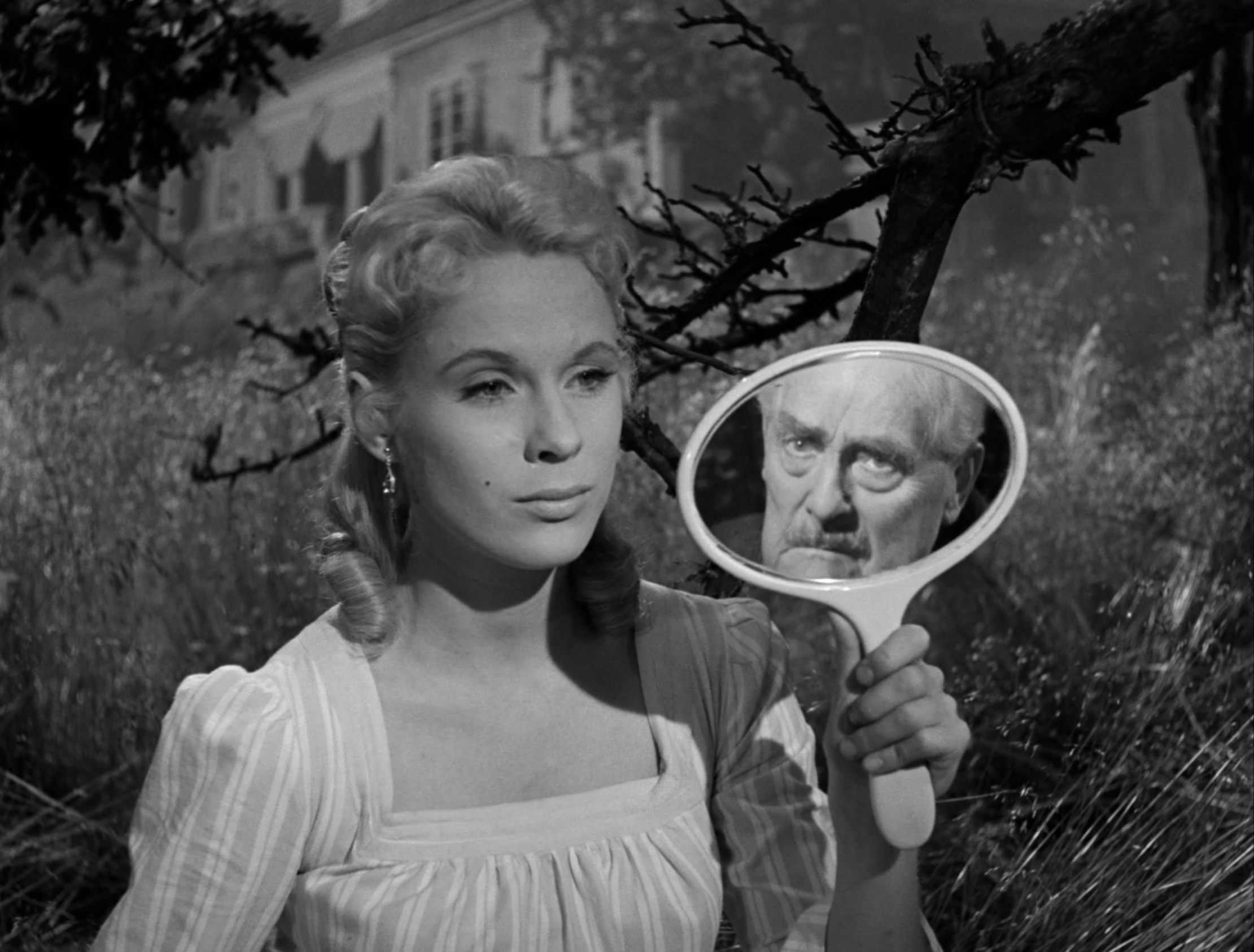
Dreams, memories, and symbols drift by on the powerful current of Ingmar Bergman’s poetic screenplay in Wild Strawberries, turning one elderly professor’s road trip into a spiritual vessel of self-reckoning that confronts the many estranged relationships he has accumulated, and penetrating the surreal depths of his guilty mind through beautifully existential imagery.

Track of the Cat (1954)

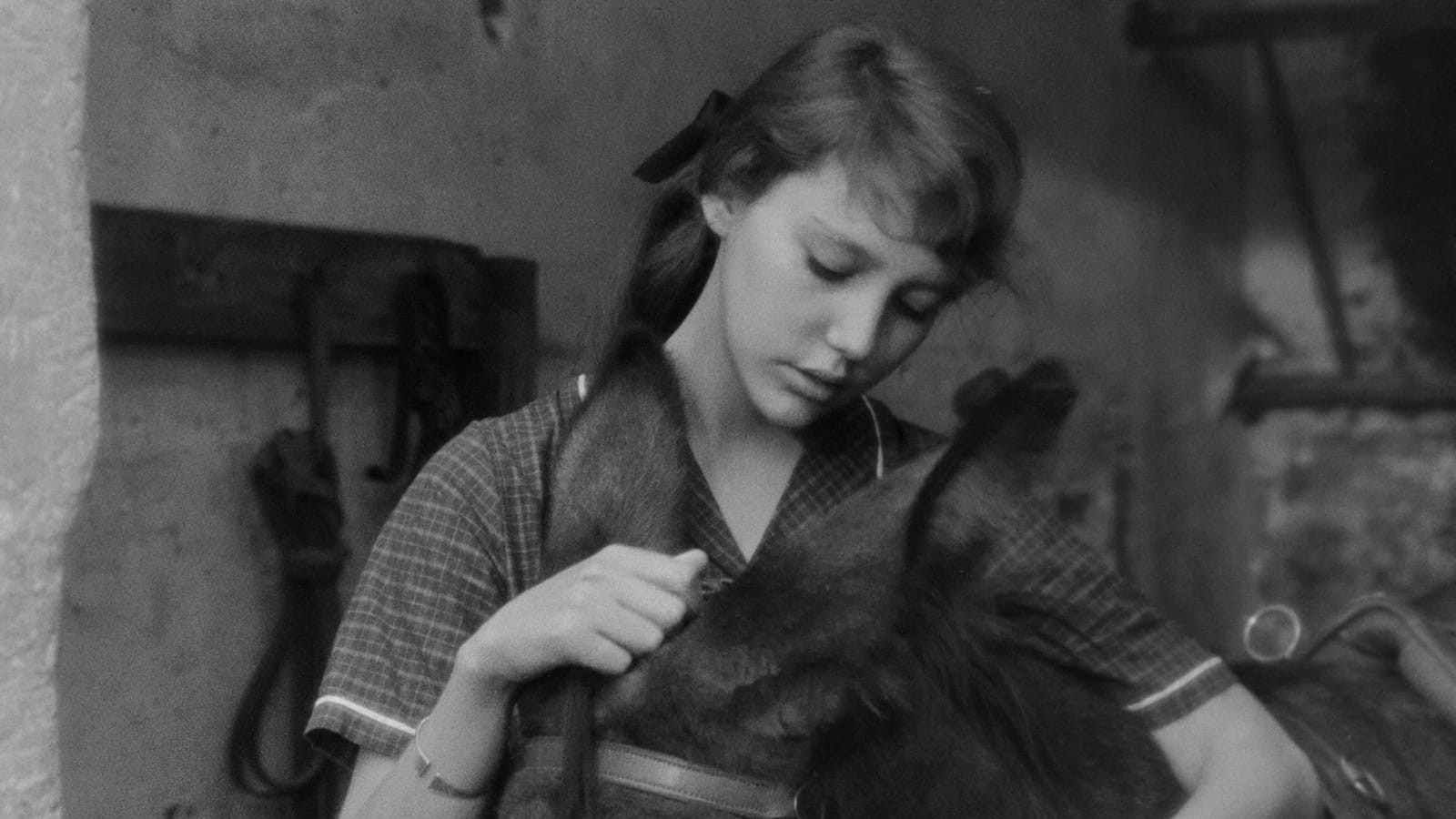
William A. Wellman stages a textured web of strained family dynamics with incredible visual detail in Track of the Cat, offering an unassumingly spiritual consideration of colonial masculinity in its psychological western drama, and fastidiously binding it all together with a ravishing monochrome palette where spiteful sterility thrives.

The Seventh Seal (1957)

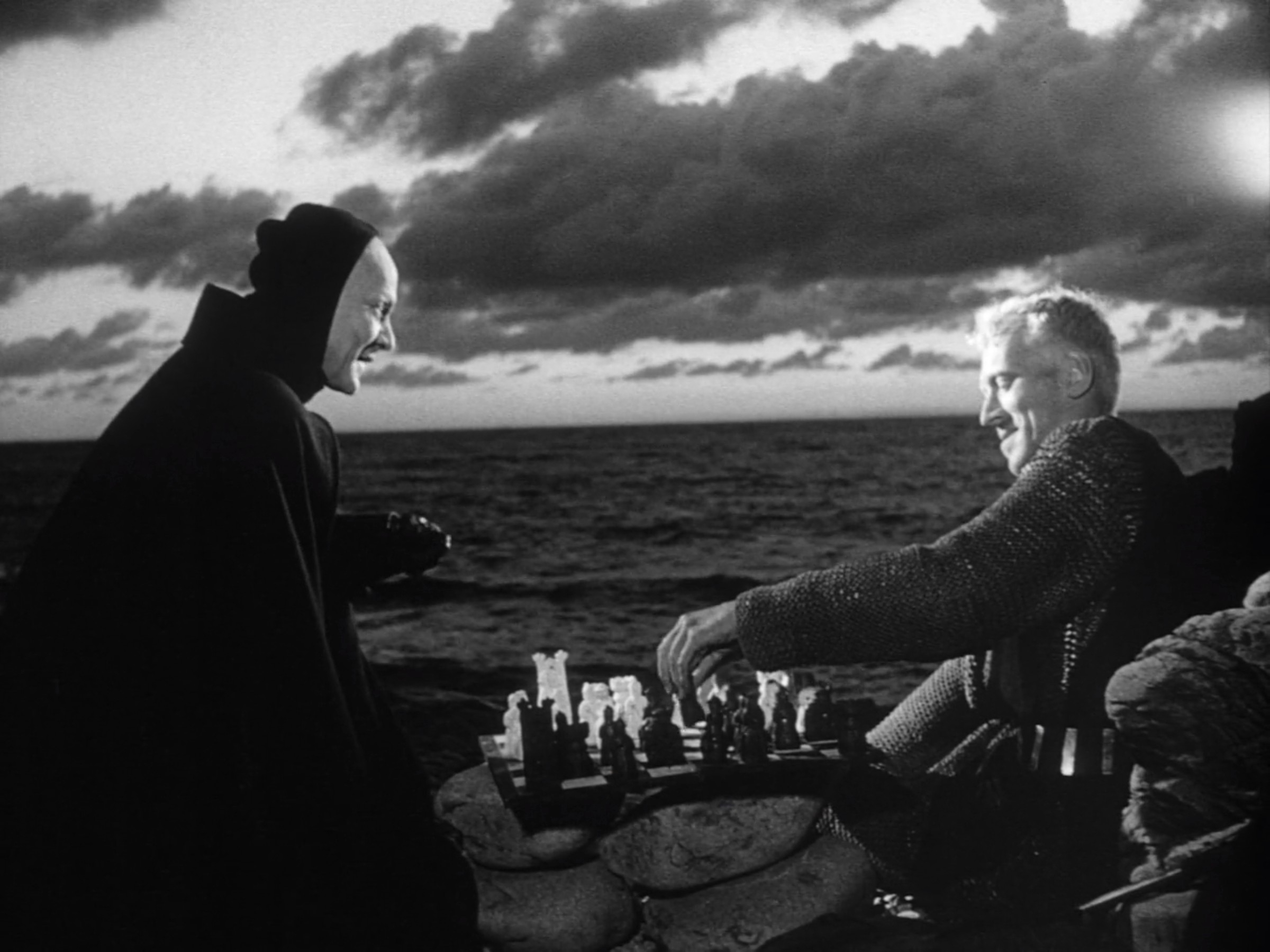
Ingmar Bergman’s pensive journey of faith and doubt leads us through barren, plague-ridden landscapes in The Seventh Seal, imposing a stark beauty on his theological iconography and poetic contemplations which confirm this existential medieval fable as a historical feat of philosophical screenwriting.

Smiles of a Summer Night (1955)

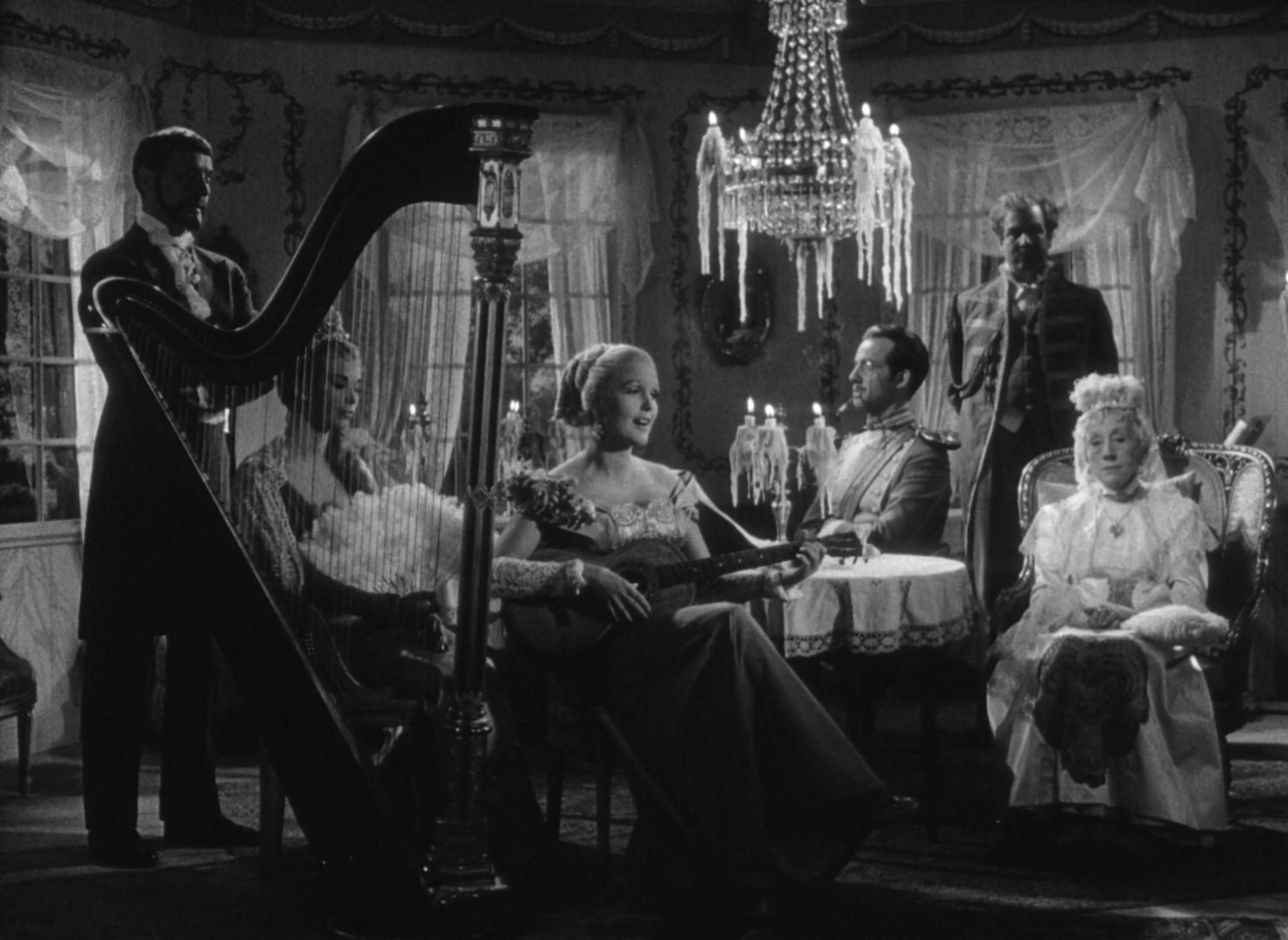
The complex web of betrayals, seductions, and alliances within the aristocratic ensemble of Smiles of a Summer Night is tantalising to watch for its sharp class satire, and yet Ingmar Bergman also buries a profound wisdom into his intoxicating chaos, deepening its joyful wonder with blessings for new beginnings and second chances.

Living (2022)

Living’s cultural transplant of Akira Kurosawa’s deeply contemplative Ikiru may struggle with originality at times, but in shifting this mid-century tale of one dying man’s enlightenment from Japan to London, Olivier Hermanus still summons a revitalised freshness, imbuing it with a whole new context of soul-sucking social customs and spiritual inspiration.

Au Hasard Balthazar (1966)

There is grace in the contemplation spurred on by the Bible’s parables, and through Au Hasard Balthazar’s elliptical, iconographic narrative, Robert Bresson conjures a similarly pensive meditation on suffering, adopting the perspective of a donkey being passed between multiple owners and its passive observations of humanity.

Scroll to Top