Film Review

Salò, or the 120 Days of Sodom (1975)

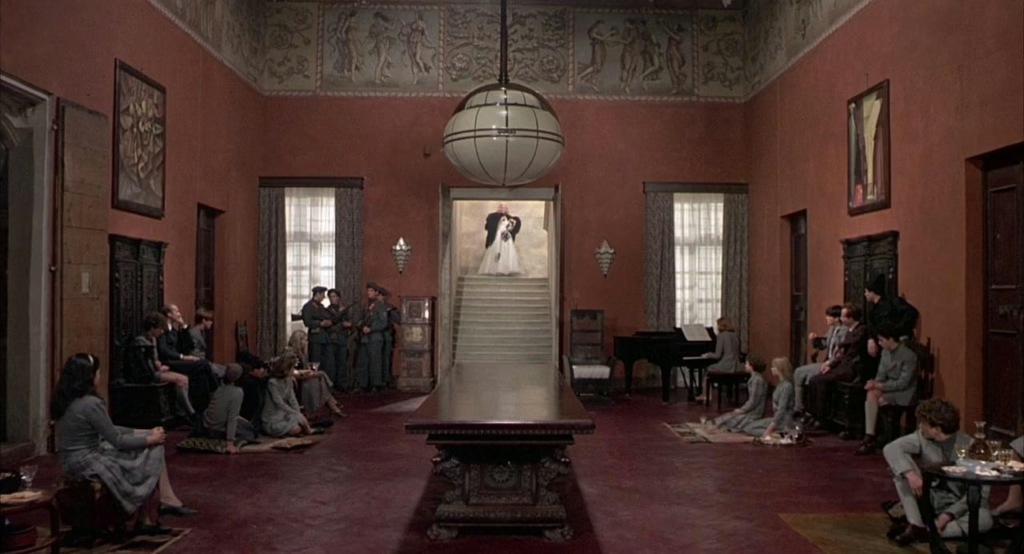
Through Pier Paolo Pasolini’s formal severity and exacting aesthetic, Salò, or the 120 Days of Sodom stares unflinchingly into the repellent darkness of humanity’s soul, tracing the systematic torture of young captives subjected to the relentlessly sadistic games orchestrated by four fascist overlords.
Frankenstein (2025)

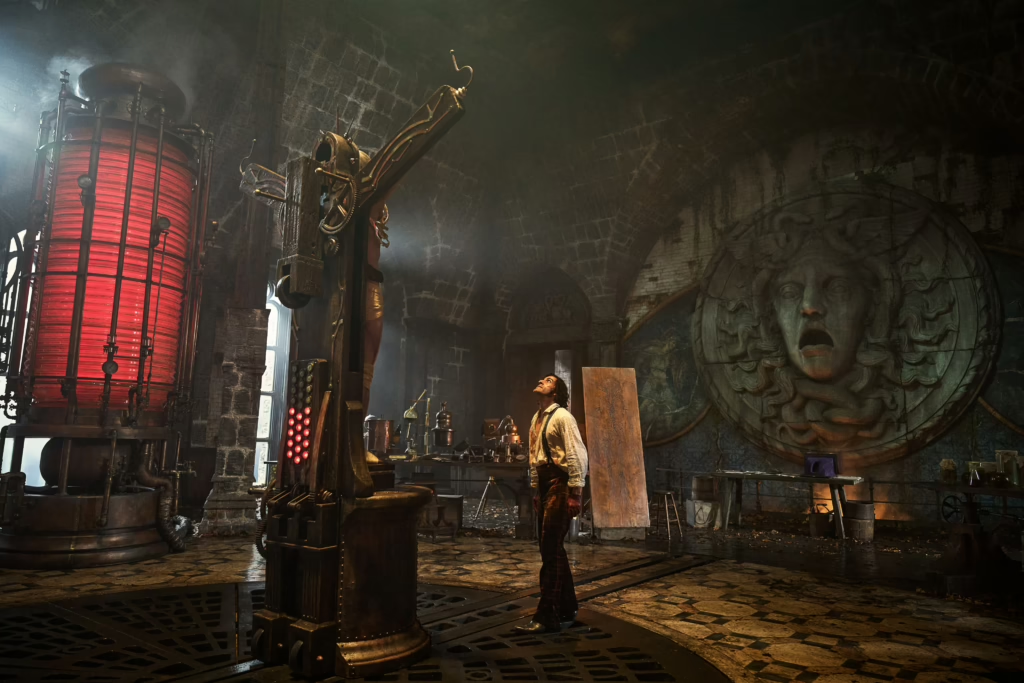
Through operatic mythologising and cinematic splendour, Guillermo del Toro magnificently elevates Frankenstein into a rueful, elegiac meditation on kinship, condemning both father and son to the same corrosive cycles of paternal cruelty, maternal absence, and a hunger for love that no creation can satisfy.

Elephant (2003)

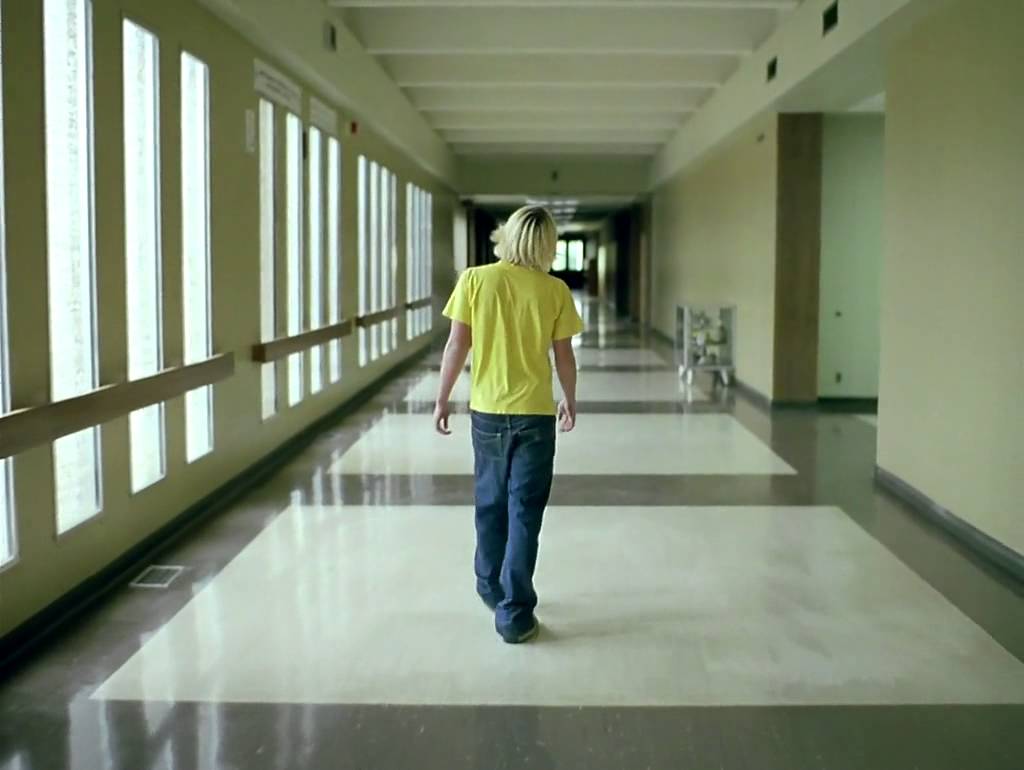
Gus Van Sant does not strive to make sense of the senseless school shooting in Elephant, but rather attaches his tracking camera to the various perspectives of victims and perpetrators as it unfolds, delivering a chilling vision of violence that arrives without warning, logic, or resolution.

Mystic River (2003)

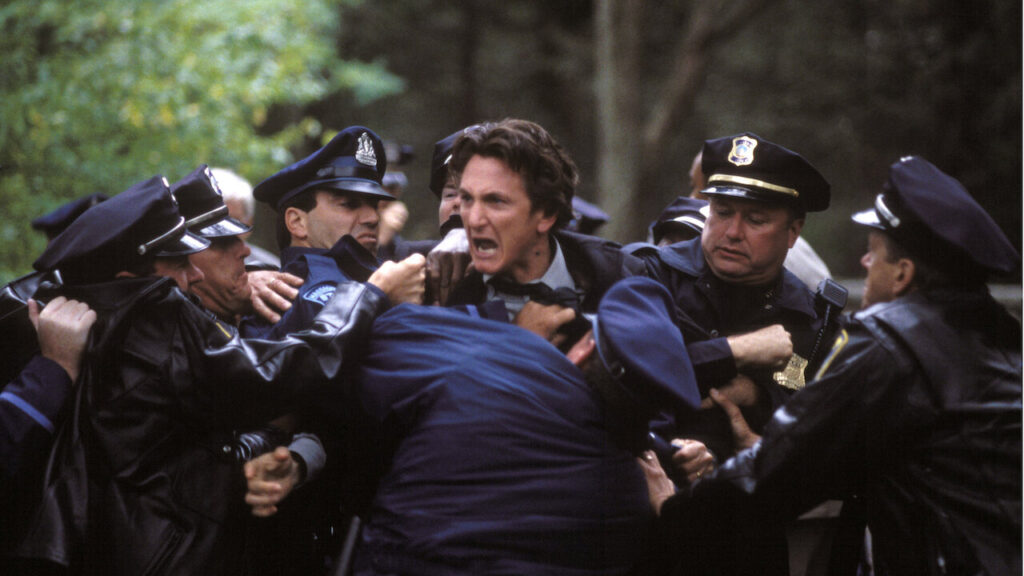
As Mystic River asserts cycles of shattered innocence through the abductions, abuses, and murders of one Boston neighbourhood, Clint Eastwood draws three childhood friends together over old traumas, and ensnares them in the simmering tension of fresh suspicions.

It Was Just an Accident (2025)

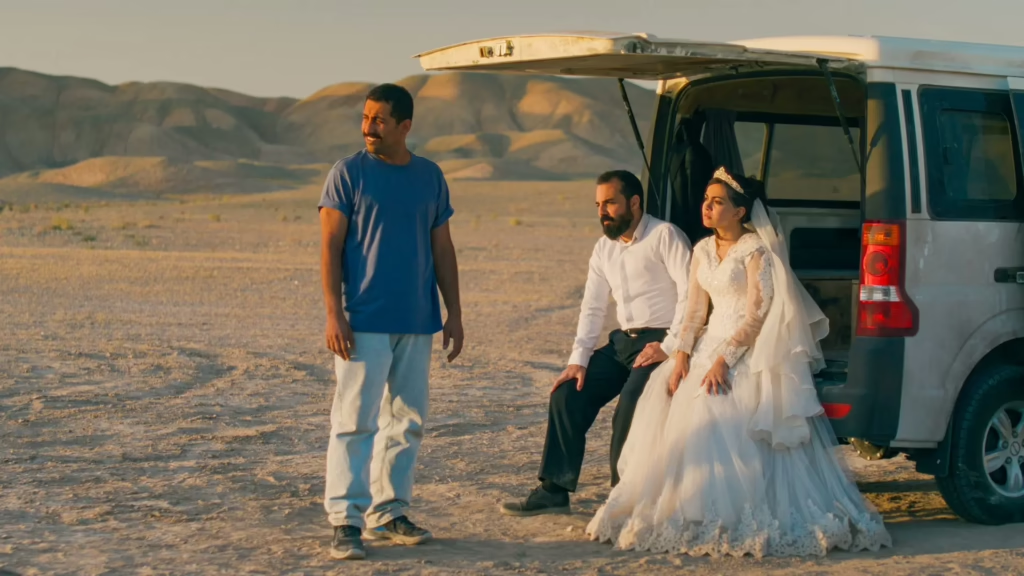
Jafar Panahi channels his fury at Iran’s oppressive regime into the complex moral dilemma of It Was Just an Accident, propelling a party of former political prisoners on a quest to identify a man they believe to be their torturer, and uneasily distilling the gnawing, unrelenting anxiety of their tortured survival.

No Other Choice (2025)

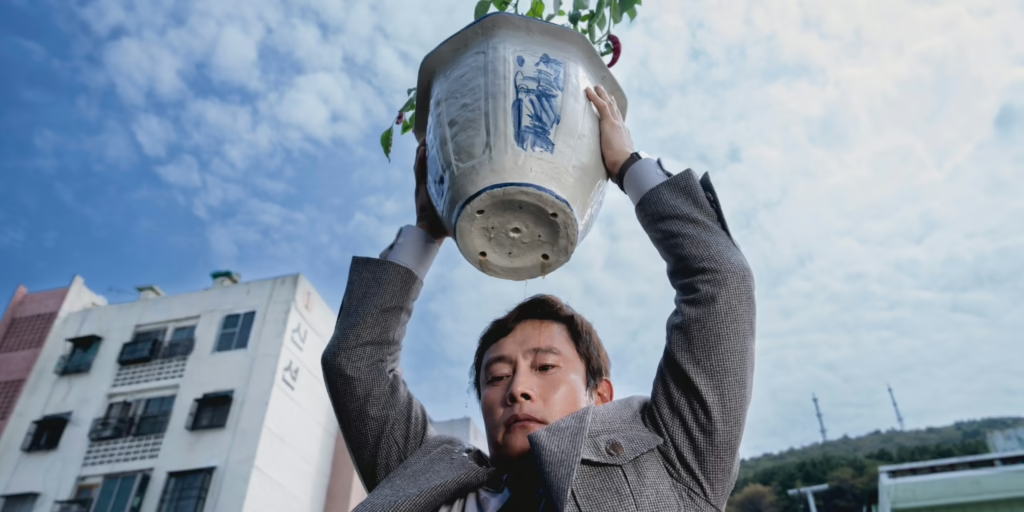
Never has Park Chan-wook wielded his fatalistic irony with such a darkly comedic edge as he does in No Other Choice, sending one unemployed paper specialist on a murderous trail against rival job candidates, and sharply exposing the bureaucratic nihilism of modern capitalism.

An Autumn Afternoon (1962)

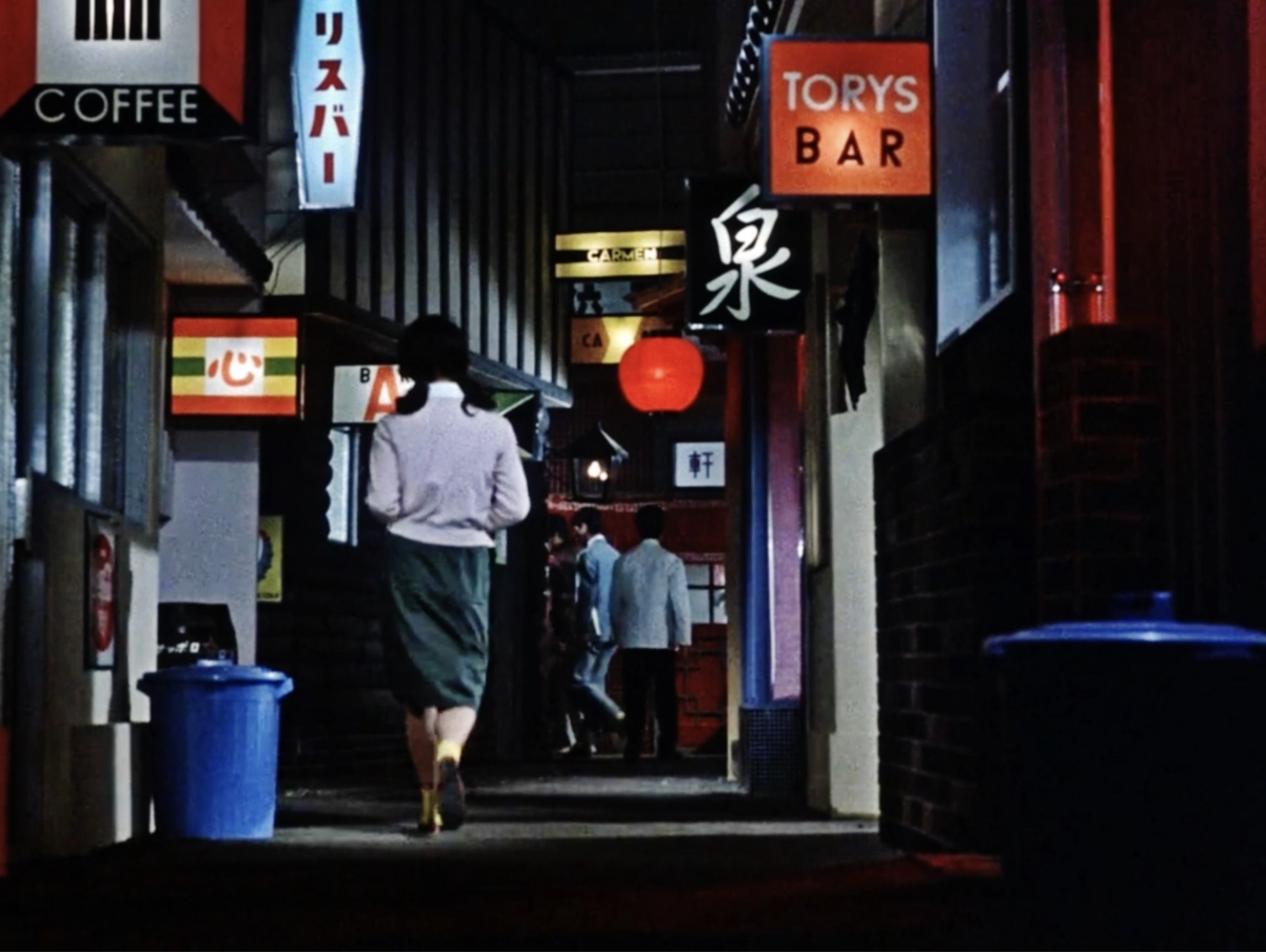
If Yasujirō Ozu’s filmography is a cinematic suite charting the tension between tradition and progress, then An Autumn Afternoon stands as a tender final movement, tracing a widowed father’s reluctant push to marry off his daughter amid Japan’s mid-century commercialism.

Wake Up Dead Man (2025)

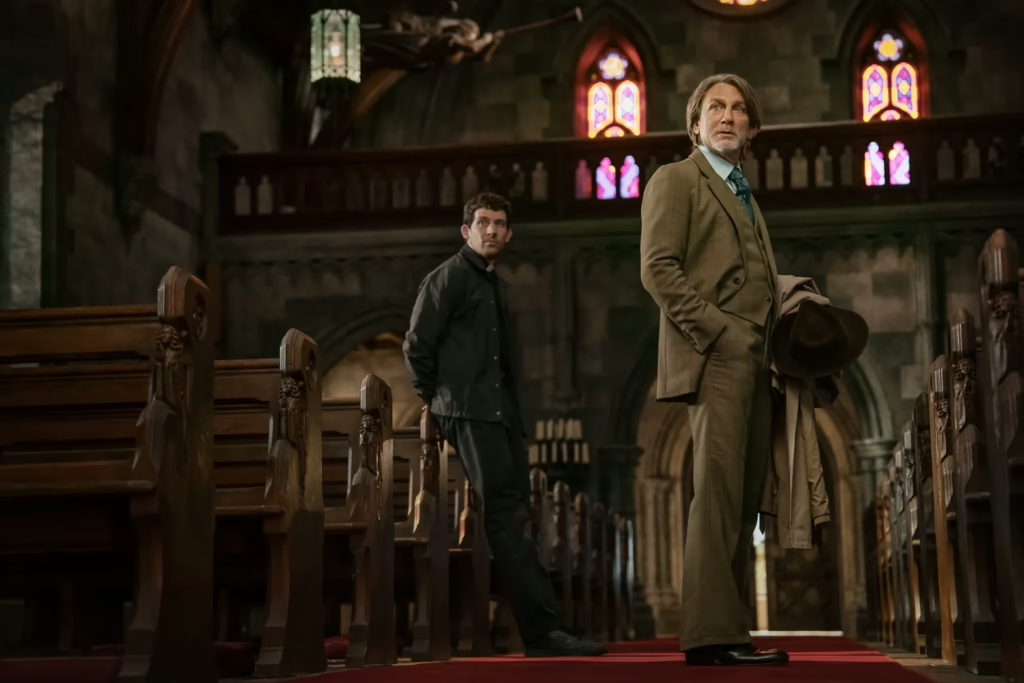
The cerebral pleasures of Wake Up Dead Man’s painstakingly plotted mystery may captivate the mind, yet Rian Johnson’s careful attention to the spiritual stakes within a guilty church congregation resonates with haunting ambiguity, unravelling the impossible, locked-room murder of a vindictive priest.

Wicked: For Good (2025)

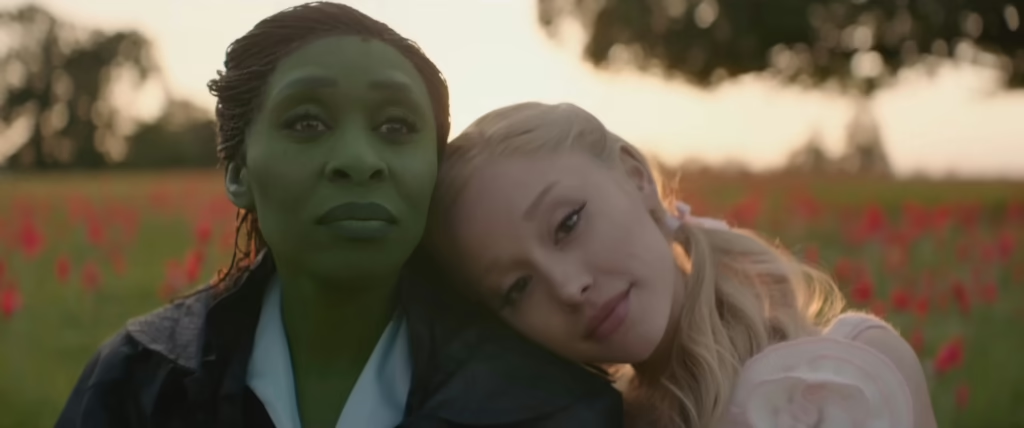
Although the uneven pacing of Wicked: For Good blunts its dramatic urgency, Jon M. Chu delivers a finale steeped in fantastical, kaleidoscopic ambition, subverting cinematic canon with lavish worldbuilding, impossible designs, and freshly layered characterisations.

The End of Summer (1961)

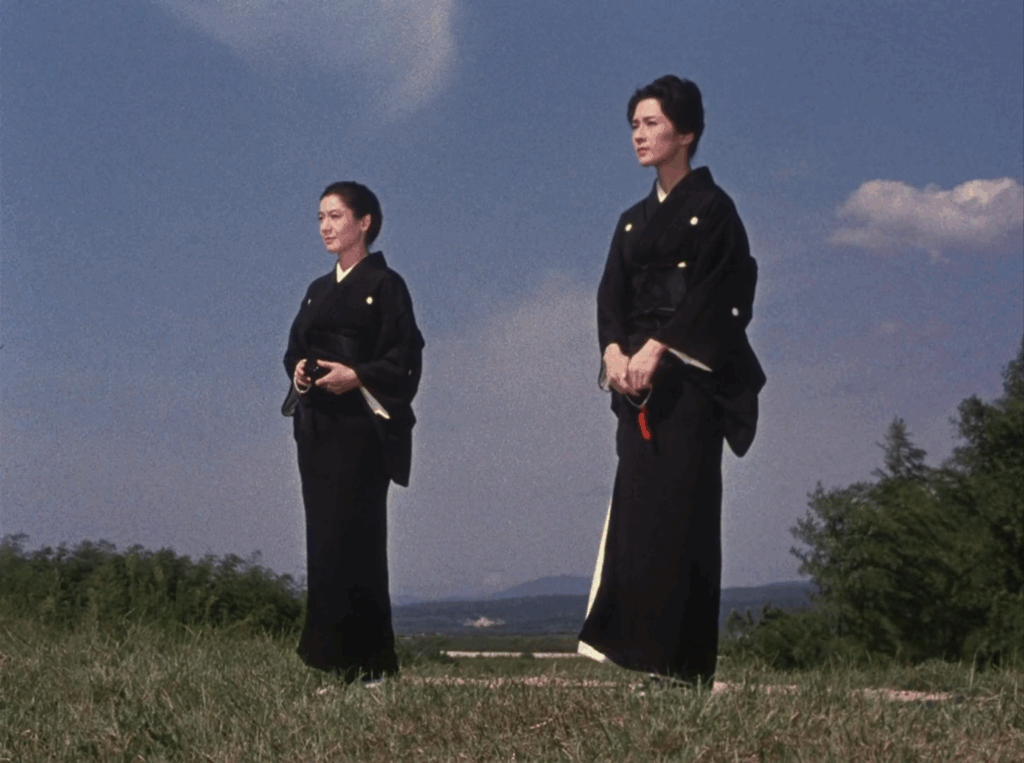
Marriage within the Kohayagawa family takes on multiple meanings throughout The End of Summer, ensuring stability within the younger generations and bringing scandal among the older, as Yasujirō Ozu weaves its humour and drama into poetic lamentations of life’s bittersweet sorrows.

Scroll to Top