Film Review

Fanny and Alexander (1982)

The vivid imagination of Ingmar Bergman’s young protagonist in Fanny and Alexander is as enchanting as it is frighteningly dangerous, expressing itself through vibrantly festive mise-en-scène and impressionistic supernatural visions, and forming the basis of a deeply sentimental rumination on childhood wonder, trauma, and grief.

Our Hospitality (1923)

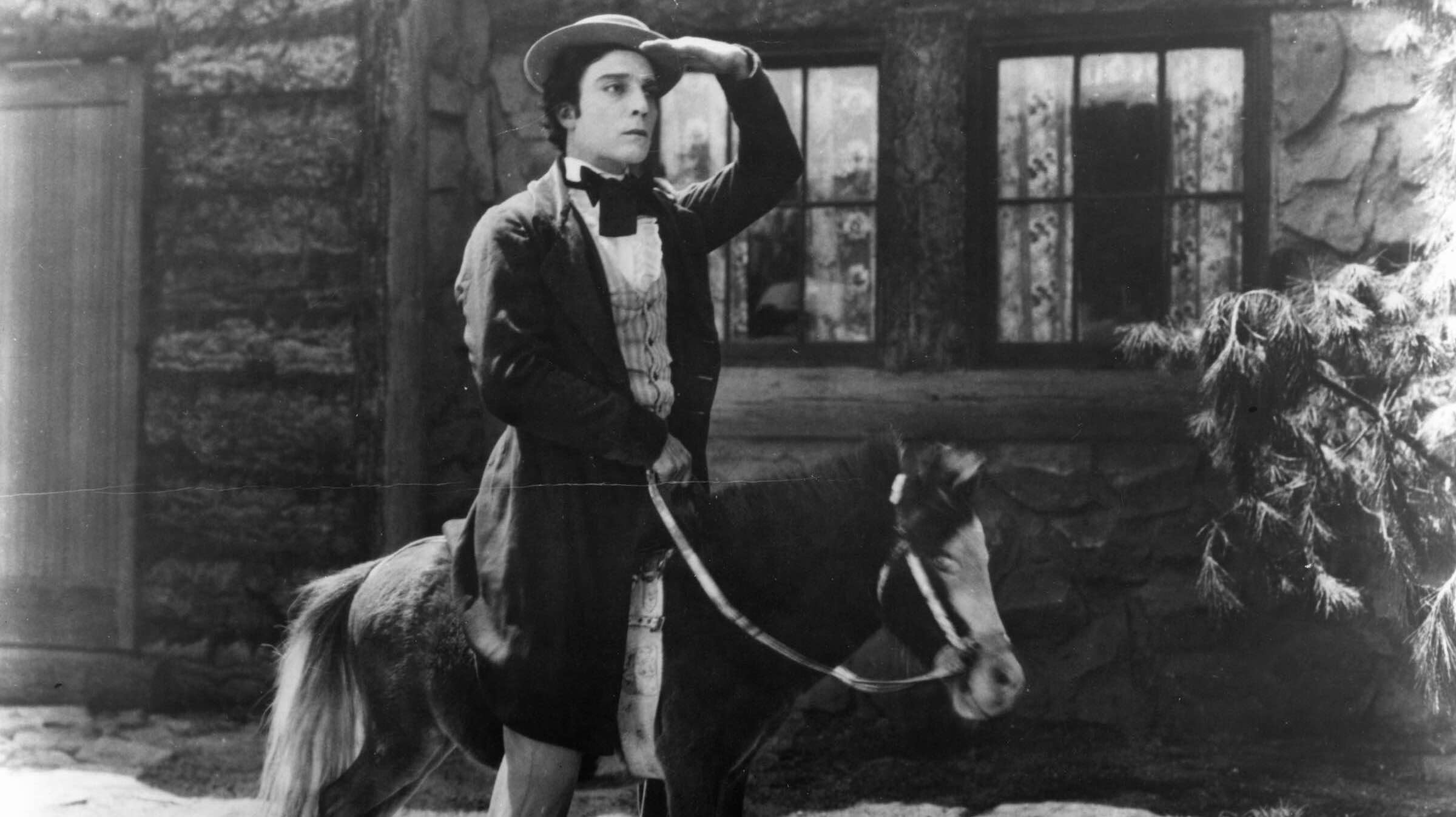
If there is anything that will save Buster Keaton’s stone-faced romantic from the violent family feud in Our Hospitality, then it is the amusing code of honour that ironically grants him sanctuary in the home of those who wish to kill him most, setting up a series of hilarious misadventures that erupt into bold, death-defying stunts.

From the Life of the Marionettes (1980)

Ingmar Bergman has long considered the fragile minds that lurk beneath mild personas, but From the Life of the Marionettes is easily his most violent rupturing of that veil, seeking whatever psychological reason lies at the source of one murderous outburst by piecing together fragments of the preceding and subsequent months.

A Haunting in Venice (2023)

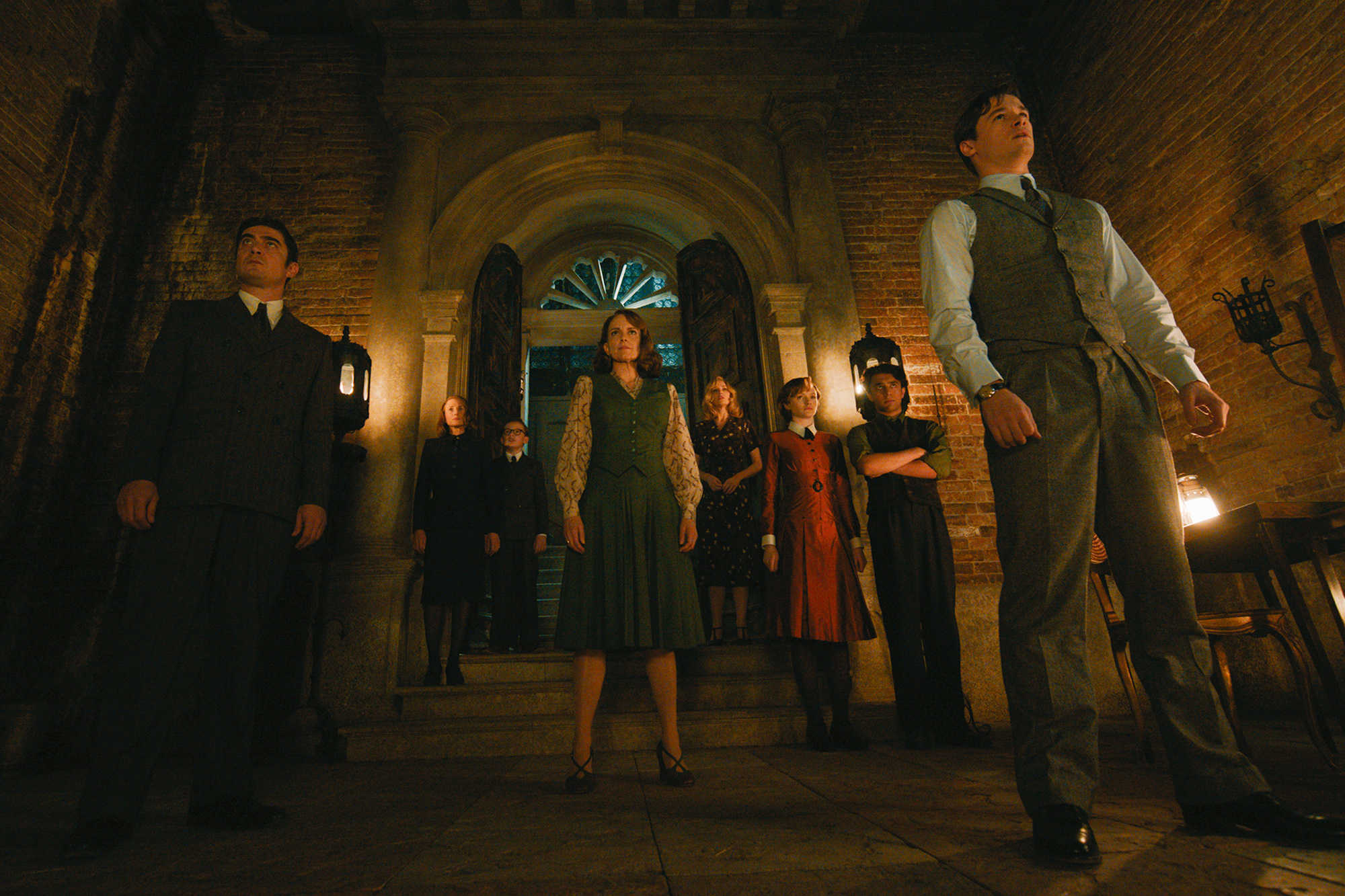
As flamboyant detective Hercule Poirot is drawn into a murder mystery of mediums, seances, and vengeful ghosts in A Haunting in Venice, the foundations of his hardened logic are confronted with chilling visions of the impossible, effectively imbuing Kenneth Branagh’s adaptation of Agatha Christie with a Gothic horror that complicates our search for rational truth.

Past Lives (2023)

The bittersweet romanticism of Past Lives flourishes in the sweet ambiguity between a Korean immigrant and her childhood sweetheart, weaving its metaphysical understanding of reincarnation through a triadic structure that intersects their paths every twelve years, and seeing the possibilities of their undefined love become infinite.

White Dog (1982)

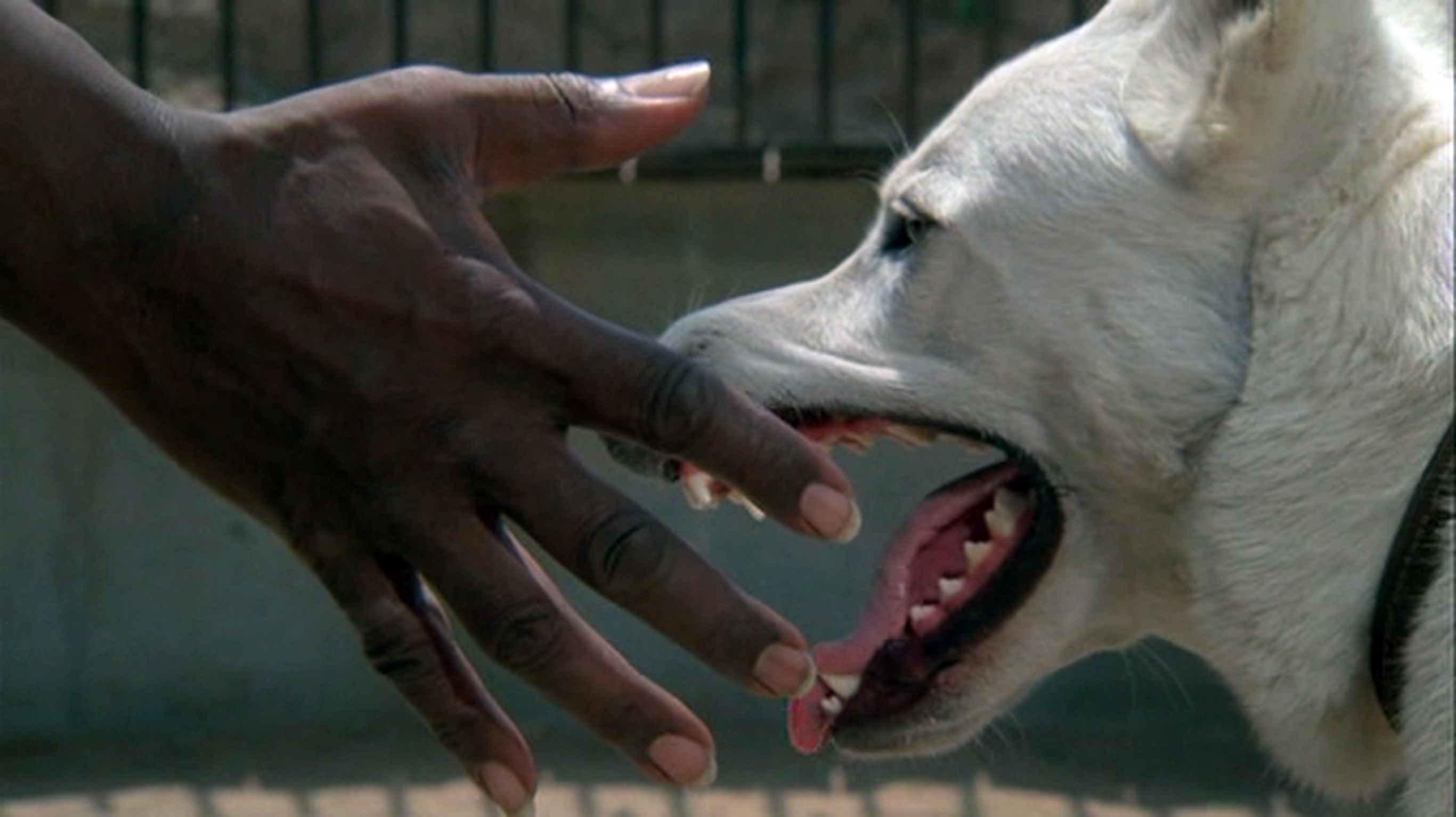
That Samuel Fuller deftly imbues White Dog’s allegory for racist indoctrination with all the tension of a pulpy horror film makes for an extraordinarily creative triumph, framing the titular animal as a two-sided monster as sweetly innocent as it is violently prejudiced, and thoughtfully questioning whether such deep-rooted conditioning can ever be separated from its instinctive nature.

BlackBerry (2023)

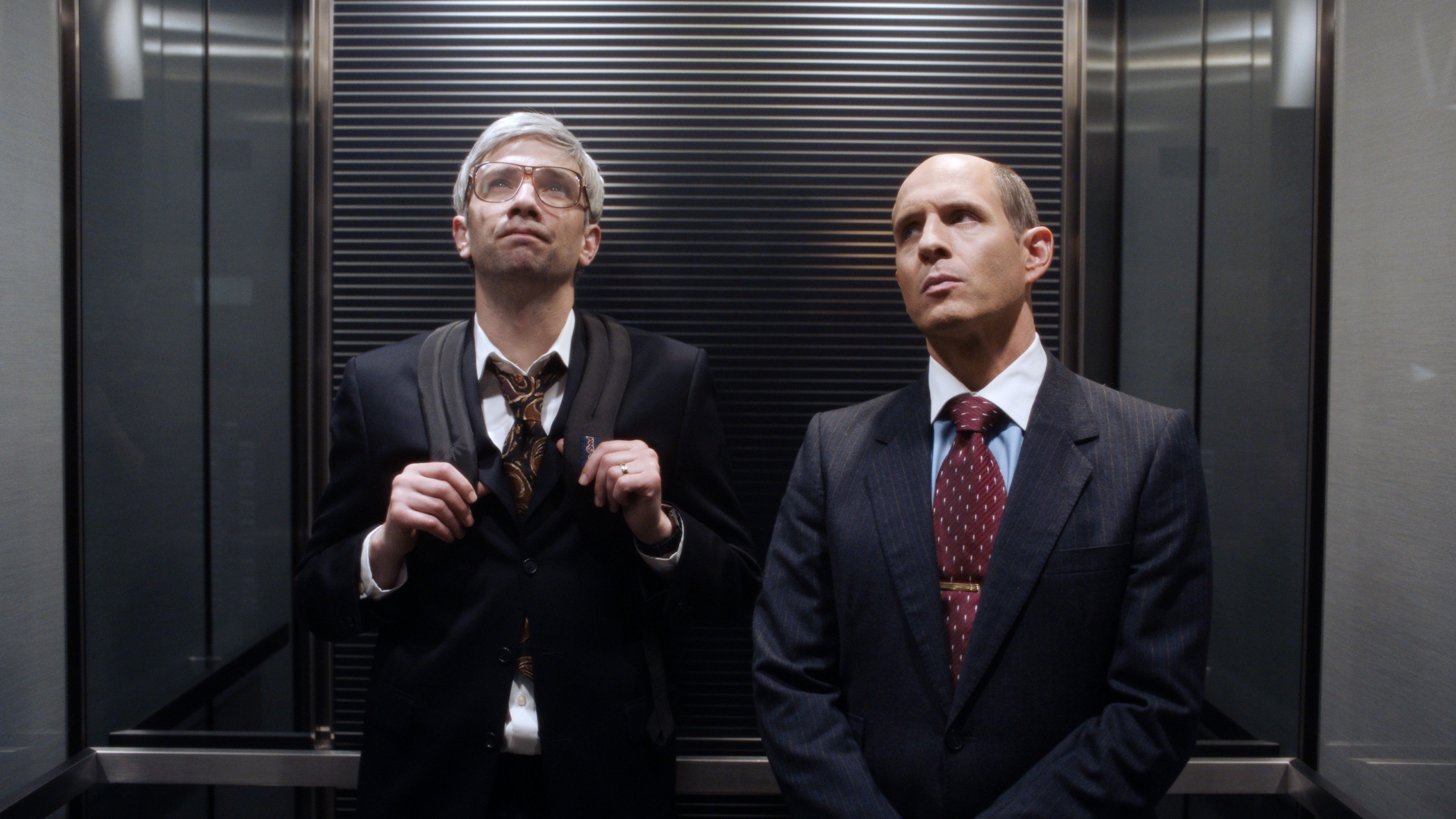
With much of Hollywood recently taking to the feel-good stories of successful entrepreneurs, the unlikely pairing of a naïve tech bro and cutthroat businessman in BlackBerry proves to be a satirically wry subversion of that formula, taking us behind the scenes of the most catastrophic business failure of the 21st century with a sharply cynical wit and natural spontaneity.

Yojimbo (1961)

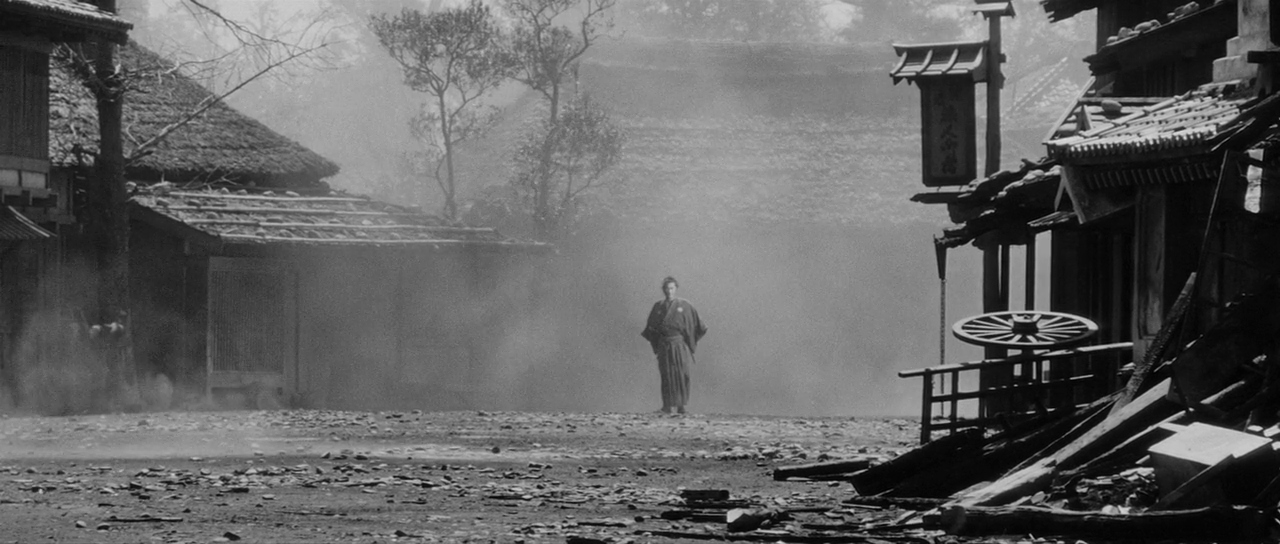
Akira Kurosawa builds a complex ensemble of characters in Yojimbo’s compelling narrative of rival crime lords and Shakespearean power struggles, though it is the mysterious samurai who wanders into their midst who commands the greatest power of them all, seemingly walking straight out of Japanese mythology to save the town held hostage by a violent feud.

The 39 Steps (1935)

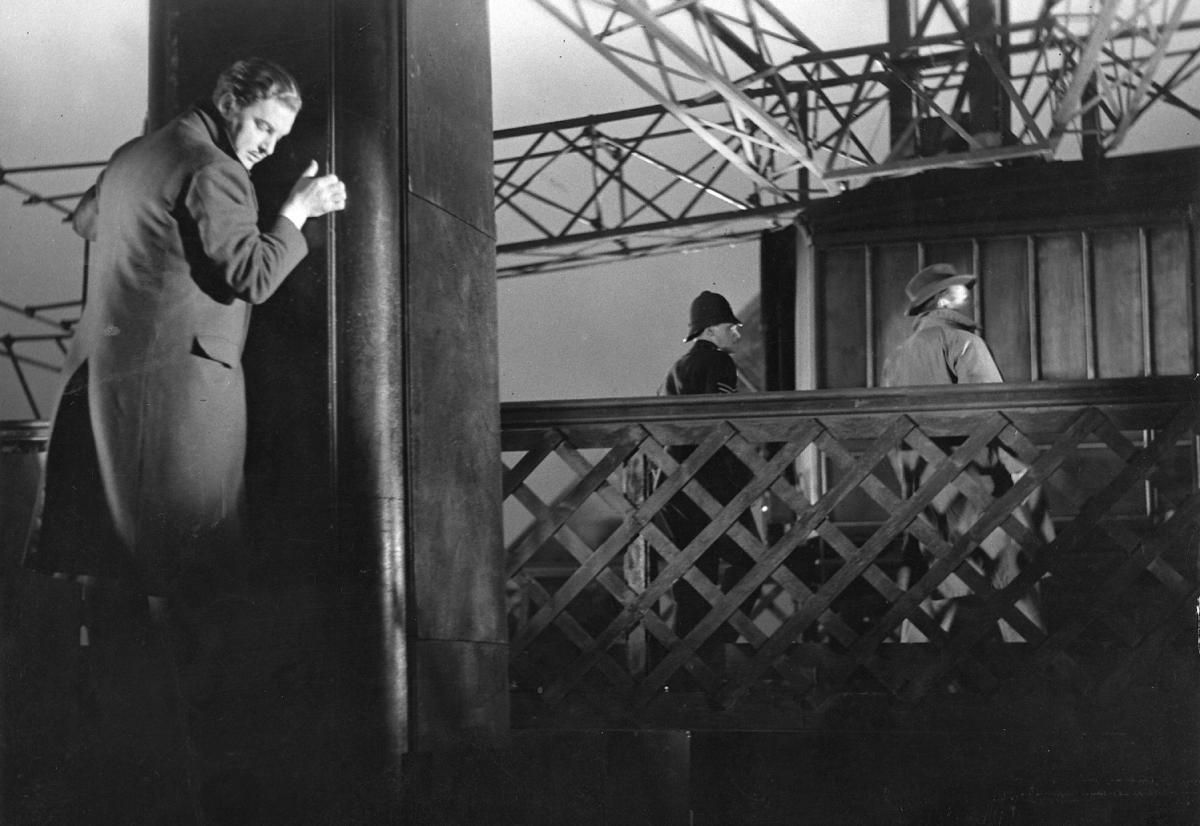
Despite its thrilling espionage plot and enormous stakes, The 39 Steps is far more fascinated in the sweet allure of danger that sends one man through Scottish moors, monuments, and to the heart of a deadly conspiracy, paralleling Alfred Hitchcock’s own growing psychological obsessions with corruption and pleasure throughout the 1930s.

Bringing Up Baby (1938)

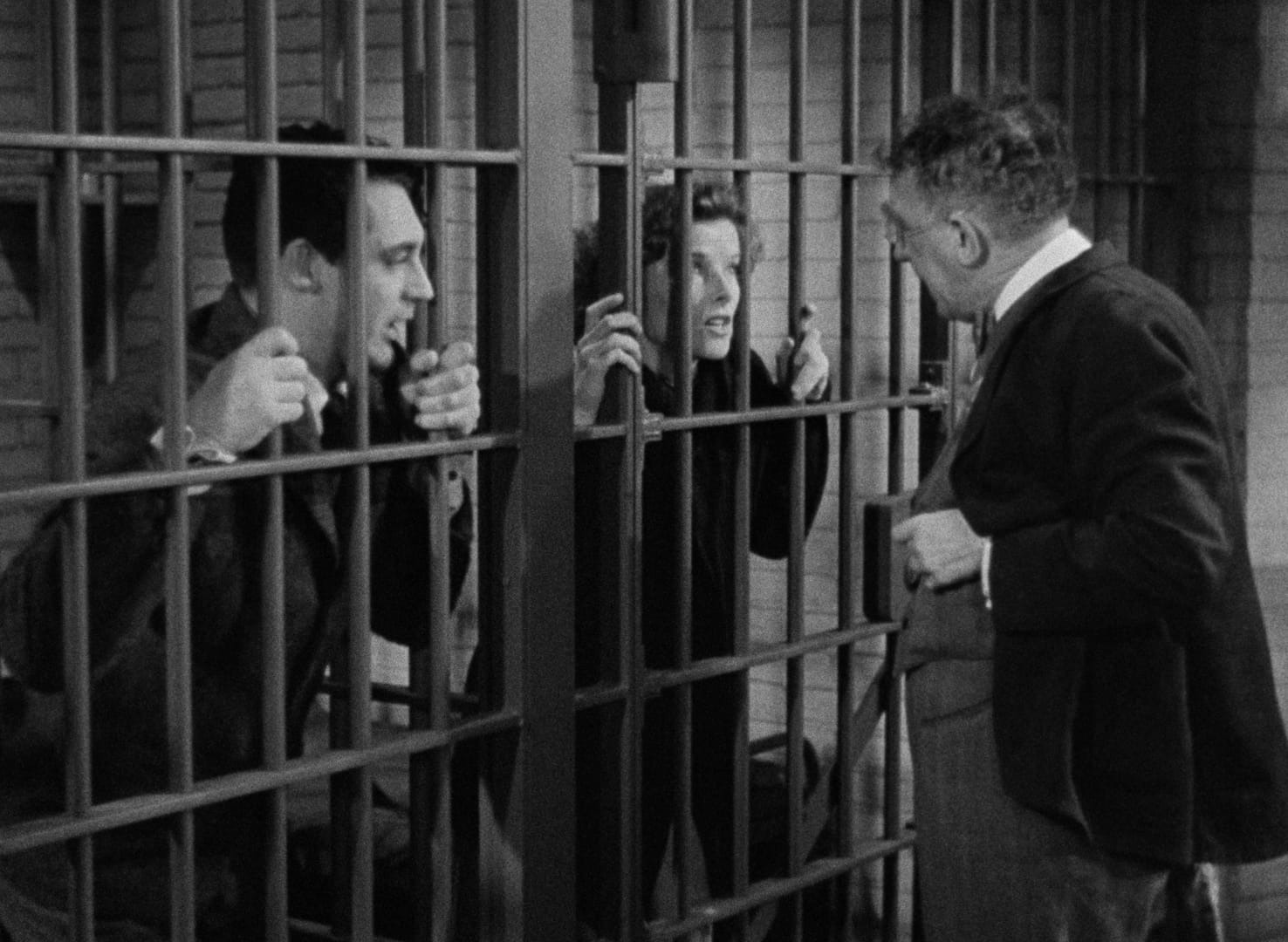
The eccentric, madcap energy of Bringing Up Baby isn’t atypical of 1930s screwball comedies, but Howard Hawks reaches near-perfection in his orchestration of sexual innuendos, animalistic subtext, and an amusingly tense dynamic between polar opposites finding an unlikely romance as reluctant caretakers of a leopard.

Scroll to Top