Film Review

The Sacrifice (1986)

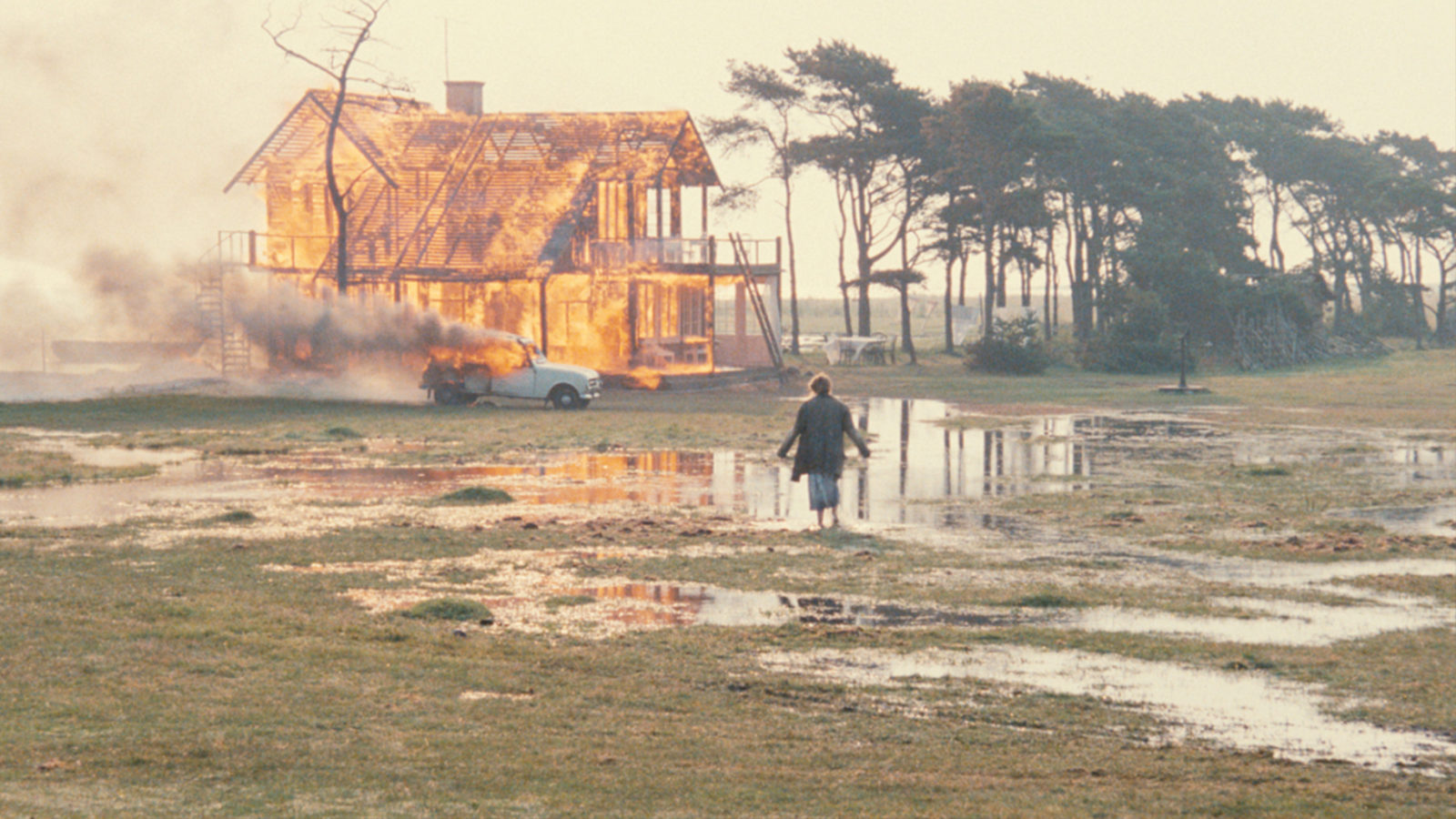
As if filtered through the prism of one man’s existential trepidation, Andrei Tarkovsky casts a delicate ethereality across the elemental textures and theological iconography of The Sacrifice, lulling us into the soothing despair of a looming nuclear holocaust that may or may not be averted through enormous spiritual offering.
The Player (1992)

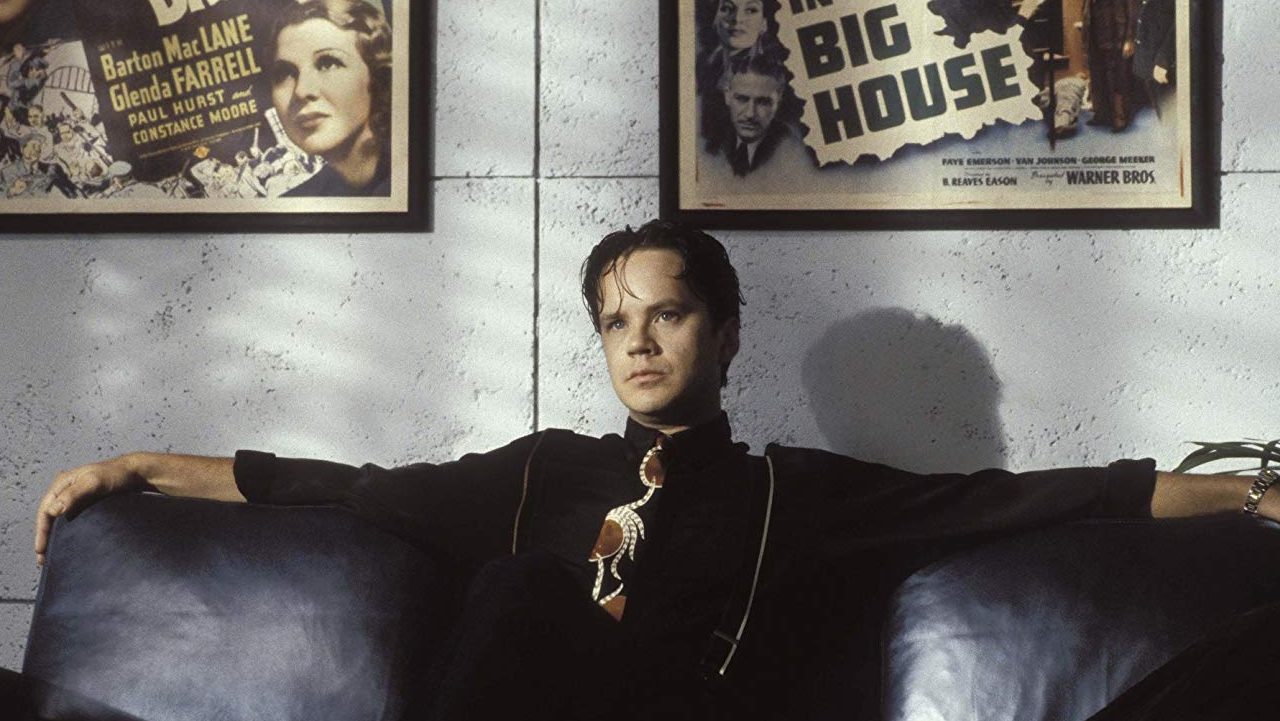
Through the satirical crime plot of a movie studio executive who accidentally kills a rejected writer, The Player offers a subversive metacommentary on a modern, commercialised Hollywood that places profits above art, as Robert Altman disturbingly exposes an insidiousness baked into its manufactured narrative conventions.

Boston Strangler (2023)

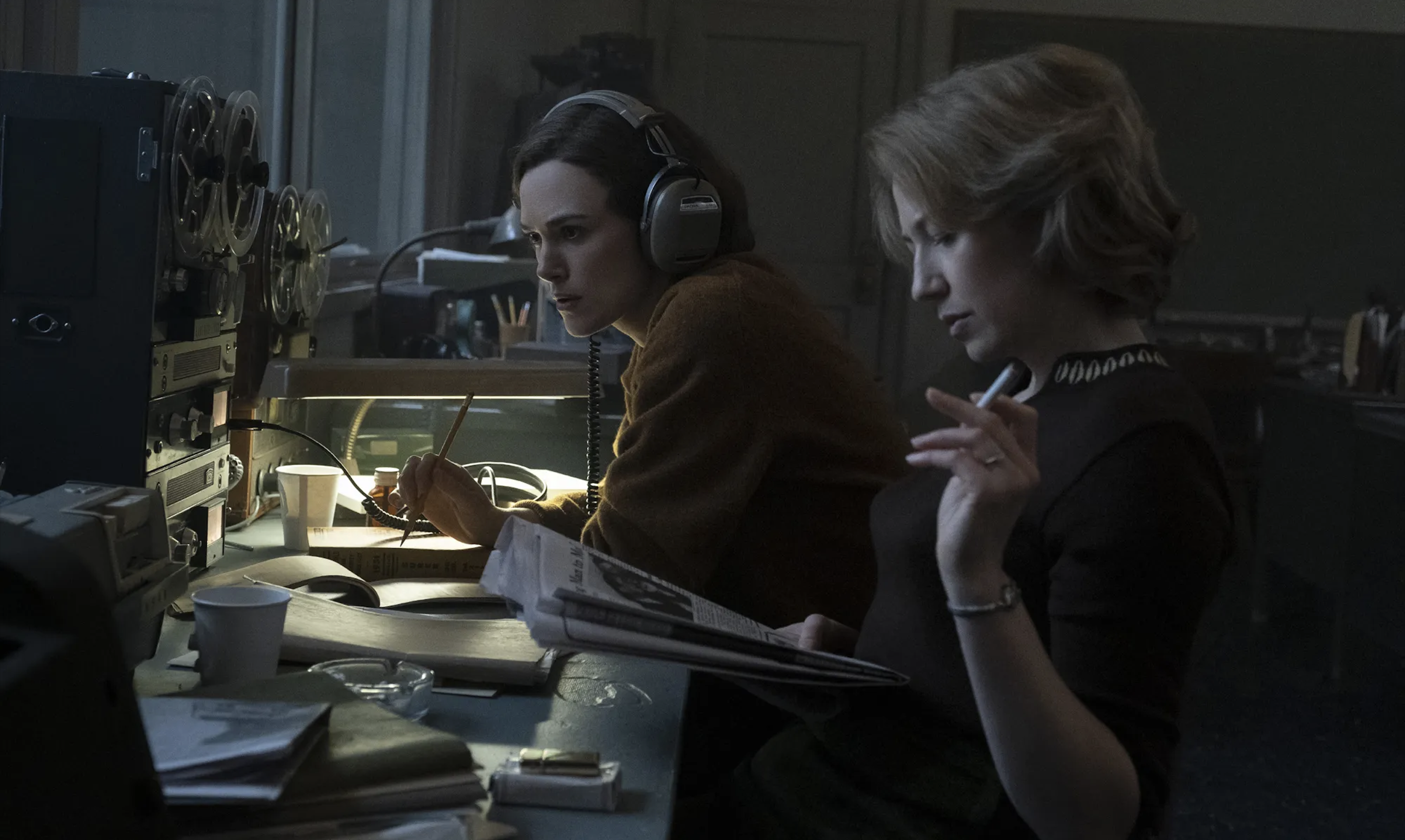
Even when we aren’t witnessing the Boston Strangler’s brutal murders in Matt Ruskin’s true crime procedural, we feel a palpable paranoia spreading across 1960s Massachusetts, posing a cutting criticism of those misogynistic institutions seeking to protect one half of society while the other lives in perpetual fear.

The Killer (2023)

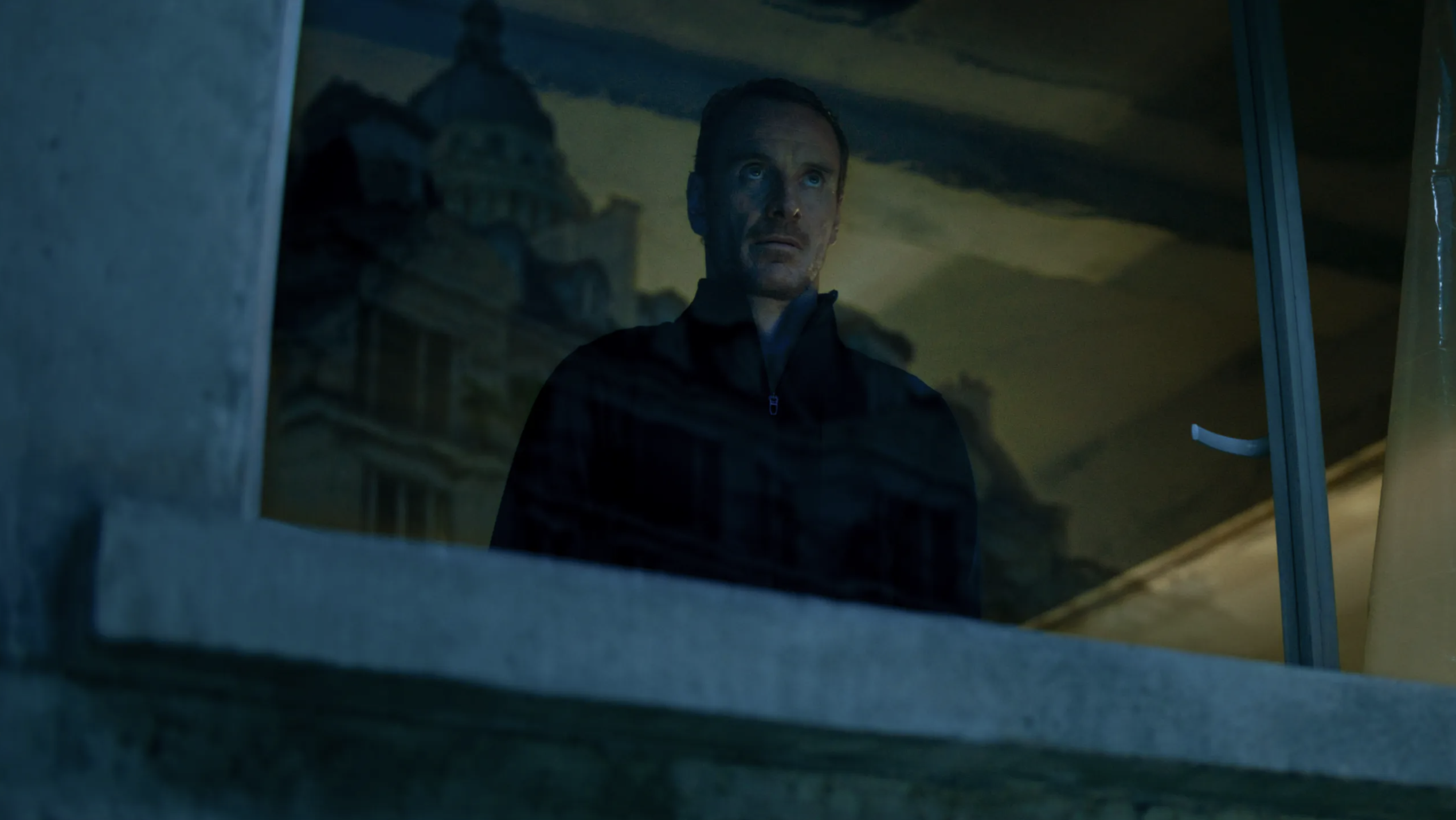
With such an emotionally distant sociopath at the centre of The Killer, it is no wonder why David Fincher was so drawn to its methodical screenplay and intensive study of perfectionism, meticulously following the procedures of a vengeful hitman through a treacherous, gloomy underworld that very gradually unravels his icy composure.

The Haunting (1963)

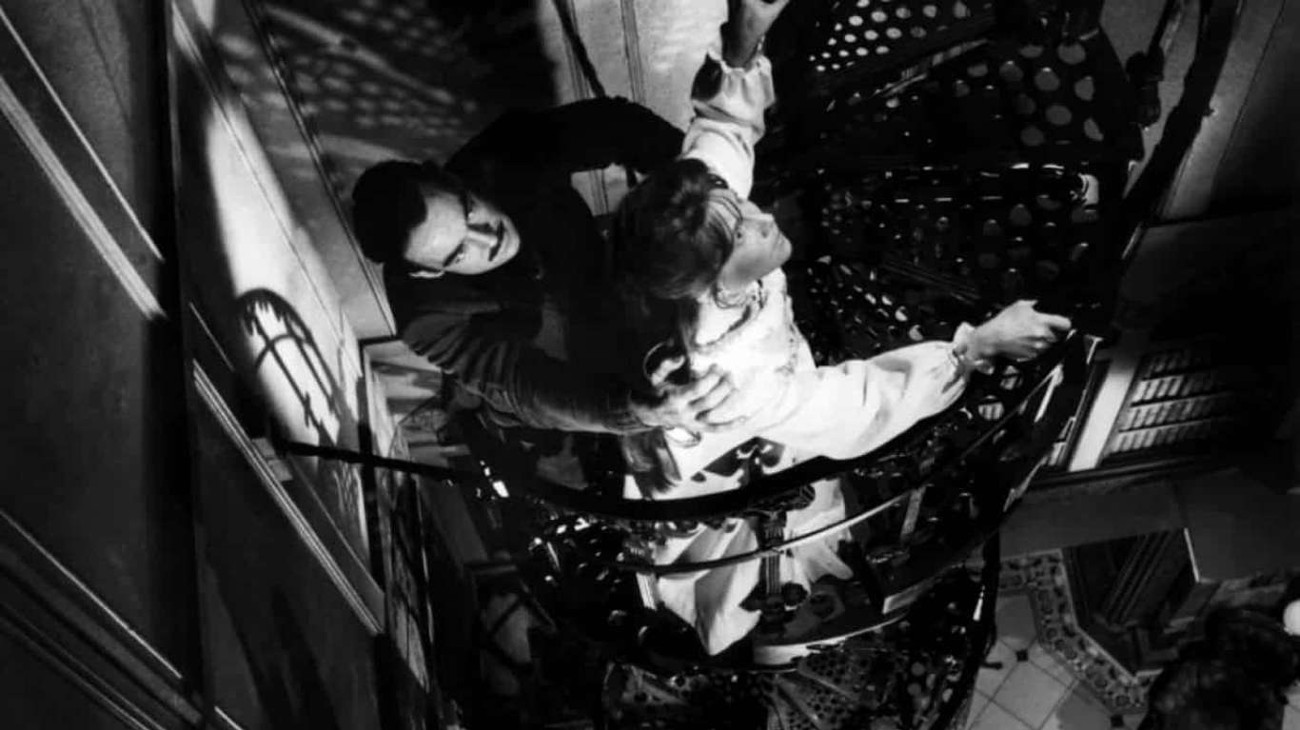
The only place willing to embrace those who have endured life’s deepest psychological pains in The Haunting is the cursed estate of Hill House, consuming its vulnerable visitors in Robert Wise’s expressionistic set pieces and writing out their chilling destinies in ghostly prophecies.

Ordet (1955)

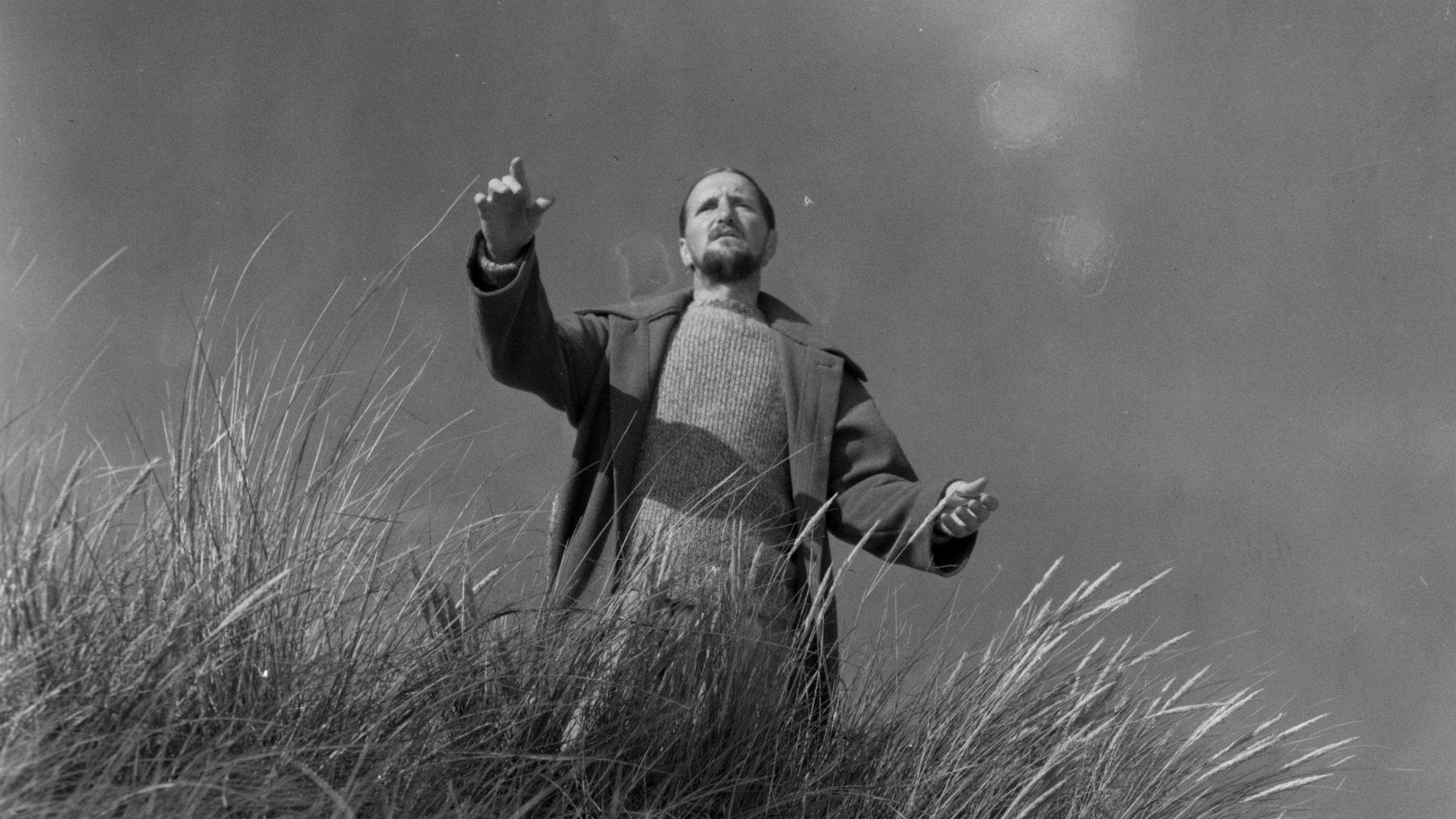
Ordet’s parable of dwindling spirituality is stark in its dogmatic minimalism, enveloping Christians and non-believers alike in rural landscapes of harrowing scarcity, and yet still there is hope in Carl Theodor Dreyer’s deliberations on divine miracles that espouse the indivisibility of life, faith, and the profound resurrection of both.

Killers of the Flower Moon (2023)

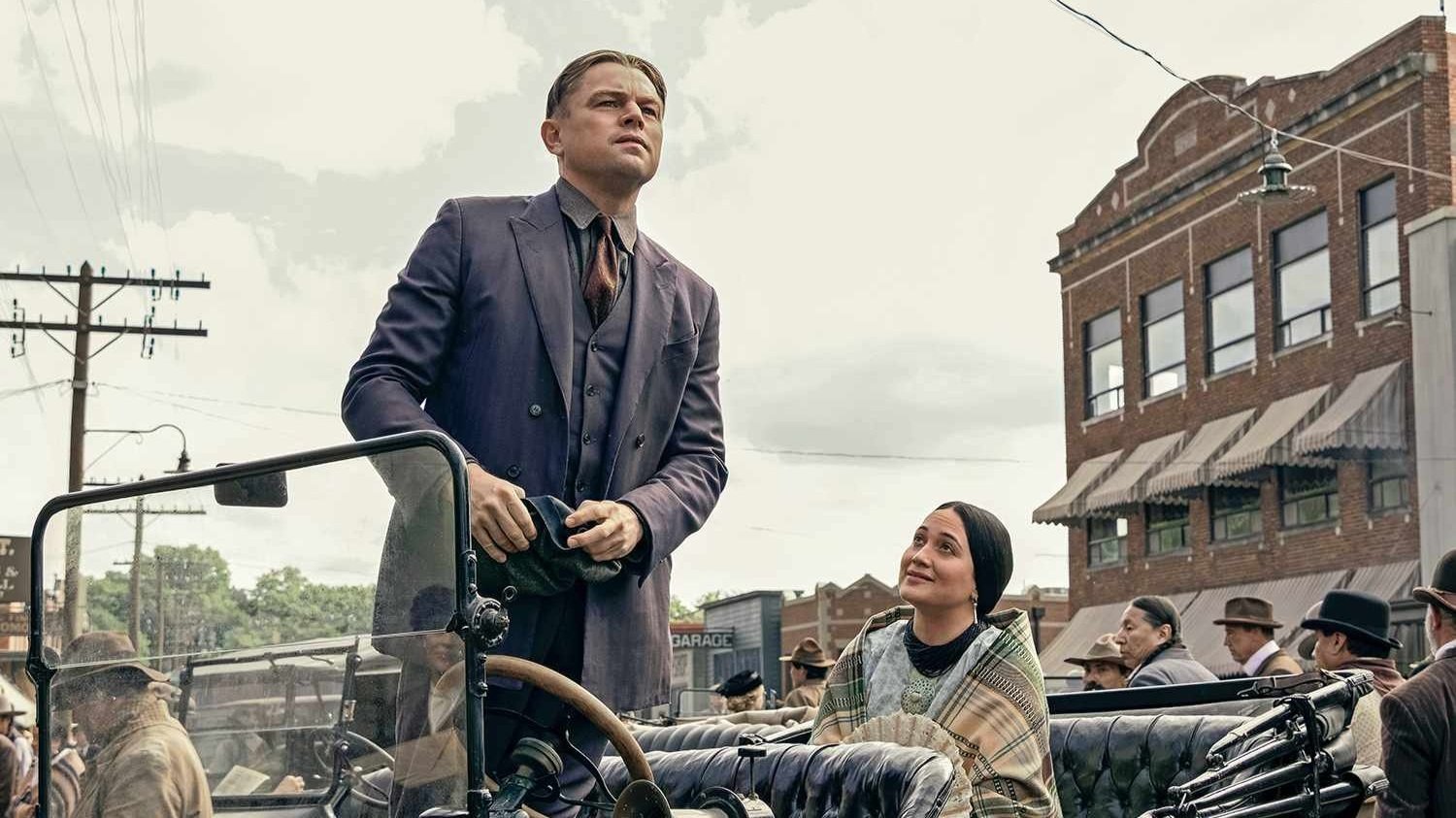
Just as Martin Scorsese seems to have had his final say on the crime genre, a spate of violent assassinations targeting the Osage people for their newfound wealth emerges in Killers of the Flower Moon, sprawling this colonial exploitation and genocide out across an epic narrative that elegiacally mourns one of America’s great historical injustices.

Dog Day Afternoon (1975)

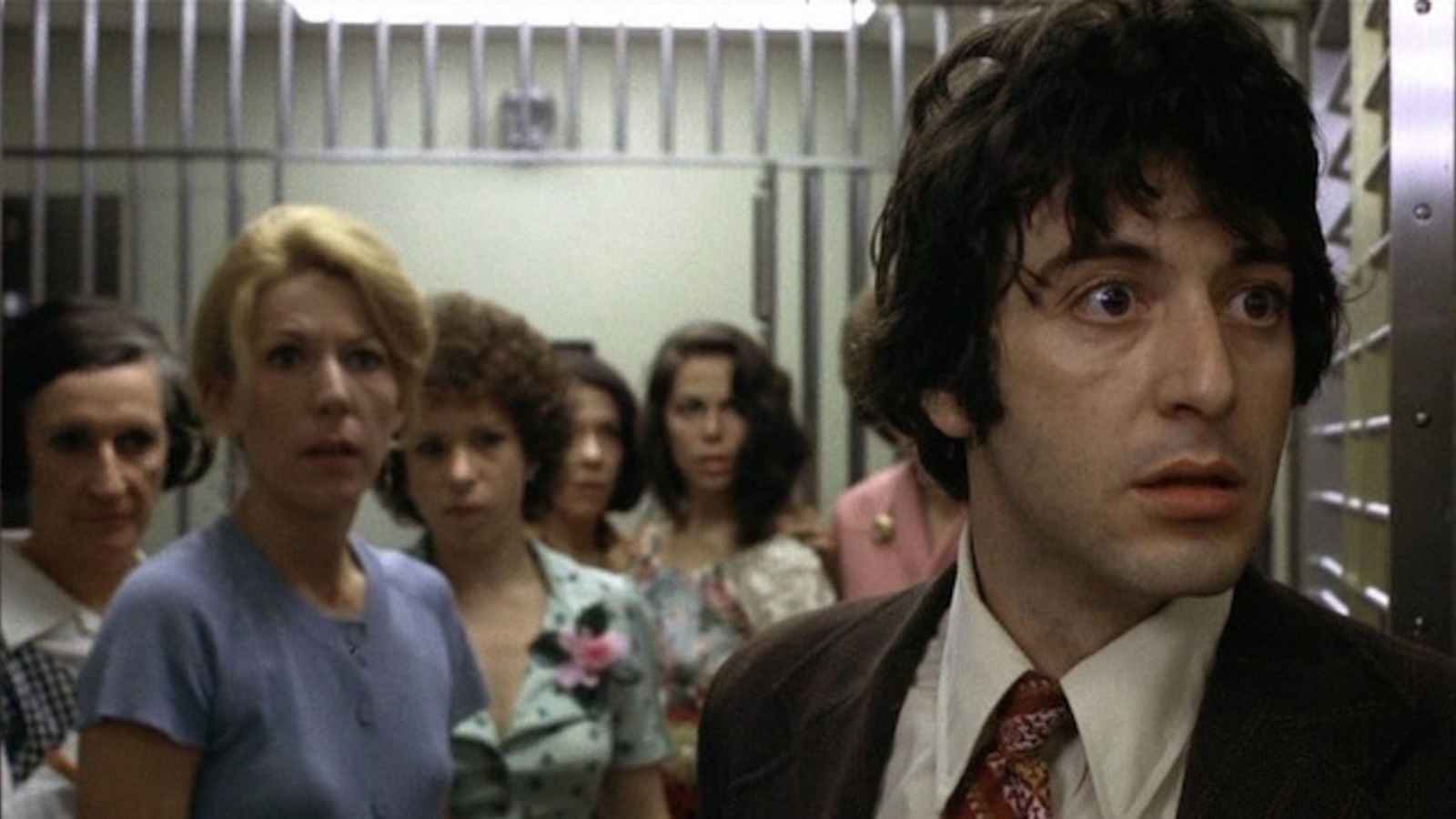
The complicated love story behind the bank robbery and police stand-off of Dog Day Afternoon was never going to survive the media sensationalism around it, though Sidney Lumet’s gripping crime narrative offers the two criminals at its centre great sensitivity in its nuanced characterisations, sympathetically studying the pressures and poor decisions that led them to this moment.

El Conde (2023)

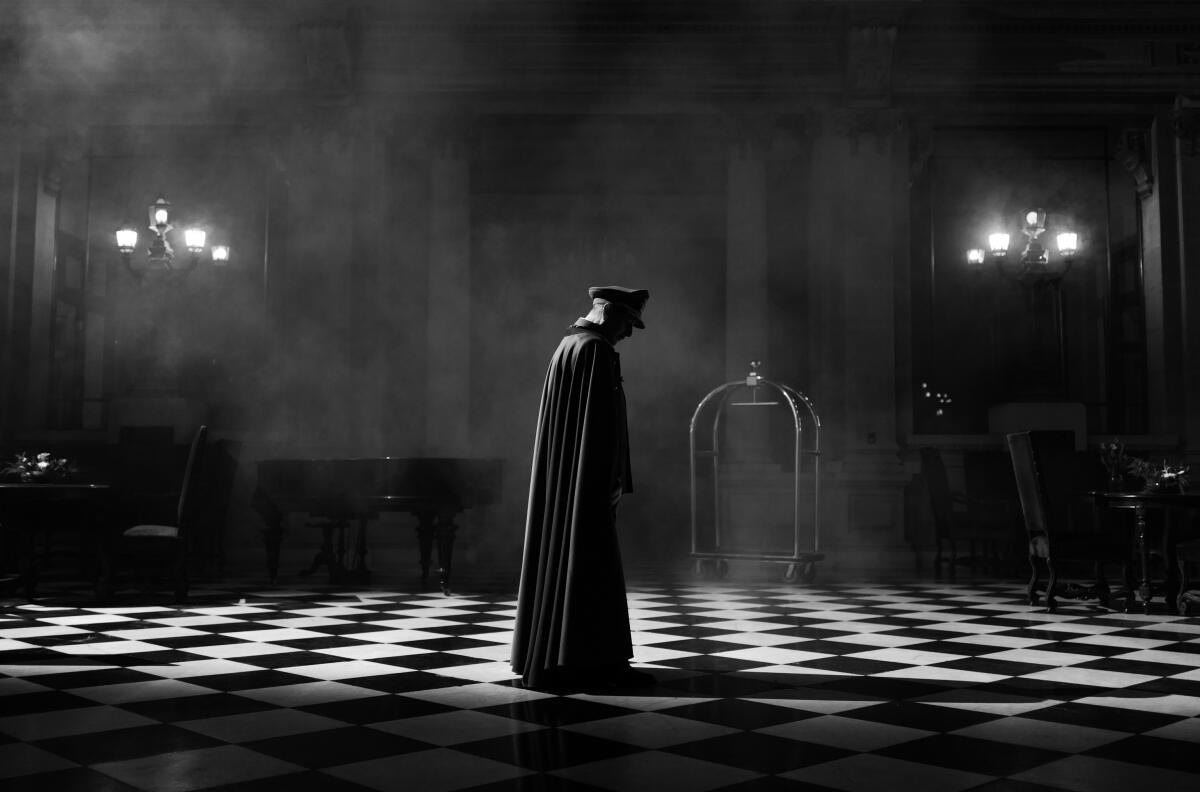
Pablo Larraín’s creative historical revisionism in El Conde transforms Chilean dictator Augusto Pinochet into a vampiric icon of fascism, continuing to feed on society’s most vulnerable in his old age while descendants, lovers, and organised religion seek to profit off his legacy, giving this monochrome political satire a viciously witty bite.

Mean Streets (1973)

Martin Scorsese’s Catholic guilt reverberates strongly through the theological symbolism of his breakthrough gangster film Mean Streets, seeking redemption for one low-level New York mafioso trapped in his own personal purgatory of secular modernity, while cutting him off from the spiritual roots of his faith.

Scroll to Top