
Film Review

The Boy and the Heron (2023)

If The Boy and the Heron truly is Hayao Miyazaki’s last film, then it is poetic that such a grand adventure into surreal fantasy and back again should be the one to conclude his decades of animated world building, contemplating the power of fiction to mould trauma into fiery strength and maturity.

Wings of Desire (1987)

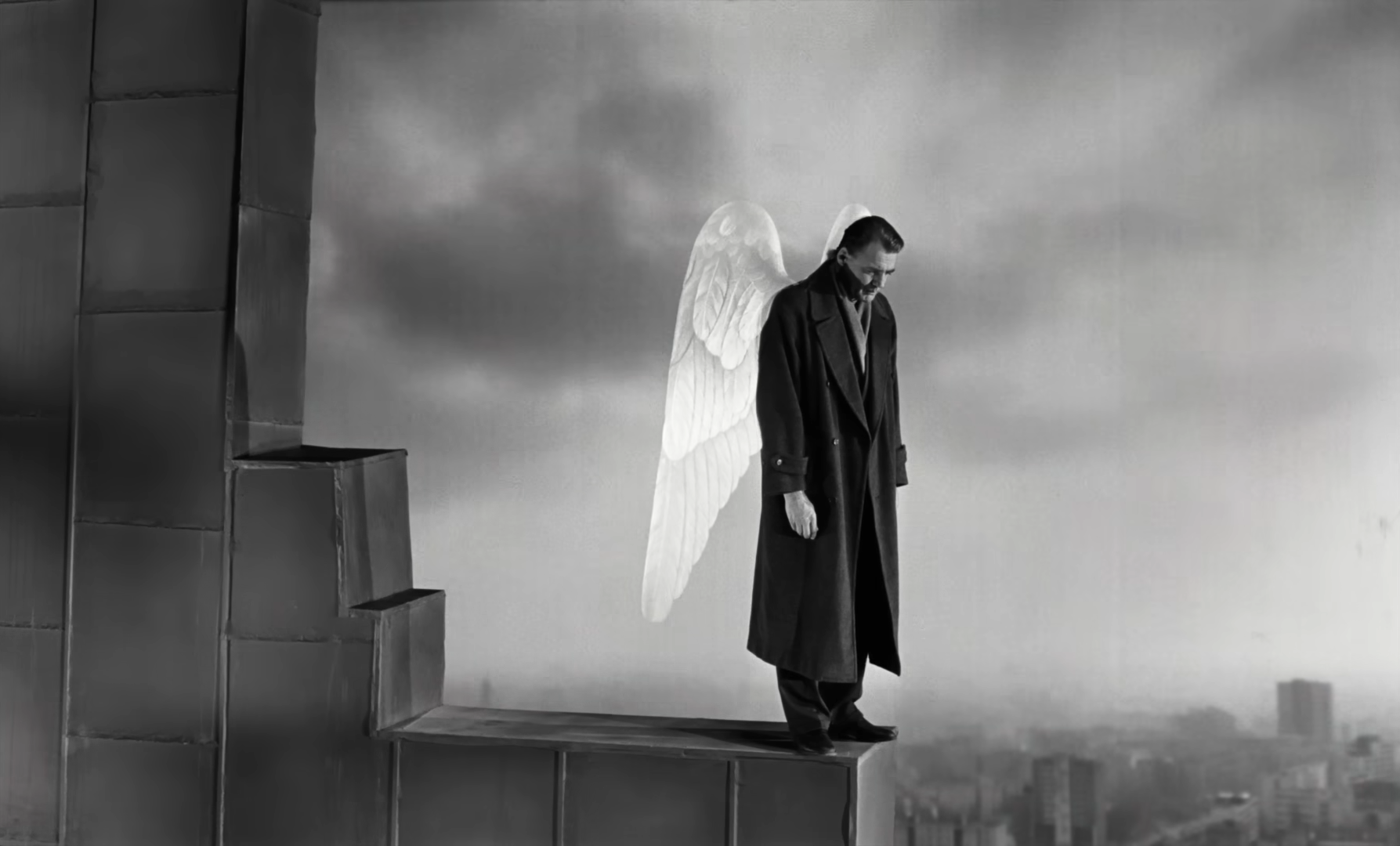
The god’s-eye view of humanity that Wim Wenders grants us in Wings of Desire flies high above 1980s West Berlin with watchful angels, and swoops down low to tune into the intimate thoughts of its citizens, crafting a dreamy city symphony that finds childlike wonder in its everyday pleasures and private sufferings.

Brief Encounter (1945)

Time is a precious resource at the train station where the secret lovers of Brief Encounter fall into a reverie, though David Lean exerts a fine control over its gentle flow in Laura’s nostalgic recollections, intertwining love and guilt within a complex affair that forces this heartbroken housewife into an even greater repression.

The Tenant (1976)

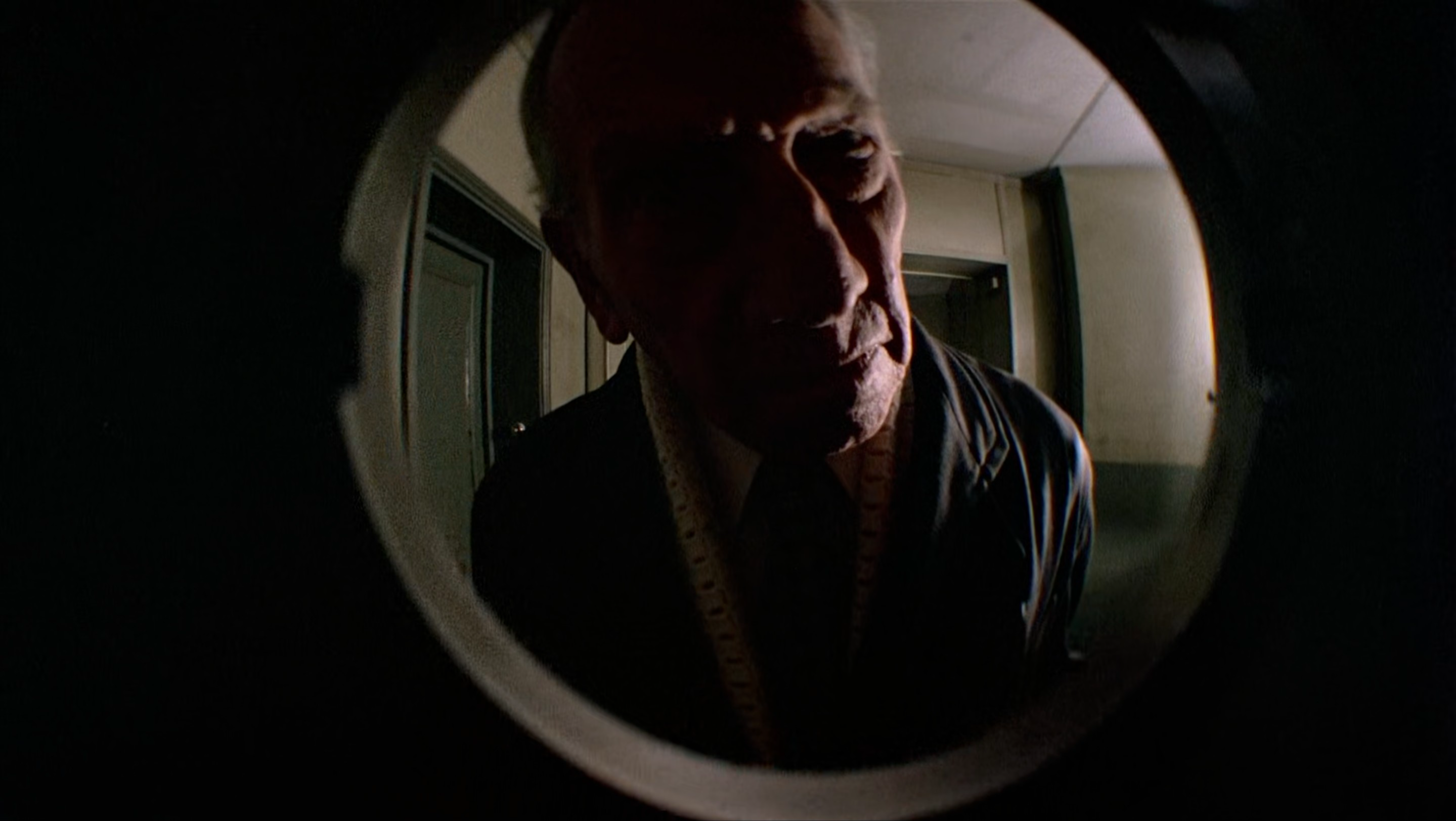
Even more disturbing than the realisation that Polish immigrant Trelkovsky is slowly transforming into the previous occupant of his apartment in The Tenant is the creeping feeling that his neighbours may be responsible, as Roman Polanski leads us down an absurd, psychosexual study of the alienation and guilt felt by outsiders in an inhospitable modern world.

The Lord of the Rings (2001-03)

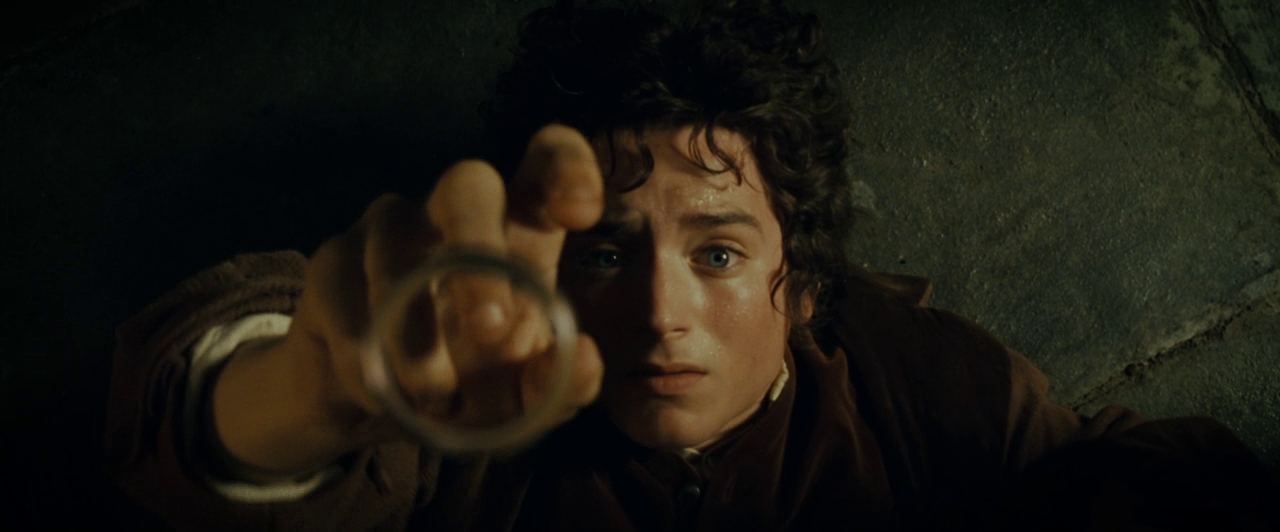
Through Peter Jackson’s extraordinary adaptation of J.R.R. Tolkien’s grand fantasy epic, we appreciate Middle Earth as one of the richest fictional worlds of literary history, imbuing The Lord of the Rings with a breathtaking cinematic awe that centres the smallest, unconventional heroes in a battle against forces of great spiritual corruption.

Bottoms (2023)

There is little in Bottoms that breaks the formula of the classic high school teen comedy, though it is in this familiar realm that Emma Seligman is most comfortable sending up its Gen Z archetypes with their trademark self-deprecating irony and dark humour, taking us inside an extracurricular all-girls fight club started by two lesbians simply hoping to get laid.

Mirror (1975)

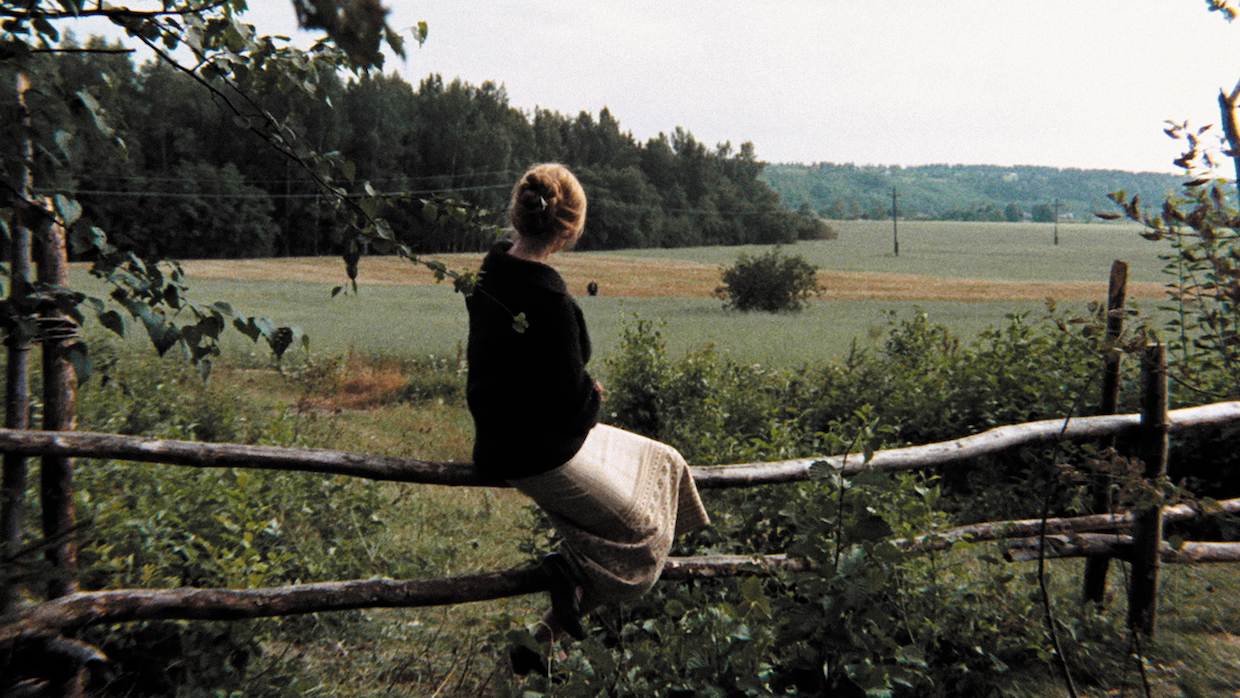
Even as the mysteries of the human mind elude us throughout Mirror, Andrei Tarkovsky’s precise control over the raw elements of time and life itself poetically sink us into its surreal depths, opening a portal into nostalgic childhood memories distorted by the dreams, doubts, and desires that have emerged in the decades since.

Napoleon (2023)

Beyond Napoleon’s uneven, unfocused narrative, Ridley Scott commands brilliant spectacle and irreverent humour in his portrait of the infamous French emperor, cynically revealing the childish fool in the intelligent tactician whose enormous ambitions cannot sustain his own ego.

Saltburn (2023)

With an obscure set of animalistic metaphors and perverse power plays, Emerald Fennell weaves a monstrously sinister fable around lower-class outsider Oliver Quick and his wealthy hosts in Saltburn, painting a darkly satirical portrait of class tension, obsession, and exploitation at their majestic country estate.

Funny Games (1997)

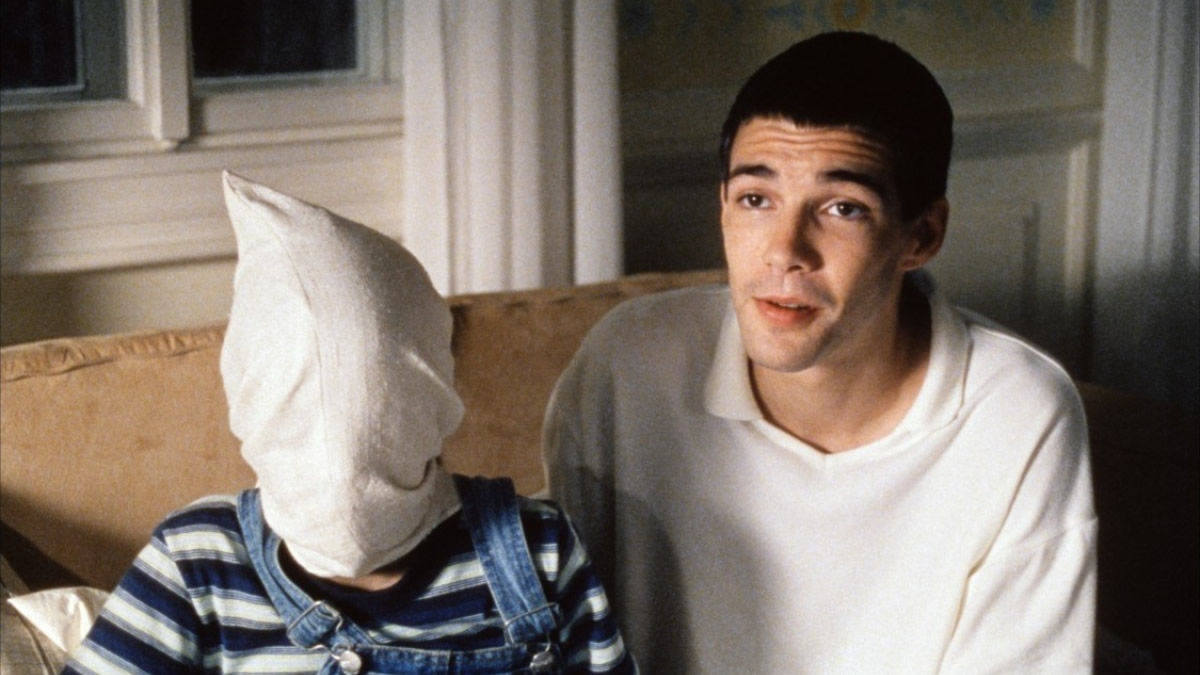
There is a perverse ritualism to the torture that two young strangers exact on one helpless family in Funny Games, and yet in Michael Haneke’s disturbing piece of horror metafiction they are simply the storytellers serving the gratuitous tastes of us, their audience, who guiltily respond to their sadistic manipulation of narrative conventions with fear, shock, and awe.

Scroll to Top