
Film Review

Teorema (1968)

The ease with which one mysterious Visitor falls into the life of a bourgeoisie family in Teorema is surprisingly intimate, but his spiritual and sexual influence is also a catalyst for seismic shifts in their superficial lives, as Pier Paolo Pasolini strips away the material distractions of class, capitalism, and religion to expose the emptiness within each.


The Iron Claw (2023)

As countless heartbreaking tragedies are visited upon the Von Erich dynasty of wrestlers, Sean Durkin reveals the true nature of The Iron Claw – not as a conventional sports biopic, but a psychological drama keenly interested in destiny, chance, and the rumoured family curse that haunts its descendants.

Nyad (2023)

With Nyad’s basis in the true story of one 64-year-old woman’s marathon swimming achievement, this underdog tale is a natural leap into narrative filmmaking for documentarians Jimmy Chin and Elizabeth Chai Vasarhelyi, proving that destiny is little more than a matter of persistence and patience for those pushing their bodies to exhausting physical limits.

Rumble Fish (1983)

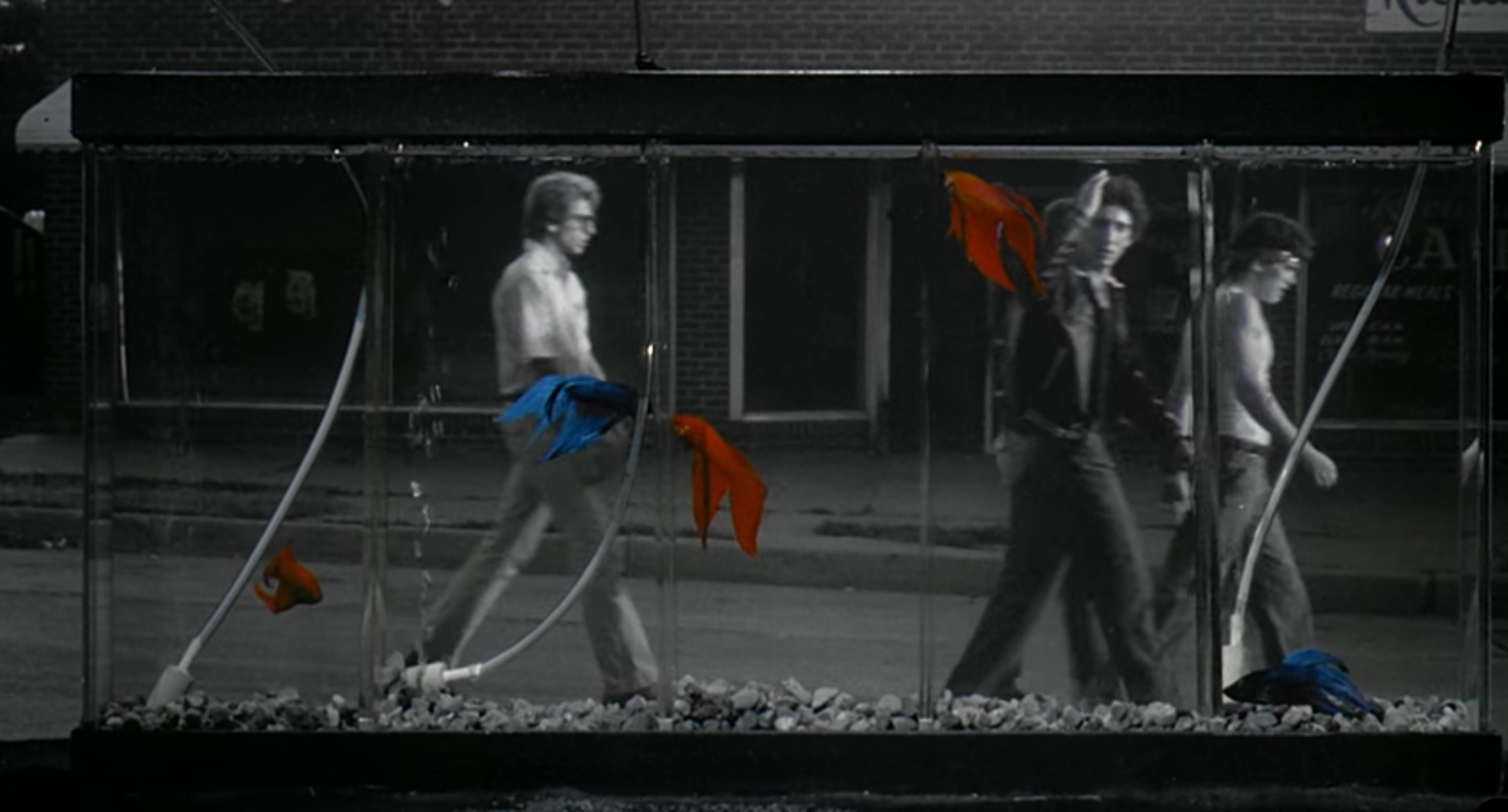
Whatever optical restrictions are imposed by the legendary Motorcycle Boy’s colour blindness In Rumble Fish are drastically offset by the dreamy expressionism elongating every angle of Francis Ford Coppola’s visuals, offering a refreshingly eccentric perspective of 1960s gang warfare, urban Oklahoma, and its restless adolescents seeking to break free of their social confines.

Ferrari (2023)

For all Ferrari’s narrative unevenness, the god of car racing and conquest at the centre of Michael Mann’s modern mythologising makes for a compellingly thorny subject, leaving behind a trail of bodies in his blood-stained ascent to cultural immortality, while hiding his pride, shame, and sorrow behind tinted sunglasses.

Dream Scenario (2023)

The nature of celebrity is a fickle thing for the insecure, unremarkable Paul Matthews in Dream Scenario, as unpredictable as those strangers’ dreams across the world that star him as the main character, forming a darkly comic allegory for fame’s nightmarishly dangerous sting.

Poor Things (2023)

Born into the body of her deceased mother and setting off on a coming-of-age odyssey across the ocean, Bella Baxter’s existence is a wondrous paradox of surreal impossibilities in Poor Things, forming the centrepiece of Yorgos Lanthimos’ eccentric black comedy that draws an immense appreciation of life from its wickedly offbeat satire.

Y Tu Mamá También (2001)

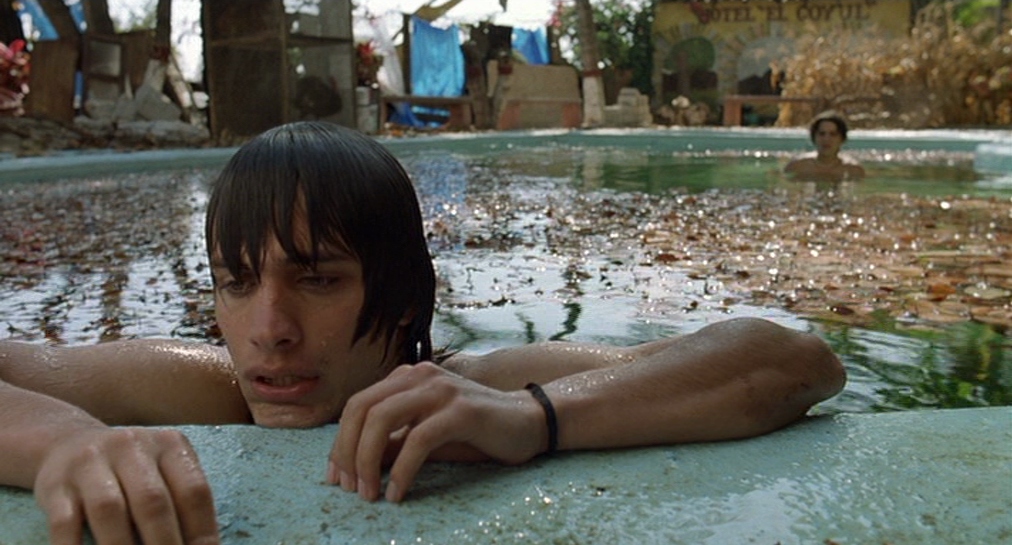
We glimpse many stories of modern Mexico in the periphery of Y Tu Mamá También, but Alfonso Cuarón’s modest coming-of-age drama proves to be just as integral to its national identity as any of those brief diversions, weaving a textured landscape of poverty, celebration, and sex from a road trip between two young men seeking a hedonistic escape with the woman they mutually love.

The Ballad of Narayama (1958)

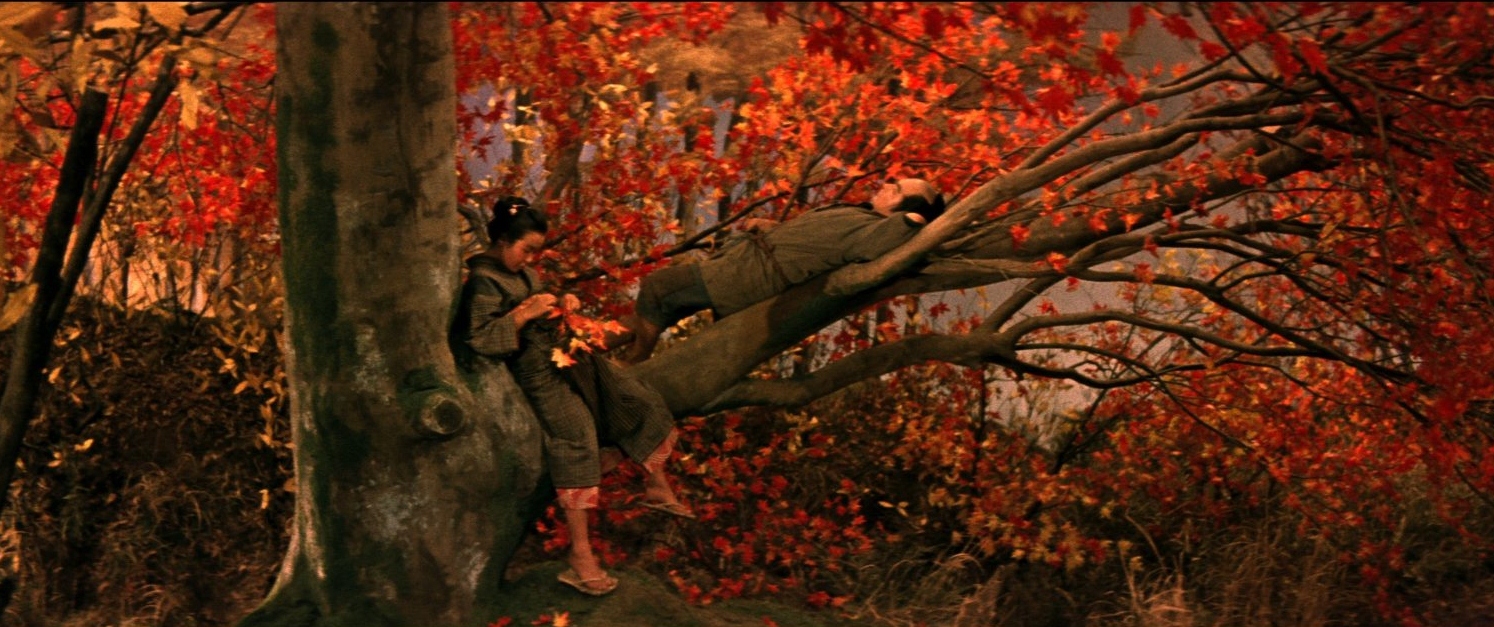
There might not be any historical record that the cultural traditions in The Ballad of Narayama existed anywhere outside of Japanese folklore, and yet it is exactly in that heightened, mythical realm where Keisuke Kinoshita’s film dwells, intertwining kabuki theatre, musical storytelling, and vibrant cinematic innovations within a distant dream of forgotten legends.

Wonka (2023)

For what is essentially a prequel covering the origins of Roald Dahl’s famous candy man, the stakes are comically high in Wonka, tying Paul King’s eccentric wit, gentle slapstick, and charming sincerity into a tidy bow around a whimsical world where chocolate rules.

Scroll to Top