
Film Review

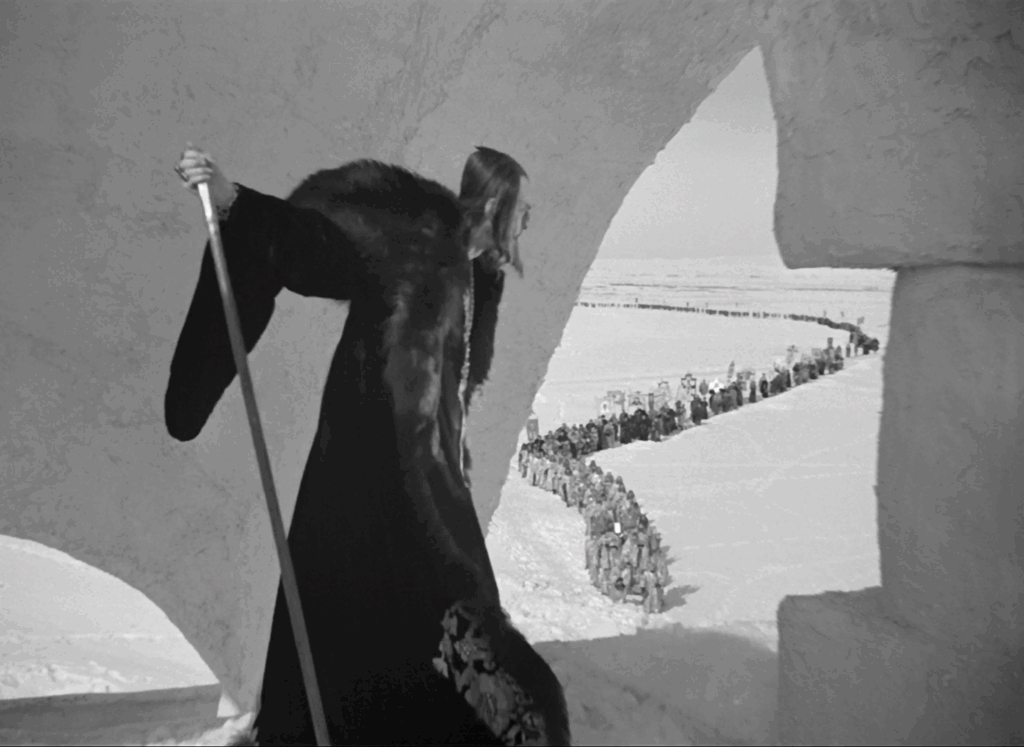
Ivan the Terrible (1944-46)

It is a little ironic that Joseph Stalin should see so much of him himself in the first Tsar of Russia, yet Sergei Eisenstein nevertheless takes the metaphor as a creative challenge in Ivan the Terrible, painting a vision of oppressive tyranny in bold, inflammatory strokes that stands true across centuries.

Two English Girls (1971)

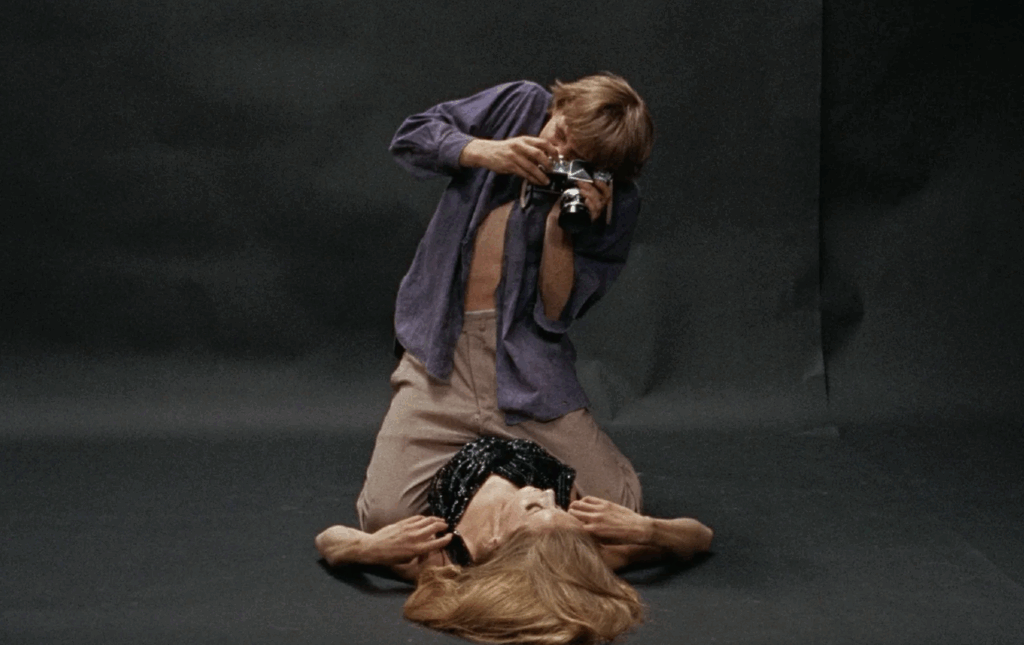
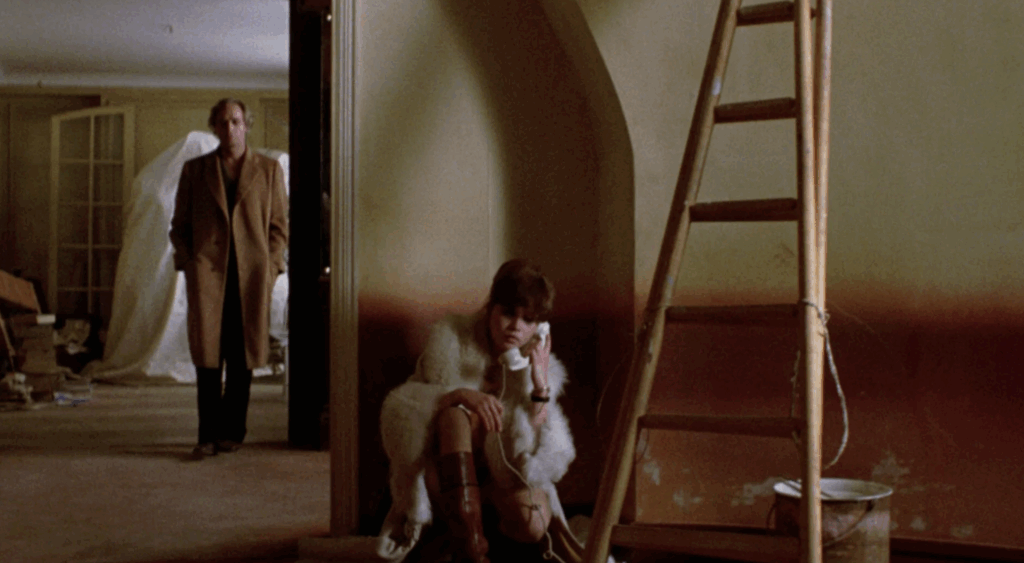
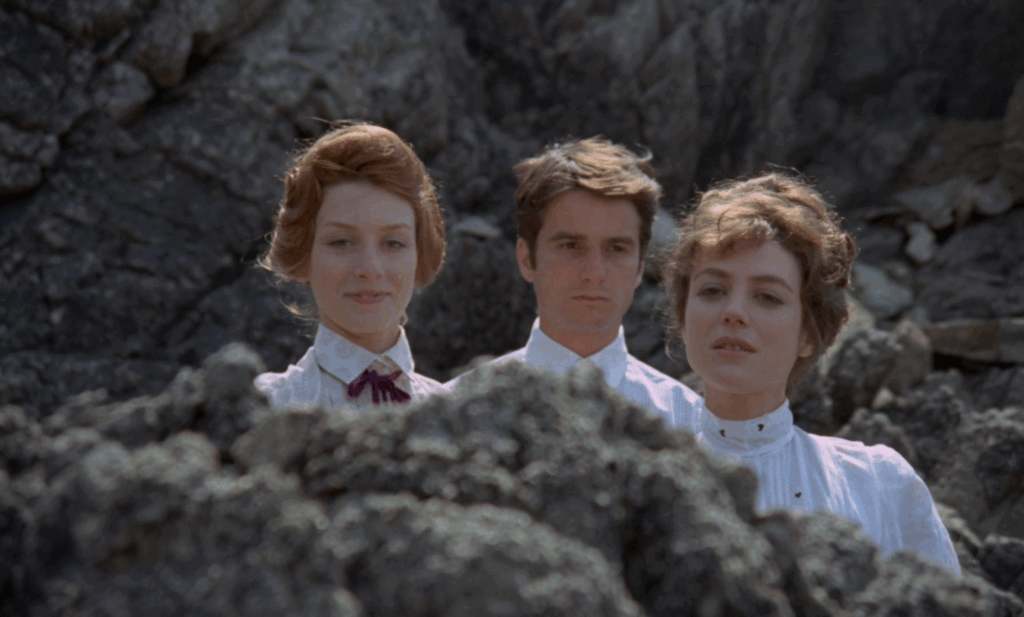
By casting himself as the omniscient narrator of Two English Girls, François Truffaut imbues the love triangle between one aspiring Parisian writer and the two sisters he deeply loves with a tender, literary quality, playfully savouring every romantic and sexual encounter over nine years of their young lives.

Disclaimer (2024)

Between a vengeful misanthrope and the guilt-ridden woman he holds accountable for his son’s death, Alfonso Cuarón studies the confounding subjectivity of storytelling in Disclaimer, exposing painfully conflicting perspectives woven into the very structure of his series.

Rebel Ridge (2024)

Patience, discernment, and cunning are virtues embodied in veteran Terry’s violent pursuit of justice in Rebel Ridge, and as he fights to save his imprisoned cousin and expose a corrupt police force, so too are they superbly carried through in Jeremy Saulnier’s tense, brooding storytelling.

Alexander Nevsky (1938)

Alexander Nevsky may not possess the formal innovation of Sergei Eisenstein’s avant-garde silent films, yet this venture into sound cinema unfolds a historic clash of medieval armies with incredible finesse, celebrating a Russian folk hero whose tale resonates across eras and cultures.

Jean de Florette & Manon of the Spring (1986)

Claude Berri does not set his Shakespearean tragedy of greed, scorn, and betrayal within historical halls of power, but underscores its meekness through the sun-dappled farms of 1910s France, witnessing the fateful, divine devastation wreaked upon two feuding families in Jean de Florette and Manon of the Spring due to a pair of blocked springs.

Earth (1930)

The symbiosis between man, machine, and nature is a delicate dance in Earth, choreographed with seamless synchronicity through Oleksandr Dovzhenko’s lyrical montage editing, and celebrating the collectivist return of farming land back to the workers in the Soviet Union’s early days.

Joker: Folie à Deux (2024)

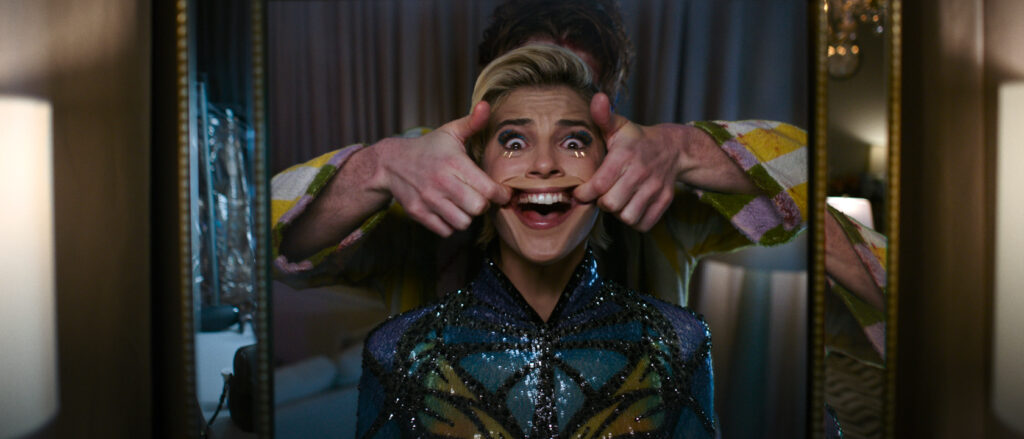
If there was ever a supervillain to leap into the movie-musical genre, then it is surely the one whose schtick is highlighting life’s senseless absurdity through colourful, extravagant theatrics, and not even the inconsistencies that plague Todd Phillips’ direction of Joker: Folie à Deux can completely detract from such vibrantly unhinged madness.

October: Ten Days That Shook the World (1928)

Rarely has history been instilled with as much lively effervescence as it is in October: Ten Days That Shook the World, as Sergei Eisenstein immortalises that jolt of radical exhilaration once felt in the Russian Revolution through the eloquent arrangement of visual symbols, using statues, weapons, and religious icons to recount this tale of Bolshevik victory.

For a Few Dollars More (1965)

It is virtually impossible to separate Sergio Leone’s majestic cinematic style, mythic storytelling, and morally ambiguous characters in For a Few Dollars More, as each tightly intertwine the paths of two gunslingers competing for a bounty, yet choosing to wield their own darkness against far more rotten evils.

Scroll to Top