Director

Fellini Satyricon (1969)

Through its surreal blend of modern art and classical antiquity, Fellini Satyricon becomes a direct embodiment of our most maddening psychological conflicts, leading an absurd odyssey through the decadent parties, brothels, and temples of Ancient Rome as it stands on the brink of social collapse.
Juliet of the Spirits (1965)

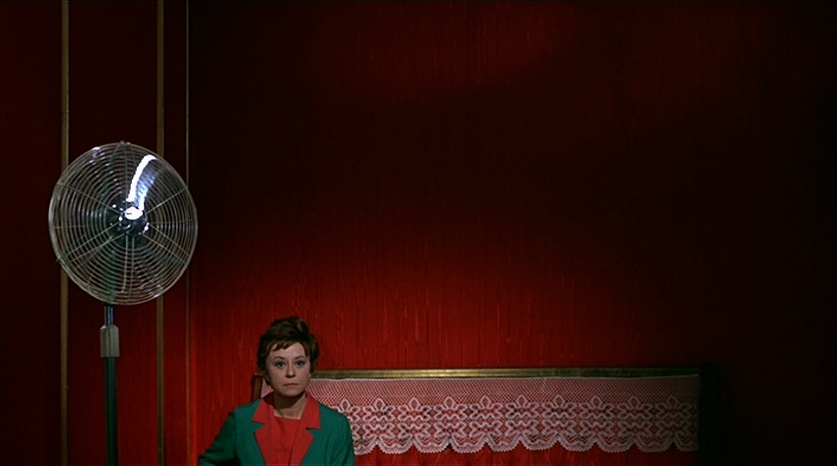
One upper-class housewife’s discovery of her husband’s affair in Juliet of the Spirits may incite a surreal reckoning with religion, sexuality, and womanhood, though the insecurities that these kaleidoscopic dreams surface have evidently haunted her since childhood, as Federico Fellini holds up a feminine mirror to 8 ½ that seeks to understand the other side of his ailing marriage.

8 1/2 (1963)

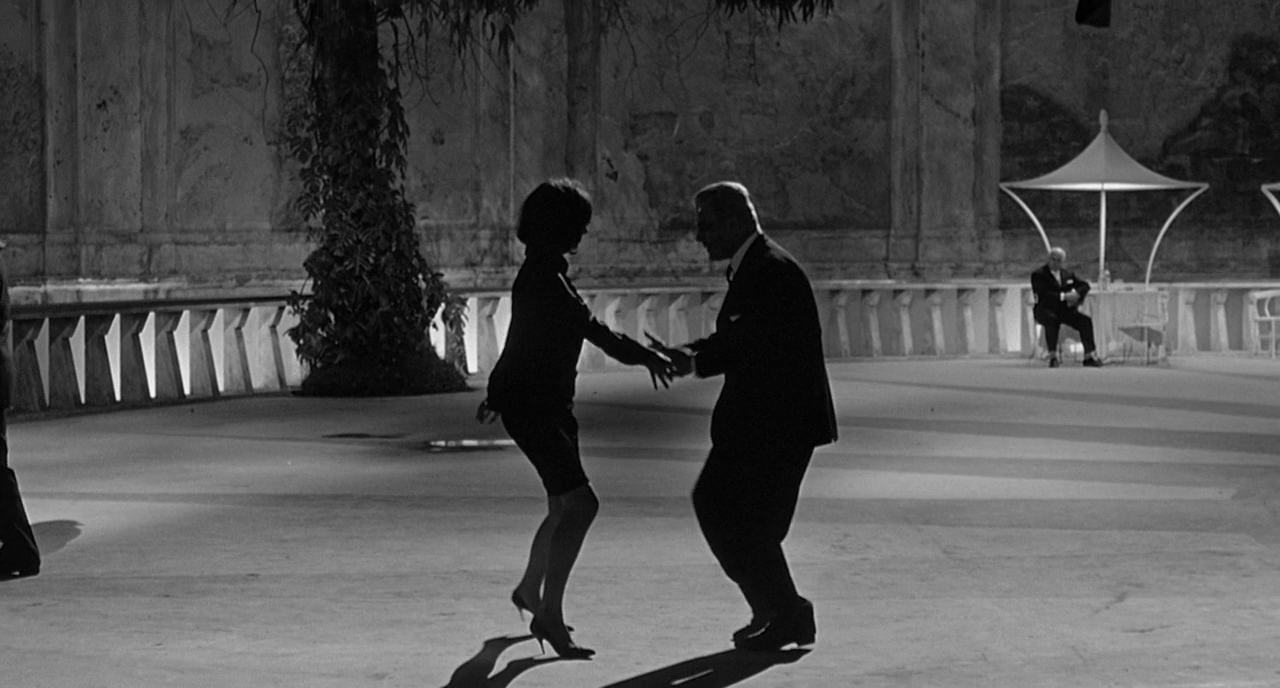
Through one Italian filmmaker’s struggle with creative block, contemptuous shame, and overwhelming pressures, Federico Fellini crafts a surrogate representation of himself, elusively traversing a surreal sea of memory and dreams in a film that seeks to intuitively examine the arduous processes of its own self-reflexive construction.

La Dolce Vita (1960)

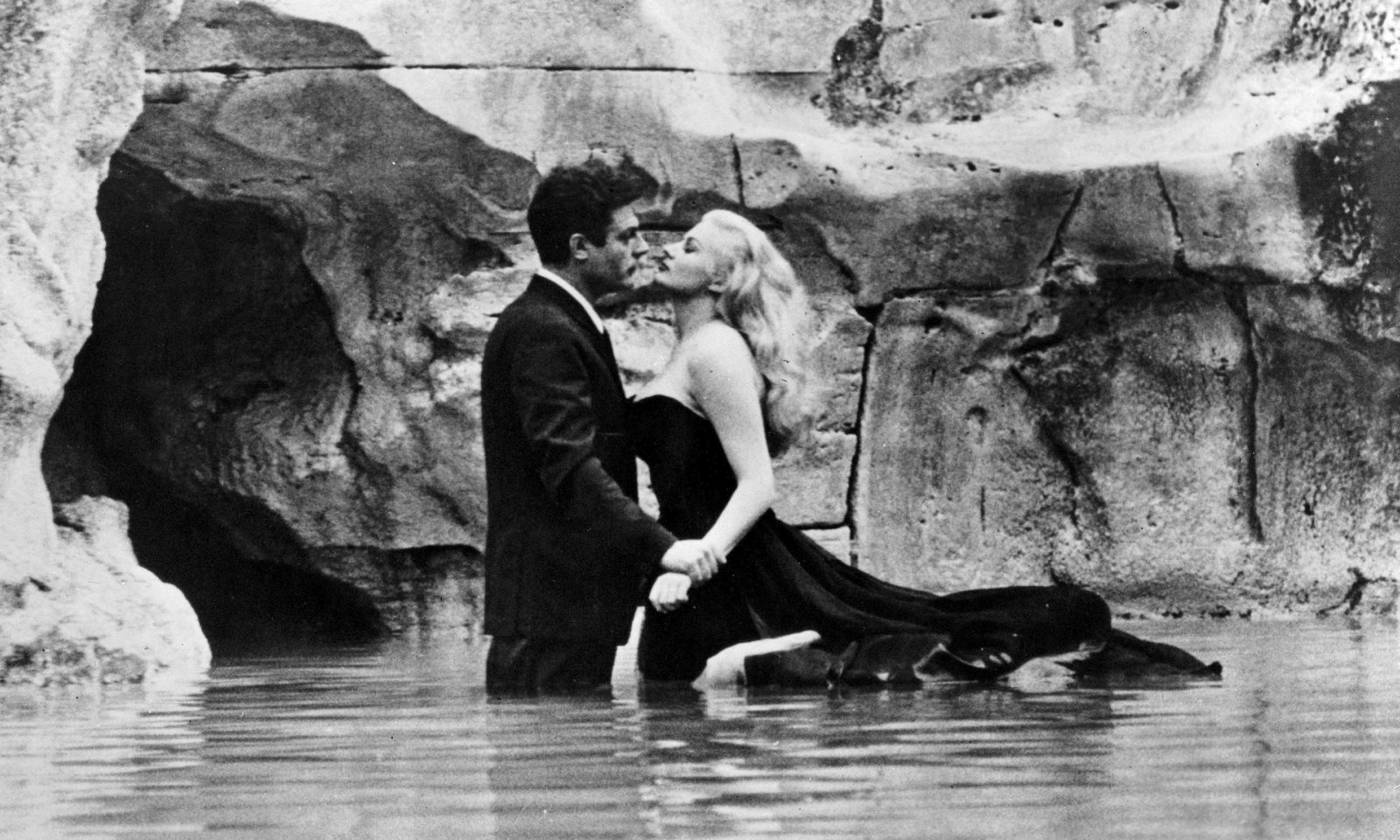
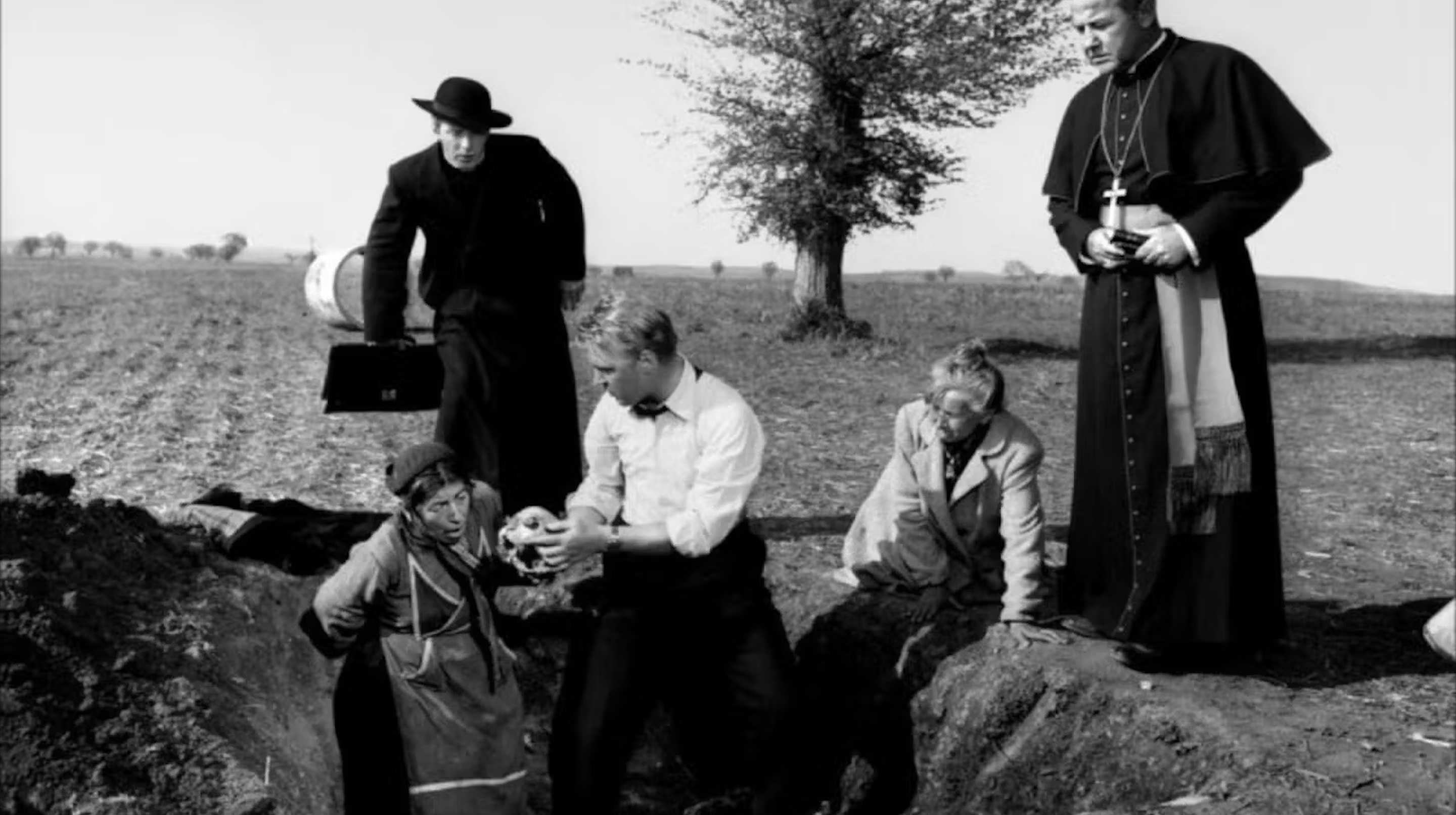
Through Federico Fellini’s cynical subversion of theological iconography and episodic parables, La Dolce Vita traces a tortured soul’s weary descent to the depths of an amoral, existentialist hell, examining modern-day Rome’s spiritual corruption to ultimately become one of cinema’s great religious epics.

Nights of Cabiria (1957)

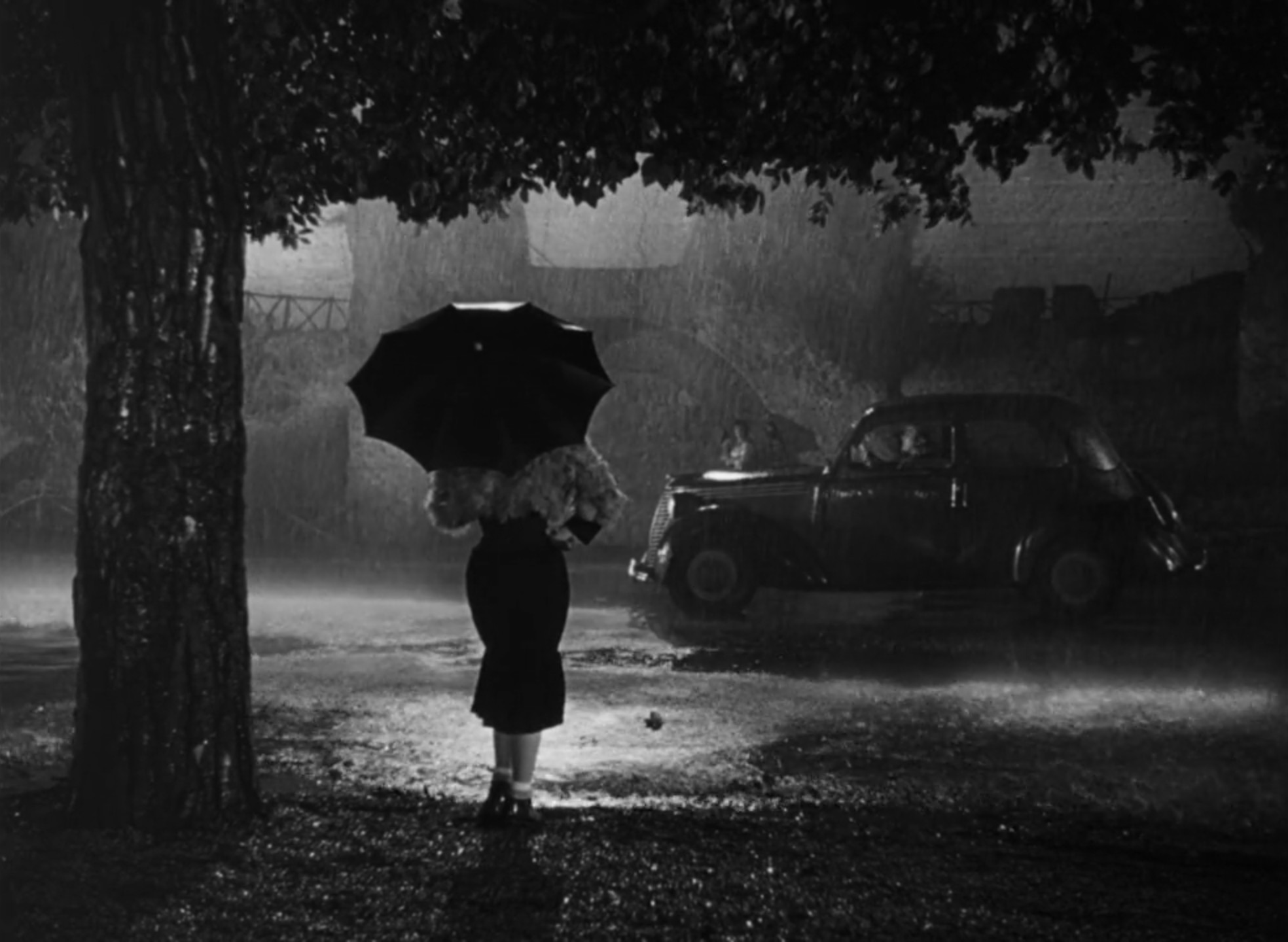
With an intelligent employment of religious and demonic imagery at hand, Federico Fellini and Giulietta Masina craft one of the most indelible cinematic characters of the 1950s, allowing us an empathetic vessel through which we contemplate the religious hypocrisies and class struggles of post-war Italy.

Il Bidone (1955)

Rocky is the path to redemption in Il Bidone’s modern parable of morality and corruption, but so too is it spiritually purifying, as Federico Fellini strips back the lies of a professional swindler to uncover the grace that lies dormant in even the most dishonest man.

La Strada (1954)

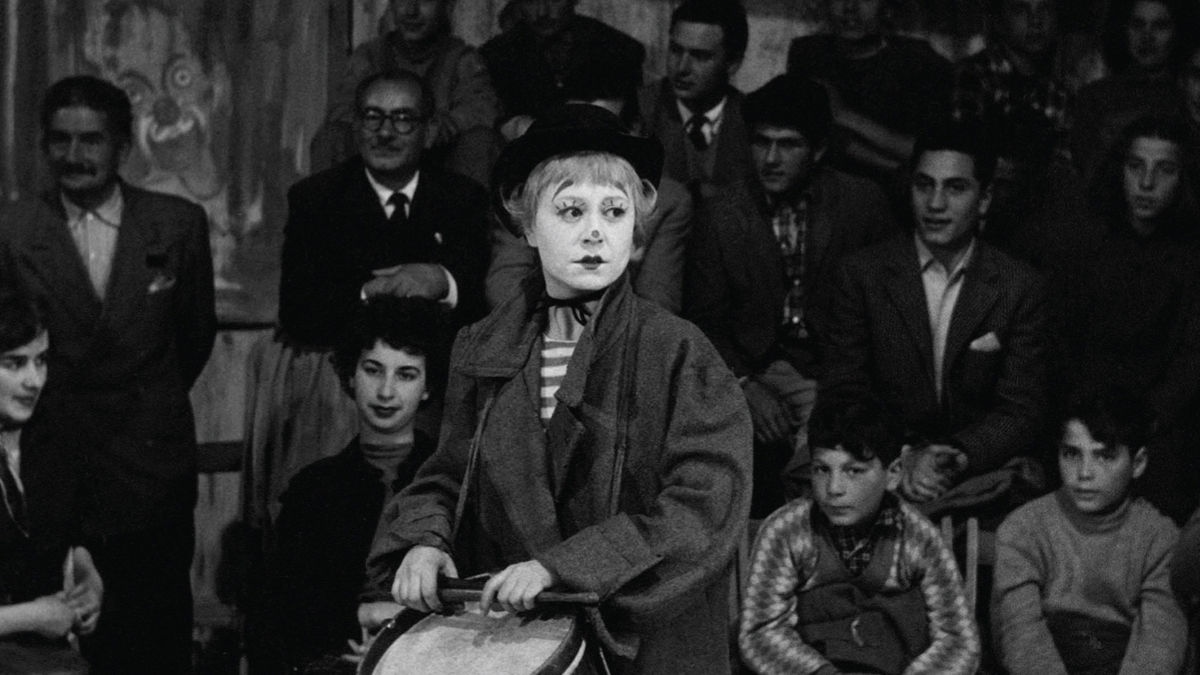
Federico Fellini may hold deep affection for the clowns of commedia dell’arte, but just as integral to La Strada’s tale of survival and wonder is the hardship that haunts a post-war Europe, extinguishing the laughter which only barely lingers in the childlike joy of one tragically naïve circus performer.

I Vitelloni (1953)

The young, juvenile men of I Vitelloni’s coastal town are frozen in an eternal youth of idle recreation, lazily hoping for the day that the world might finally give their lives greater purpose, and playfully pursuing empty pleasures that Federico Fellini strings into nostalgic vignettes of celebration and struggle.

The White Sheik (1952)

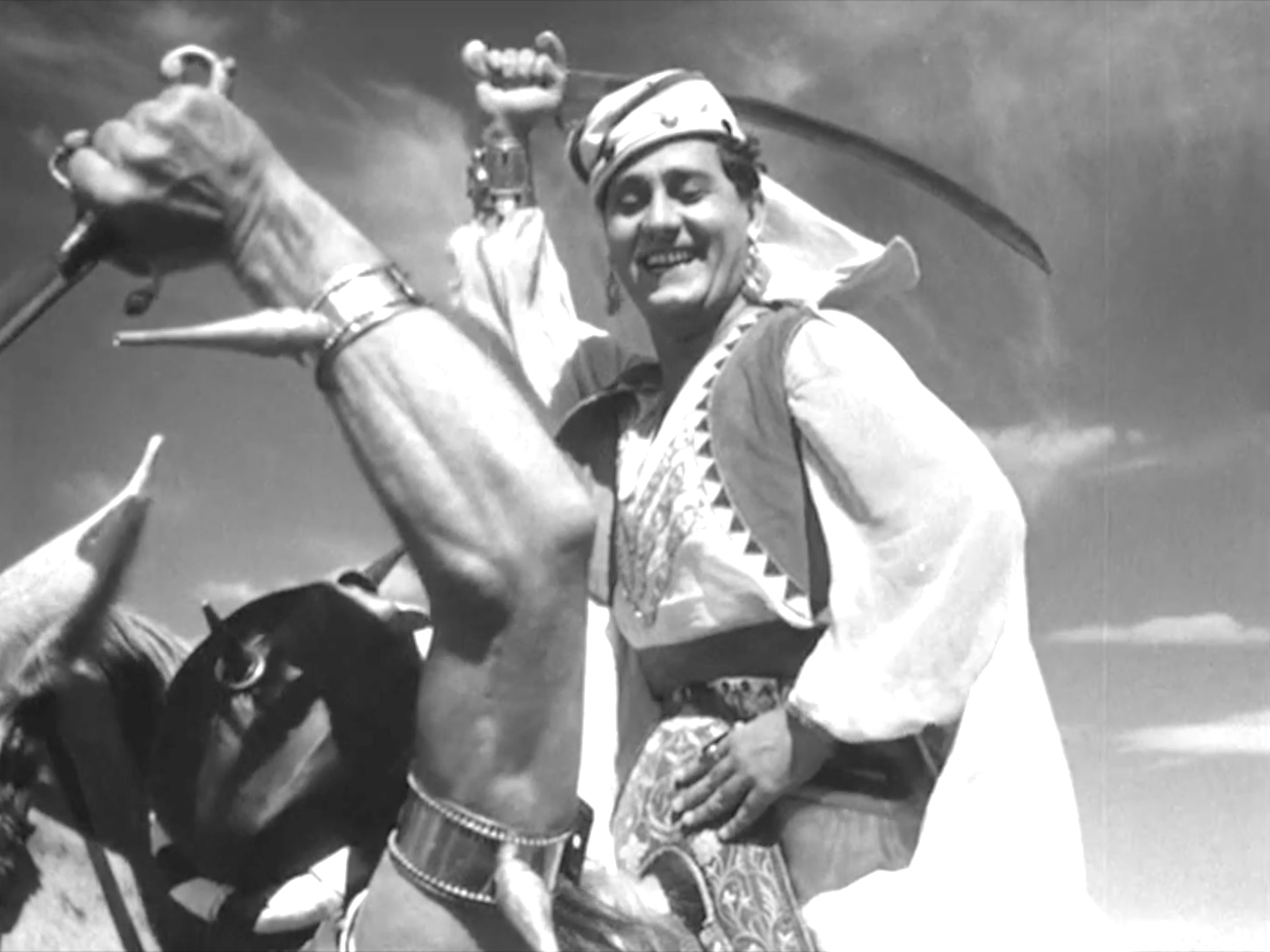
The marriage between flighty romantic Wanda and the overly practical Ivan was never going to be an easy one, though at least the wild romp across Rome that emerges from their odd mismatch brings both newlyweds down to earth, as Federico Fellini offers divine redemption in The White Sheik to those who seek it out in the right places.

Variety Lights (1950)

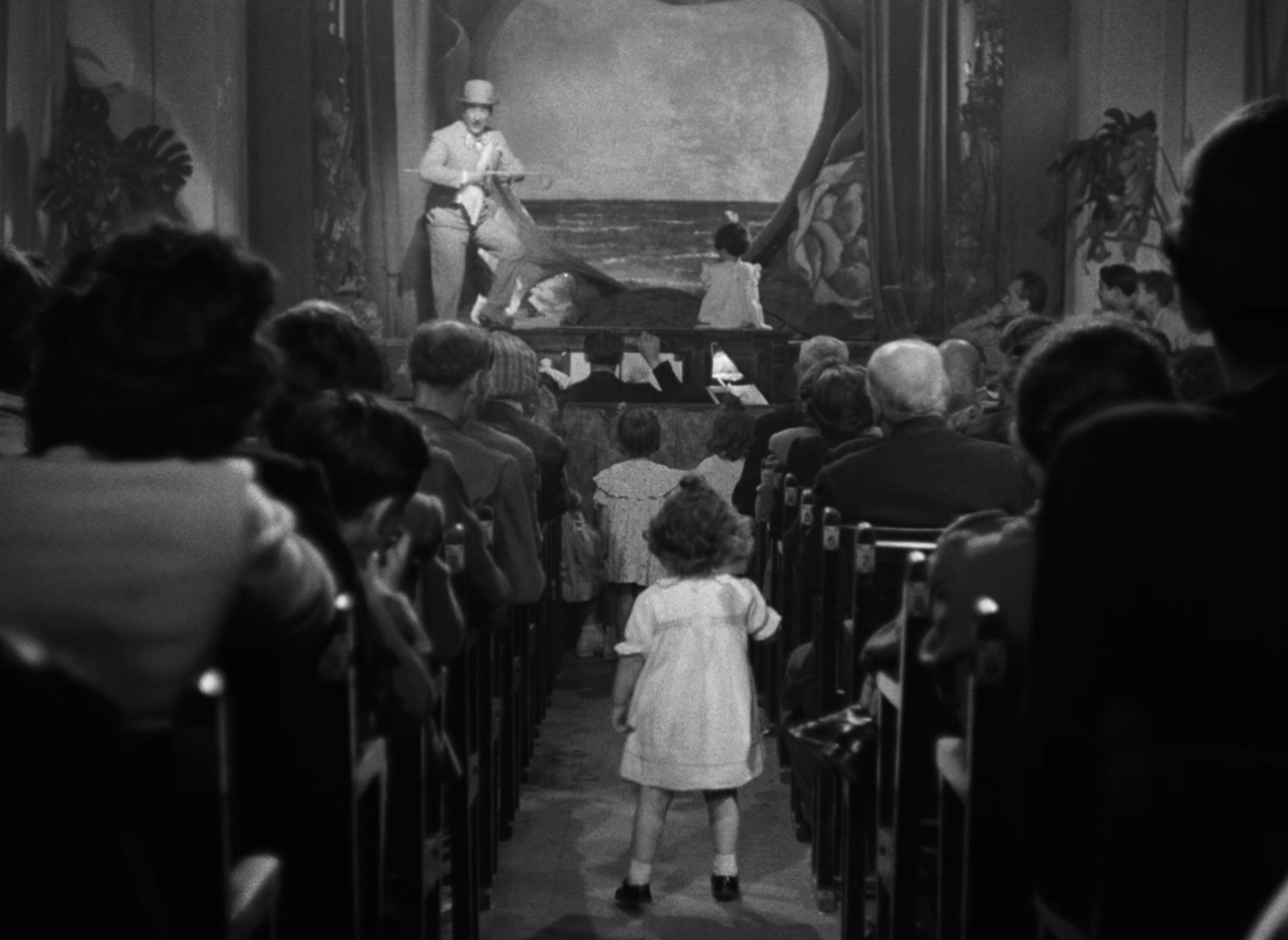
Federico Fellini’s love of theatre would take on great symbolic meaning in his later films, but it emerges quite directly here as the setting of his directorial debut Variety Lights, fuelling the drama between the flighty members of a travelling troupe dreaming of fame, money, and love.

Scroll to Top