Federico Fellini

Intervista (1987)

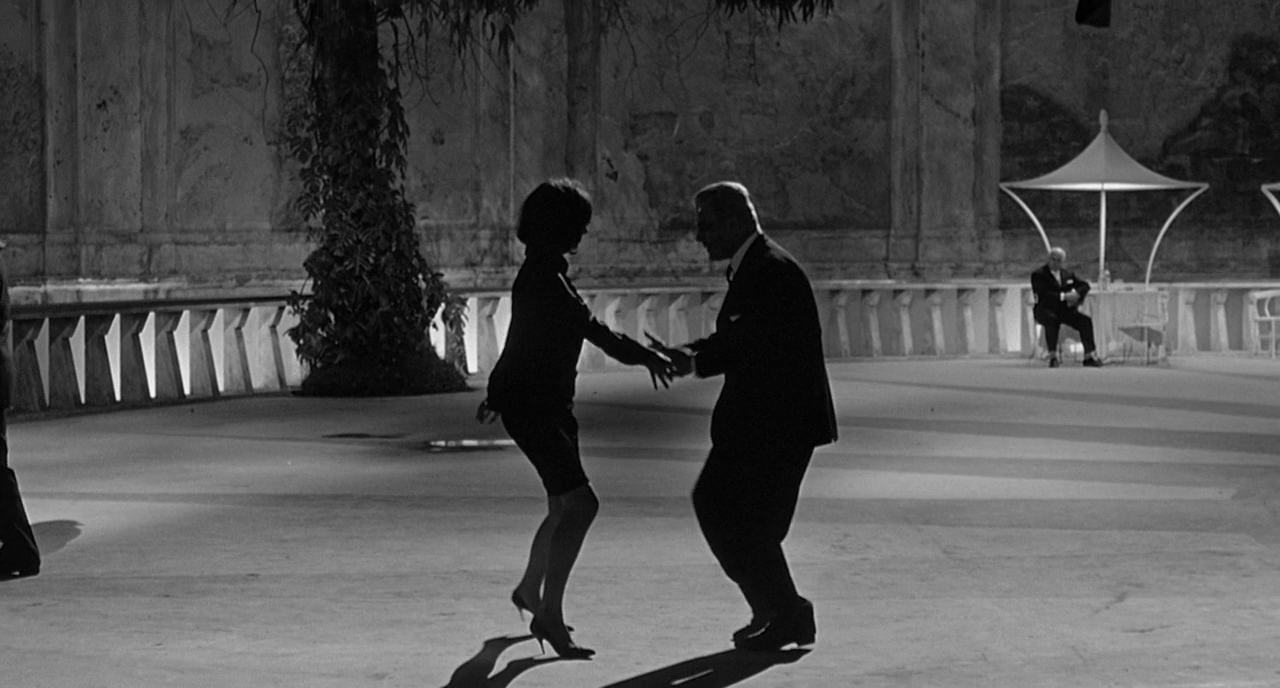
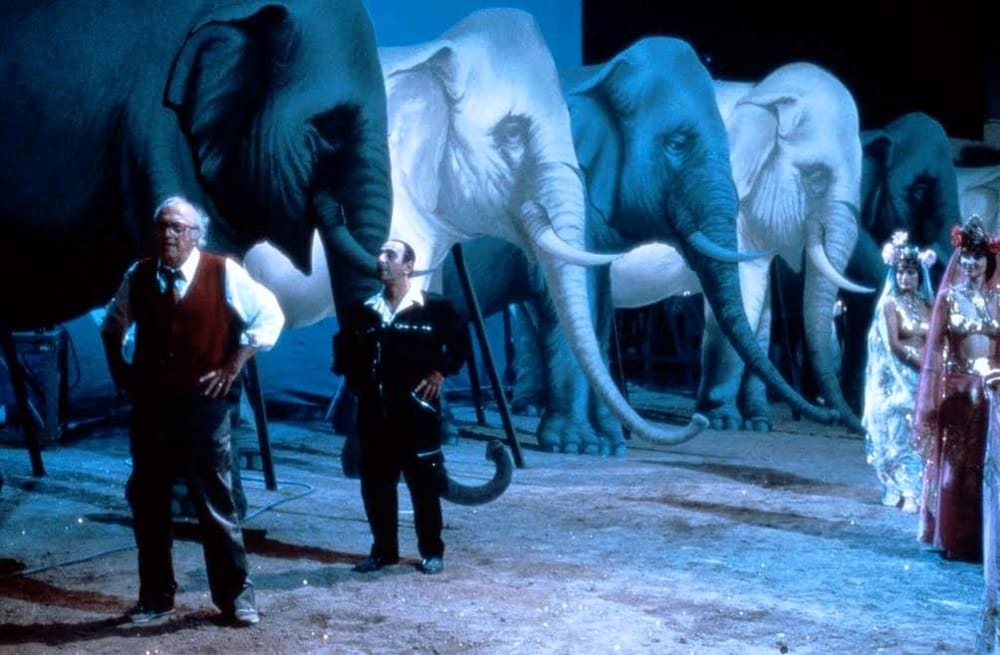
The sad state of the modern Italian film industry does little to dampen the spirits of its artists in Intervista, as Federico Fellini whimsically blurs the lines between life and his own film production, and celebrates the timeless relationships formed behind the scenes.
And the Ship Sails On (1983)

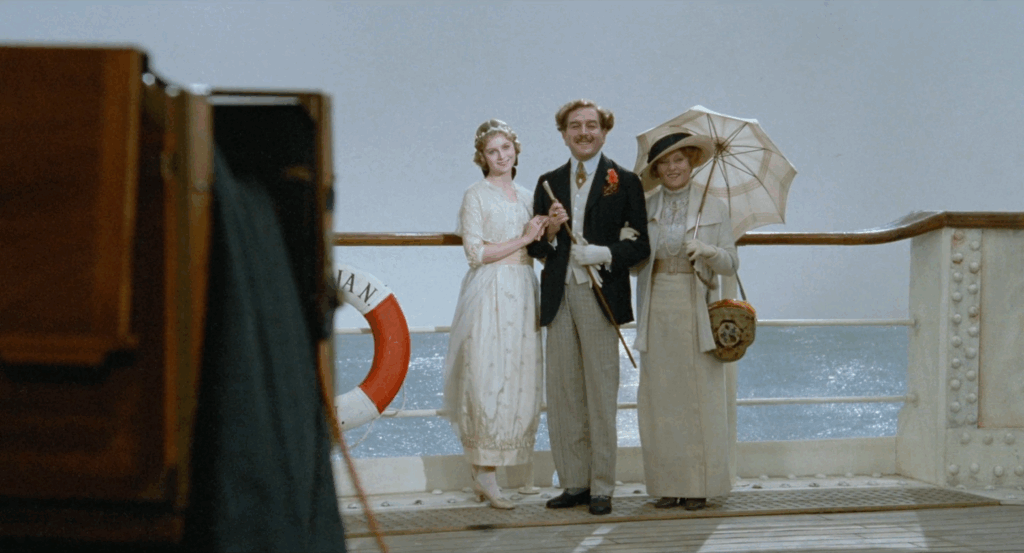
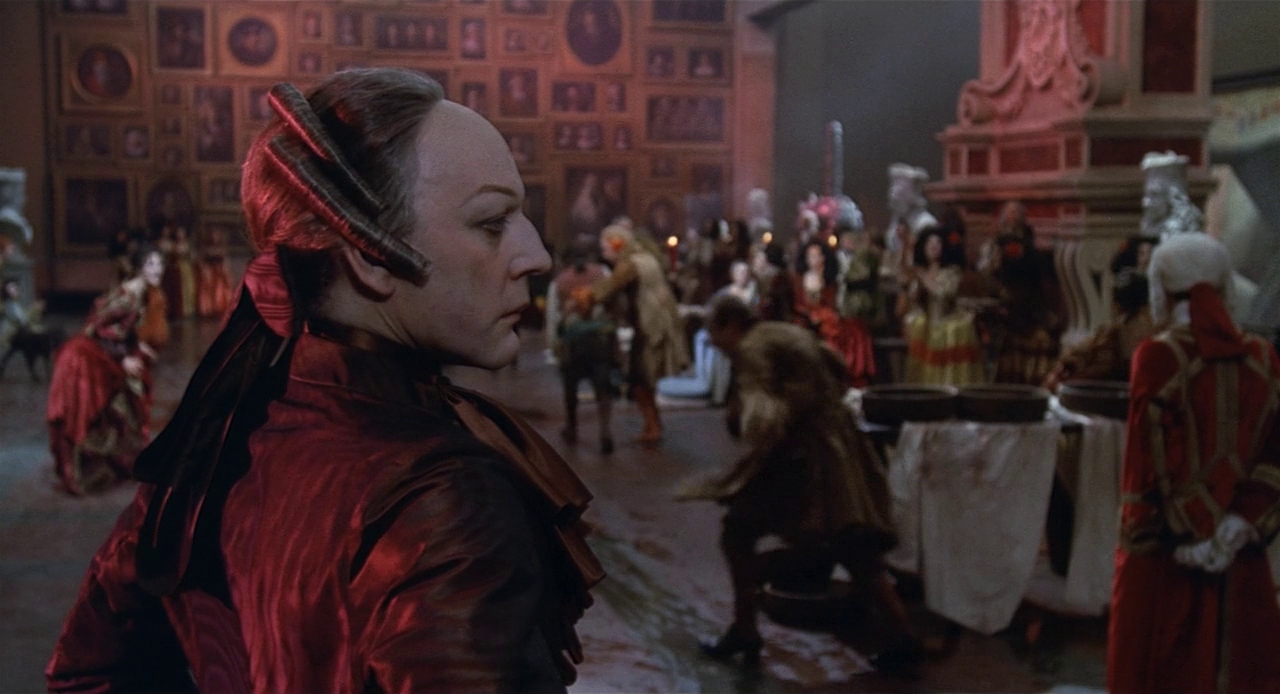
The passengers that gather aboard the cruise liner of And the Ship Sails On are an eclectic mix of European aristocrats, each individually targeted by Federico Fellini’s irreverently absurd sense of humour, and together making up a nautical class satire that revels in their splendid merriment and misfortune.

Fellini’s Casanova (1976)

Though based on the autobiography of the historical Venetian adventurer and his expansive voyage through 18th century Europe, Federico Fellini’s reimagining of Casanova’s life manifests with demented surrealism, trapping this lonely man in cycles of absurd carnal exploits fuelled by a profound, existential emptiness.

Amarcord (1973)

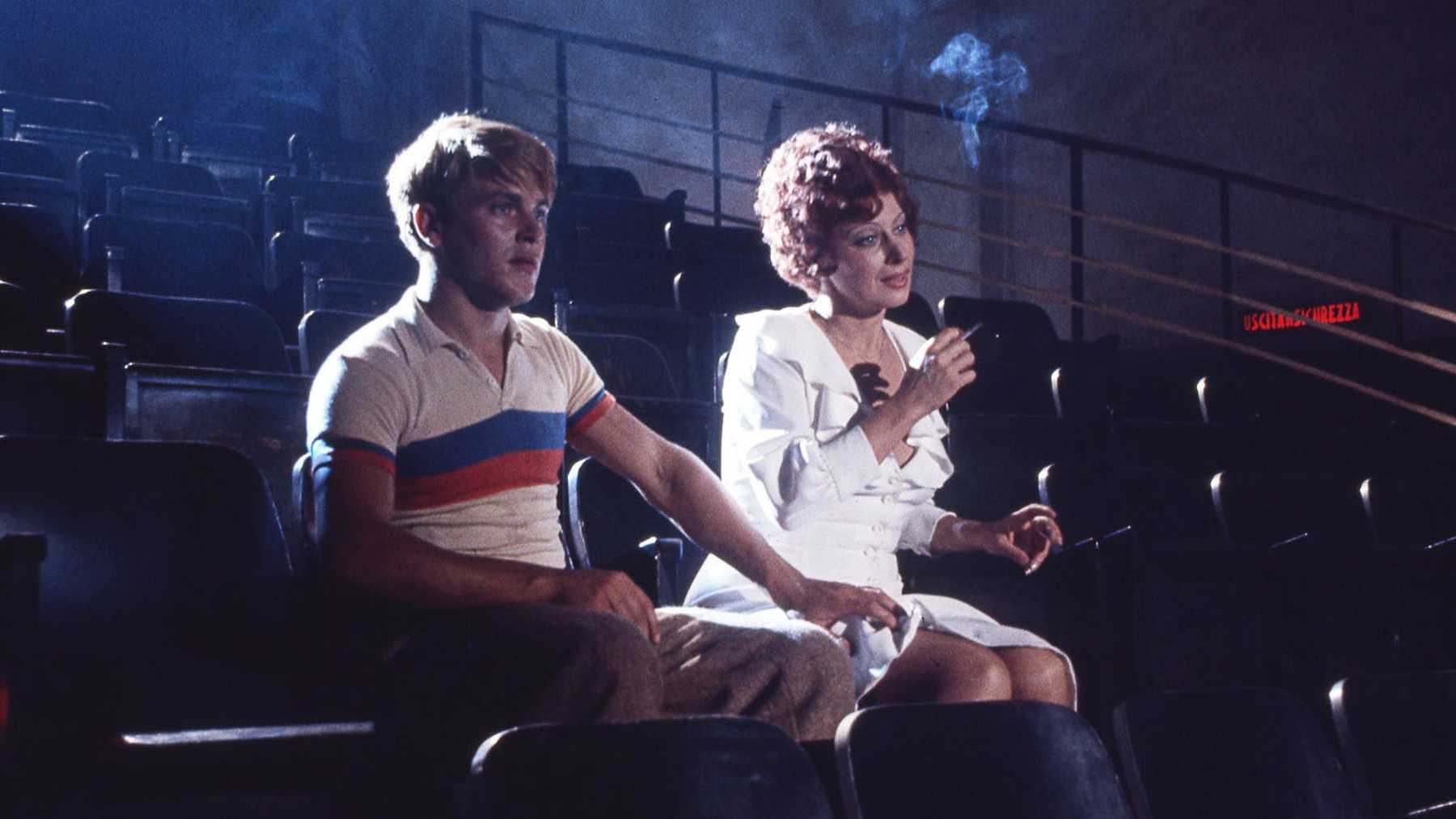
The year that passes over the course of Amarcord is not bound by straightforward plot convention, and yet each vignette takes its place in the whimsical portrait of 1930s Italy that Federico Fellini sentimentally models after his hometown, slipping into dreams of oppressive evils and boundless joys with careless, nostalgic abandon.

Fellini’s Roma (1972)

Federico Fellini’s Roma is not quite the familiar city we recognise from history books, but rather an absurd, contradictory landscape of rich impressionistic detail, filtering its vibrant culture, art, and politics through vignettes distorted by the wily incongruity of satire and memory.

Fellini Satyricon (1969)

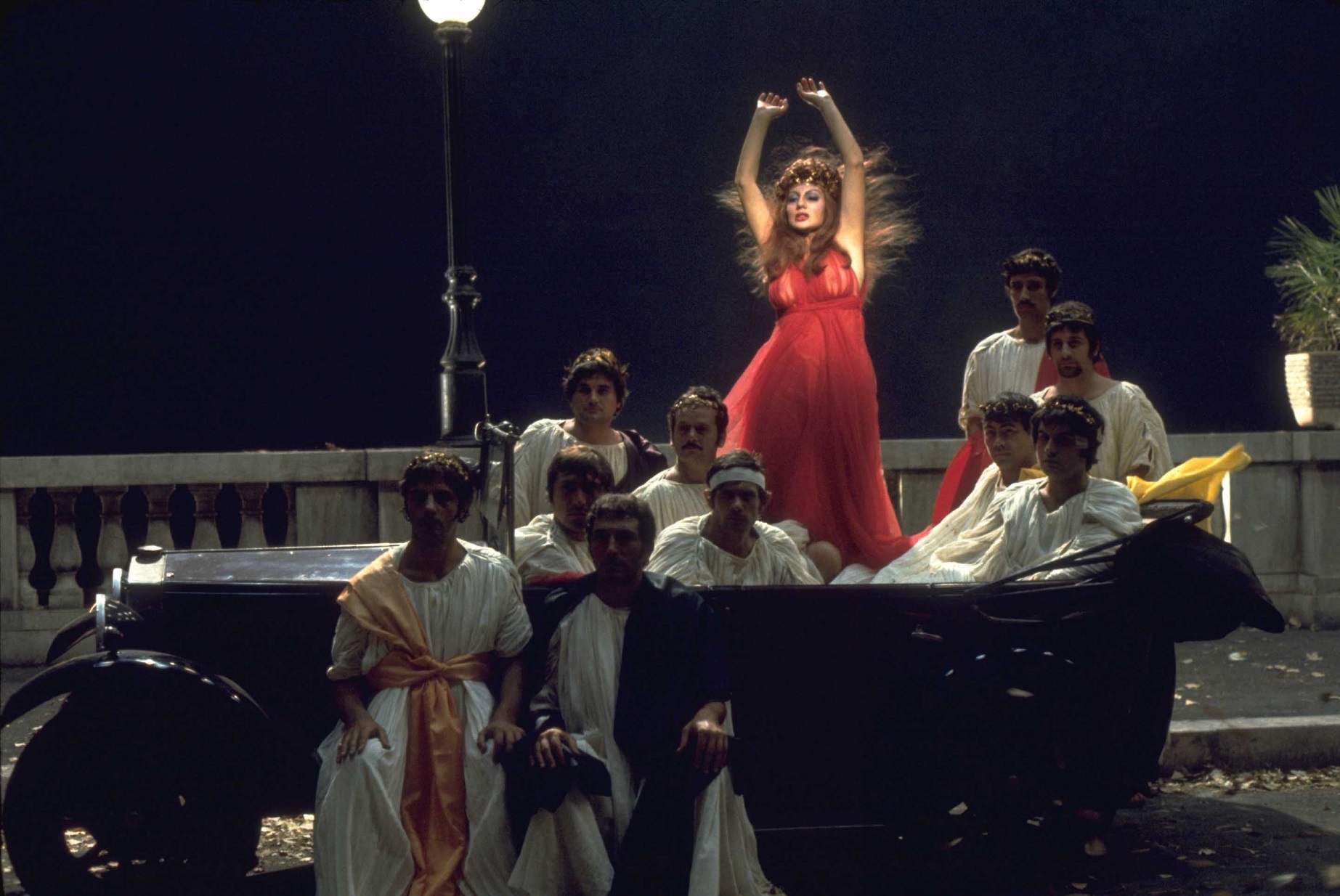
Through its surreal blend of modern art and classical antiquity, Fellini Satyricon becomes a direct embodiment of our most maddening psychological conflicts, leading an absurd odyssey through the decadent parties, brothels, and temples of Ancient Rome as it stands on the brink of social collapse.

Juliet of the Spirits (1965)

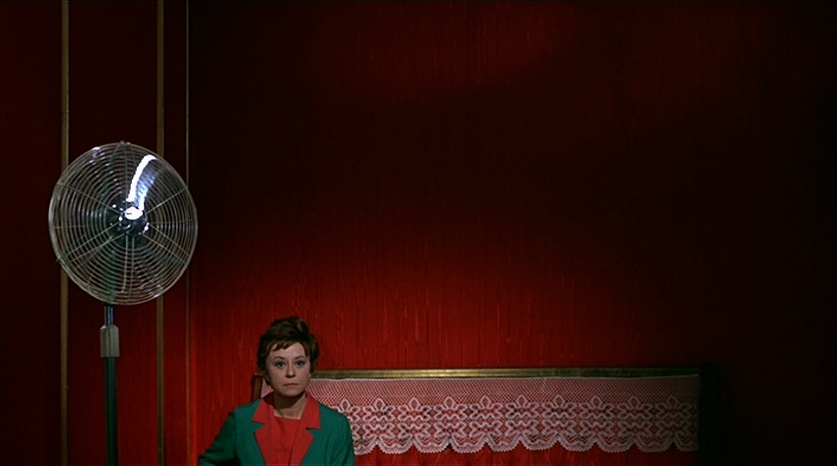
One upper-class housewife’s discovery of her husband’s affair in Juliet of the Spirits may incite a surreal reckoning with religion, sexuality, and womanhood, though the insecurities that these kaleidoscopic dreams surface have evidently haunted her since childhood, as Federico Fellini holds up a feminine mirror to 8 ½ that seeks to understand the other side of his ailing marriage.

8 1/2 (1963)

Through one Italian filmmaker’s struggle with creative block, contemptuous shame, and overwhelming pressures, Federico Fellini crafts a surrogate representation of himself, elusively traversing a surreal sea of memory and dreams in a film that seeks to intuitively examine the arduous processes of its own self-reflexive construction.

La Dolce Vita (1960)

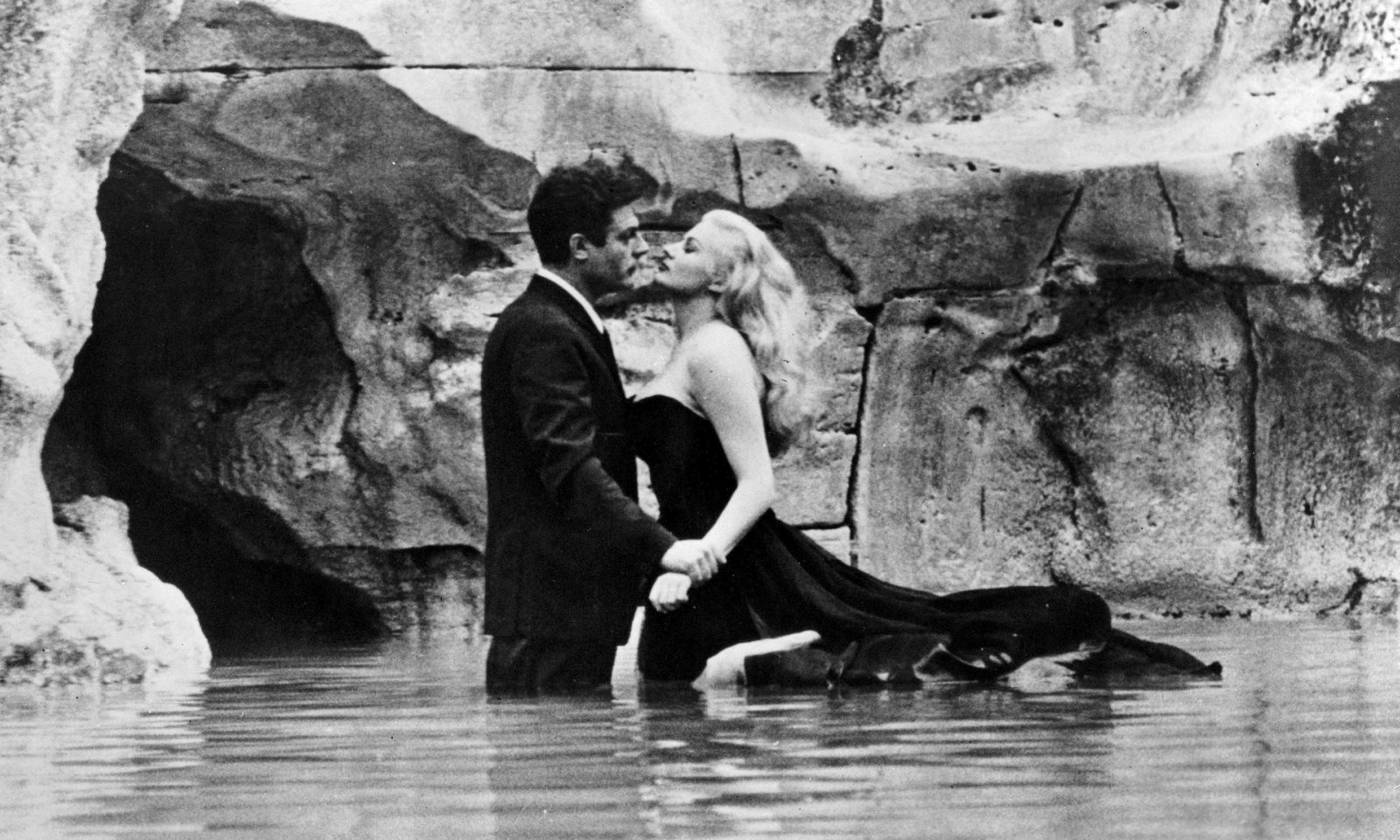
Through Federico Fellini’s cynical subversion of theological iconography and episodic parables, La Dolce Vita traces a tortured soul’s weary descent to the depths of an amoral, existentialist hell, examining modern-day Rome’s spiritual corruption to ultimately become one of cinema’s great religious epics.

Nights of Cabiria (1957)

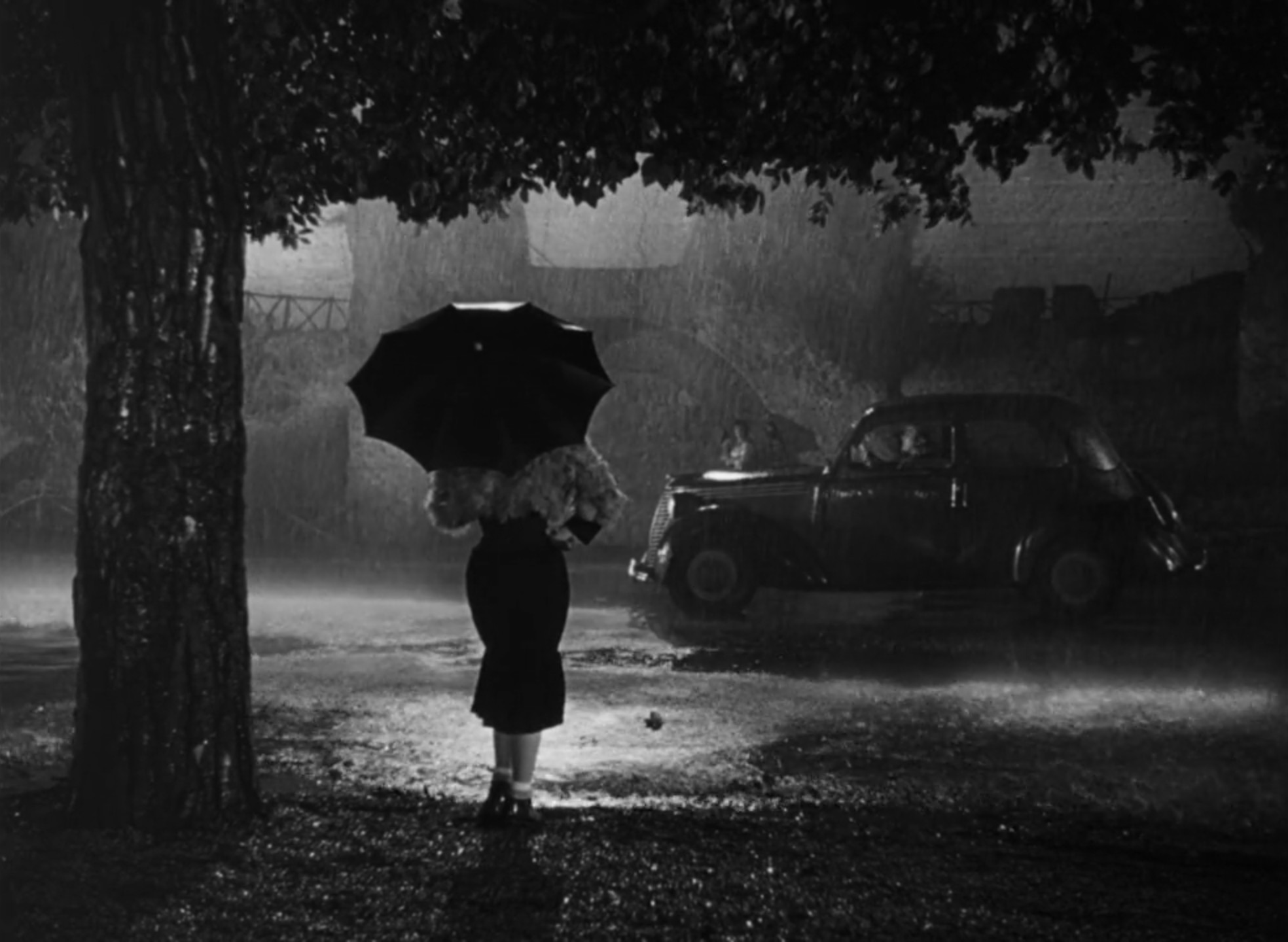
With an intelligent employment of religious and demonic imagery at hand, Federico Fellini and Giulietta Masina craft one of the most indelible cinematic characters of the 1950s, allowing us an empathetic vessel through which we contemplate the religious hypocrisies and class struggles of post-war Italy.

Scroll to Top