2020s

Bottoms (2023)

There is little in Bottoms that breaks the formula of the classic high school teen comedy, though it is in this familiar realm that Emma Seligman is most comfortable sending up its Gen Z archetypes with their trademark self-deprecating irony and dark humour, taking us inside an extracurricular all-girls fight club started by two lesbians simply hoping to get laid.

Napoleon (2023)

Beyond Napoleon’s uneven, unfocused narrative, Ridley Scott commands brilliant spectacle and irreverent humour in his portrait of the infamous French emperor, cynically revealing the childish fool in the intelligent tactician whose enormous ambitions cannot sustain his own ego.

Saltburn (2023)

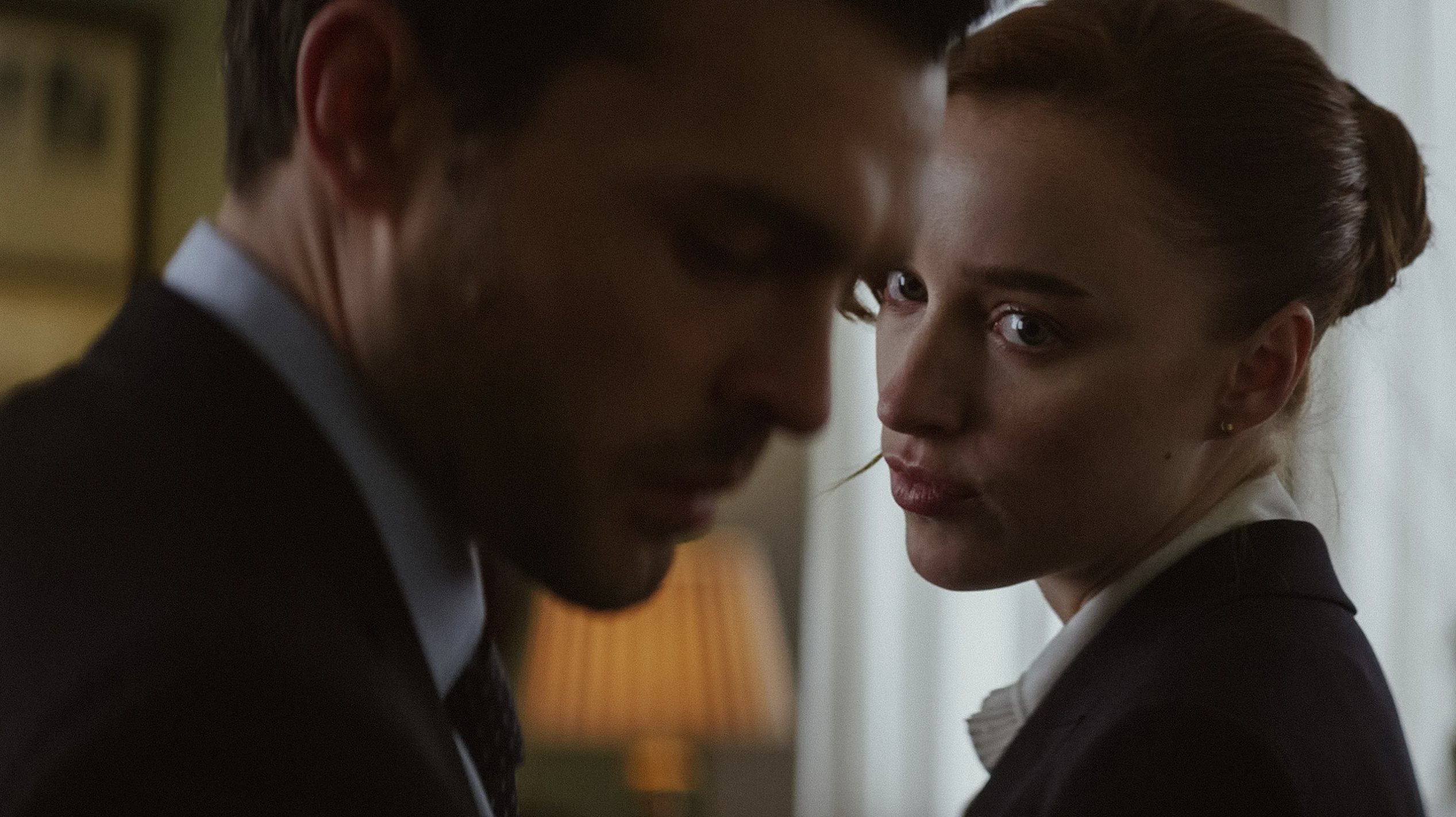
With an obscure set of animalistic metaphors and perverse power plays, Emerald Fennell weaves a monstrously sinister fable around lower-class outsider Oliver Quick and his wealthy hosts in Saltburn, painting a darkly satirical portrait of class tension, obsession, and exploitation at their majestic country estate.

Boston Strangler (2023)

Even when we aren’t witnessing the Boston Strangler’s brutal murders in Matt Ruskin’s true crime procedural, we feel a palpable paranoia spreading across 1960s Massachusetts, posing a cutting criticism of those misogynistic institutions seeking to protect one half of society while the other lives in perpetual fear.

The Killer (2023)

With such an emotionally distant sociopath at the centre of The Killer, it is no wonder why David Fincher was so drawn to its methodical screenplay and intensive study of perfectionism, meticulously following the procedures of a vengeful hitman through a treacherous, gloomy underworld that very gradually unravels his icy composure.

Killers of the Flower Moon (2023)

Just as Martin Scorsese seems to have had his final say on the crime genre, a spate of violent assassinations targeting the Osage people for their newfound wealth emerges in Killers of the Flower Moon, sprawling this colonial exploitation and genocide out across an epic narrative that elegiacally mourns one of America’s great historical injustices.

El Conde (2023)

Pablo Larraín’s creative historical revisionism in El Conde transforms Chilean dictator Augusto Pinochet into a vampiric icon of fascism, continuing to feed on society’s most vulnerable in his old age while descendants, lovers, and organised religion seek to profit off his legacy, giving this monochrome political satire a viciously witty bite.

The Wonderful Story of Henry Sugar and Three More (2023)

With their veneers of whimsical innocence that mask quiet tragedies, it is clear through Wes Anderson’s adaptations of four short Roald Dahl stories that he sees parts of himself in the children’s writer, keeping his spirit alive with a curated, theatrical style that creatively reimagines fables of eccentric psychics, bullies, exterminators, and patients.

The Creator (2023)

The Creator’s stimulating combination of grand theological questions and sci-fi action spectacle offers the genre fresh spiritual depth, using a futuristic conflict between humans and artificial intelligence as a messianic allegory of insecure gods, their tortured children, and the dehumanisation of enemies in wartime.

A Haunting in Venice (2023)

As flamboyant detective Hercule Poirot is drawn into a murder mystery of mediums, seances, and vengeful ghosts in A Haunting in Venice, the foundations of his hardened logic are confronted with chilling visions of the impossible, effectively imbuing Kenneth Branagh’s adaptation of Agatha Christie with a Gothic horror that complicates our search for rational truth.

Scroll to Top