2010s

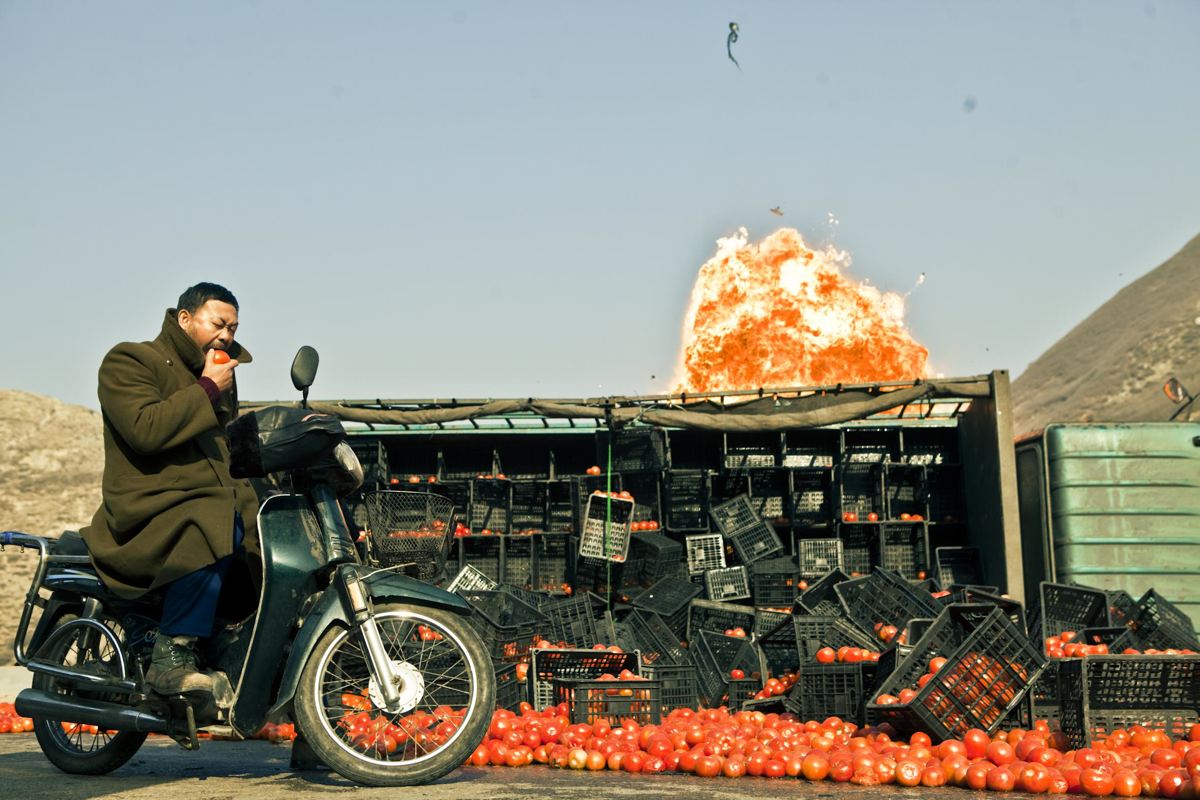
A Touch of Sin (2013)

Four loosely connected episodes of violence based on real Chinese news stories come together in a Touch of Sin to sketch out a landscape of anger and frustration, as Jia Zhangke pushes the boundaries of his usual neo-realistic style until they start to overlap with traditional crime thriller conventions.
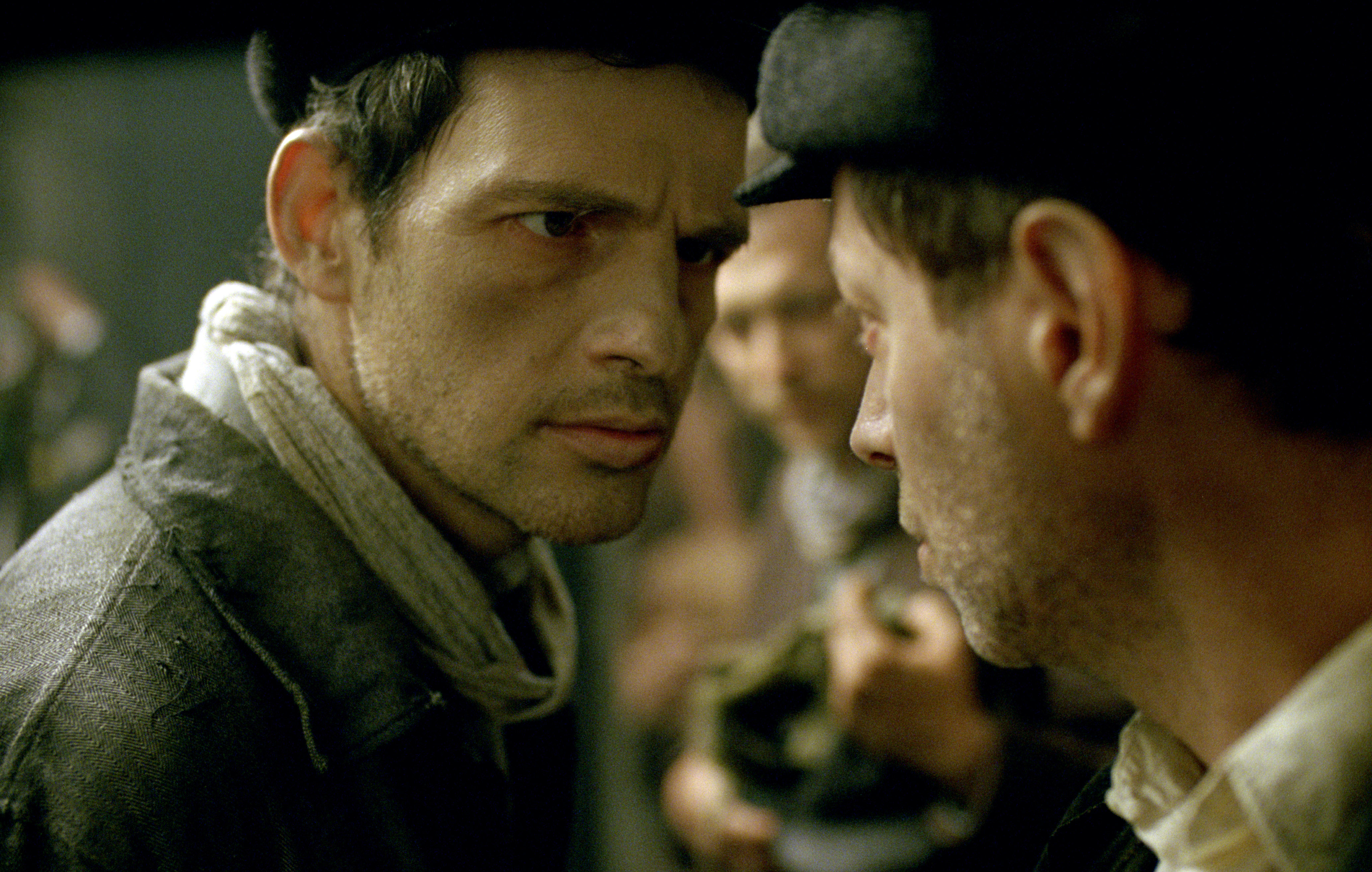
Son of Saul (2015)

Through László Nemes’ rigid, principled application of close-up tracking shots and a shallow focus that keeps the horrors of the Nazi concentration camp setting just barely out of sight, he effectively narrows the scope of Son of Saul to a single, harrowing perspective of an otherwise monumental blight on human history, and in doing so delivers one of the most traumatic depictions of war committed to film.

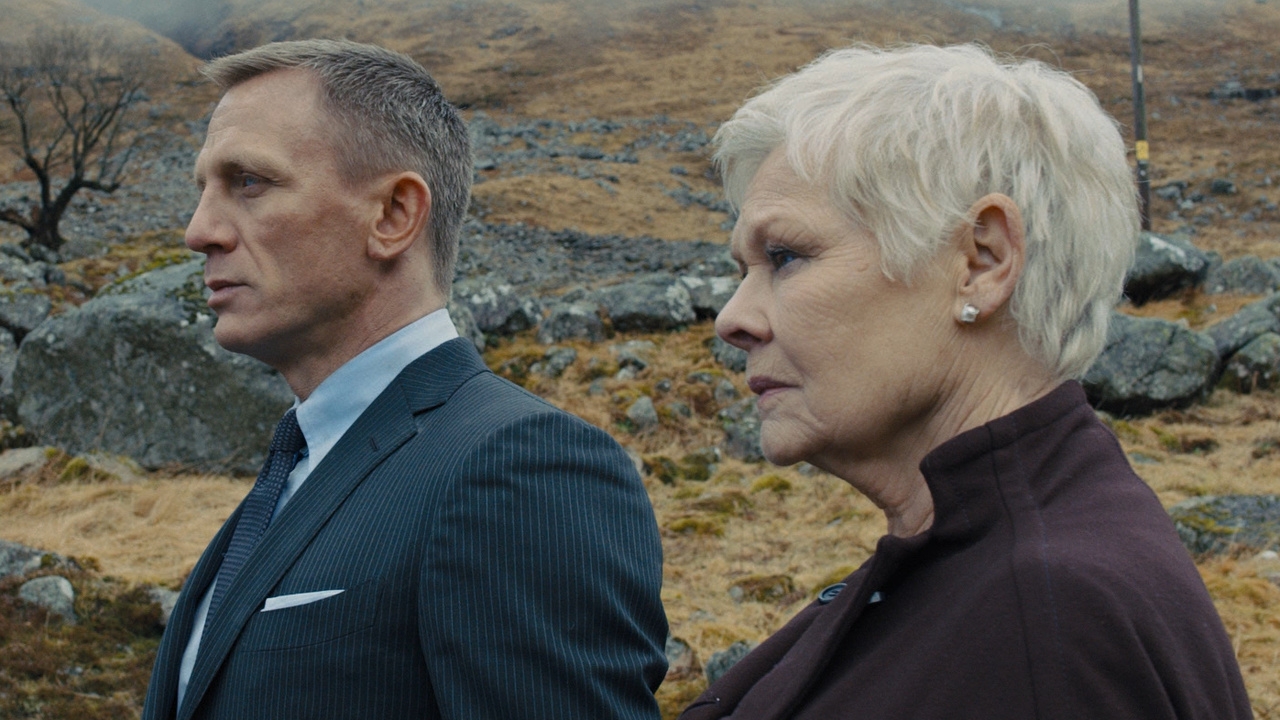
Skyfall (2012)

Visually, Skyfall is on a whole other level to every James Bond film that came before, as Sam Mendes’ impeccable craftsmanship delivers on set piece after set piece, sending Daniel Craig’s version of 007 down a sensitive path to confront painful childhood memories.

Mommy (2014)

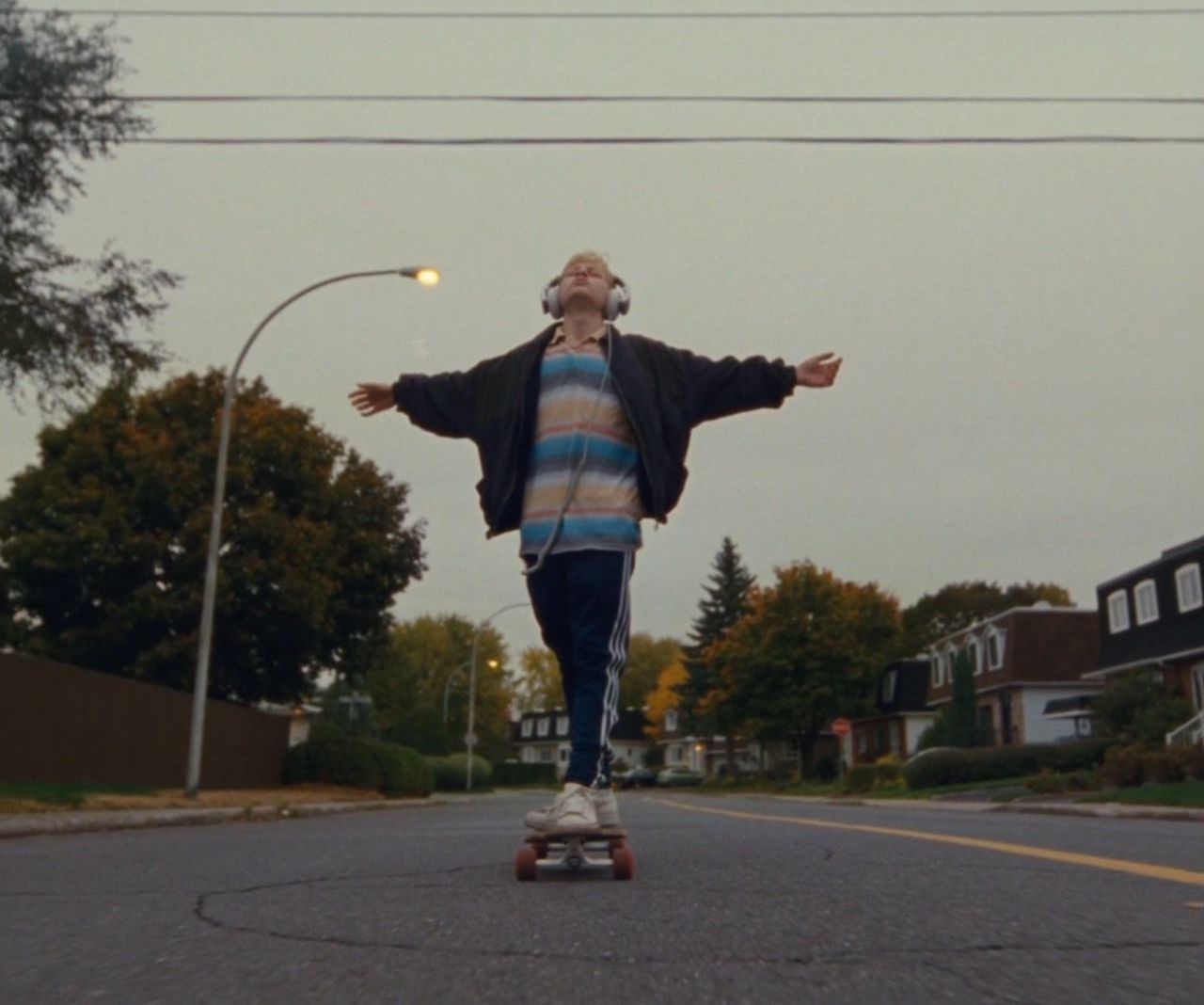
Even though comparisons might be drawn between Instagram aesthetics and Mommy’s poppy style, Xavier Dolan’s film is far more artistically rich than anything one might find scrolling through social media feeds, as he finds both profound joy and grief in the strained relationship between a mother and son who can’t quite attain the long-lasting happiness they once believed was possible.

Margaret (2011)

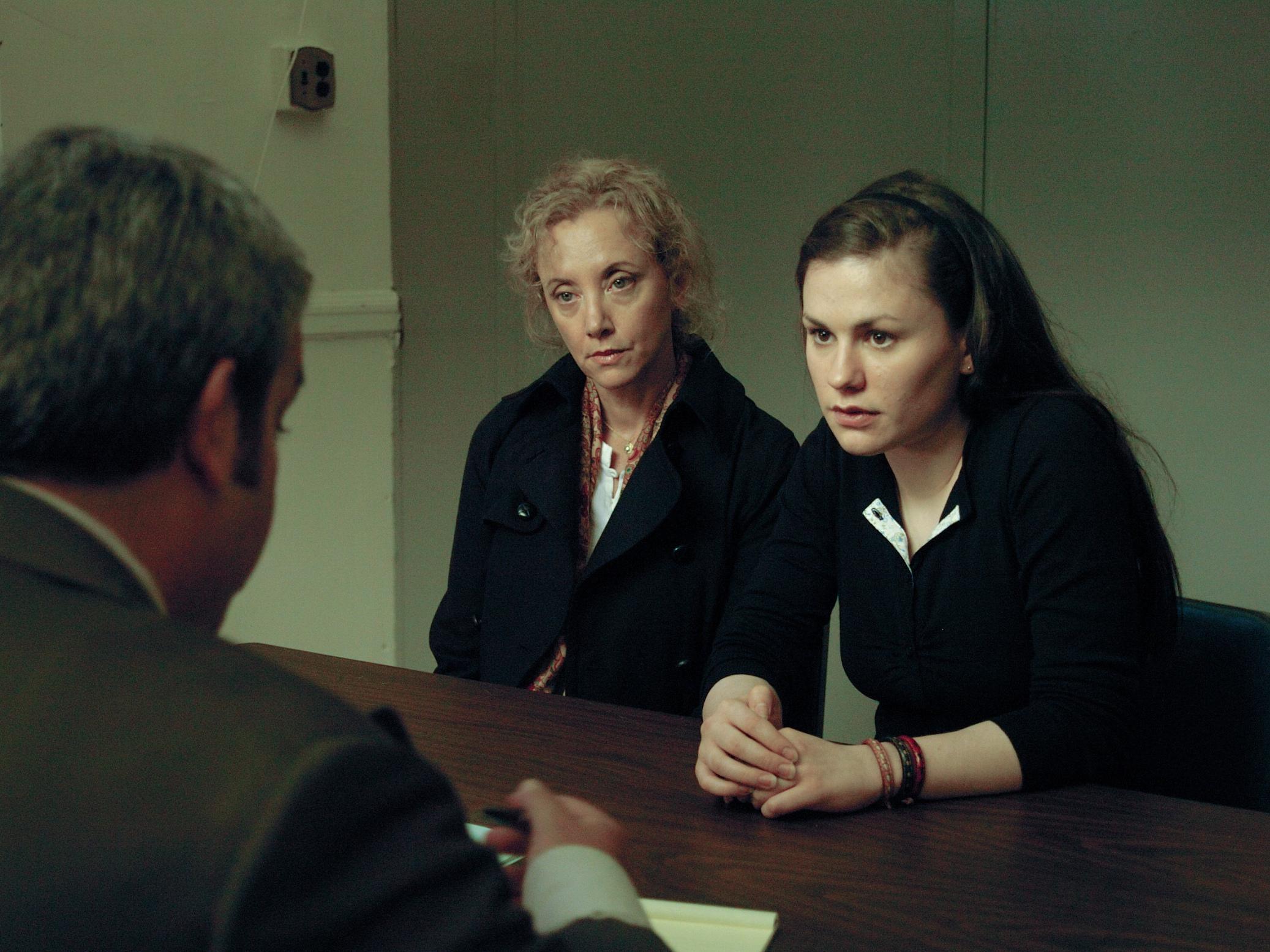
Beneath the epic weight of Margaret’s three-hour runtime, Kenneth Lonergan’s rich, operatic character drama holds strong, using a layered emotional journey of guilt and rage to speak directly to the specific kind of trauma that unified New Yorkers in the wake of 9/11.

Raw (2016)

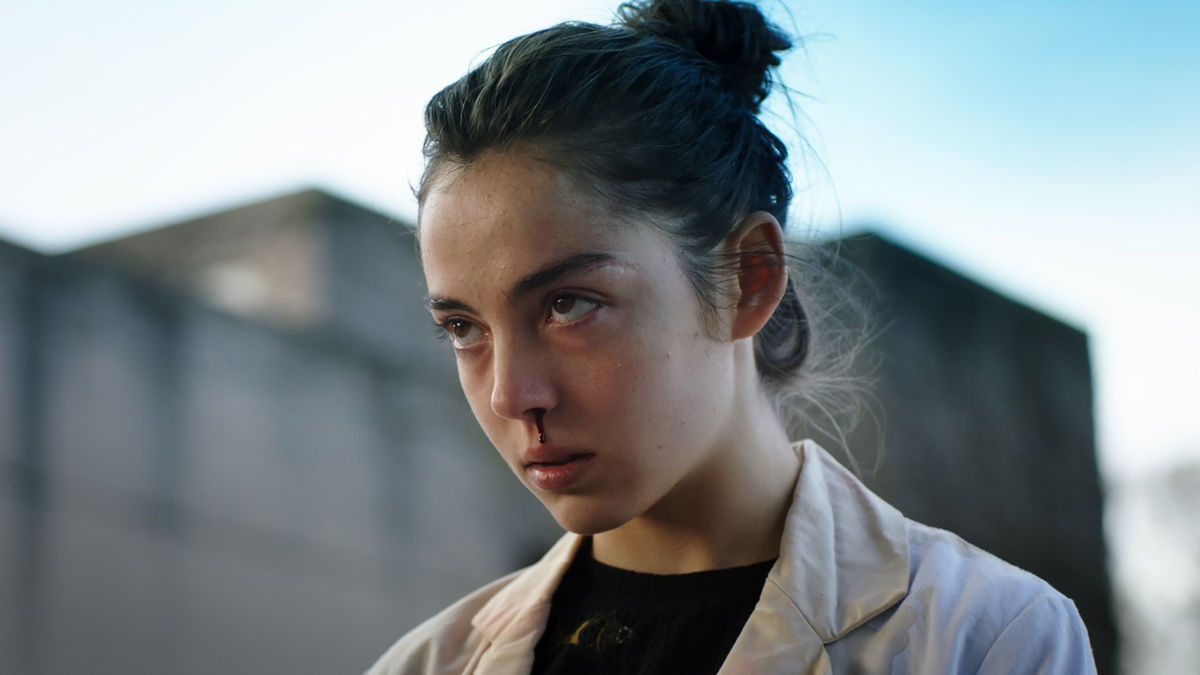
The awkward transition of learning to live with uncomfortable changes in one’s psychological state is always lurking within the subtext of Raw, but Ducournau’s ability to bring formal complexity in drawing out the visceral body horror of female sexuality makes for a confronting descent into parts of the human mind that are entirely untameable.

The Neon Demon (2016)

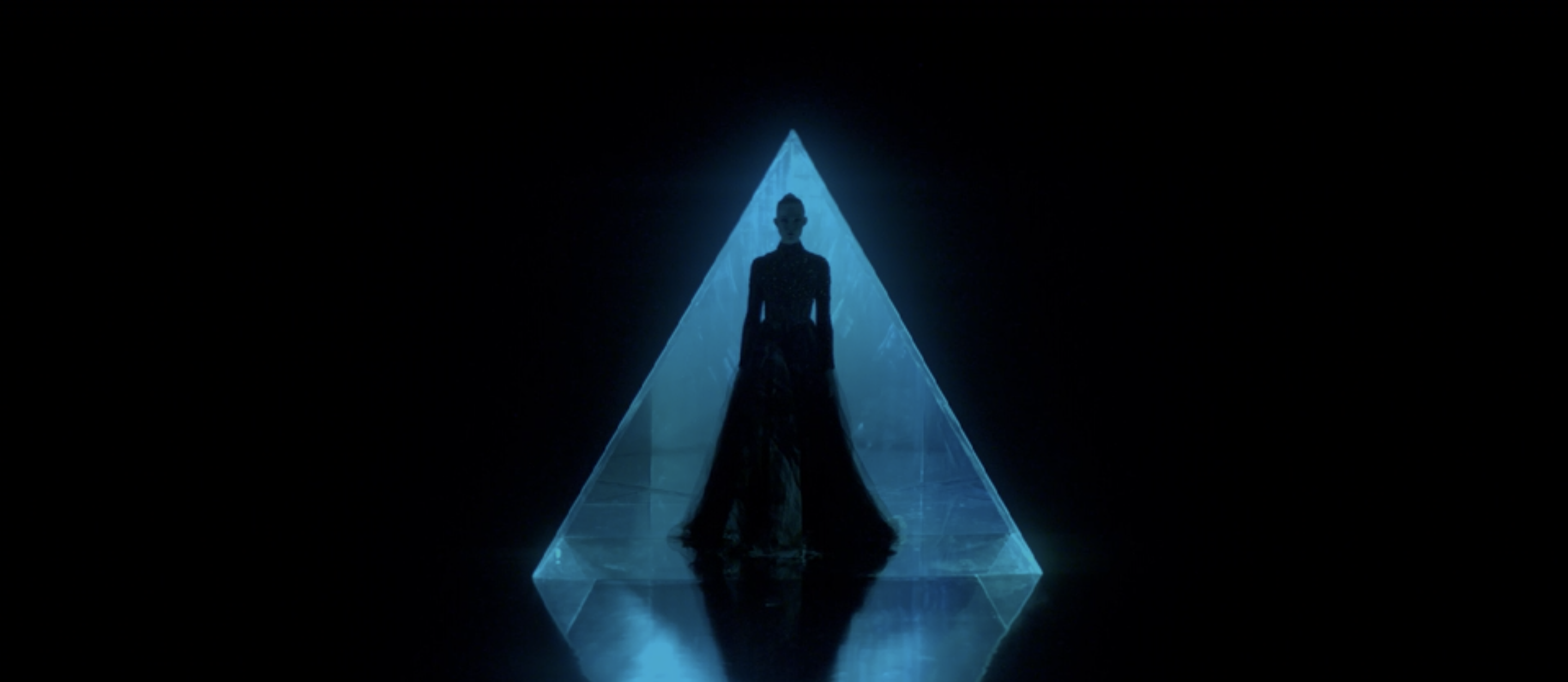
In turning his provocative, neon-tinted stylings to Hollywood’s cutthroat fashion industry in The Neon Demon, Nicolas Winding Refn quite literally puts his cast of models and actors under the knife, carving out a hellish underworld of cannibalistic cultism kept hidden behind a façade of attractiveness.

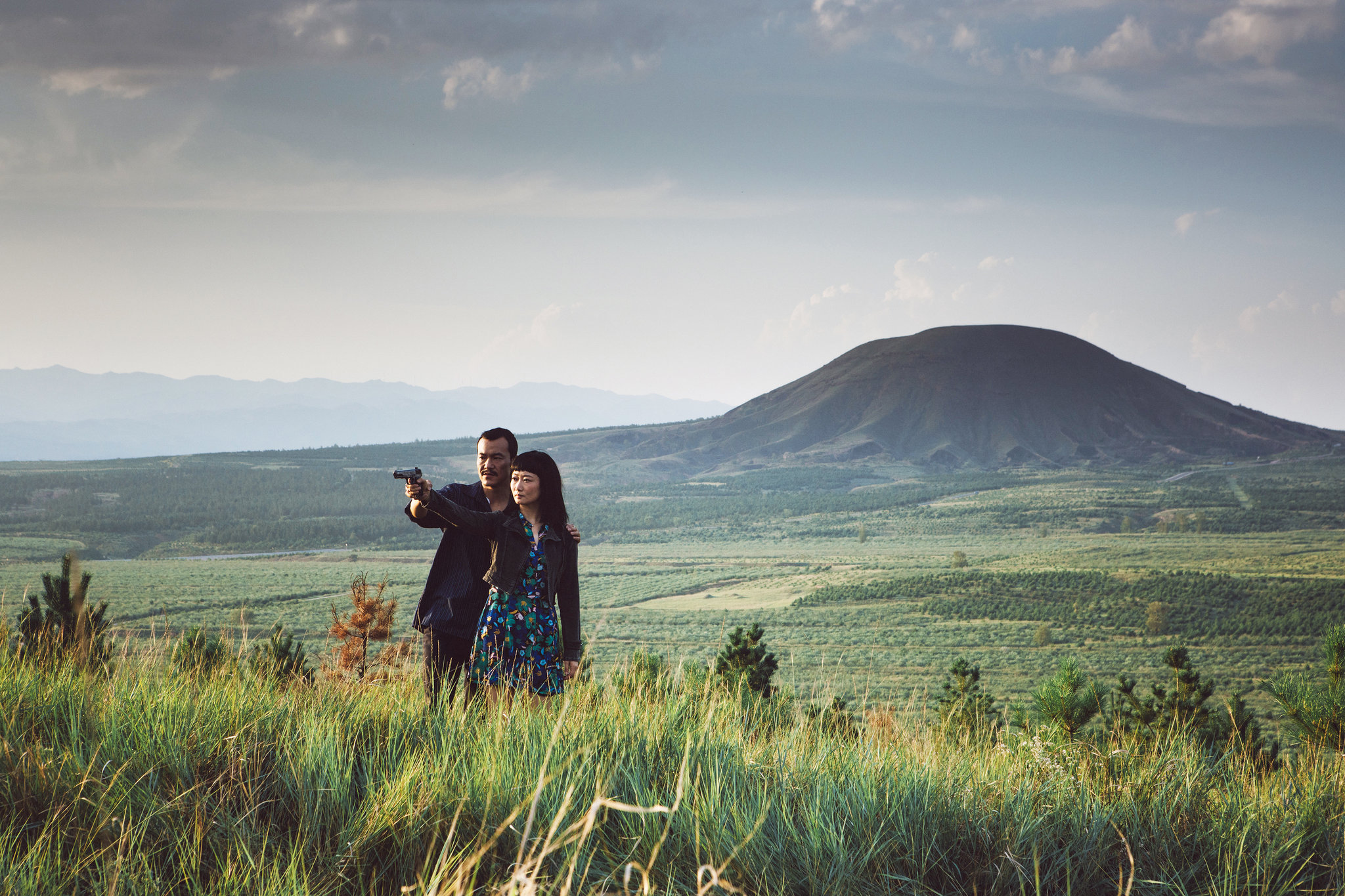
Ash is Purest White (2018)

Through Jia Zhangke’s interweaved motifs of colours and landforms in Ash is Purest White, he creates an epic character study of feminine strength, and its moulding in the fiery heat of adversity.

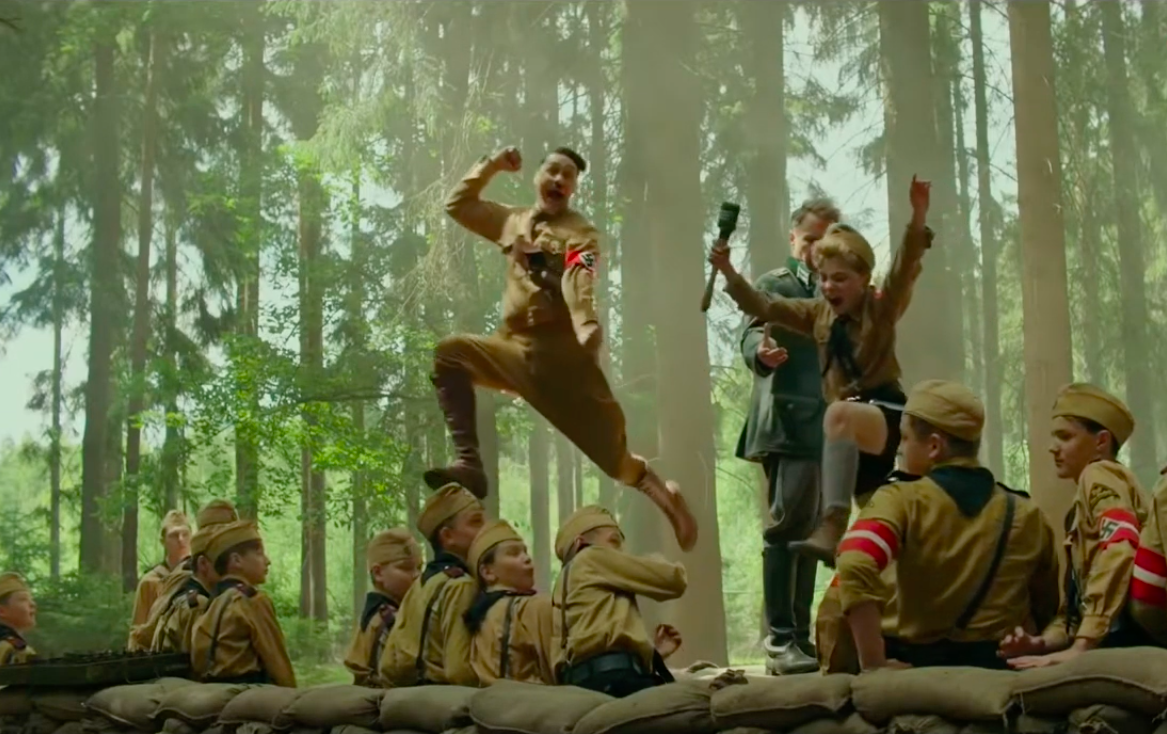
Jojo Rabbit (2019)

It takes a while for the humour, sensitivity, and detail of Taika Waititi’s Nazi satire Jojo Rabbit to settle in, but once it finds its footing, he effectively skewers the cowardice and superficiality of those hateful regimes which hide behind the trusting innocence of their children.

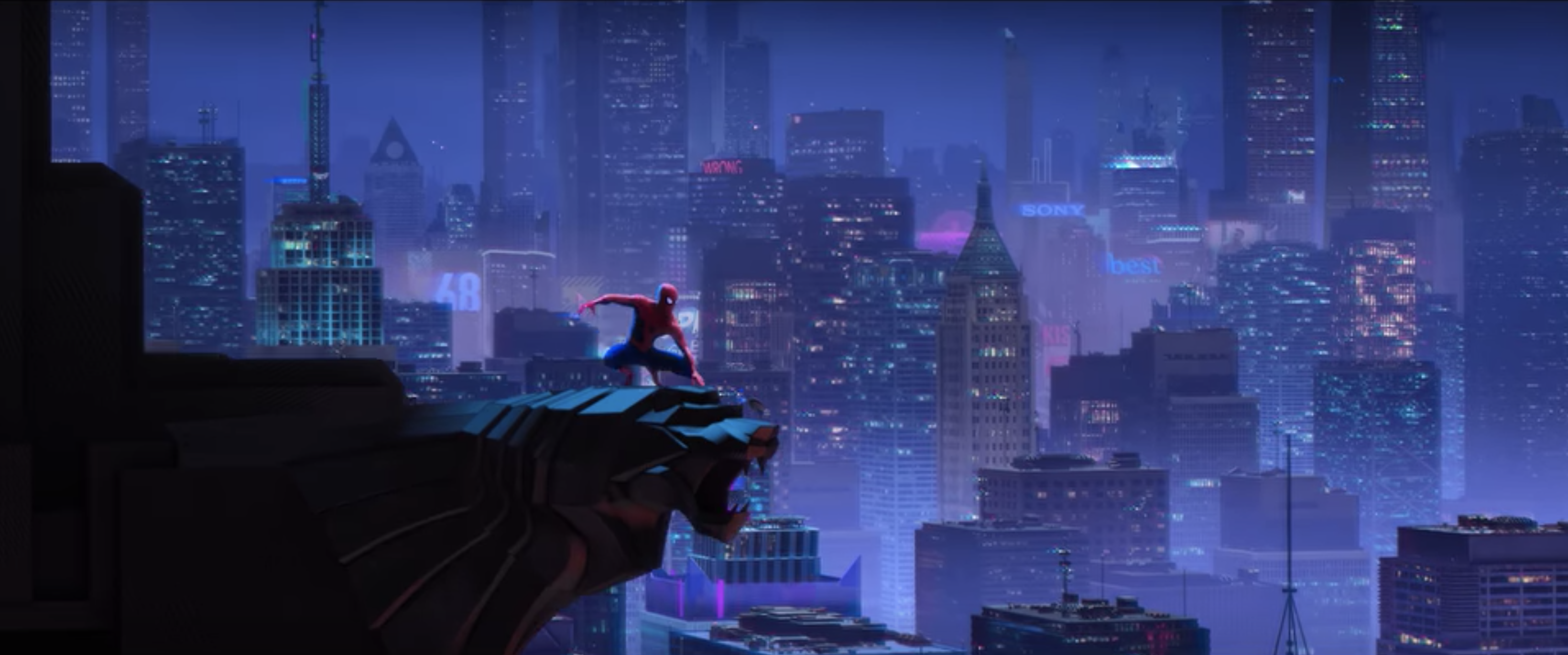
Spider-Man: Into the Spider-Verse (2018)

With one foot in the past and one in the future, Spider-Man: Into the Spider-Verse reflects its own deconstruction of the hero in its visual artistry, examining the patterns and core values which transcend cultures and generations to bind together those who engage in a common fight for justice.

Scroll to Top