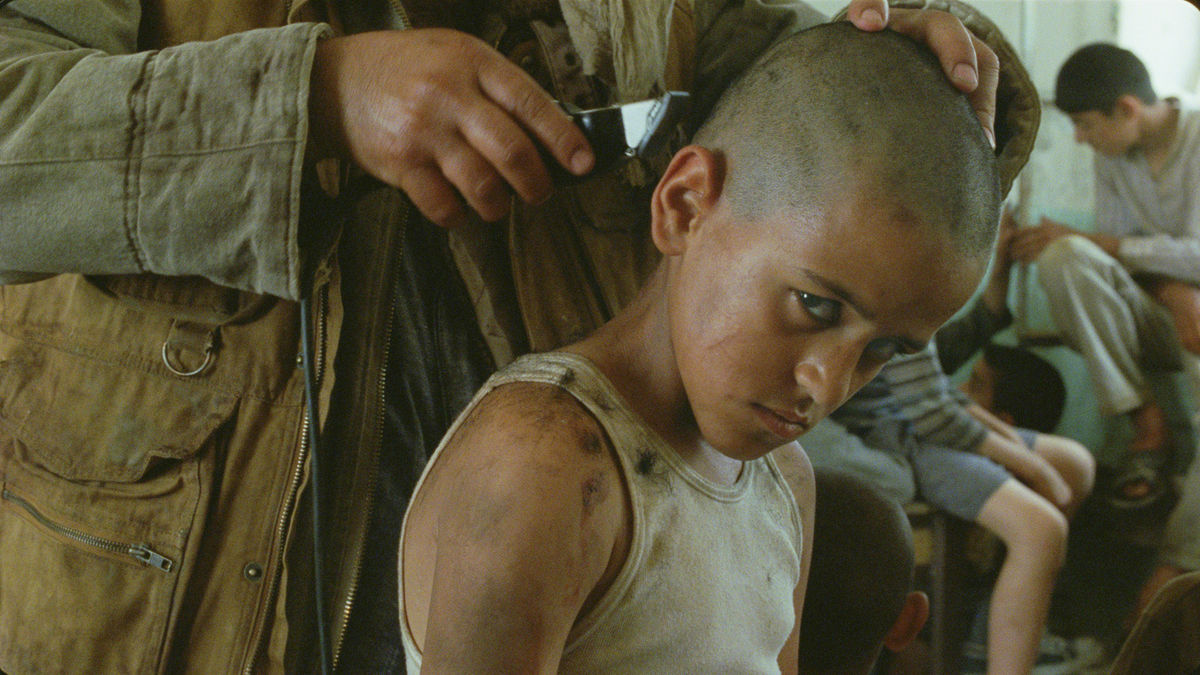
2010s

Midsommar (2019)

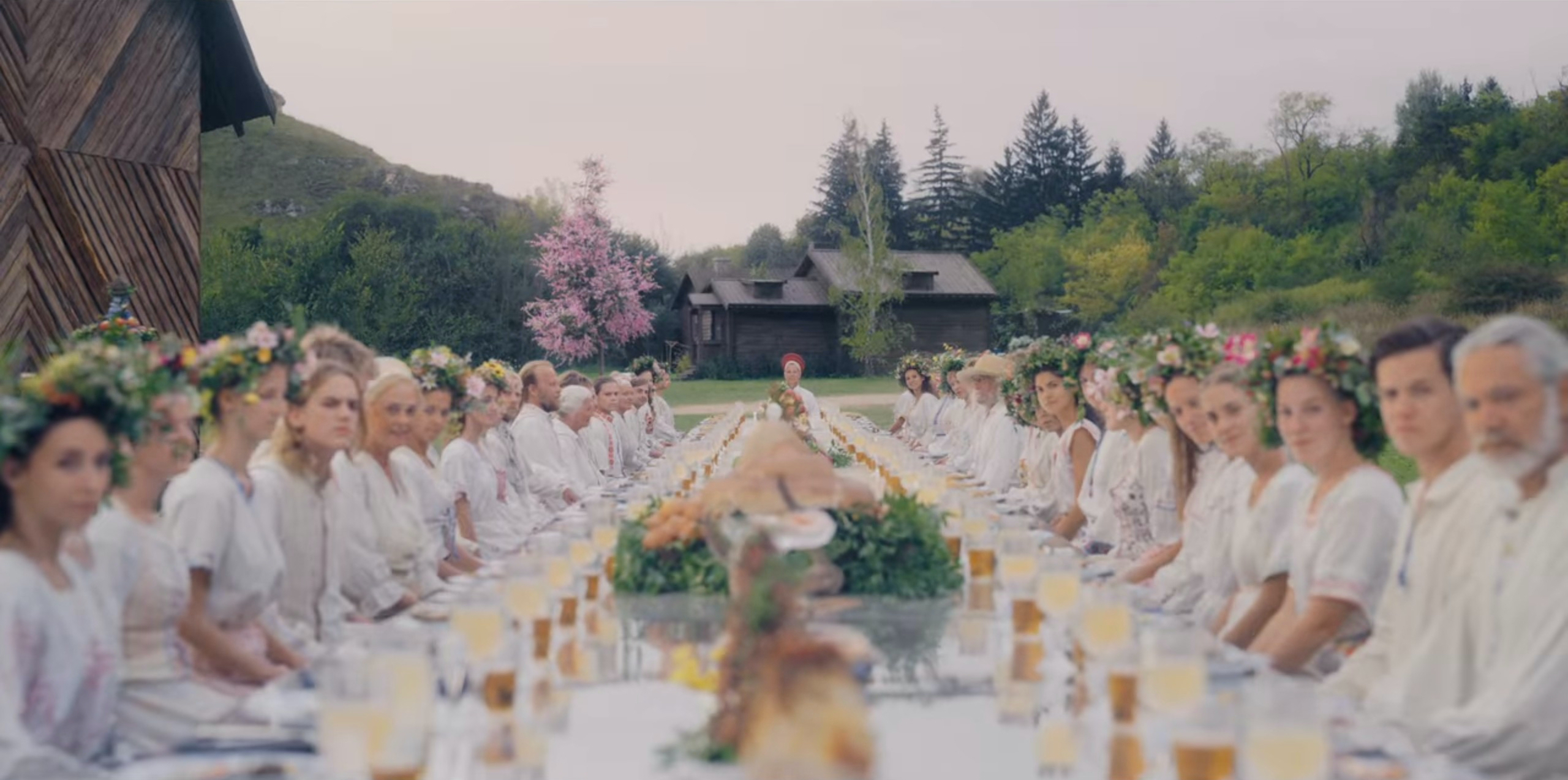
Recovering from a tragedy as horrific as that which Dani experiences in the opening minutes of Midsommar seems impossible, but even more disturbing than this crushing darkness is the insidious monster Ari Aster crafts in the dazzling, psychedelic radiance of a pagan Swedish commune, delivering a distorted catharsis from past trauma through sinister, ancient rituals.

Mr. Turner (2014)

On every level of its stylistic construction, Mr. Turner inhabits the watercolours of its titular historical painter with ethereal elegance, and though this exquisite aesthetic initially seems at odds with the coarse, prickly figure at its centre, Mike Leigh’s exceptional orchestration of such beautiful contradictions affectingly reveals the complex creative processes shared by both artists.

The Master (2012)

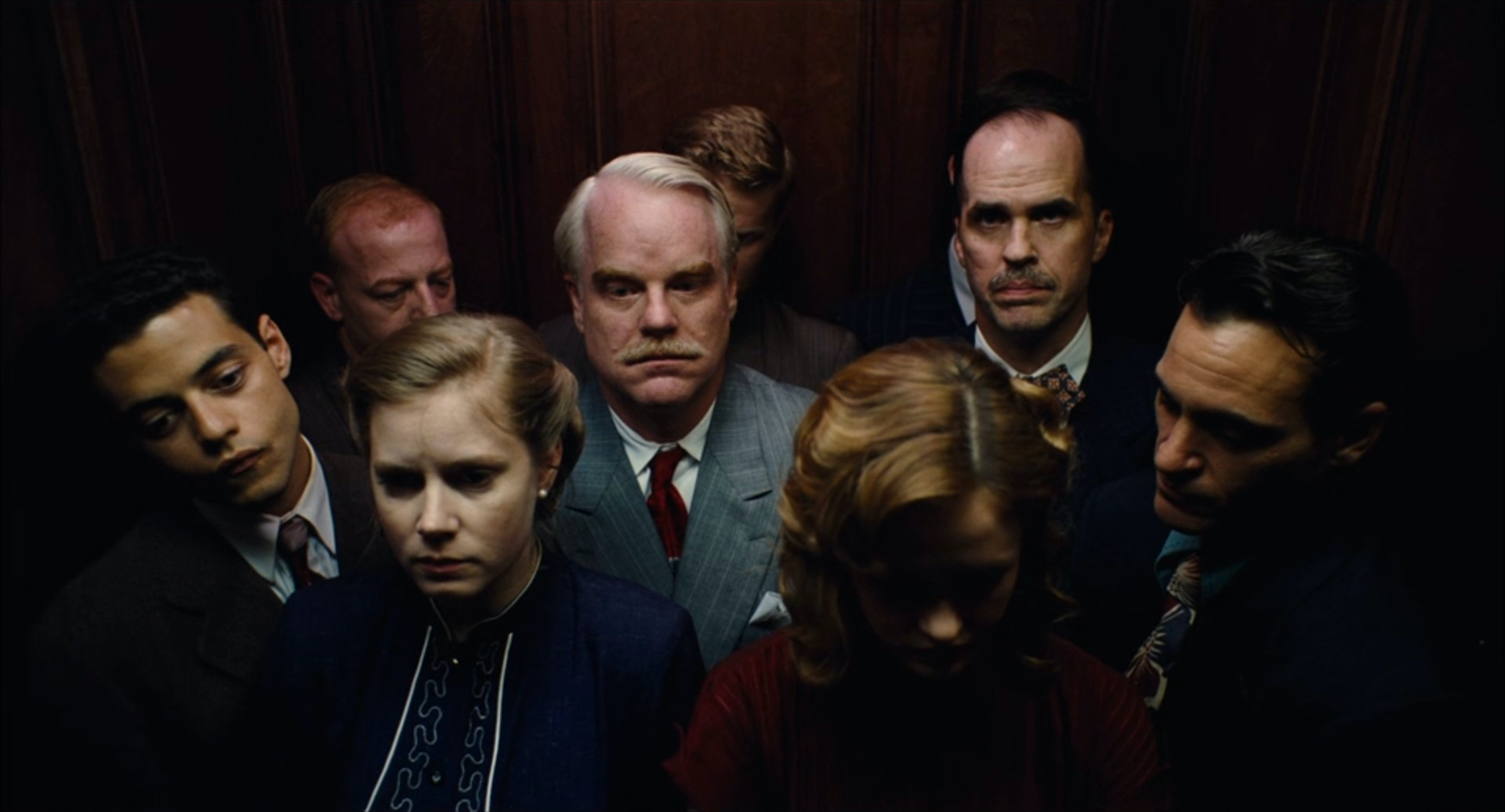
The inverted journeys of self-control and surrender that lonely drifter Freddie Quell and cult leader Lancaster Dodd travel along go beyond excellent screenwriting, but also affirm The Master’s extraordinary formal achievement, as Paul Thomas Anderson layers every single interaction with patterns that elusively float these soulmates through a post-war America lost in its identity.

Oslo, August 31st (2011)

As recovering drug addict Anders drifts between vestiges of his old life on his first day out of rehab, Joachim Trier unfolds a battle in his mind between the future and oblivion, submitting Oslo, August 31st to the cycle of time that poignantly fades away sentimental memories into a mournful recognition of their widespread irrelevance.

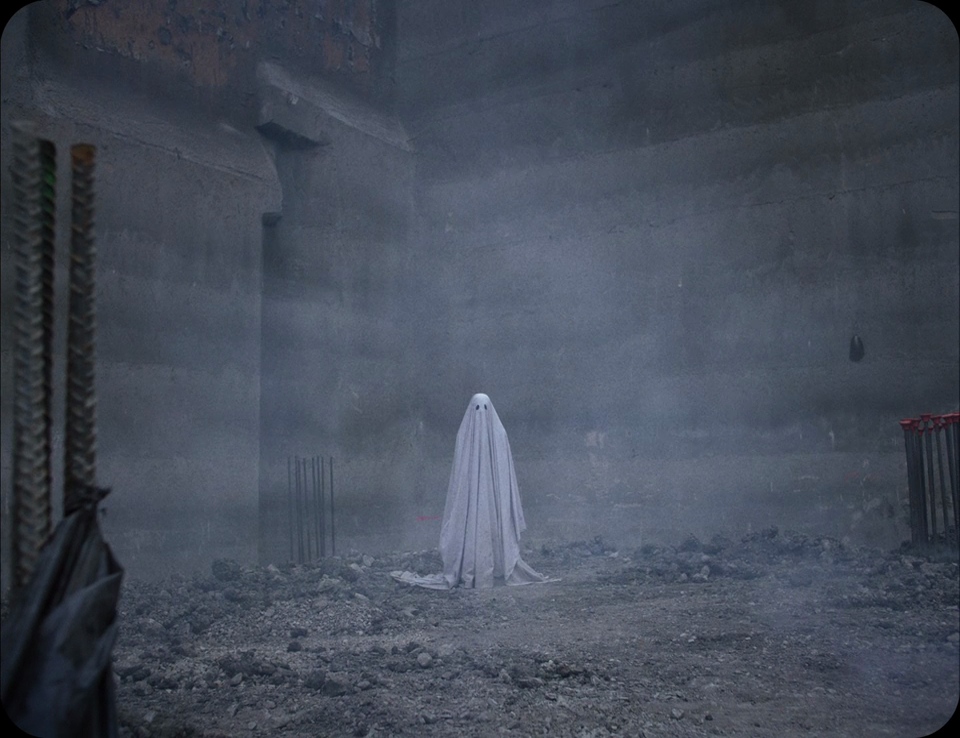
A Ghost Story (2017)

In adeptly translating the inert feeling of grief into a gradually accelerating narrative pace that sees time frustratingly slip away, David Lowery transforms the material world into a quiet limbo of poignant self-reflection, playing out a meditation on loss, history, and existence from the perspective of A Ghost Story’s titular spectre.

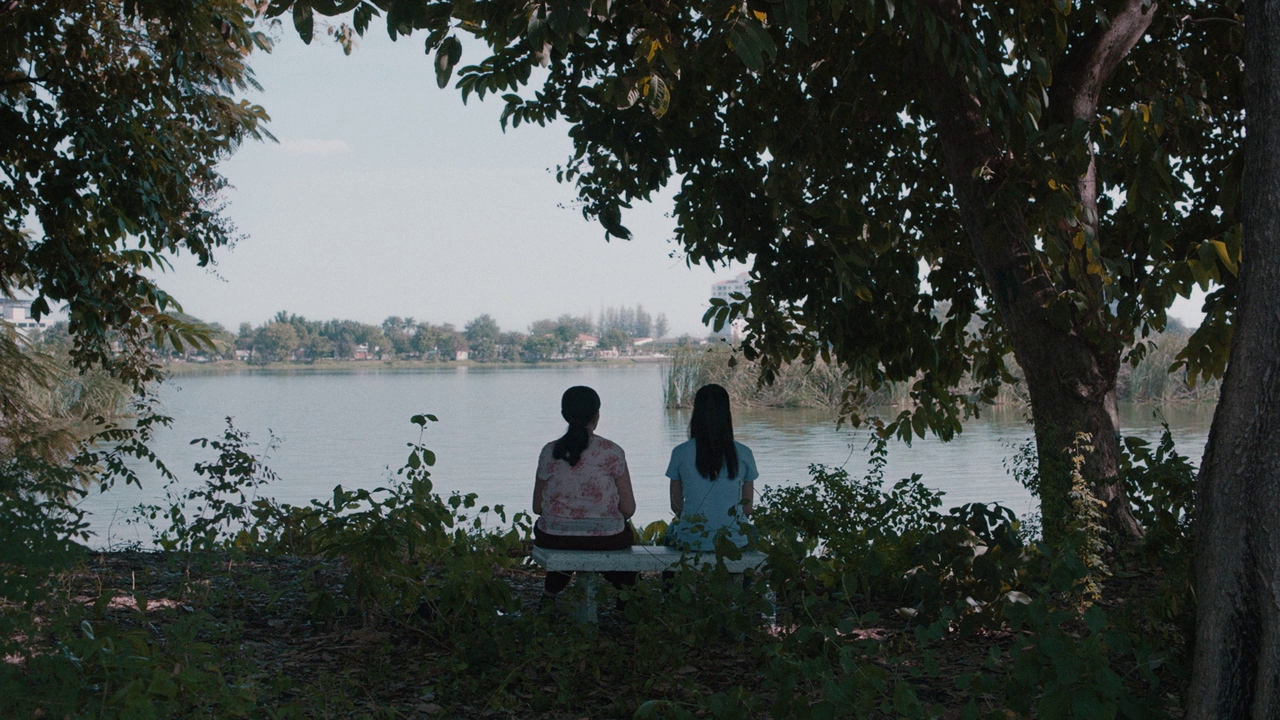
Cemetery of Splendour (2015)

For all the beauty of its hypnotic neon sequences and the intrigue built around a mysterious sleeping sickness that is infecting soldiers, Cemetery of Splendour goes down as one of Apichatpong Weerasethakul’s more modest efforts, though still effectively crafting a mystical political allegory for the historical subjugation a half-conscious nation under the Thai monarchy.

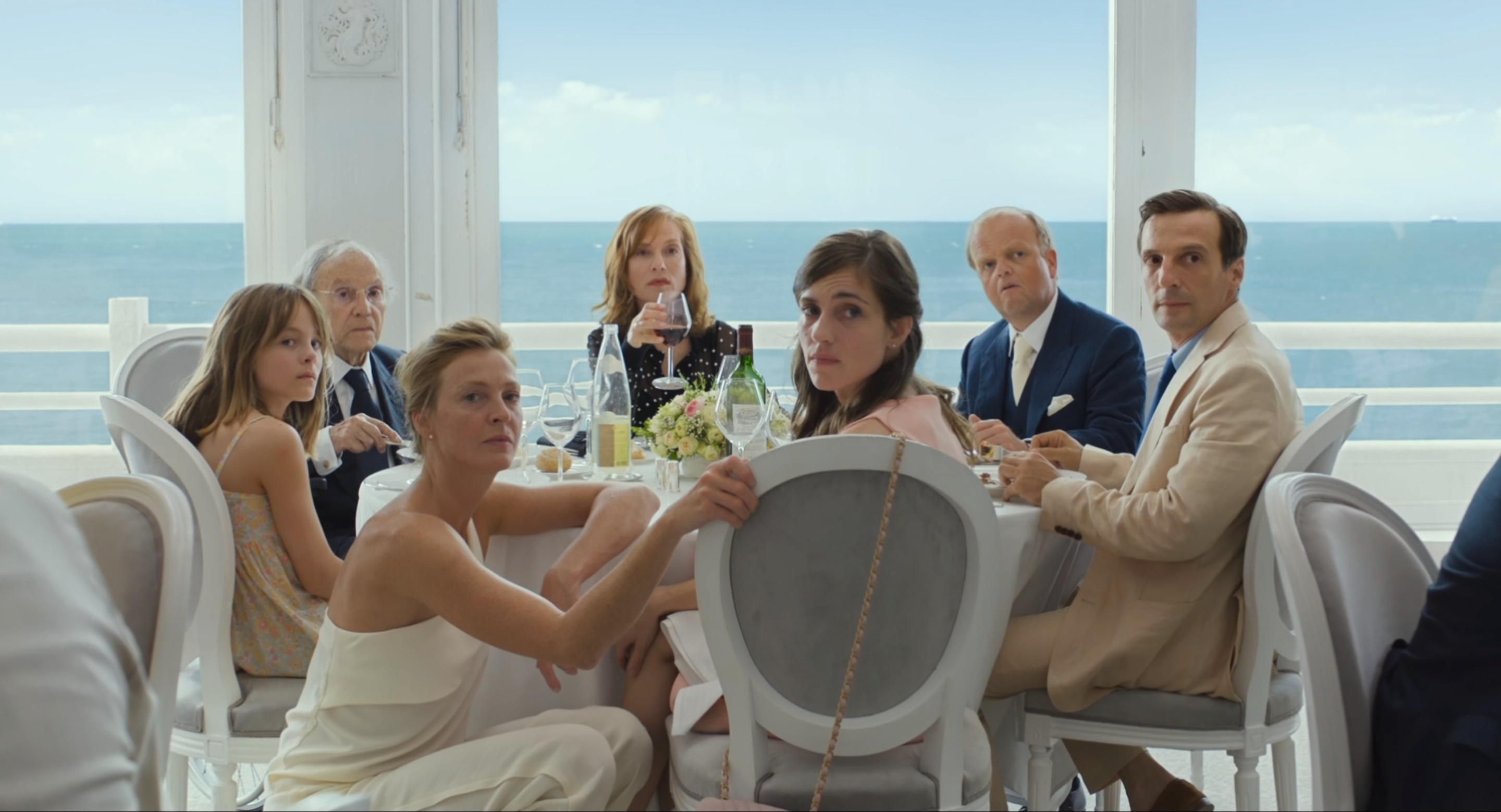
Happy End (2017)

Although Happy End never quite escapes from under the cloud of Michael Haneke’s previous films, its derivative narrative threads do eventually congeal into a greater point around the suppressed misery and hidden depravity of the bourgeoisie, chillingly hidden behind stoic expressions that only isolate them further from the rest of the world.

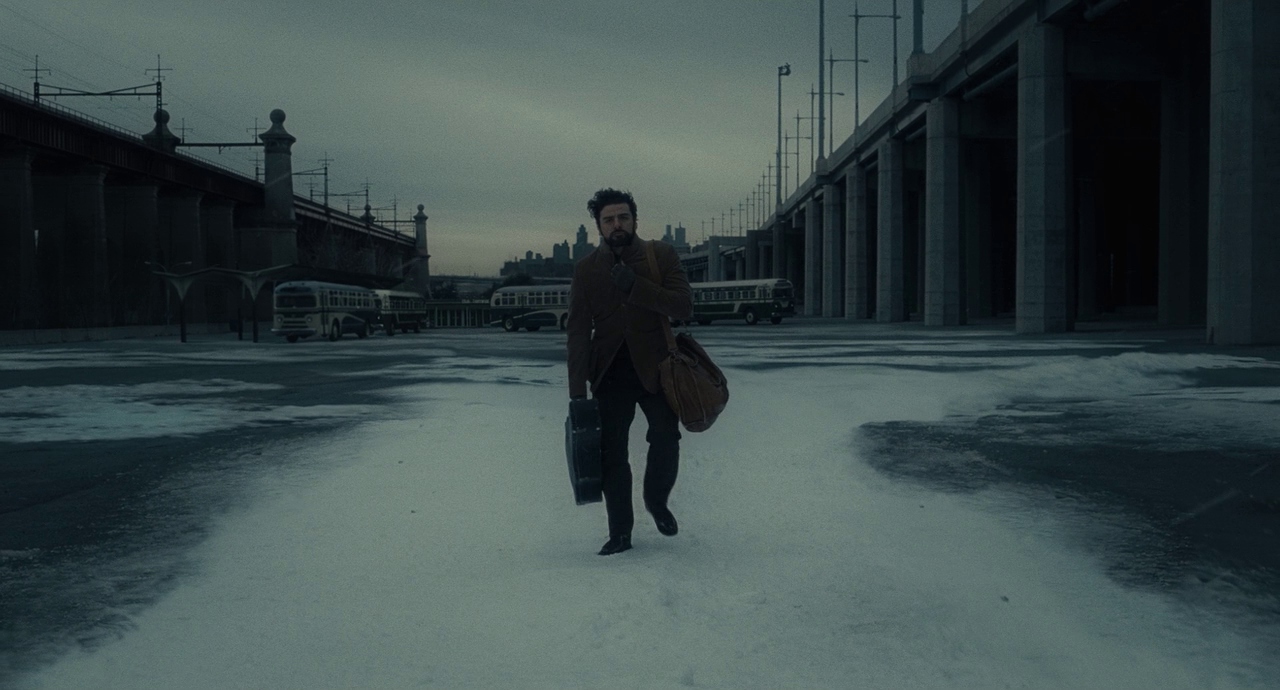
Inside Llewyn Davis (2013)

Like a folk ballad that keeps returning to the same chorus, Inside Llewyn Davis moves in destitute cycles, as its titular character endlessly searches for musical success and self-sabotages relationships, forming the nomadic foundation of the Coen Brothers’ beautifully tactile portrait of adversity.

Incendies (2010)

The characters of Incendies contain remarkable and shocking depths, hidden not just to others but to themselves as well, and the process of uncovering these by tracing the footsteps of family history through the Middle East makes for a disturbingly revelatory journey delivered with a deft hand by Denis Villeneuve.

The Witch (2015)

With extensive historical research backing up his authentic vernacular and bleak visual design, Robert Eggers instils a strangely antiquated sort of realism into The Witch, unfolding the disintegration of an exiled Pilgrim family in a colonial American folktale of horrific supernatural occurrences.

Scroll to Top