2015

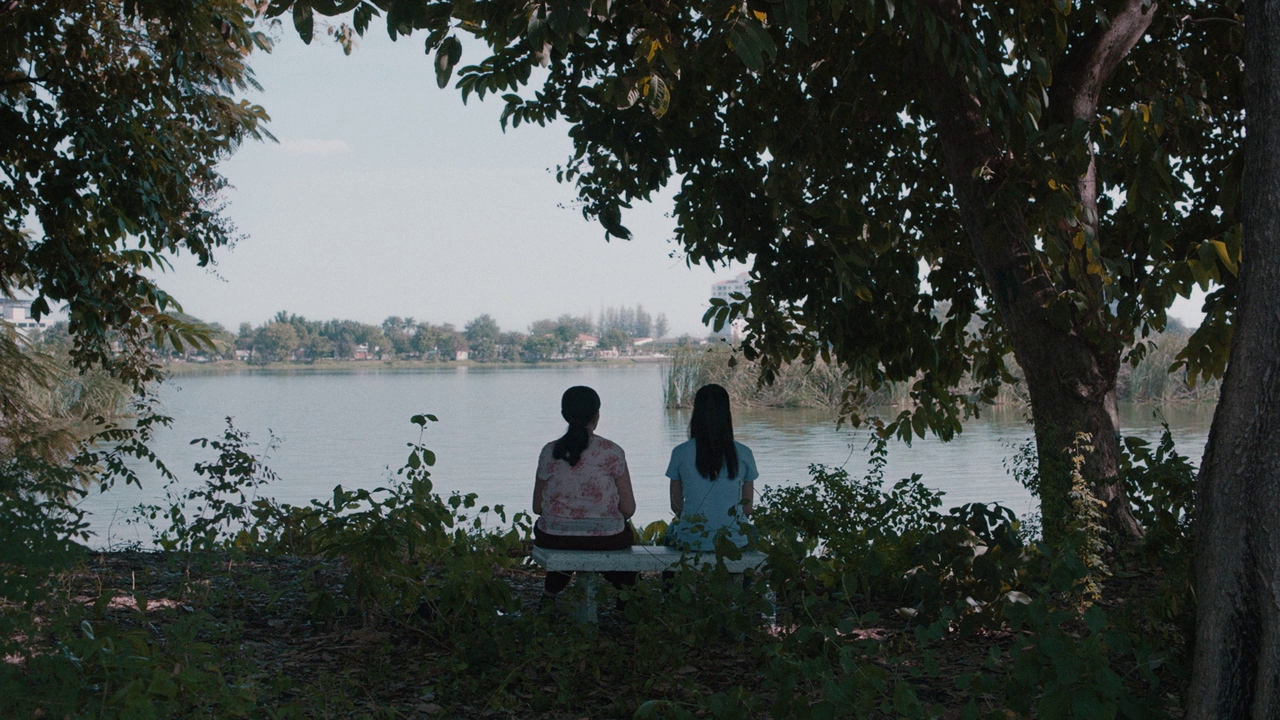
Cemetery of Splendour (2015)

For all the beauty of its hypnotic neon sequences and the intrigue built around a mysterious sleeping sickness that is infecting soldiers, Cemetery of Splendour goes down as one of Apichatpong Weerasethakul’s more modest efforts, though still effectively crafting a mystical political allegory for the historical subjugation a half-conscious nation under the Thai monarchy.

The Witch (2015)

With extensive historical research backing up his authentic vernacular and bleak visual design, Robert Eggers instils a strangely antiquated sort of realism into The Witch, unfolding the disintegration of an exiled Pilgrim family in a colonial American folktale of horrific supernatural occurrences.

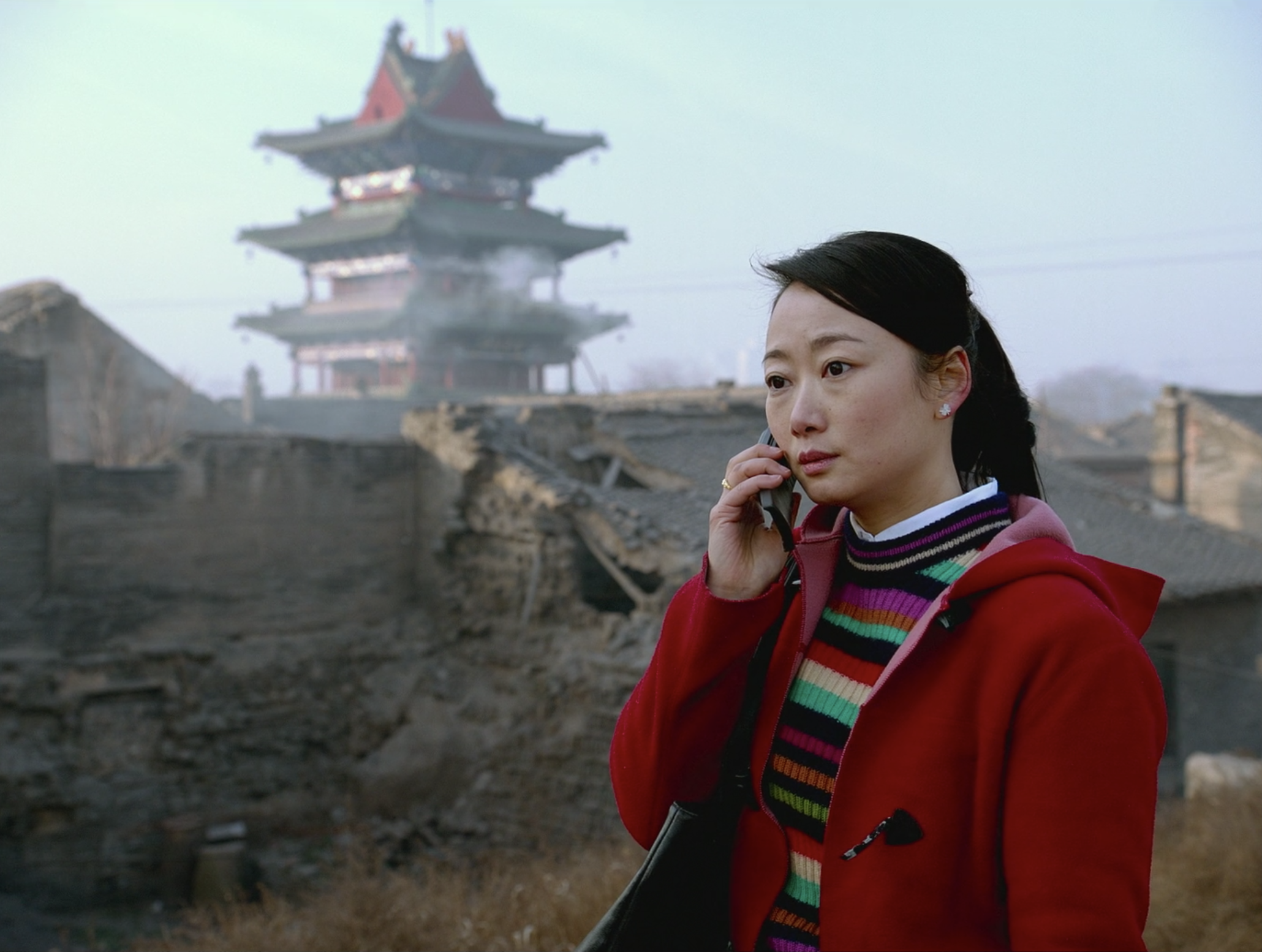
Mountains May Depart (2015)

Mountains May Depart marks Jia Zhangke’s most significant withdrawal from his distinctive, neorealist style, and although the film is a little weaker for it, he still finds a deep poignancy in the widening generation gap separating China’s past from its future.

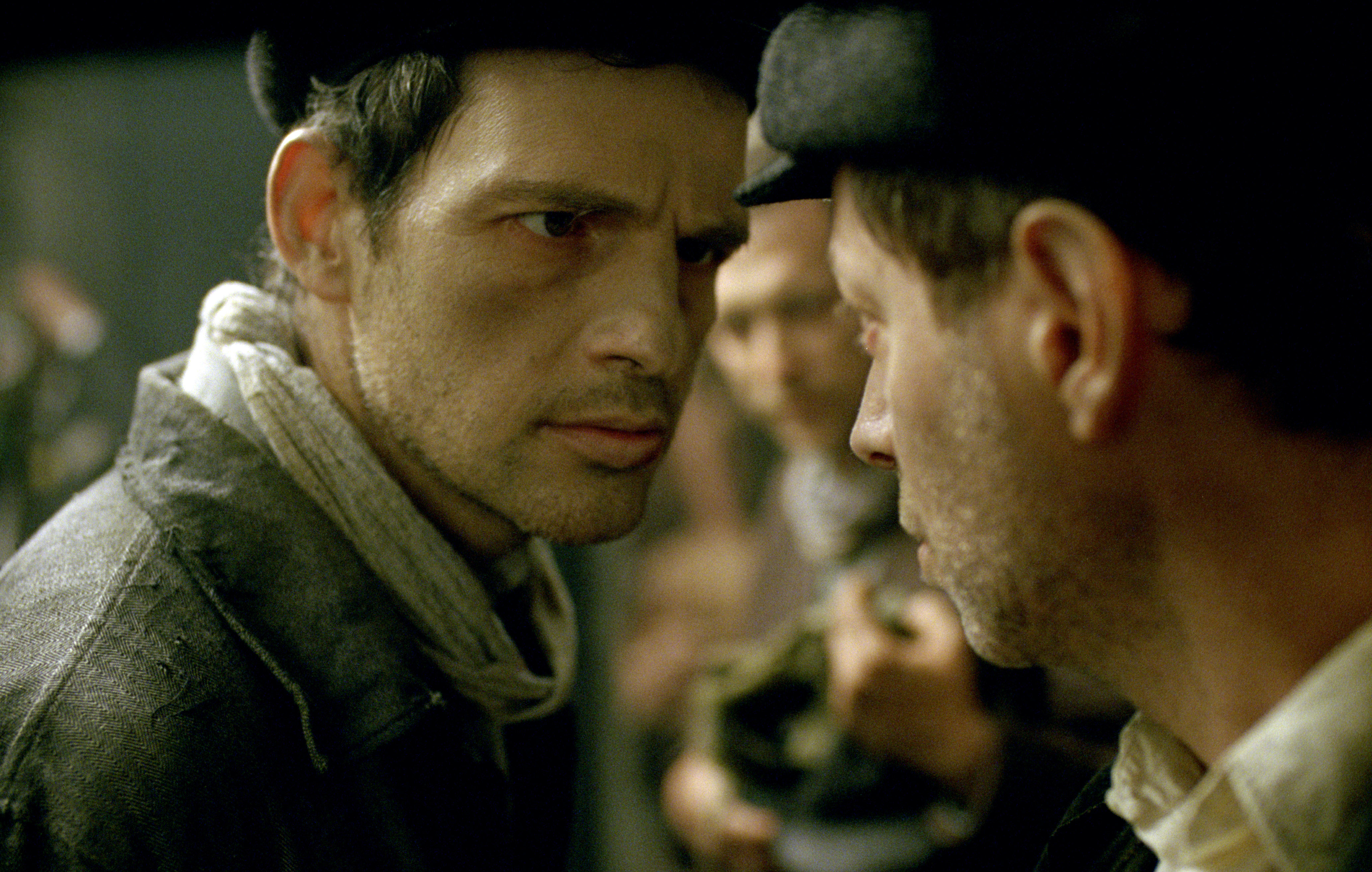
Son of Saul (2015)

Through László Nemes’ rigid, principled application of close-up tracking shots and a shallow focus that keeps the horrors of the Nazi concentration camp setting just barely out of sight, he effectively narrows the scope of Son of Saul to a single, harrowing perspective of an otherwise monumental blight on human history, and in doing so delivers one of the most traumatic depictions of war committed to film.

Scroll to Top