1980s

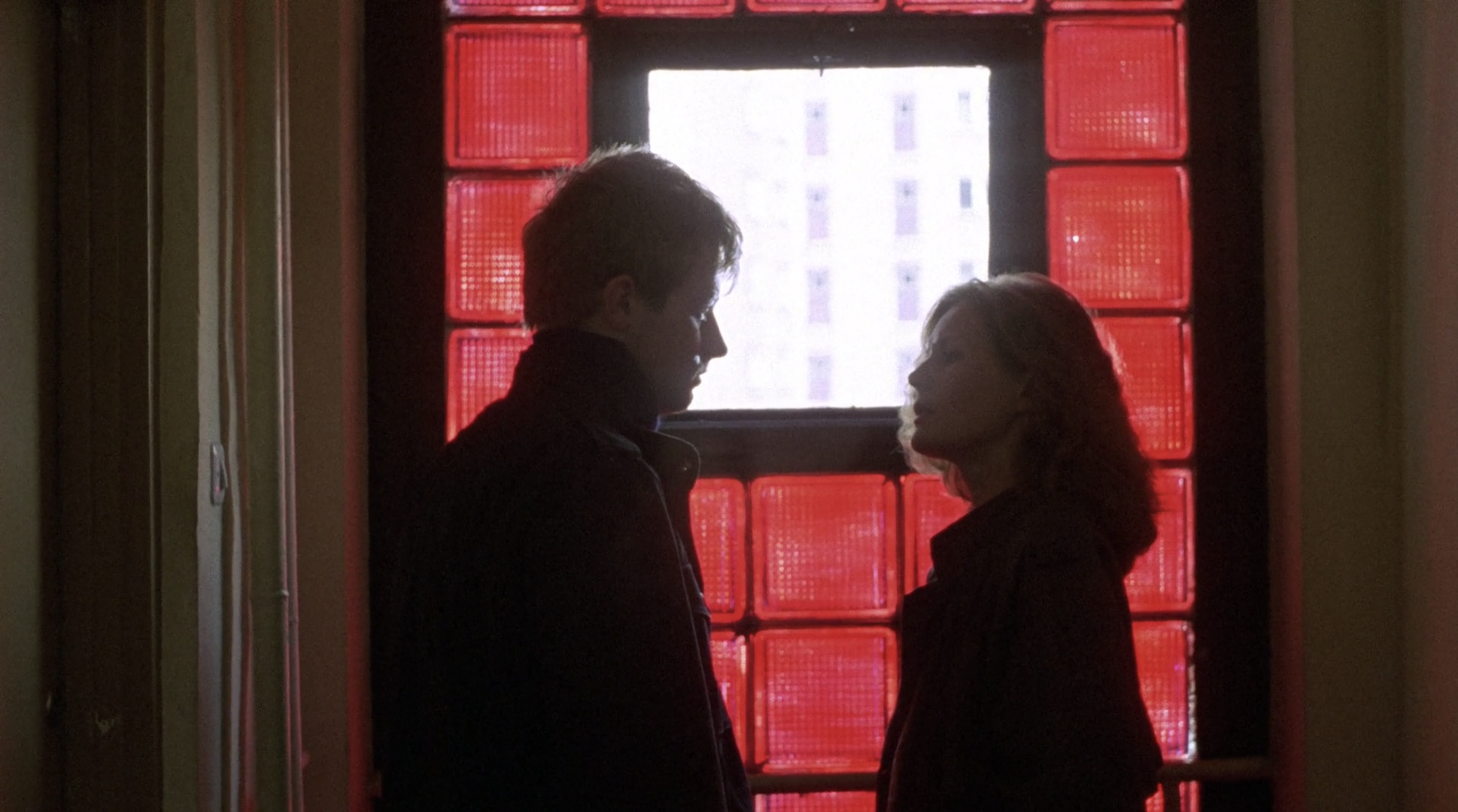
Mon Oncle d’Amerique (1980)

There is certainly some awe-inspiring beauty lost in an anthropological study of human nature as intensive as Mon Oncle d’Amerique, and yet in the formal cohesion of such unconventional motifs, collaged narrative threads, and punctuative editing, Alain Resnais devises a truly compelling piece of dense, intellectual poetry, dedicated to our most unifying quirks and habits.
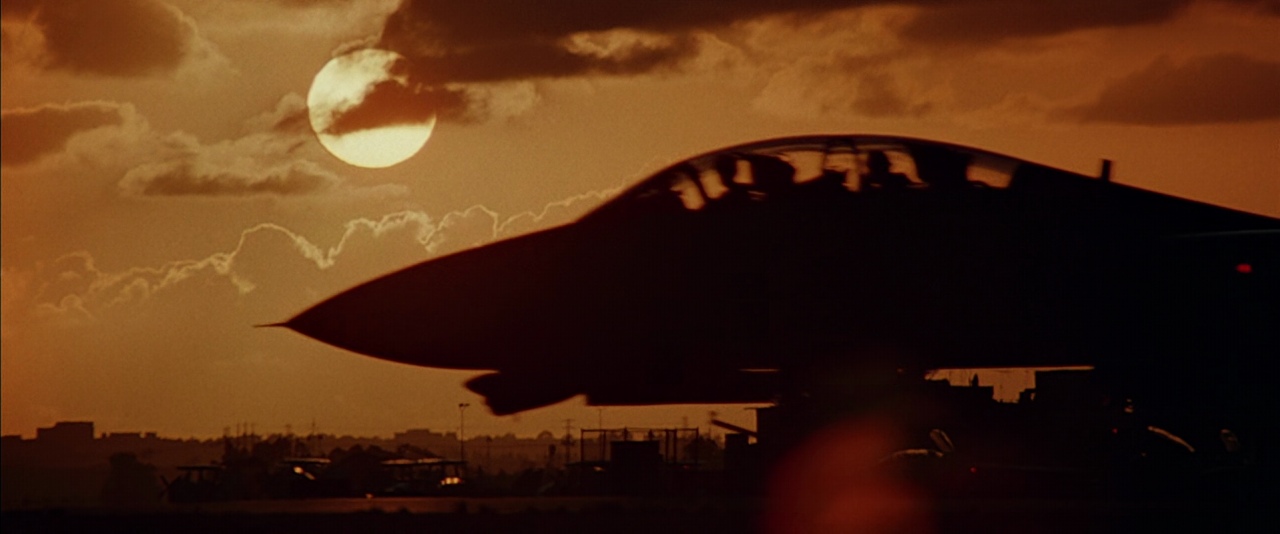

Top Gun (1986)

With the magnetic charisma of Tom Cruise and Tony Scott’s exhilarating aerial jet sequences, Top Gun stands as an admirable piece of action cinema, lifting the genre up to new heights and coasting along on its electrifying pacing.

No End (1985)

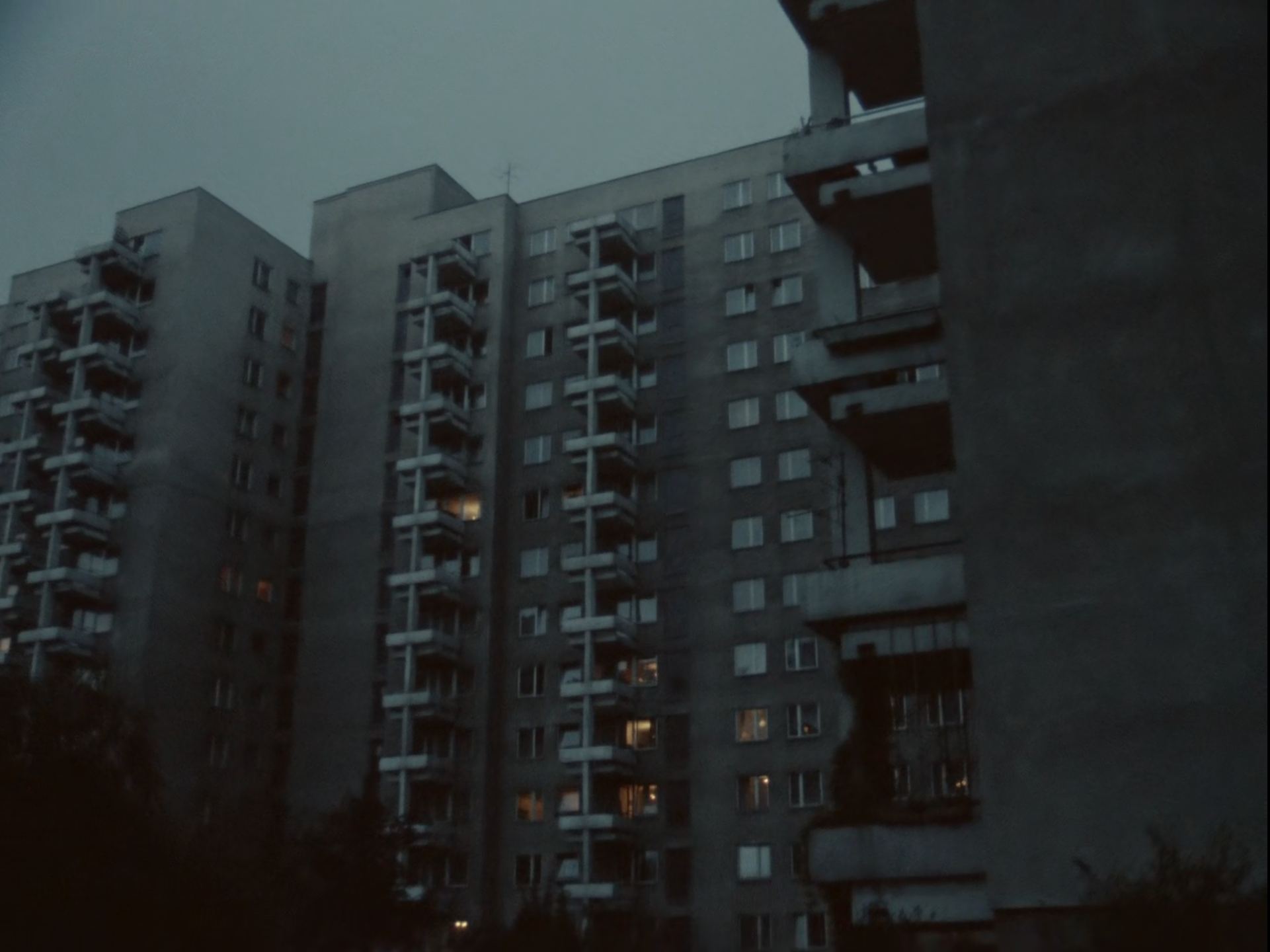
Four days on from the passing of Polish lawyer Antek in No End, his ghost still haunts his widowed wife and final client, forming the metaphorical basis of Krzysztof Kieslowski’s solemn eulogy for a defeated political movement that spiritually unites its mourners, and whose death carries demoralising implications across multiple levels of society.

Blind Chance (1981)

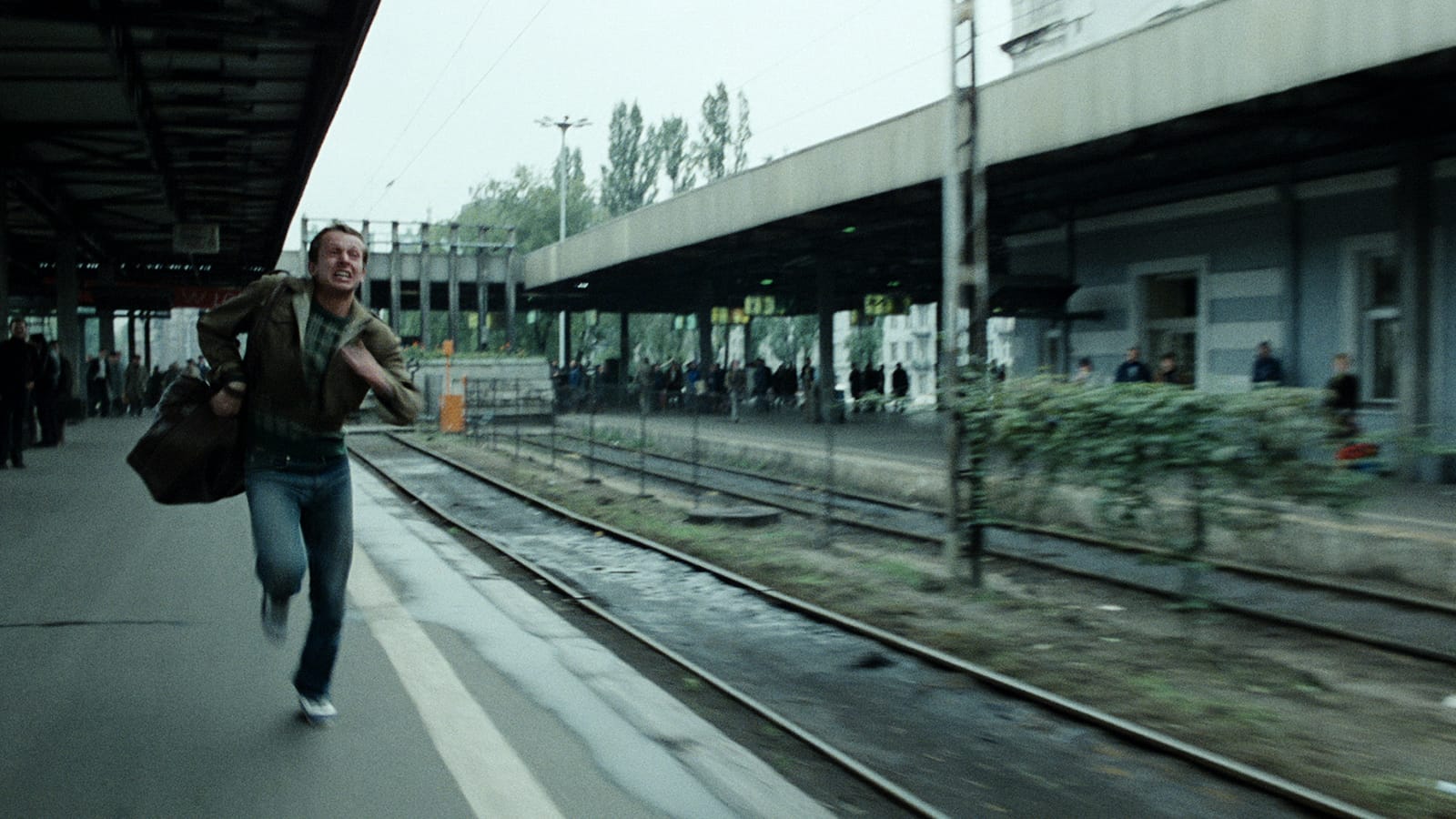
As one man runs towards his departing train in Blind Chance, Krzysztof Kieslowski splits his life into three separate timelines that send him down conflicting paths, thoughtfully probing metaphysical questions of fate and regret while exposing the flimsiness of political conformity in 1980s Poland.

Escape From New York (1981)

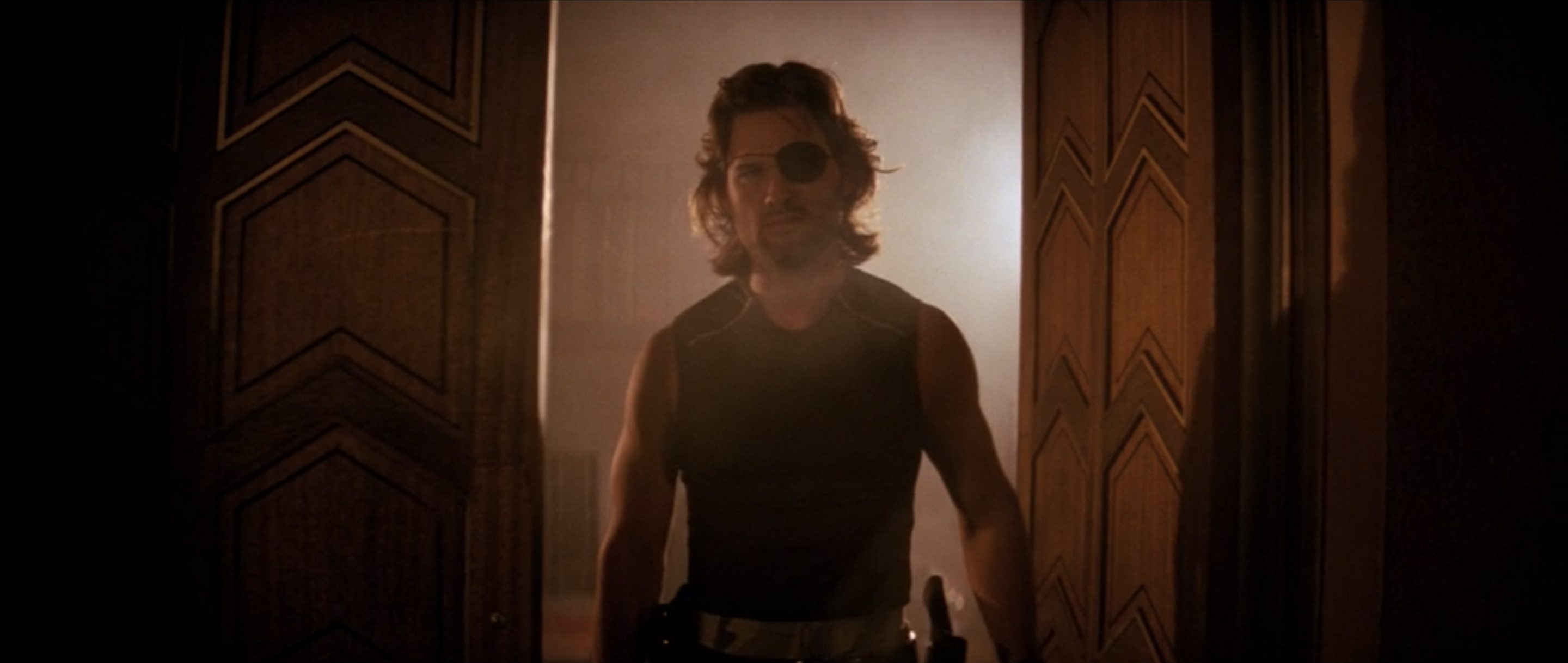
Escape From New York is a dystopian sci-fi, an action, but most of all it runs by the Western playbook, as John Carpenter sets up ex-soldier Snake Plissken as a swaggering hero tasked with rescuing the president from the giant prison that was once Manhattan Island, and setting its monstrous steel and concrete structures up as decrepit, urban labyrinth brimming with anarchy and chaos.

Body Heat (1981)

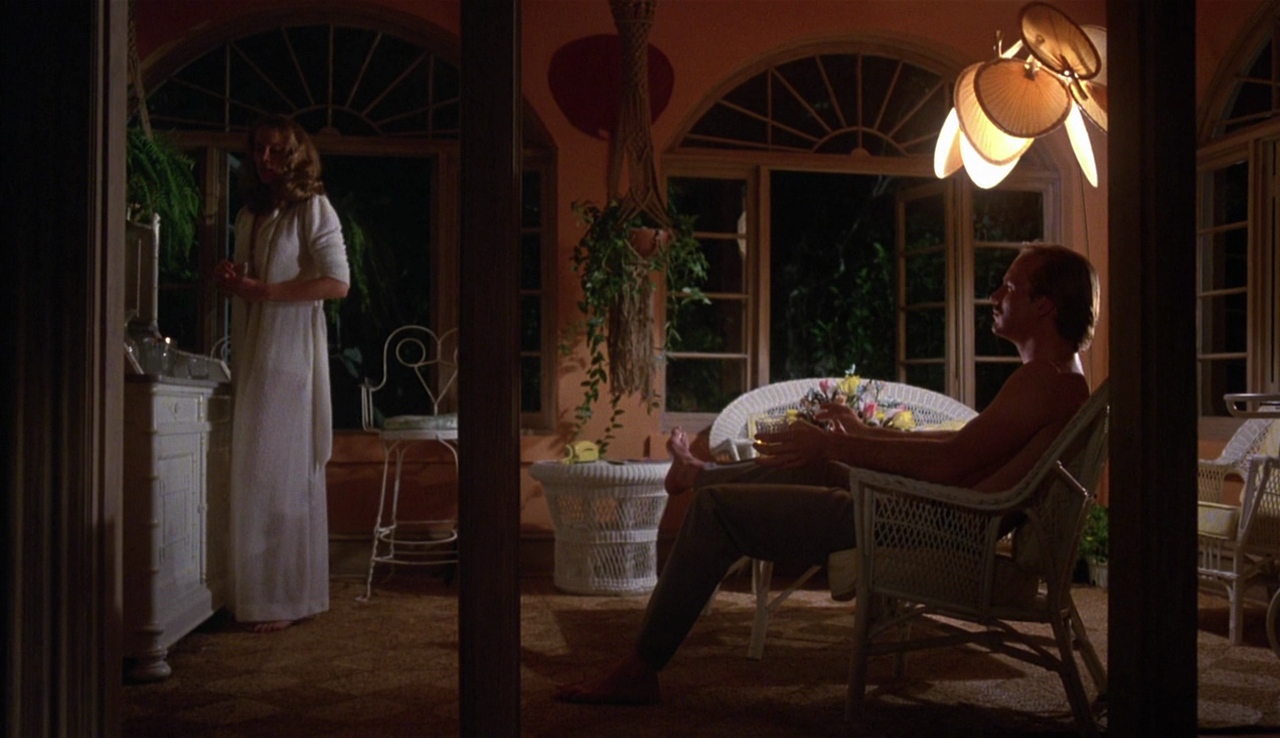
Body Heat surely isn’t the first film to push the boundaries of the neo-noir, but it may one of the most overwhelmingly passionate, as Lawrence Kasdan fills its air with a thick, humid wantonness that few of its many characters truly knows how to navigate.

Dekalog (1989)

For all its authentic grounding in the culture of 1980s Poland, Krzysztof Kieslowski’s Dekalog remains a mystical piece of theological cinema for its complex examination of the Ten Commandments in a series of contemporary moral fables, collectively provoking deep contemplation through an omniscient perspective akin to that of an all-seeing God.

A Short Film About Love (1988)

The Hitchcockian setup of an obsessive voyeur with a telescope in A Short Film About Love is very familiar, but in place of a suspenseful mystery Krzysztof Kieslowski instead absorbs us in a compelling morality play concerning two opposed yet twisted perceptions of love – the romanticisation of one-sided affection, and the complete denial of its existence.

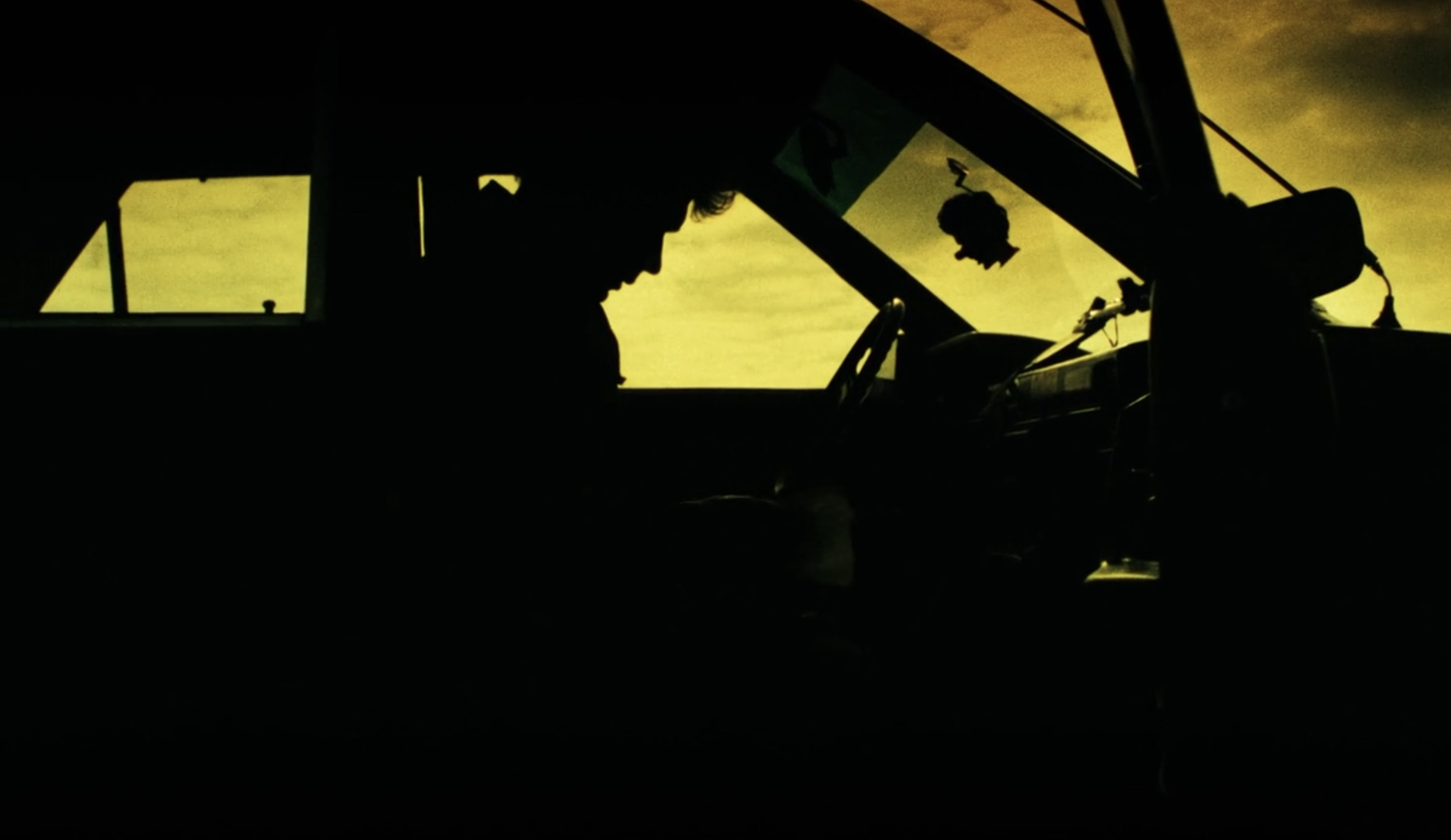
A Short Film About Killing (1988)

The vision of Warsaw that Krzysztof Kieslowski presents in A Short Film About Killing is a barren wasteland of mud and shadows, strained through a sickly, jaundiced filter that unnervingly reveals the truly grotesque horror in justifying the malevolent destruction of human life.

A Zed and Two Noughts (1985)

The very structure of A Zed and Two Noughts is marked by a symmetry that Peter Greenaway is compelled to tease all through his colourfully ostentatious mise-en-scène, centring a pair of twin zoologists whose disturbing studies of life and decomposition mirror the film’s own taxonomical obsessions.

Scroll to Top