1960s

Hud (1963)

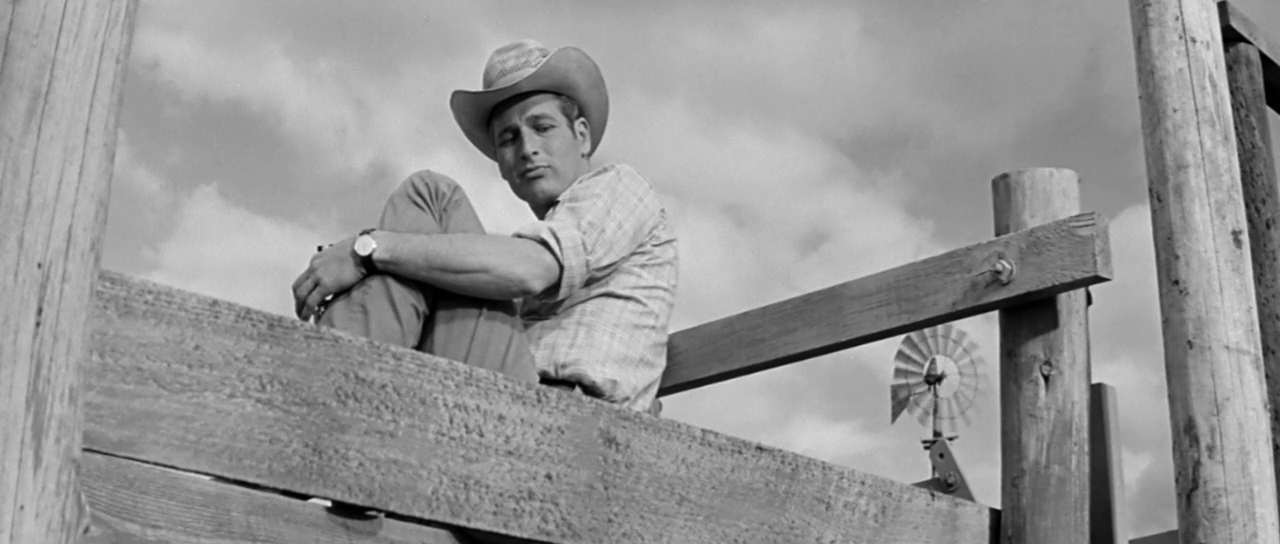
Just like the infectious disease slowly killing Hud’s family ranch, this selfish child of the Old West callously destroys the proud legacy that his ancestors spent lifetimes nurturing, as Paul Newman takes the abrasive, hyper-masculine archetype of the individualistic hero to its logical conclusion against Martin Ritt’s bleak landscapes of a dying Texan town.
Charade (1963)

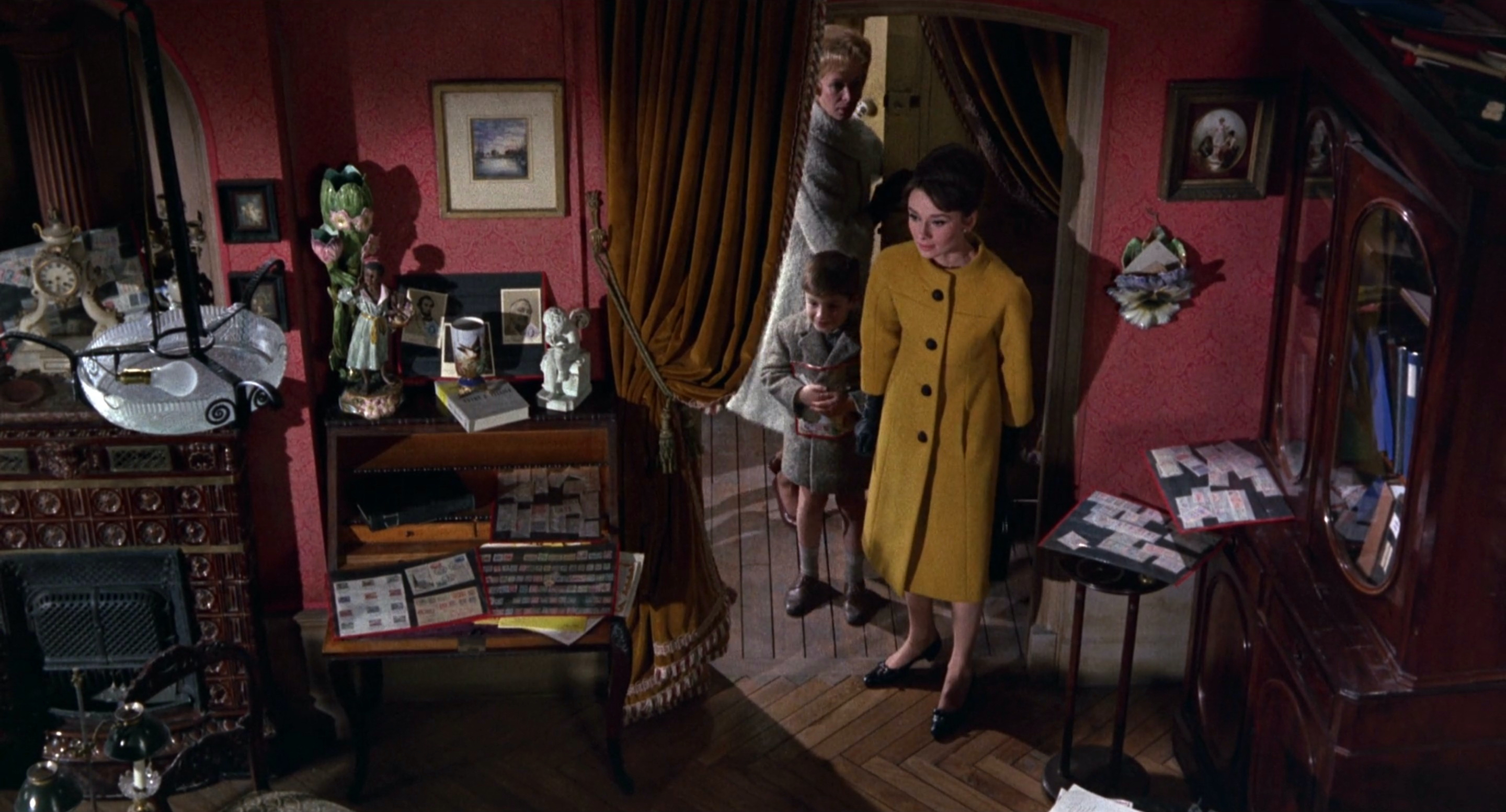
Stanley Donen’s eclectic mix of calculated plotting, screwball antics, and authentic location shooting makes for a fascinating blend of tones in Charade, and yet he skilfully integrates all three with playful ease, infusing its Hitchcockian espionage narrative with an air of Parisian romance and peril.

The Color of Pomegranates (1969)

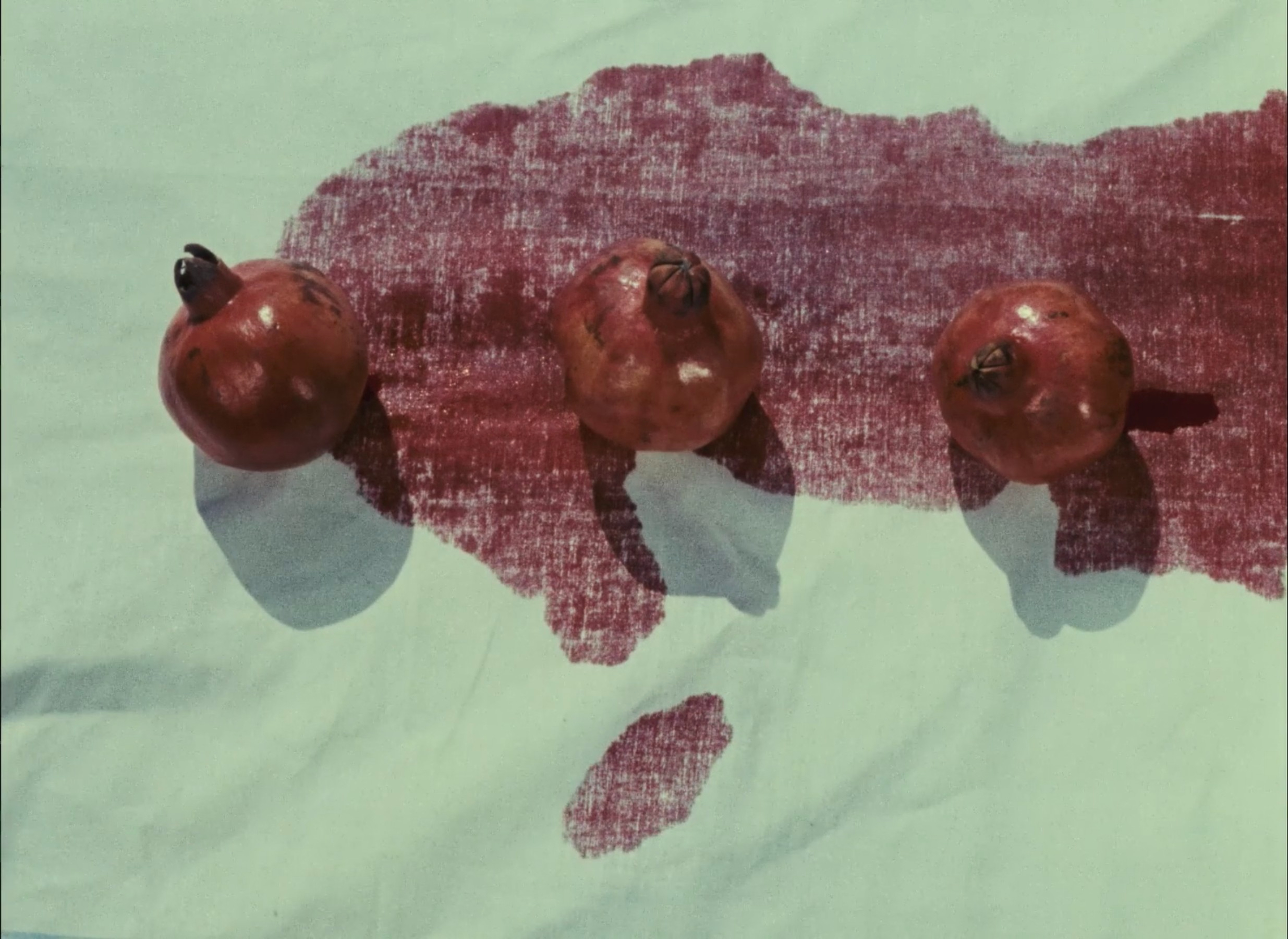
It is not the factual details of Sayat-Nova’s life that The Color of Pomegranates seeks to explore in its hypnotic surrealism, but rather his inner creativity that gave birth to such enchanting music and poetry, and it is through Sergei Parajanov’s elusive imagery that it stands as a mystifying tribute to Armenia’s rich history and culture, vibrantly independent of any political or cinematic convention.

Shoot the Piano Player (1960)

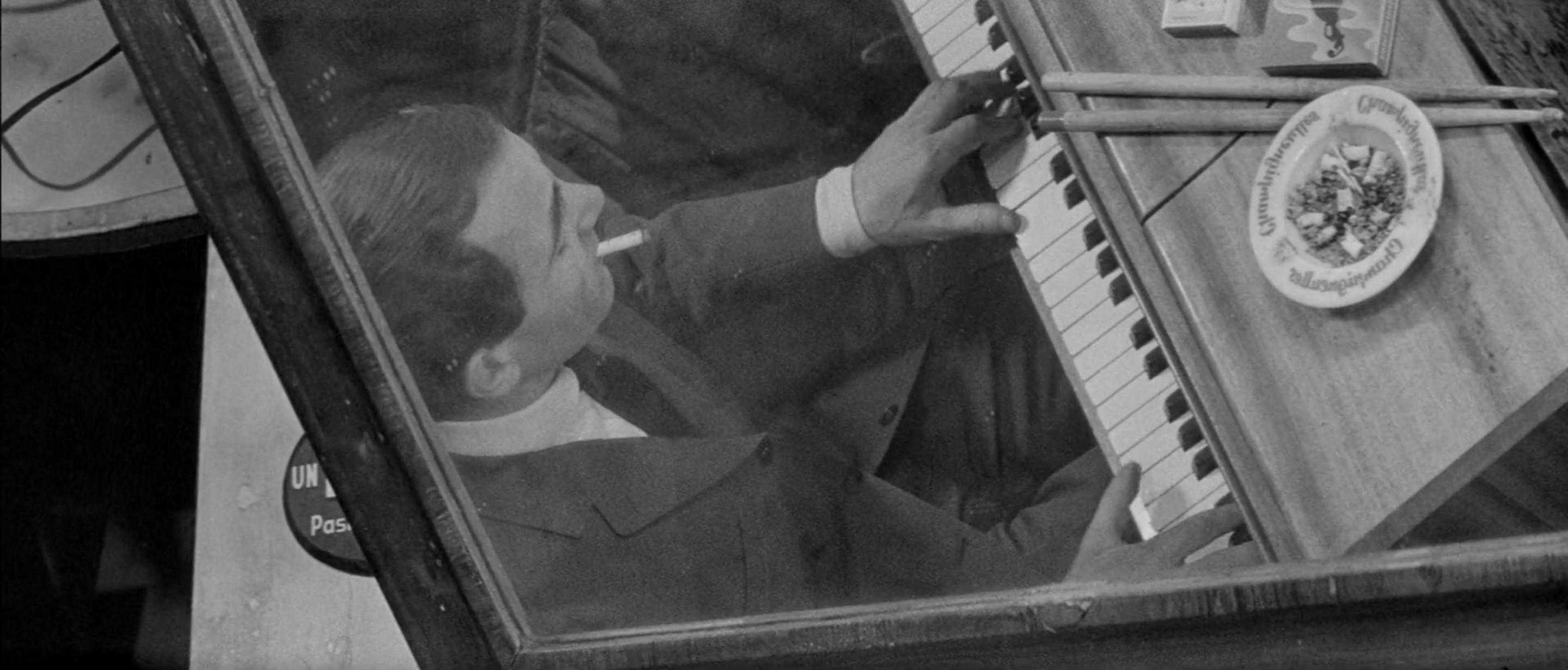
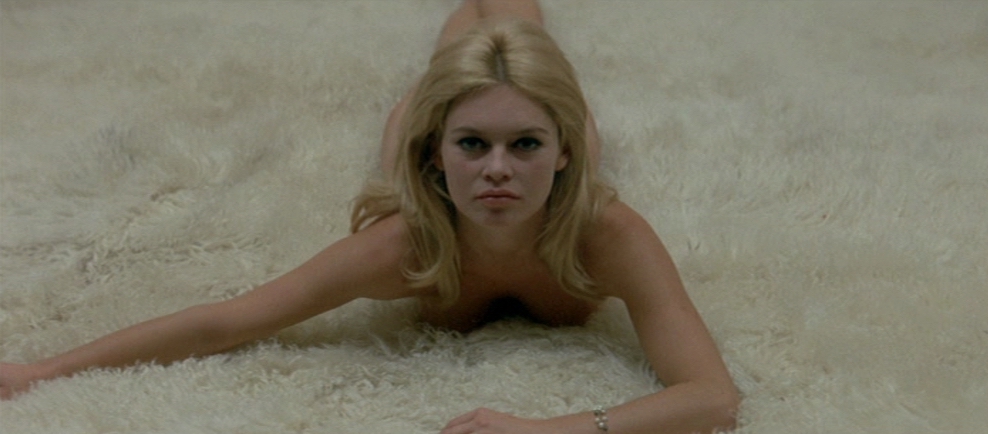
François Truffaut’s graceful camerawork and inspired editing delightfully engage in the jaunty lightness that flows from one mysterious bar pianist’s lithe fingers, though for all his lively formal experimentation, Shoot the Piano Player also seeks to understand the wistful tragedies and romances of a reclusive man hiding behind cheerful musical expressions.

Alphaville (1965)

Futuristic visual designs do not always mesh so well with low-budget location shooting, but for a postmodern master of cinematic form like Jean-Luc Godard, such delightful incongruity only strengthens his deconstruction of film noir and science-fiction genres in Alphaville, which both examines and becomes an act of rebellion against artistic censorship in its very construction.

Black Girl (1966)

In its acute examinations of racial oppression, Black Girl stands proudly as a tentpole of both African cinema and Ousmane Sembène’s directorial career, evoking the stylistic sensibilities of the French New Wave while forming a sensitive, post-colonial allegory that leads us through one Senegalese woman’s memoirs into her traumatic experience as a domestic slave.

Playtime (1967)

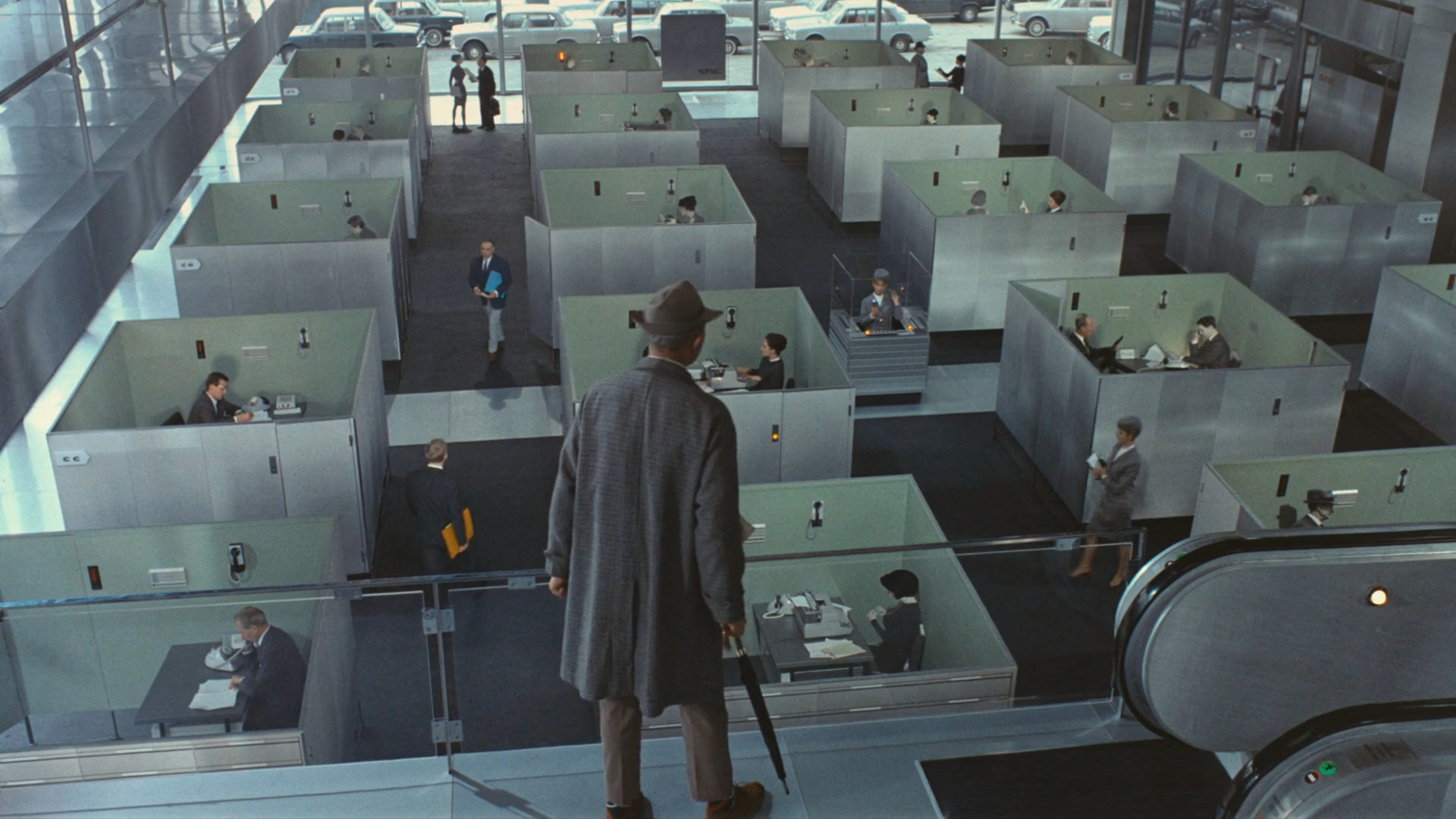
Jacques Tati’s bizarre, elaborate vision of Paris in Playtime is an intricately stacked construction of modernist architecture and comedic set pieces, sending up the soulless conformity of commercial society with a cinematic vision as monumentally ambitious as it is methodically delicate.

Planet of the Apes (1968)

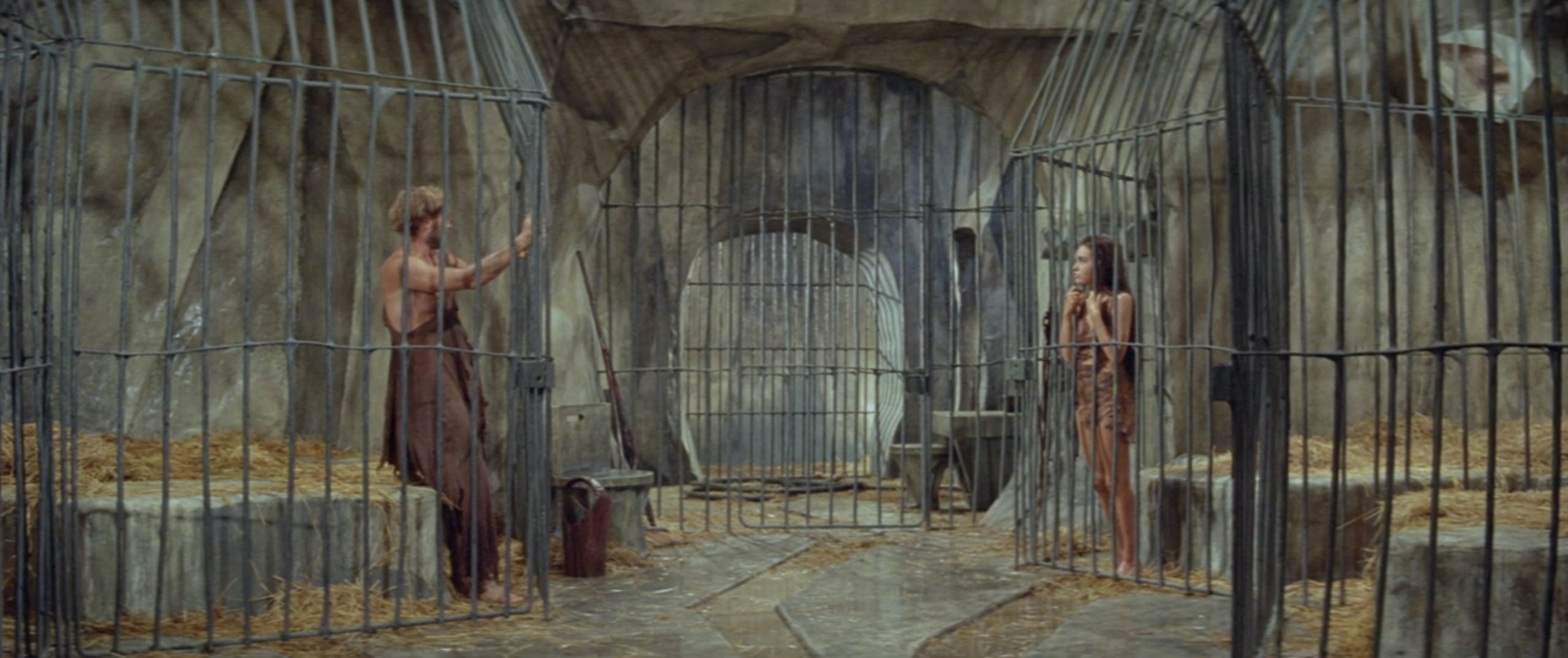
In drawing a series of parallels between humans and their primate cousins in Planet of the Apes, Franklin J. Schaffner exposes both our inherently primitive psychology and our unique propensity for self-destruction, though not without framing his anthropological questions within a richly constructed world of great mysteries and thrills.

My Night at Maud’s (1969)

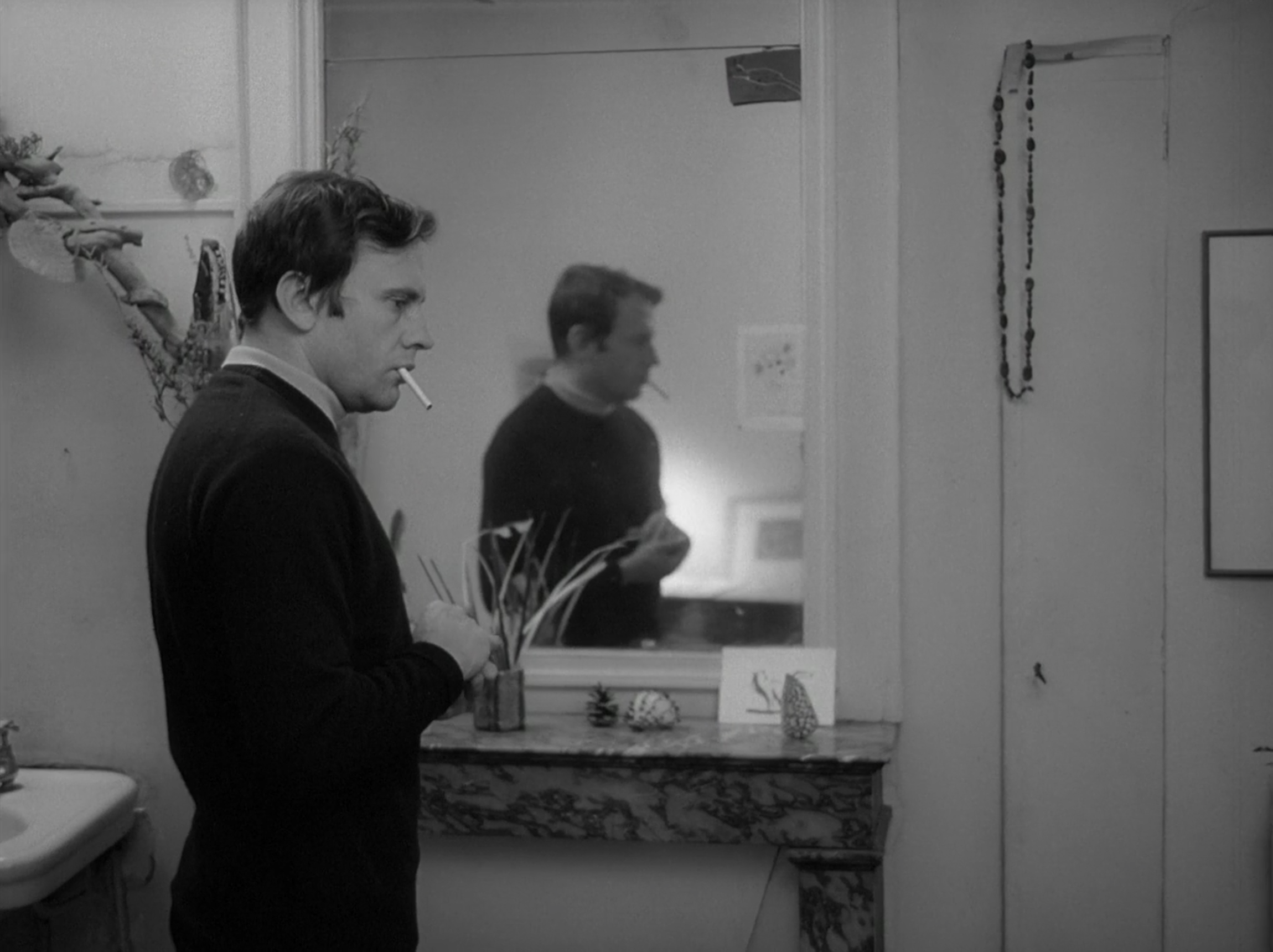
My Night at Maud’s isn’t ready to deliver firm answers to its philosophical quandaries, and yet in this narrative built on a series of unlikely happenstances and cerebral discussions, Eric Rohmer also crafts an absorbing examination of fate, romance, and hypocritical egos as they fall under theological and secular perspectives.

Contempt (1963)

With a playfully postmodern approach to classical conventions of both mise-en-scène and Greek mythology in Contempt, Jean-Luc Godard aims his incisive wit towards the gods of storytelling themselves, while critiquing those who degrade history with visions of crude, dishonest entertainment.

Scroll to Top