1957

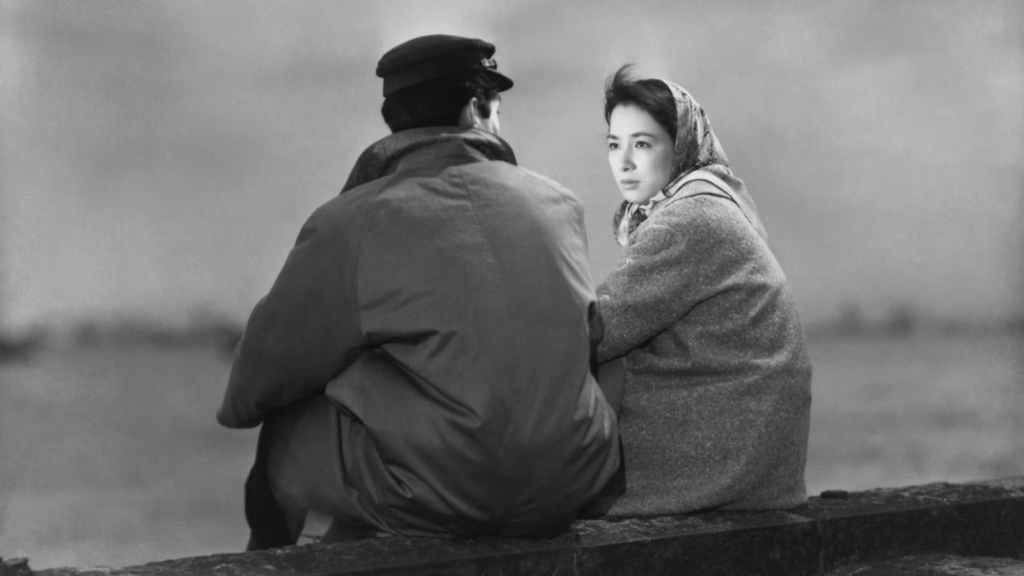
Tokyo Twilight (1957)

The domestic melodrama of Tokyo Twilight is so morose by Yasujirō Ozu’s standards, its darkness seeps into virtually every corner of his meticulous, homely interiors, unearthing guilty secrets within a family shattered by silence, grief, and regret.
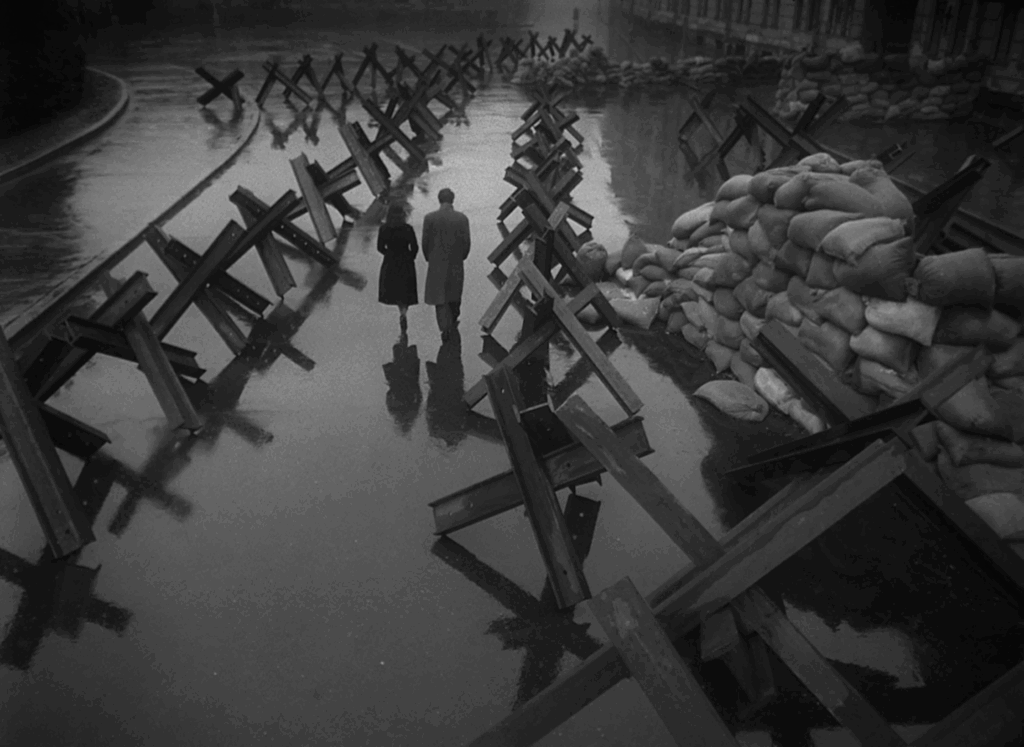
The Cranes Are Flying (1957)

Mikhail Kalatozov’s dynamic camerawork does not spare us from the anguish of a nation subjected to unfathomable trauma in The Cranes Are Flying, distilled within one young woman who achingly perseveres through the grief, guilt, and loneliness of seeing loved ones fall to the carnage of war.

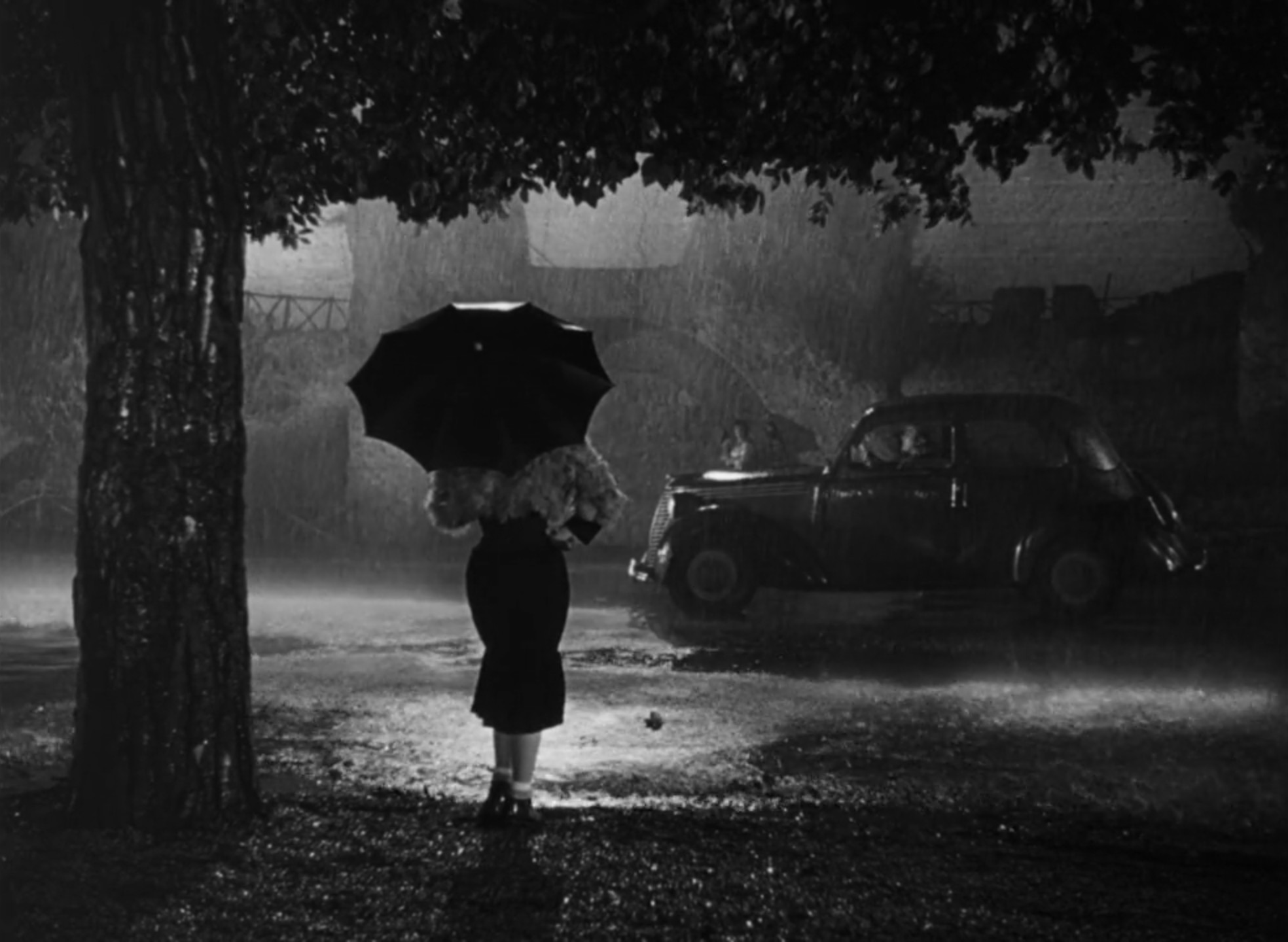
Nights of Cabiria (1957)

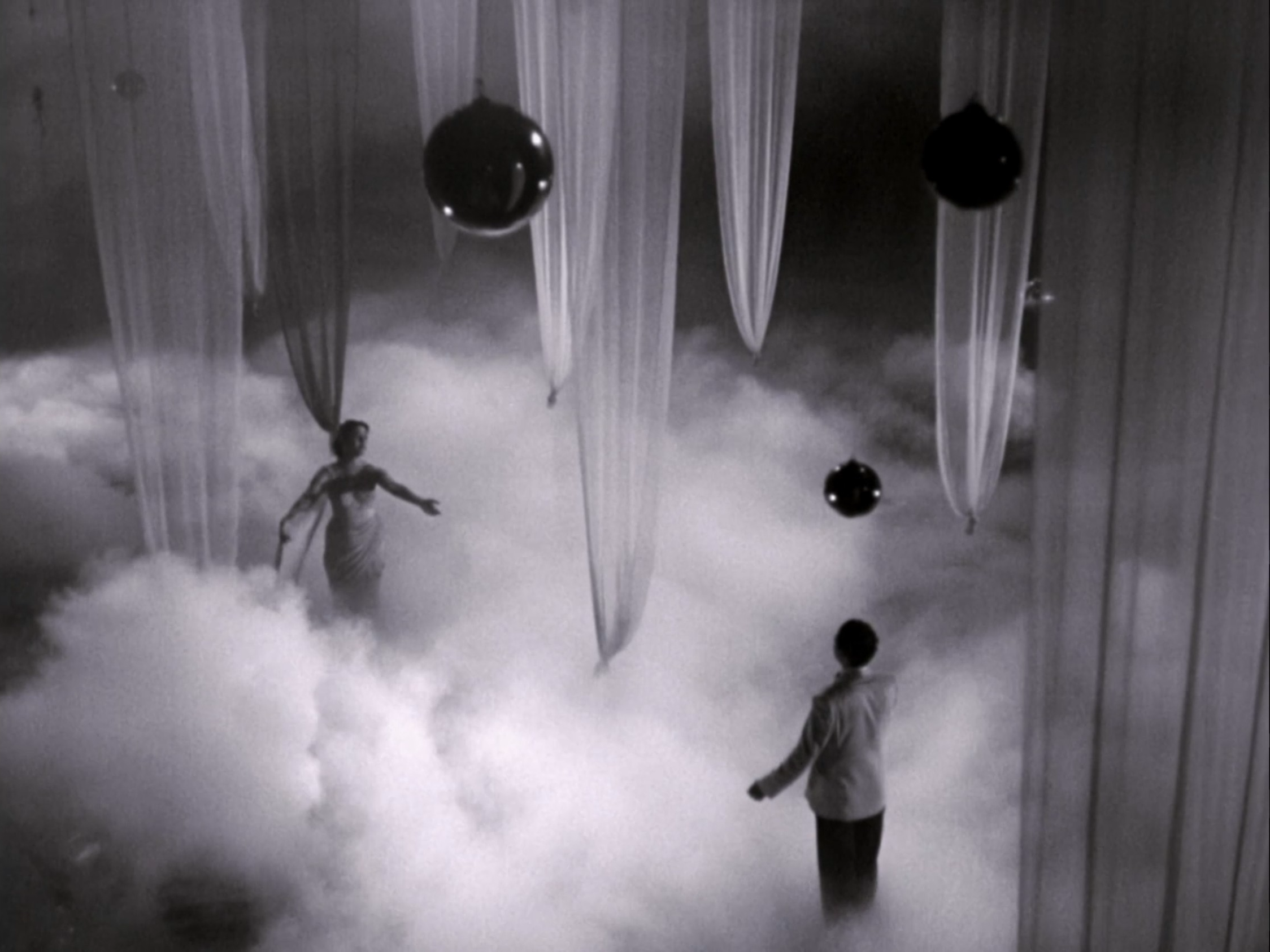
With an intelligent employment of religious and demonic imagery at hand, Federico Fellini and Giulietta Masina craft one of the most indelible cinematic characters of the 1950s, allowing us an empathetic vessel through which we contemplate the religious hypocrisies and class struggles of post-war Italy.

Throne of Blood (1957)

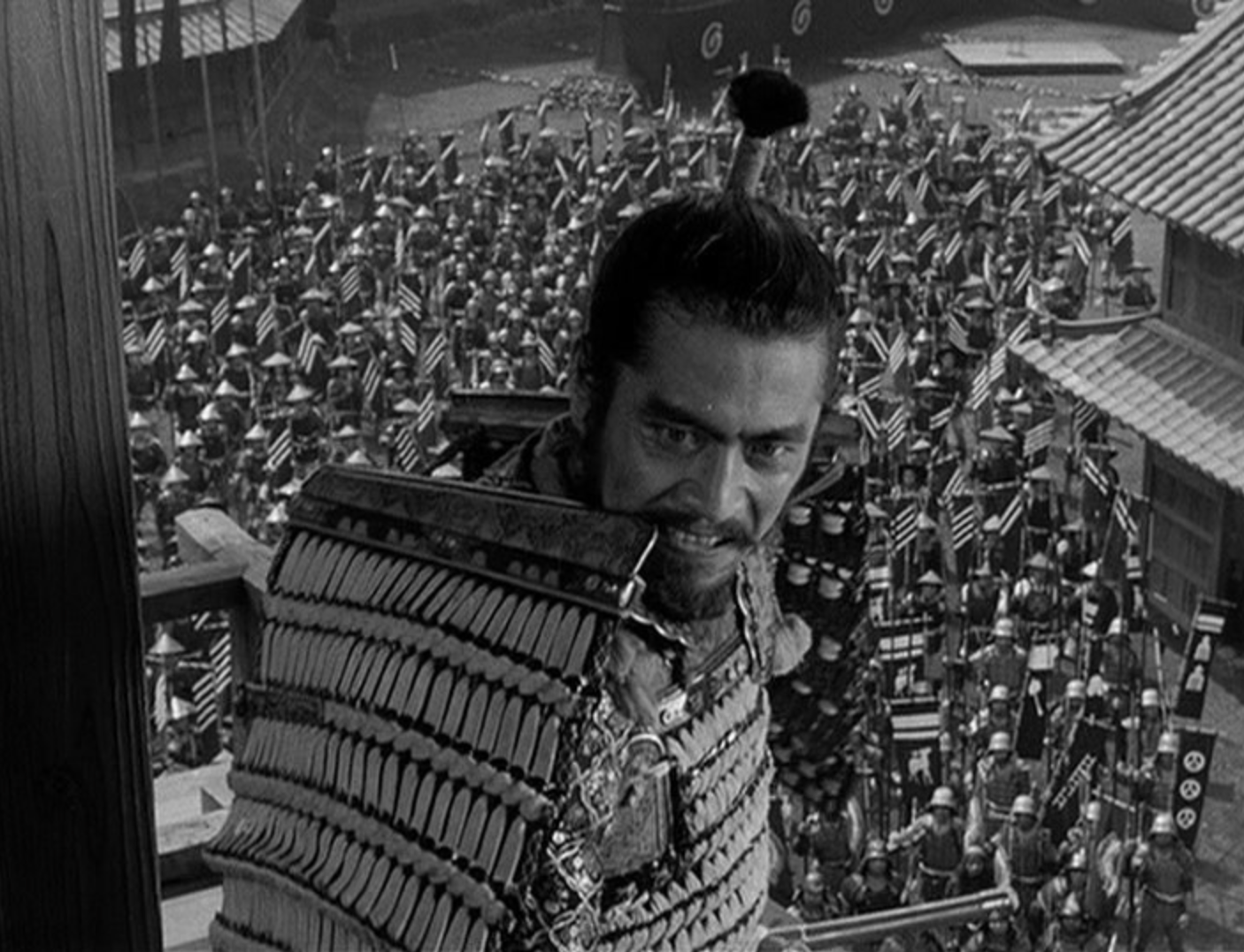
Akira Kurosawa’s landscapes of ambition, fate, and consequences make for a perfect marriage with Shakespeare’s Macbeth in Throne of Blood, formally integrating the narrative’s treacherous power plays with historical elements of Japanese Noh theatre, and mounting the forces of nature and destiny against the dishonourable samurai at its centre.

Pyaasa (1957)

Often cited as the peak of Bollywood’s Golden Age, Pyaasa flows with incredible joy, sensitive eloquence, and profound cynicism, adopting the passionate romanticism of the struggling Urdu poet at its centre with lyrical camerawork, and marking the musical epic as Guru Dutt’s crowning achievement.

Wild Strawberries (1957)

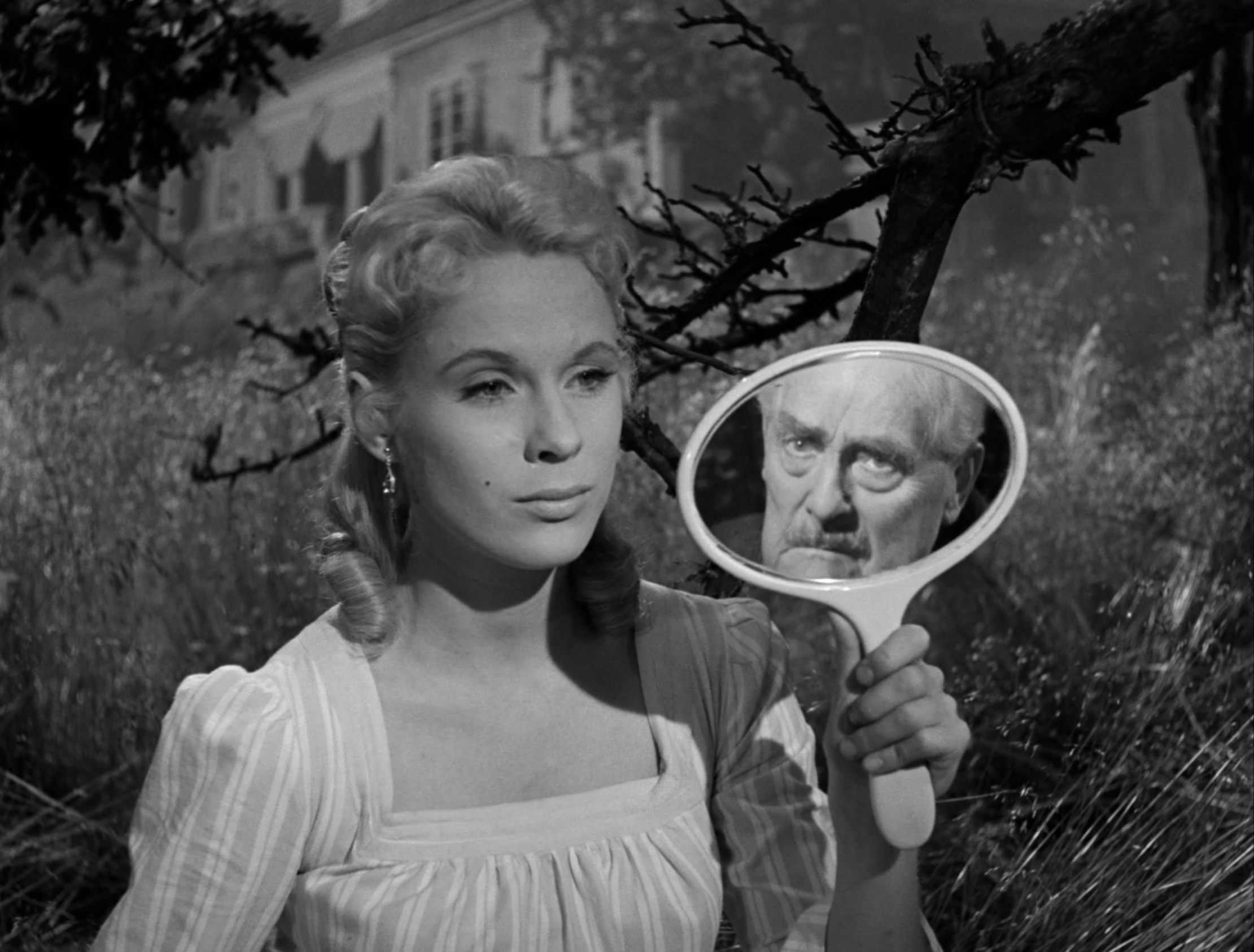
Dreams, memories, and symbols drift by on the powerful current of Ingmar Bergman’s poetic screenplay in Wild Strawberries, turning one elderly professor’s road trip into a spiritual vessel of self-reckoning that confronts the many estranged relationships he has accumulated, and penetrating the surreal depths of his guilty mind through beautifully existential imagery.

The Seventh Seal (1957)

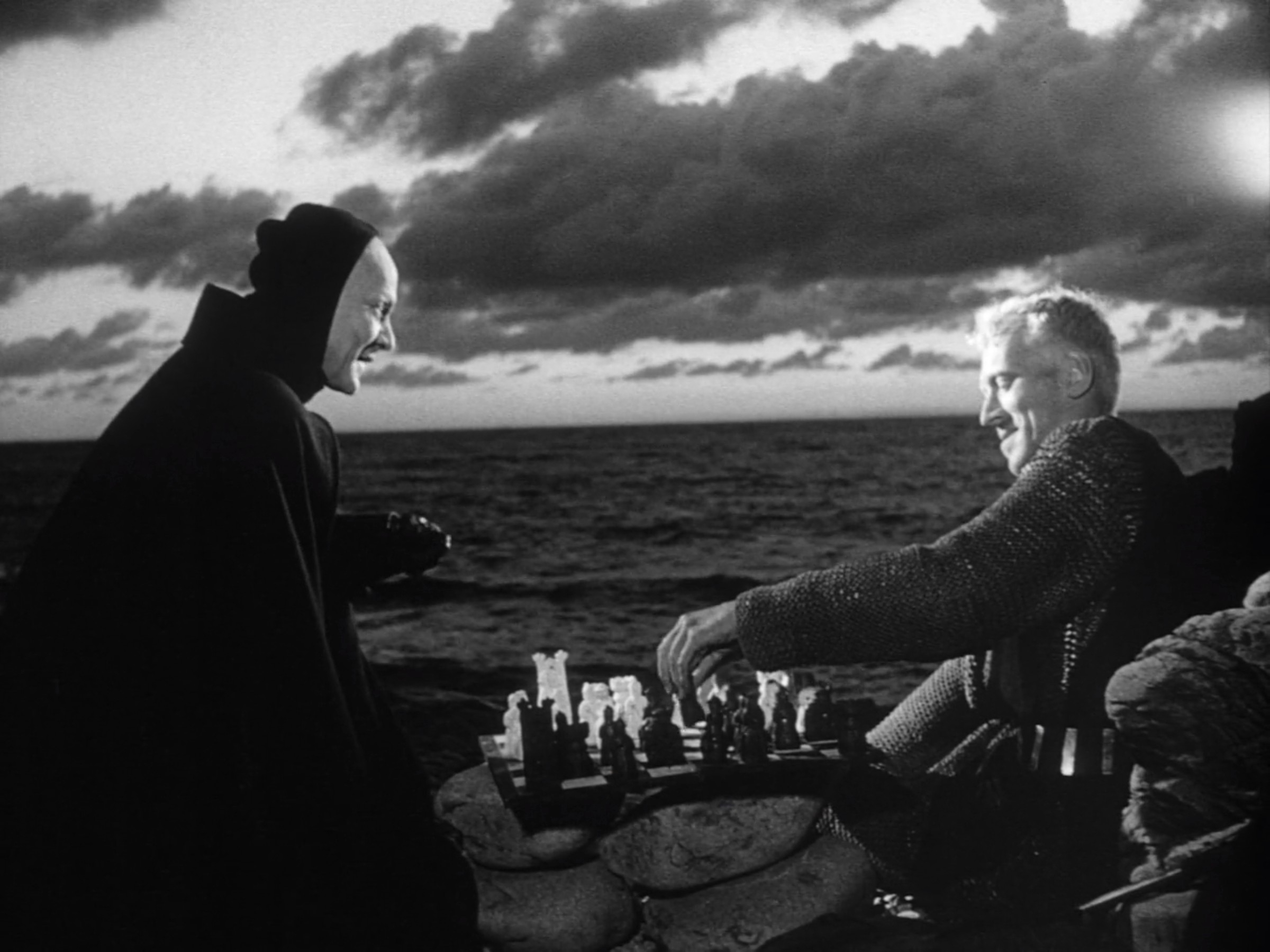
Ingmar Bergman’s pensive journey of faith and doubt leads us through barren, plague-ridden landscapes in The Seventh Seal, imposing a stark beauty on his theological iconography and poetic contemplations which confirm this existential medieval fable as a historical feat of philosophical screenwriting.

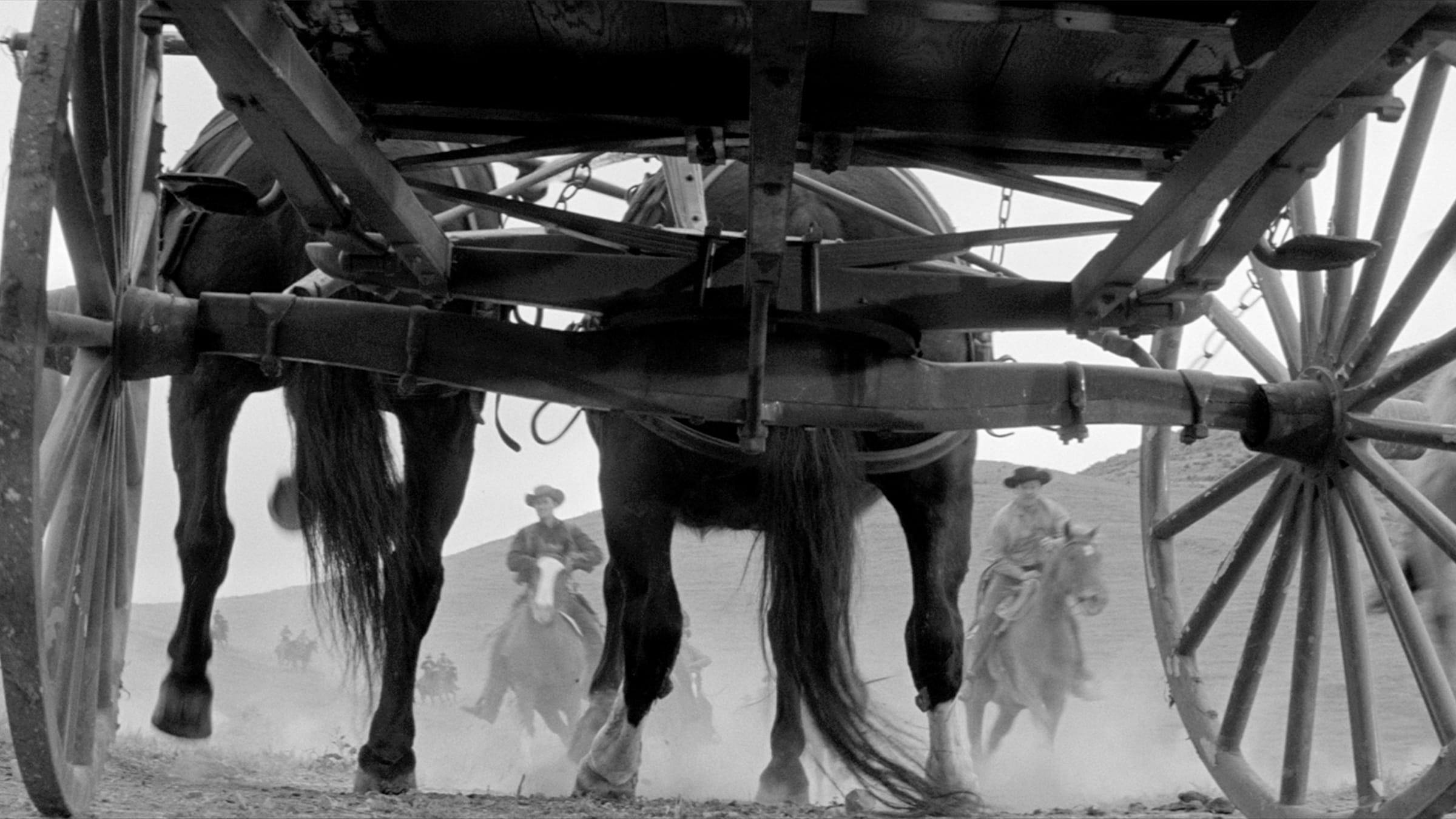
Forty Guns (1957)

Forty Guns draws significantly from the cultural mythology around lawman Wyatt Earp’s restoration of order to the town of Tombstone, though in Samuel Fuller’s eccentric visual expressions and complex characters, touches of bitterness and sensitivity are brought to this refreshing, female-centric revision of the Old West.

Scroll to Top