SceneByGreen

Lamb (2021)

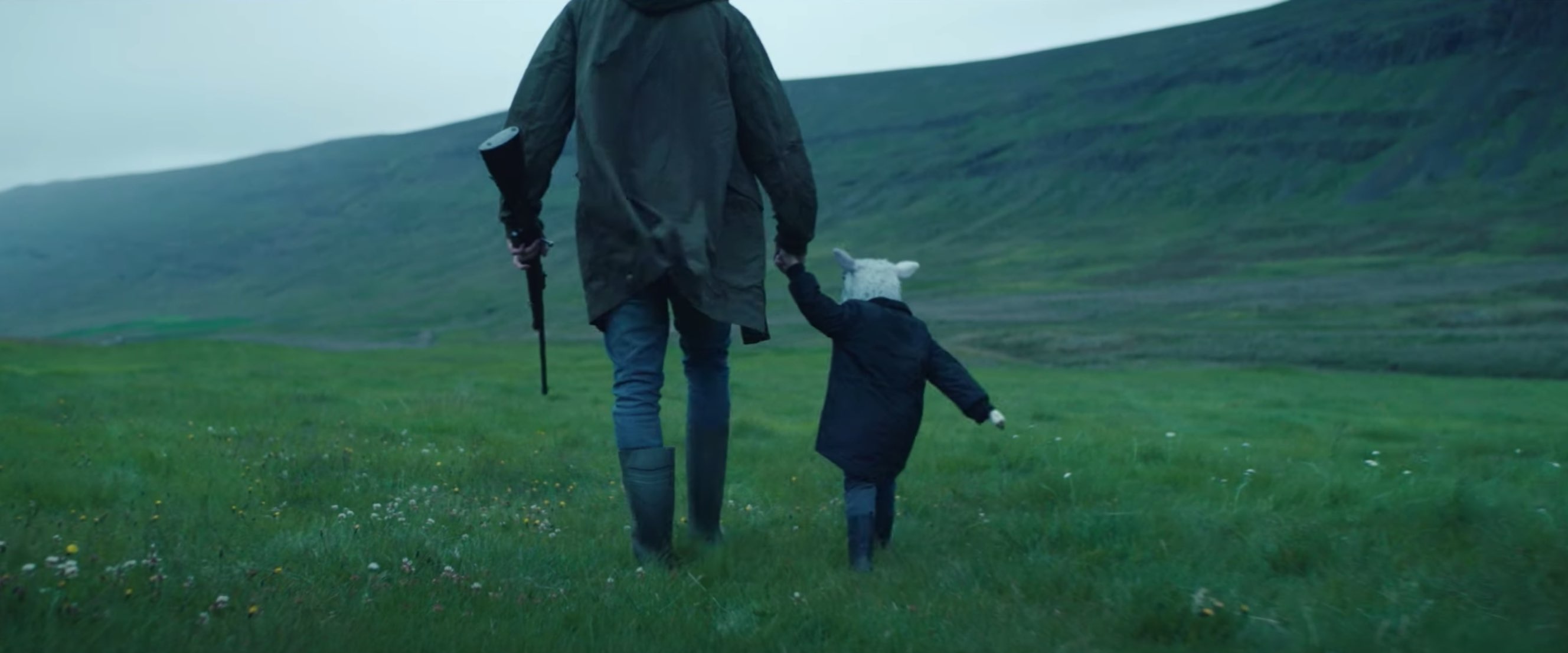
When a sheep gives birth to a semi-horrific, semi-adorable creature on a lonely couple’s rural Icelandic farm, Lamb takes a small step away from the horror genre, and more into that of a psychological family drama, probing questions of how parenting instincts overlap with the welfare of such a unique, irreconcilably “different” child.
A Fish Called Wanda (1988)

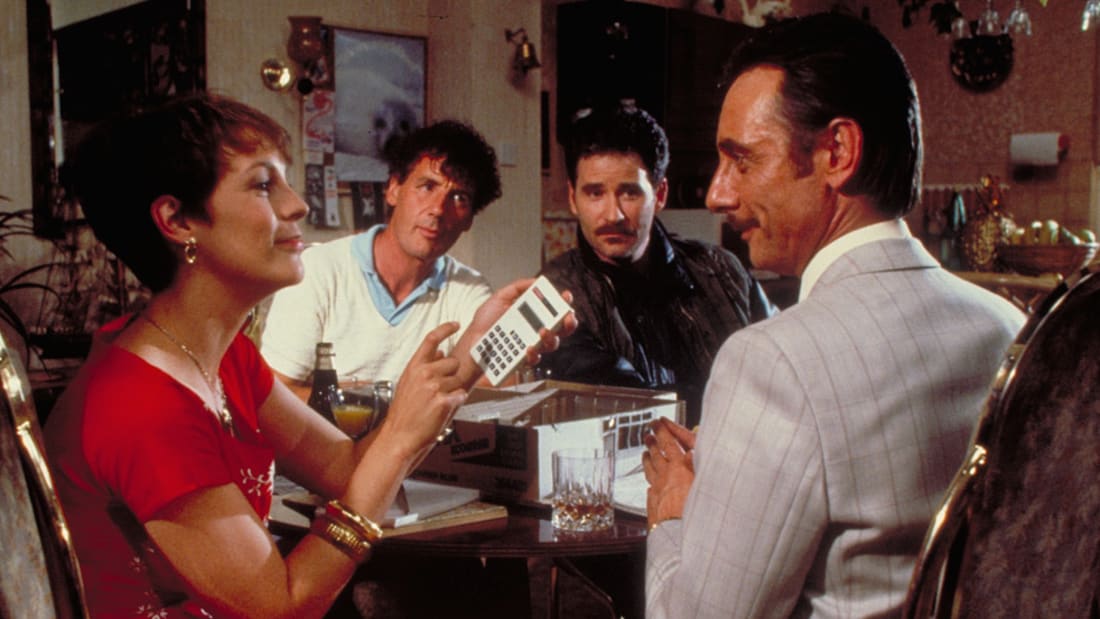
The blend of dry English humour and the brazen smarminess of American comedy in A Fish Called Wanda makes for a delicious mix of character dynamics, setting up the patriotic egos of both countries and then knocking them down a few pegs purely through their hilarious, bitter, and petty distaste for each other.

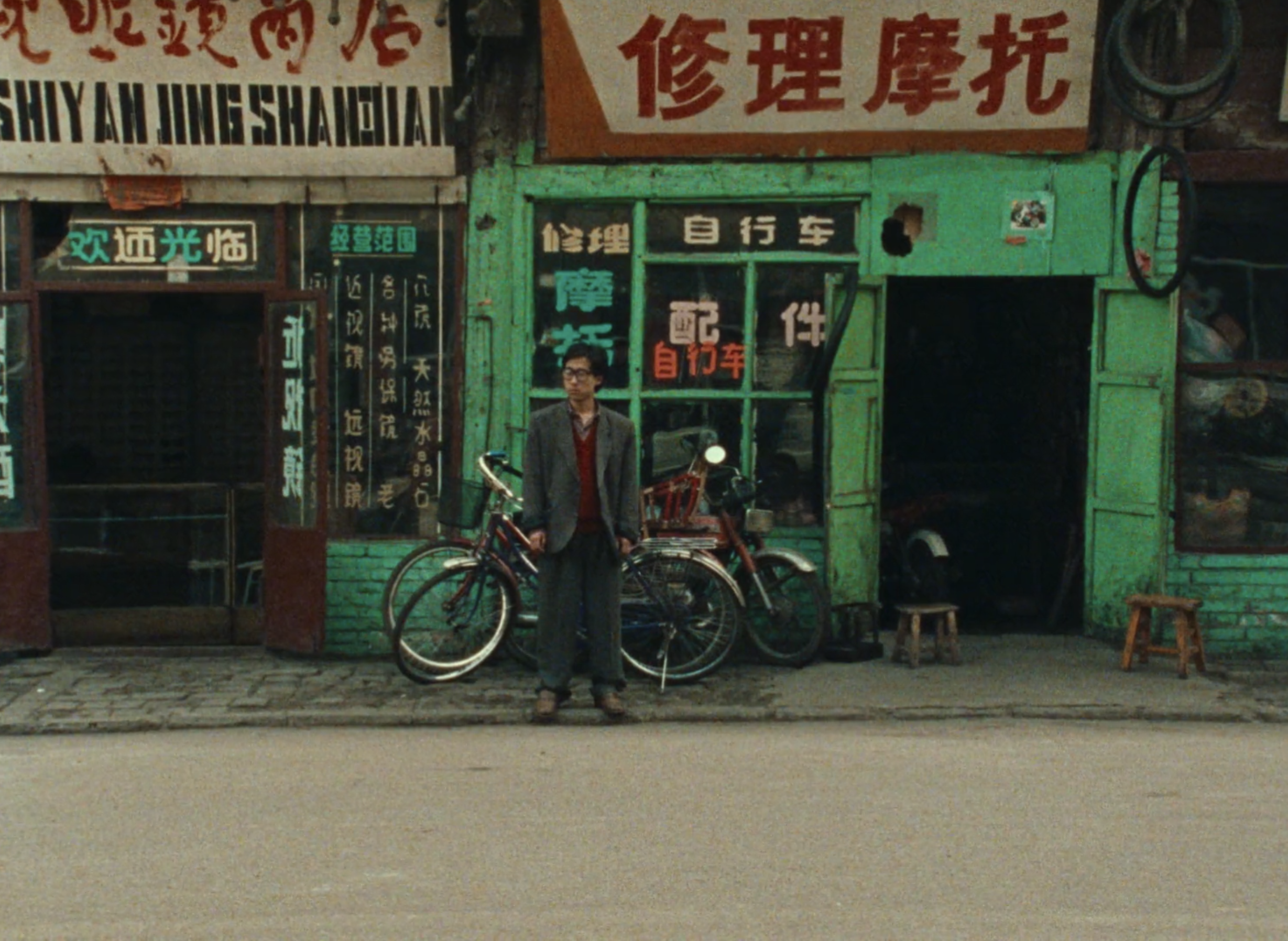
Xiao Wu (1997)

Taking rich inspiration from the Italian neorealists who preceded him by roughly fifty years, Jia Zhangke turns his camera to the streets of a provincial Chinese town during a particularly harsh crackdown on crime, tracking pickpocket Xiao Wu through a shifting culture that he no longer recognises.

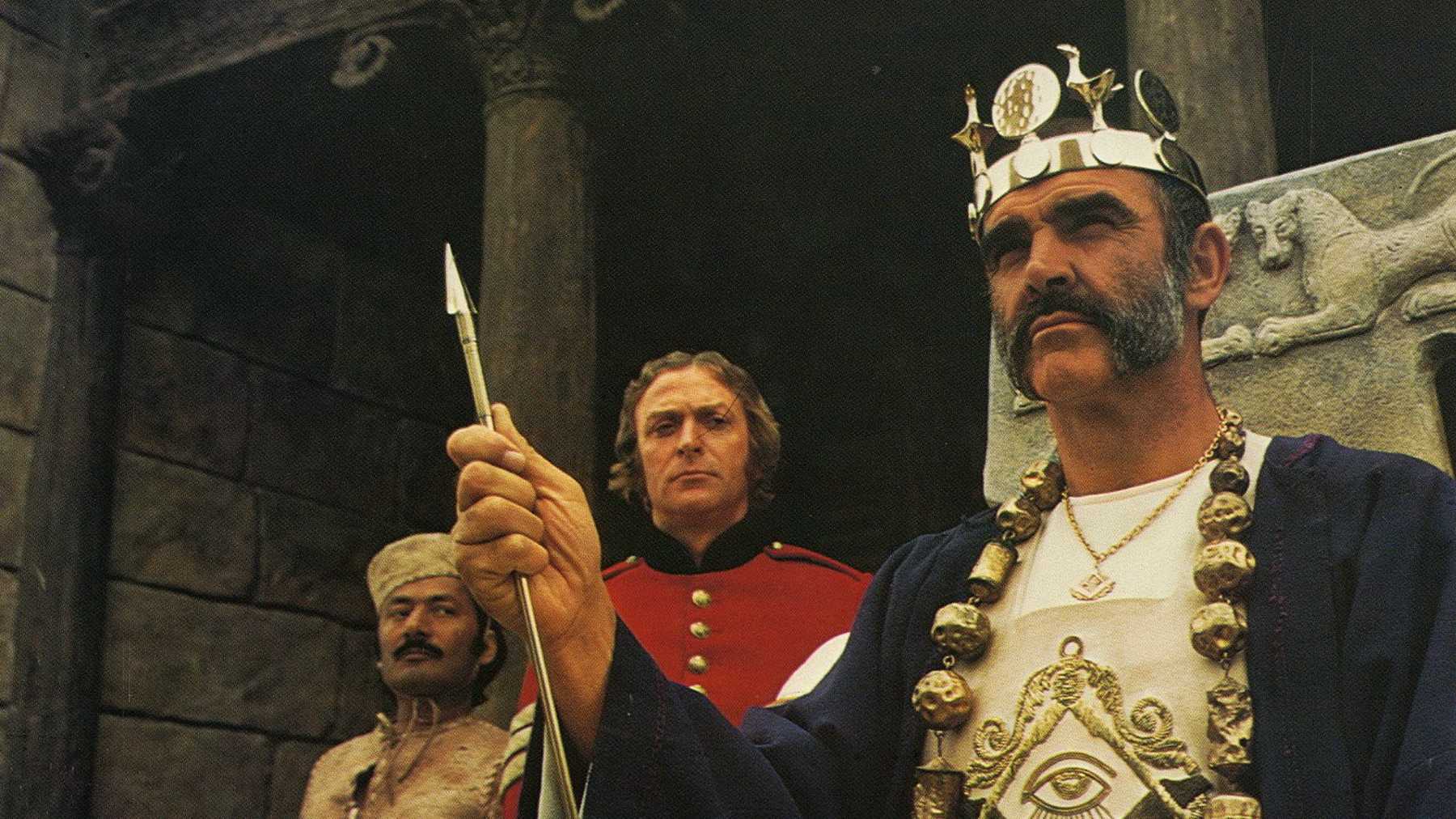
The Man Who Would Be King (1975)

The greed of men has often been a preoccupation of John Huston throughout his career, but never has expanded it to the spectacular, godlike proportions we witness here in The Man Who Would Be King, which sets a rollicking adventure against an epic historical backdrop of nationalistic British imperialism.

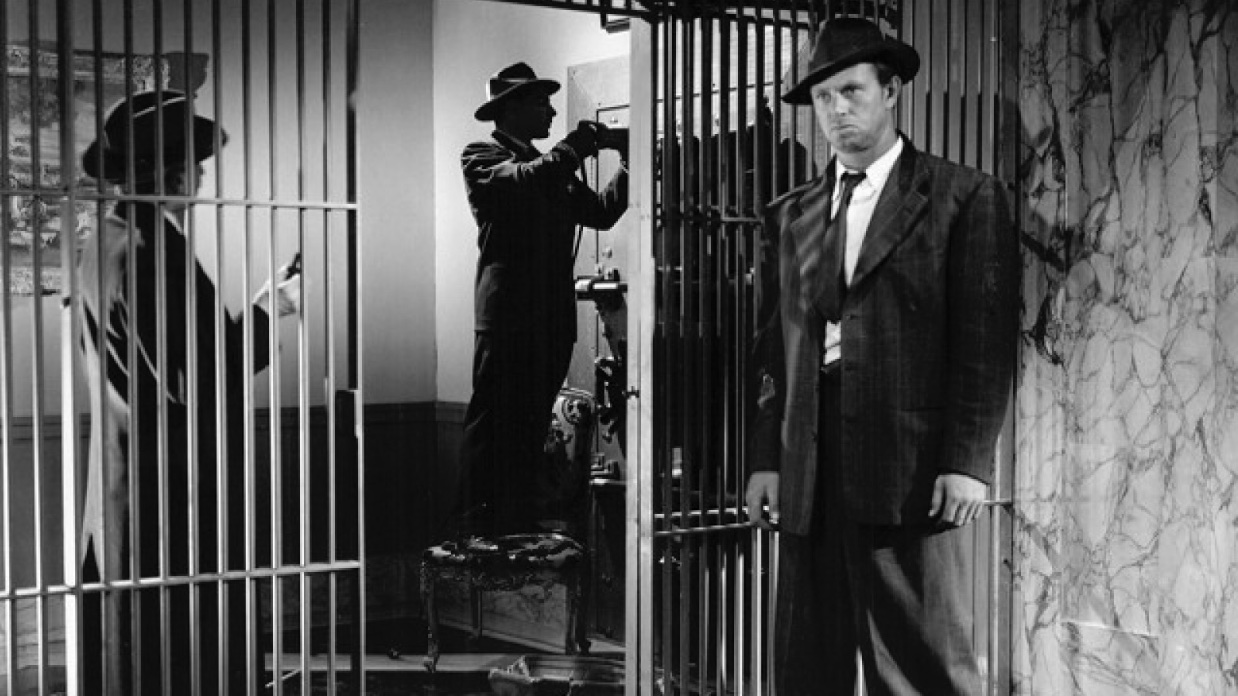
The Asphalt Jungle (1950)

Beyond its inexorable influence upon every heist movie from this point on, John Huston’s film noir The Asphalt Jungle sets a perfectionistic standard of plotting that has rarely been topped in the genre, following the exploits and comeuppance of a skilled gang of crooks destined to fail by nature of their own inevitable flaws and a fatalistic universe.

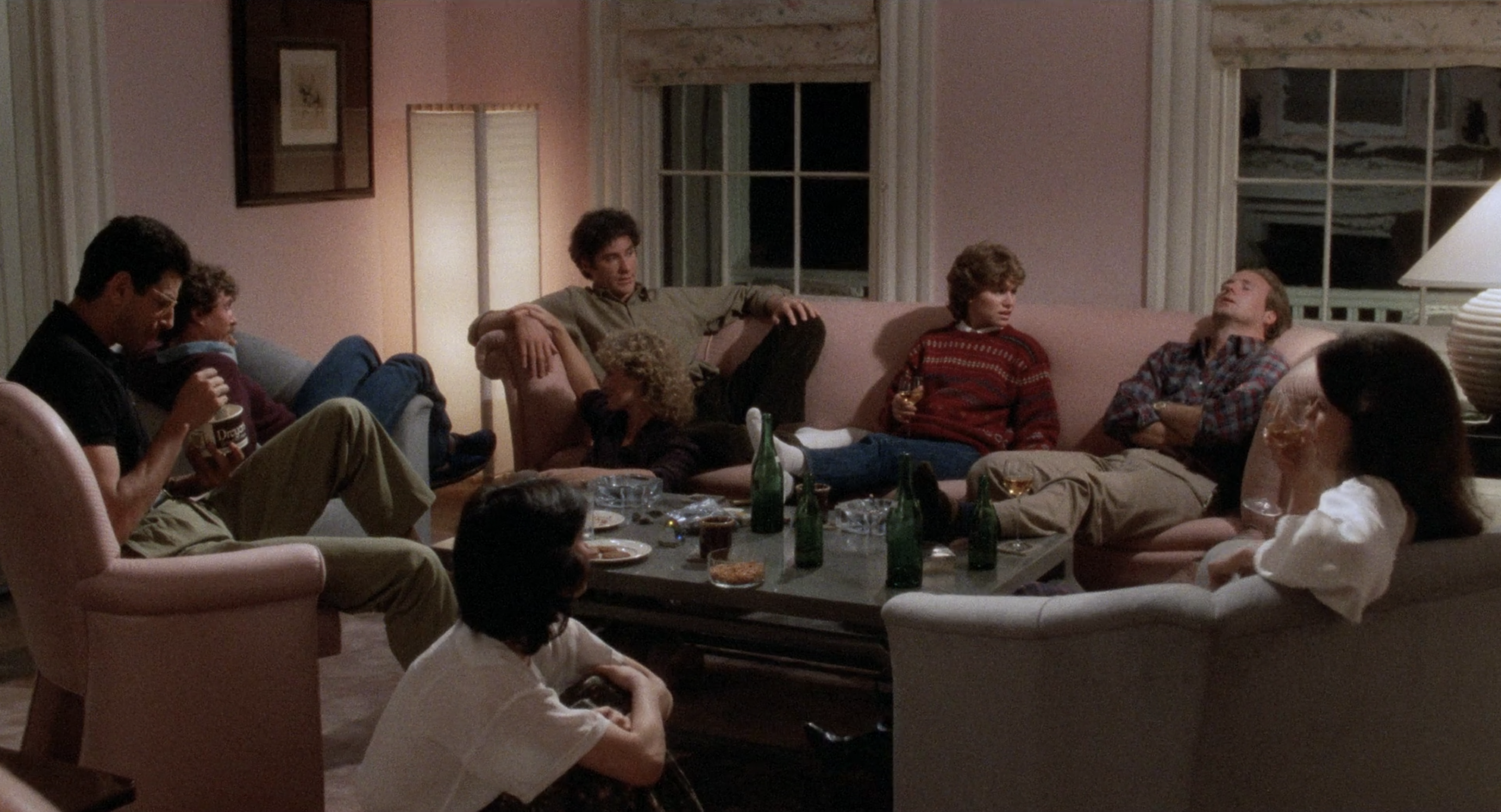
The Big Chill (1983)

A great achievement in screenwriting for Lawrence Kasdan, The Big Chill is his comical but touching ode to the lost idealism of the Baby Boomers living in Reagan’s America.

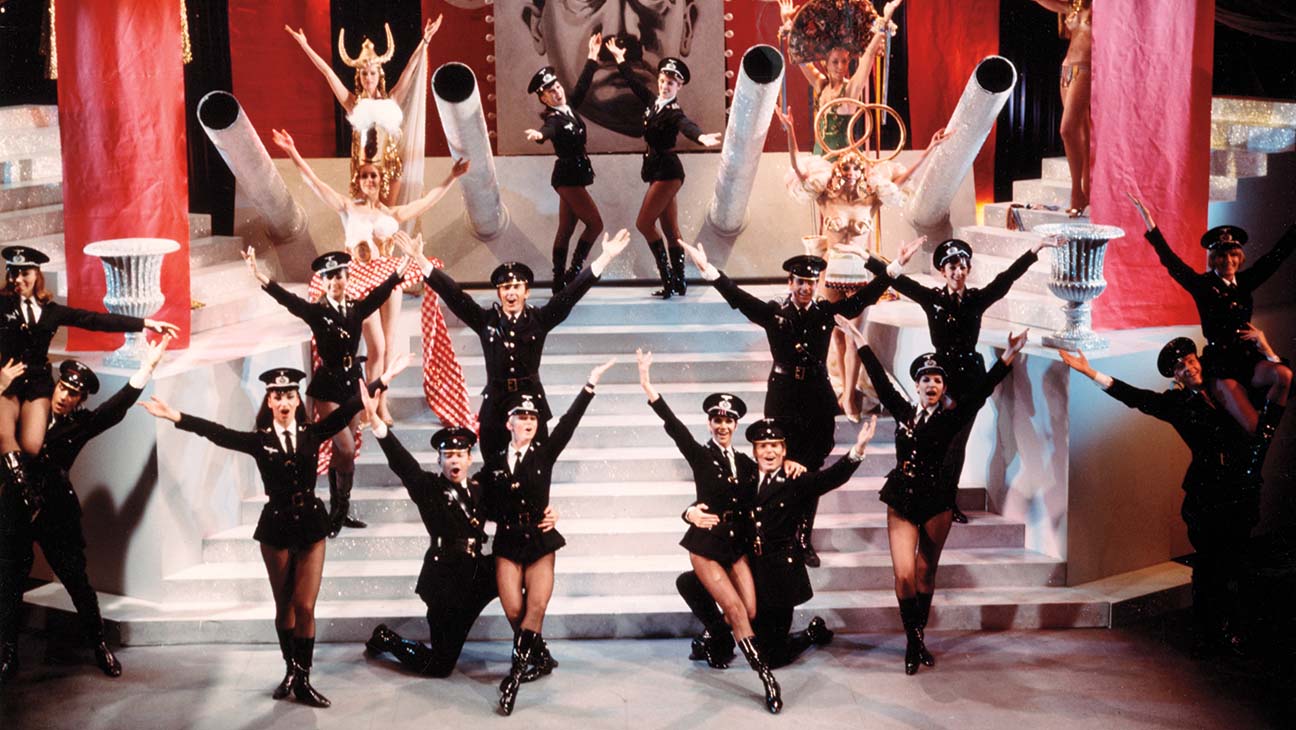
The Producers (1967)

Mel Brooks’ irreverent satire of the entertainment industry’s grotesque exploitations wastes no time in zooming from one plot point to the next like a Marx Brothers routine, using the great comedic talents of Gene Wilder and Zero Mostel to not just match his brisk pace, but to push it even further.

Ash is Purest White (2018)

Through Jia Zhangke’s interweaved motifs of colours and landforms in Ash is Purest White, he creates an epic character study of feminine strength, and its moulding in the fiery heat of adversity.

Wuthering Heights (1939)

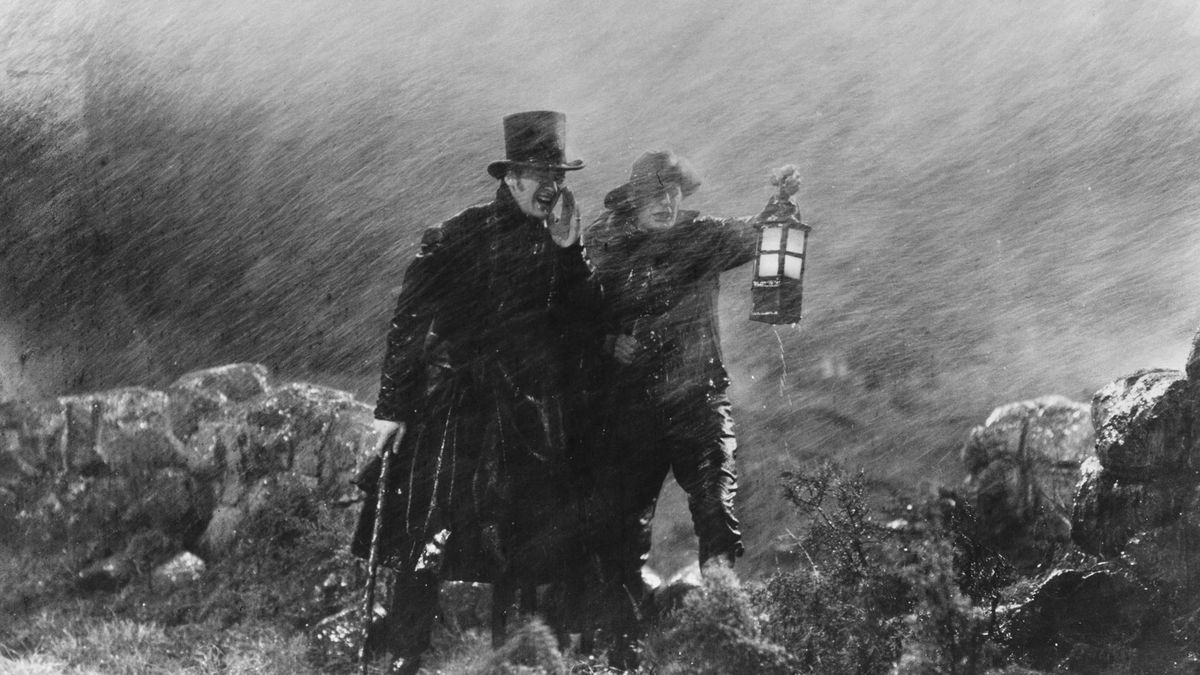
With a rigorous dedication to turning the Gothic architecture of Wuthering Heights into its own eerie character, William Wyler cuts right to the heart of Emily Brontë’s classic novel, submerging his tragic paramours in a ghostly melancholy that haunts them through life and death.

Mon Oncle (1958)

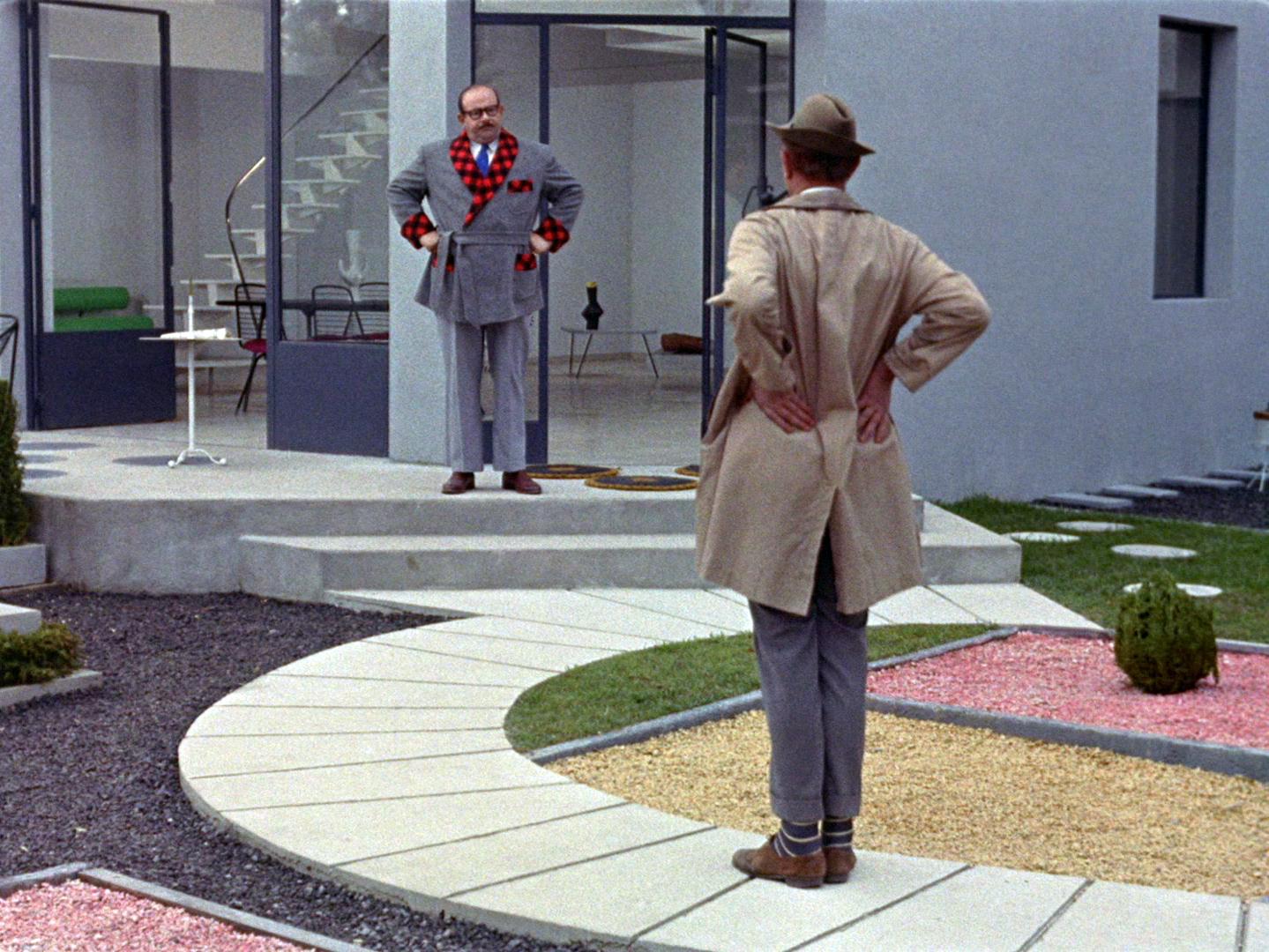
Keeping the spirit of silent cinema alive, Jacques Tati puts his flair for physicals gags and intricate architectural set pieces to use in Mon Oncle, sending up the consumerist culture of post-war France while offering hope in one playful, eccentric man this world isn’t as superficial, self-centred, or tangled as it seems.

Scroll to Top