
-

We Are Who We Are (2020)
Though the episodic storytelling of We Are Who We Are leads to some shagginess in Luca Guadagnino’s narrative, its wandering pace offers his complex characters all the time they need to explore questions of sexuality, gender identity, and grief, foregrounding the vague but sweet relationship between two teenagers living on a U.S. military base in…
-

Panic Room (2002)
As David Fincher’s pressing darkness infiltrates the crevices of the claustrophobic townhouse in Panic Room, so too does he send three thieves inside with the intention of stealing its hidden treasure, with the camera’s exhilarating, omniscient perspective instilling in us an even greater dread than any single character experiences alone.
-
Philadelphia (1993)
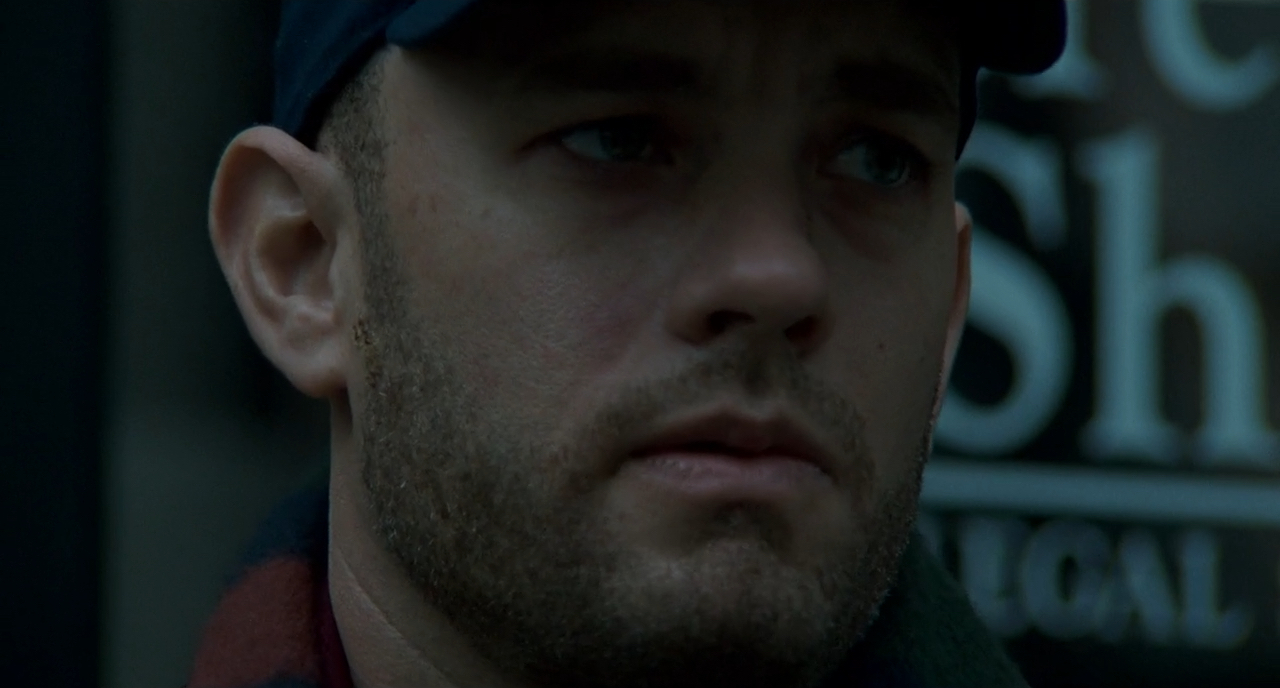
Jonathan Demme’s camera is a vehicle of pure empathy in Philadelphia, as it is through his consistent yet versatile close-ups that he pulls such raw anger, melancholy, and yearning from Tom Hanks’ emotive performance, opening us up to the complicated struggle behind one gay man’s fight for justice against his prejudiced former employers.
-
Wheel of Fortune and Fantasy (2021)
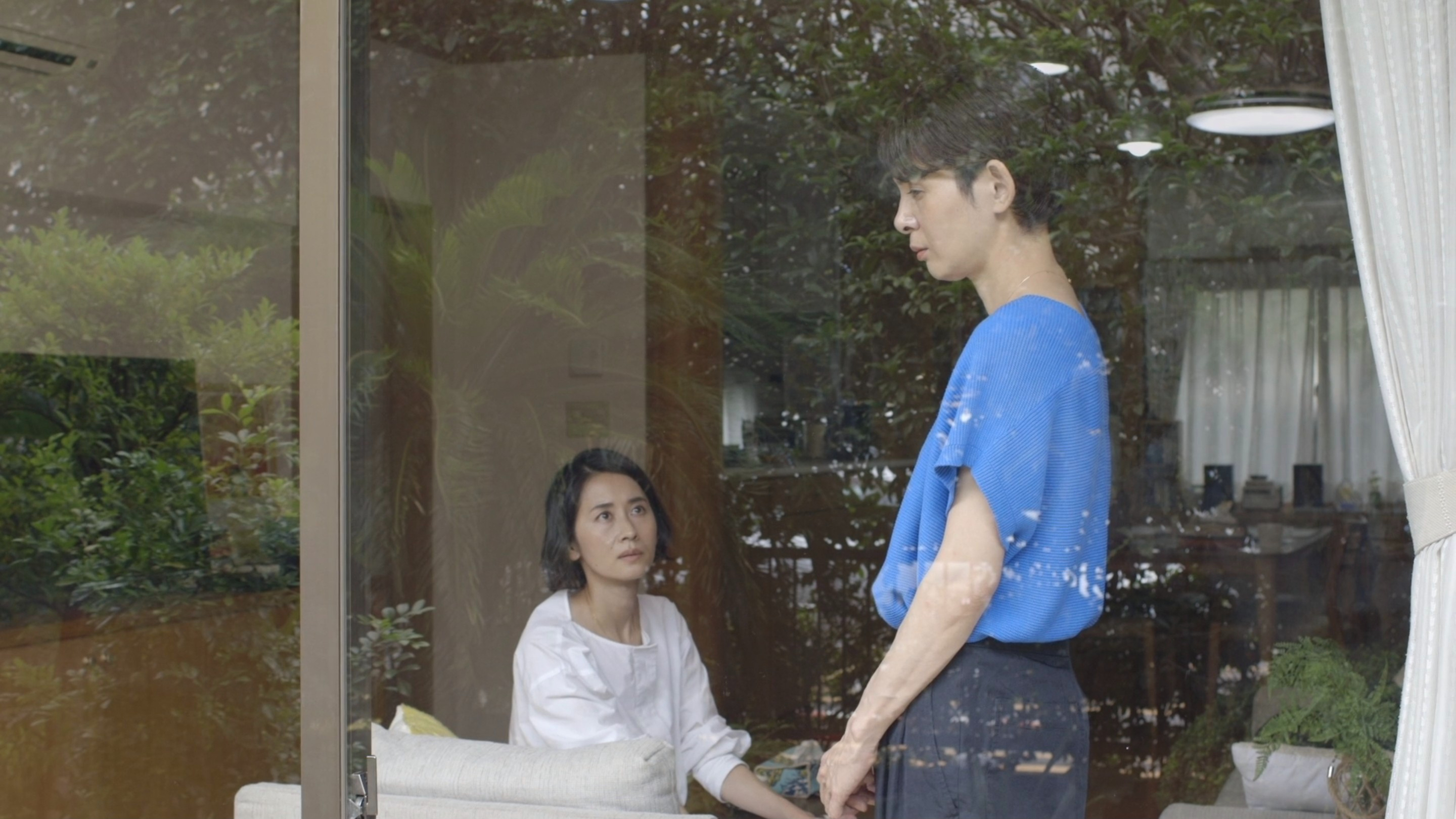
Though disappointingly bland from a visual standpoint, Ryusuke Hamaguchi builds the strength of his anthology film Wheel of Fortune and Fantasy on the fatalistic, formal connections between each self-contained chapter, offering up sincere meditations on our attempts to find happiness within a cruel, mischievous universe.
-
Suspiria (2018)
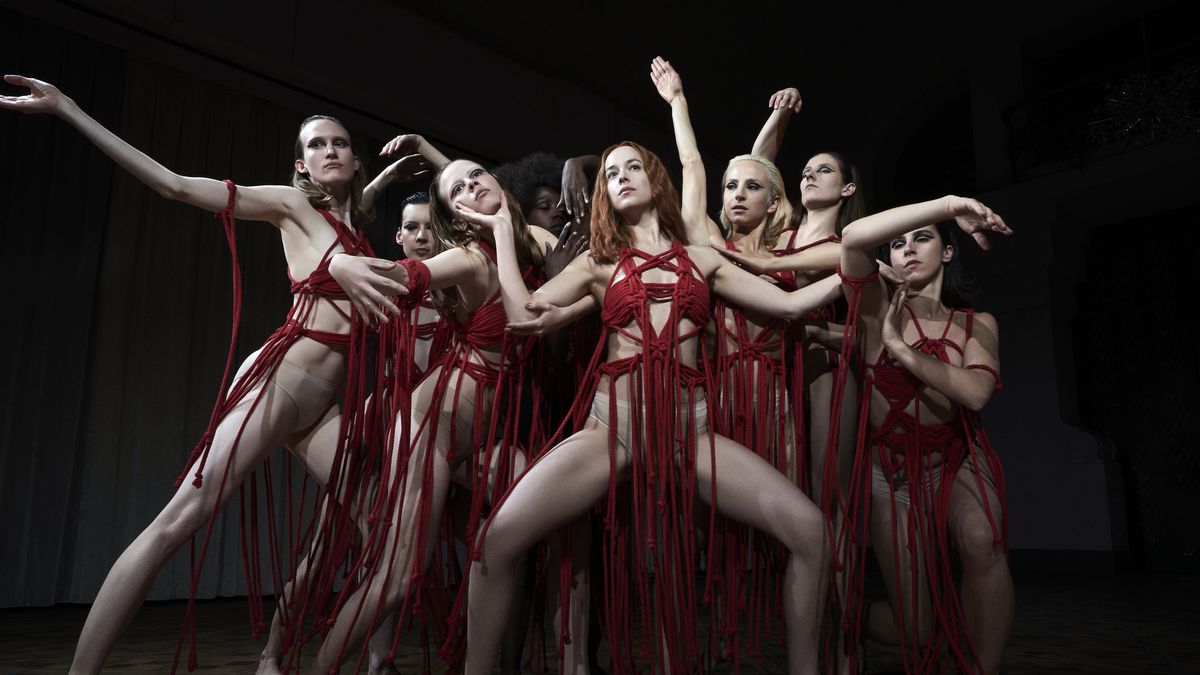
Though Luca Guadagnino’s remake of Suspiria does not fully bridge the connection between its chilling occultist horror and meandering political tangents, he still manages to leave a mark on the fable’s cinematic legacy with surreal, bone-crunching editing and a deep red colour palette, plunging us into the uneasy paranoia and bloodshed of 1970s Germany.