
-
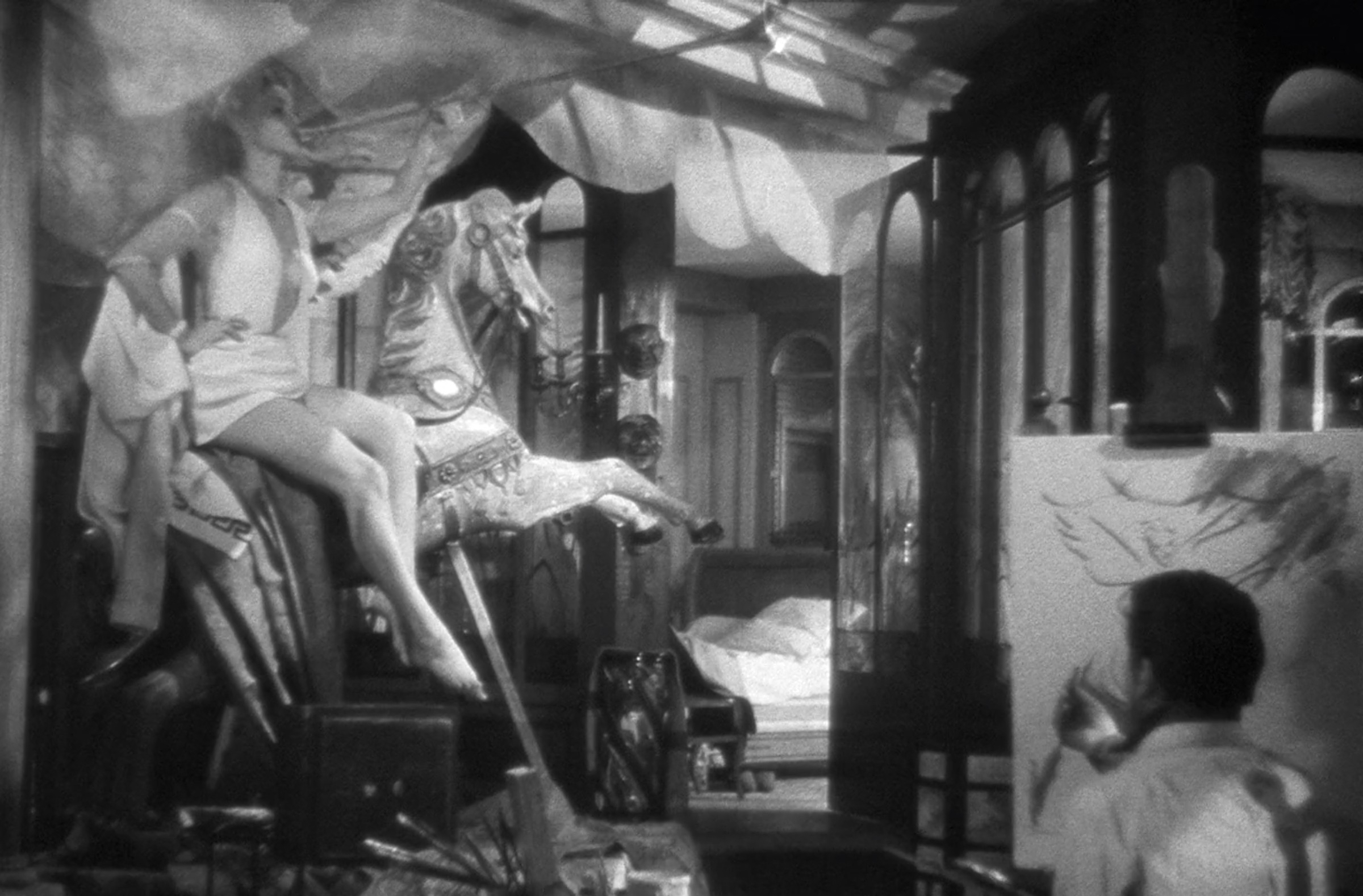
Le Plaisir (1952)
Armed with a camera that moves with all the elegance of a gentle breeze, and a sophisticated charm which lightly alternates between comedy and tragedy, Max Ophüls lays out parables of pleasure and happiness in Le Plaisir, poetically considering their shared harmonies and incongruencies.
-
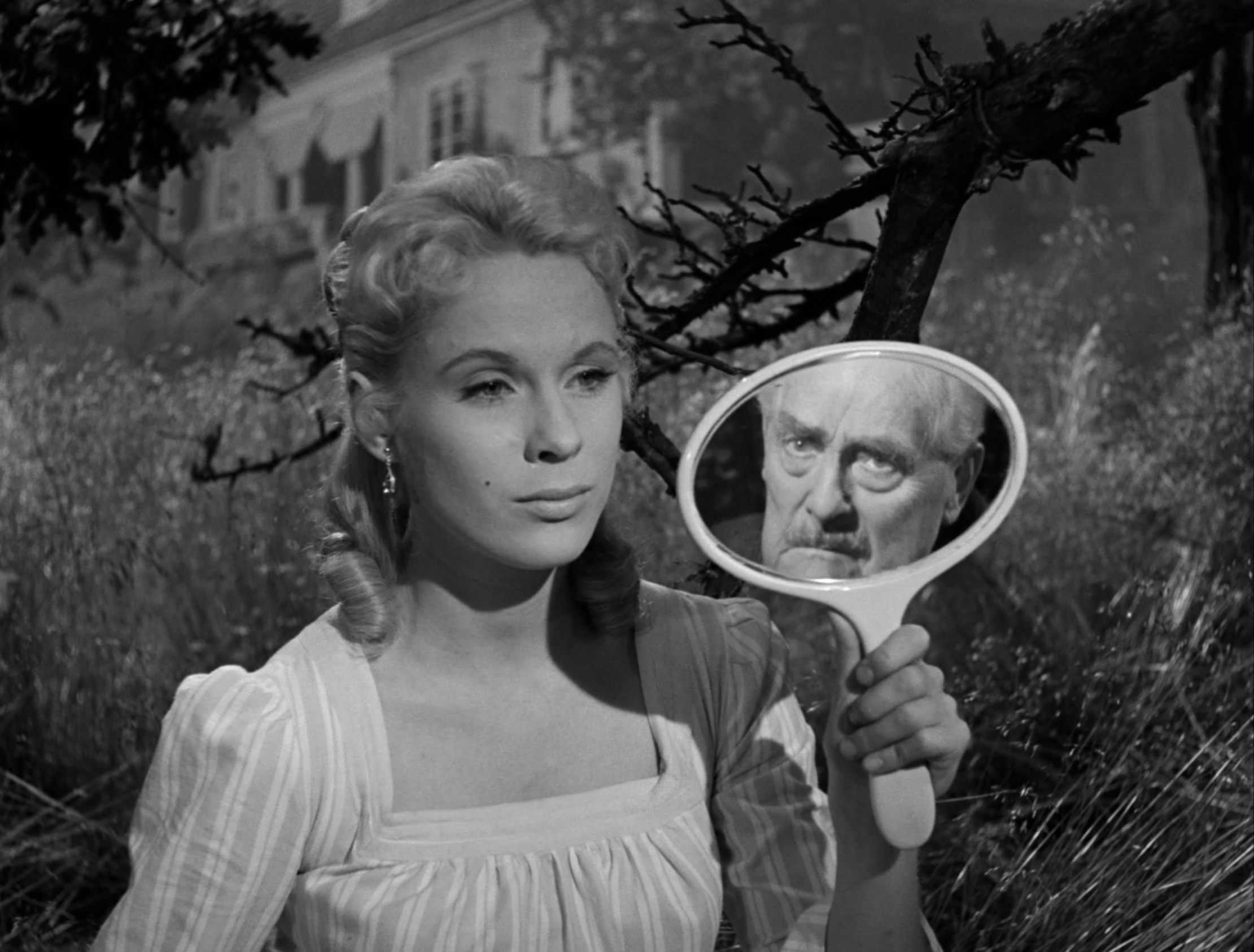
Wild Strawberries (1957)
Dreams, memories, and symbols drift by on the powerful current of Ingmar Bergman’s poetic screenplay in Wild Strawberries, turning one elderly professor’s road trip into a spiritual vessel of self-reckoning that confronts the many estranged relationships he has accumulated, and penetrating the surreal depths of his guilty mind through beautifully existential imagery.
-
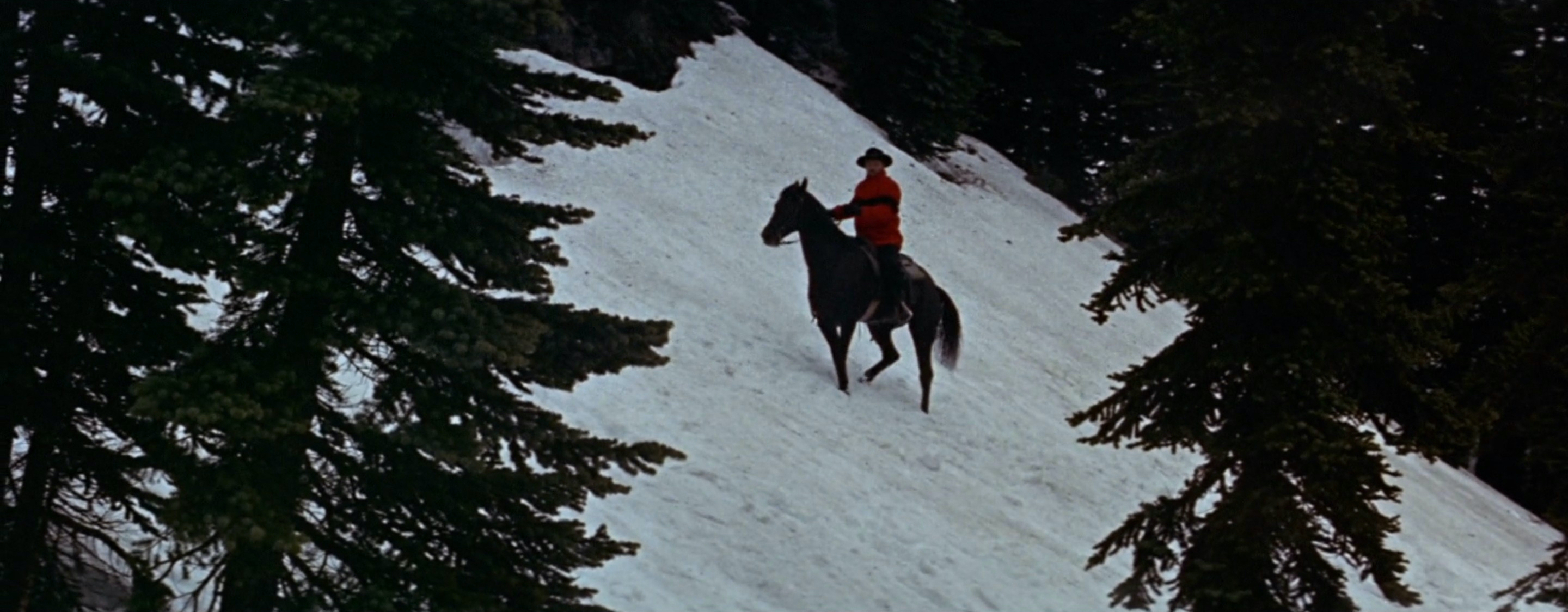
Track of the Cat (1954)
William A. Wellman stages a textured web of strained family dynamics with incredible visual detail in Track of the Cat, offering an unassumingly spiritual consideration of colonial masculinity in its psychological western drama, and fastidiously binding it all together with a ravishing monochrome palette where spiteful sterility thrives.
-
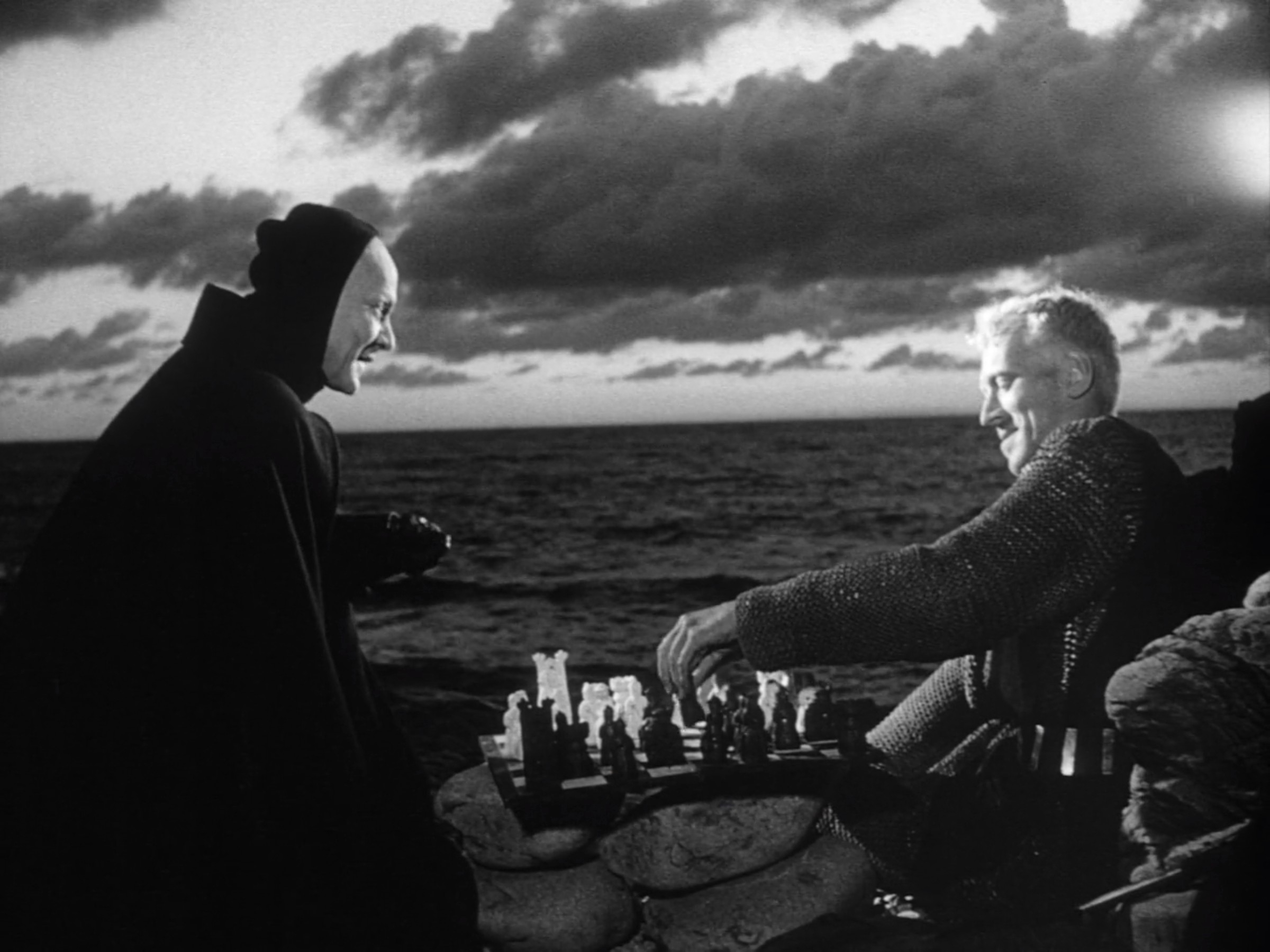
The Seventh Seal (1957)
Ingmar Bergman’s pensive journey of faith and doubt leads us through barren, plague-ridden landscapes in The Seventh Seal, imposing a stark beauty on his theological iconography and poetic contemplations which confirm this existential medieval fable as a historical feat of philosophical screenwriting.
-
Smiles of a Summer Night (1955)
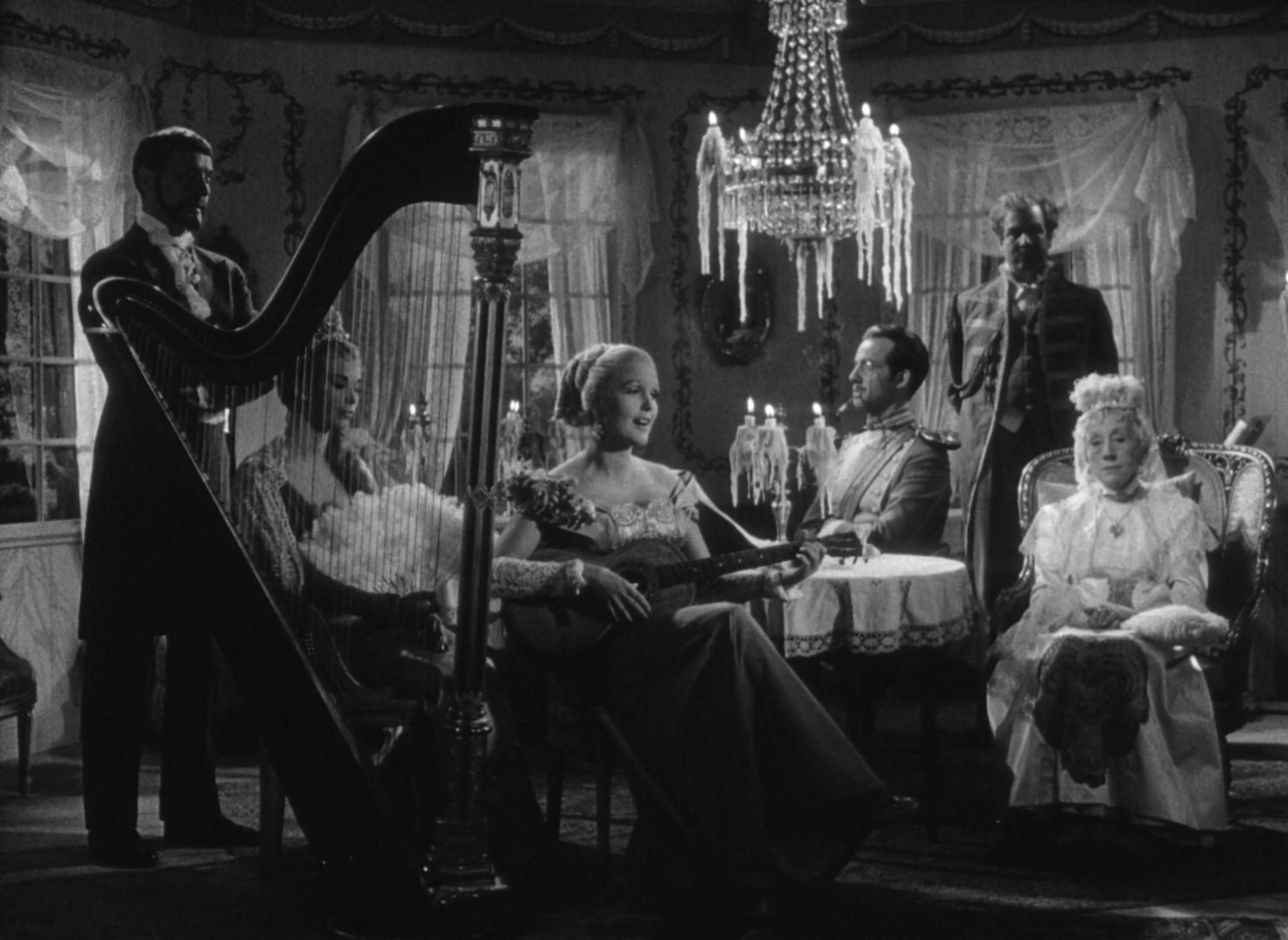
The complex web of betrayals, seductions, and alliances within the aristocratic ensemble of Smiles of a Summer Night is tantalising to watch for its sharp class satire, and yet Ingmar Bergman also buries a profound wisdom into his intoxicating chaos, deepening its joyful wonder with blessings for new beginnings and second chances.