
-
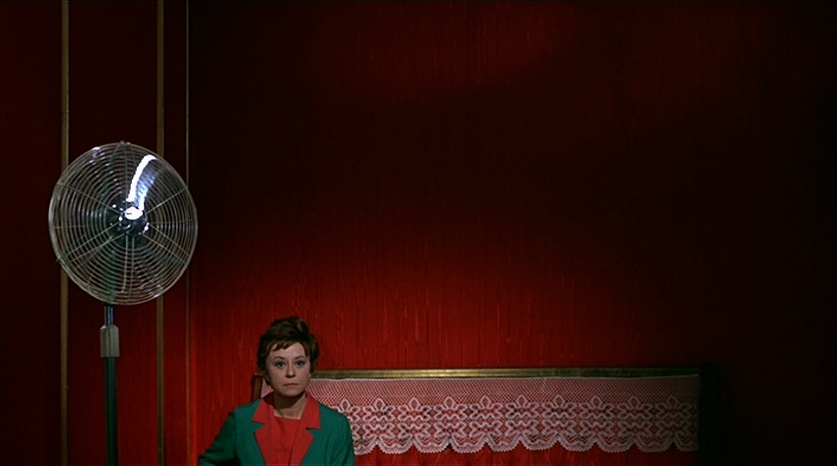
Juliet of the Spirits (1965)
One upper-class housewife’s discovery of her husband’s affair in Juliet of the Spirits may incite a surreal reckoning with religion, sexuality, and womanhood, though the insecurities that these kaleidoscopic dreams surface have evidently haunted her since childhood, as Federico Fellini holds up a feminine mirror to 8 ½ that seeks to understand the other side…
-

Do Not Expect Too Much from the End of the World (2023)
Do Not Expect Too Much from the End of the World’s may focus on a single day for one overworked personal assistant, and yet the bleak urban landscape that Radu Jude stitches together from media fragments and dreary routines reveals the creeping onset of a global apocalypse, mechanically grinding modern civilisation into a never-ending traffic…
-

The Bad Sleep Well (1960)
Only by blackmailing, intimidating, and investigating from the shadows can one vengeful son expose the corporate corruption of mid-century Japan in The Bad Sleep Well, as Akira Kurosawa adapts Hamlet with a severe, noirish cynicism, examining the foundations of bloodshed which the upper-class bureaucracy shrouds in obscure conspiracies.
-
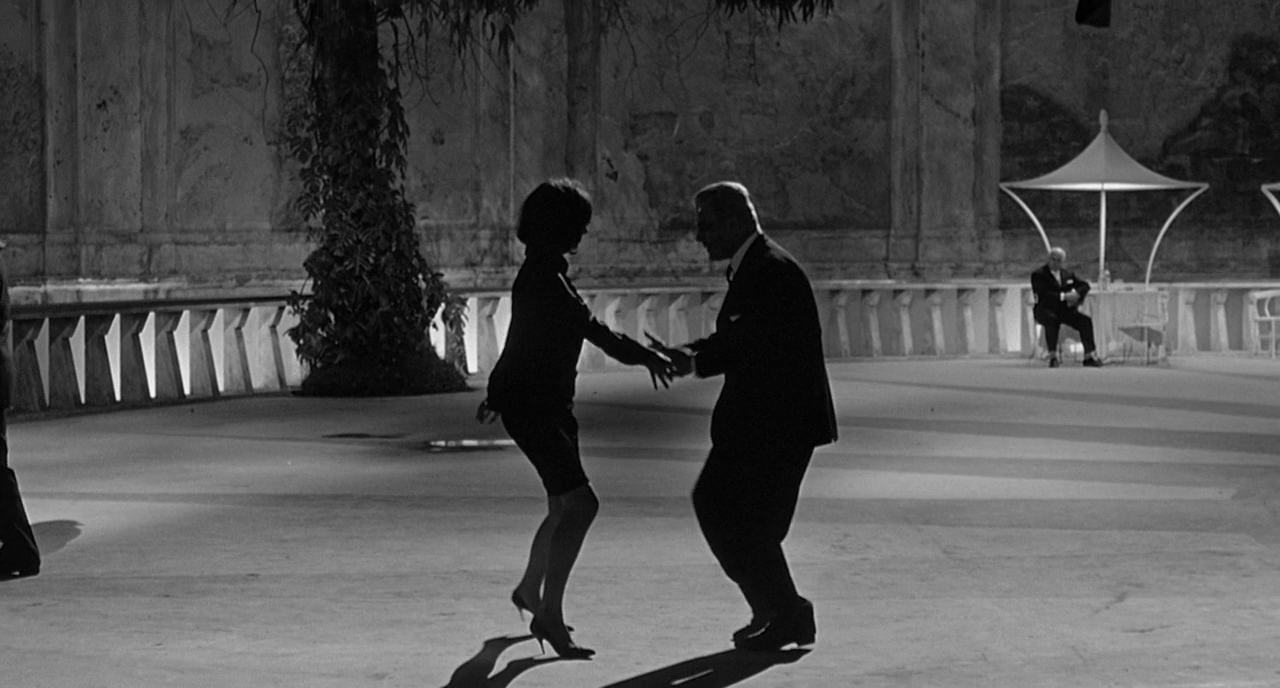
8 1/2 (1963)
Through one Italian filmmaker’s struggle with creative block, contemptuous shame, and overwhelming pressures, Federico Fellini crafts a surrogate representation of himself, elusively traversing a surreal sea of memory and dreams in a film that seeks to intuitively examine the arduous processes of its own self-reflexive construction.
-

The Last of the Mohicans (1992)
Michael Mann’s grand mythologising of colonial America forecasts a solemn future in The Last of the Mohicans, and yet it is also through the cross-cultural relationships formed between Europeans and Native Americans that seeds of harmony are planted, miraculously blooming in the unfertile soil of war.