
-
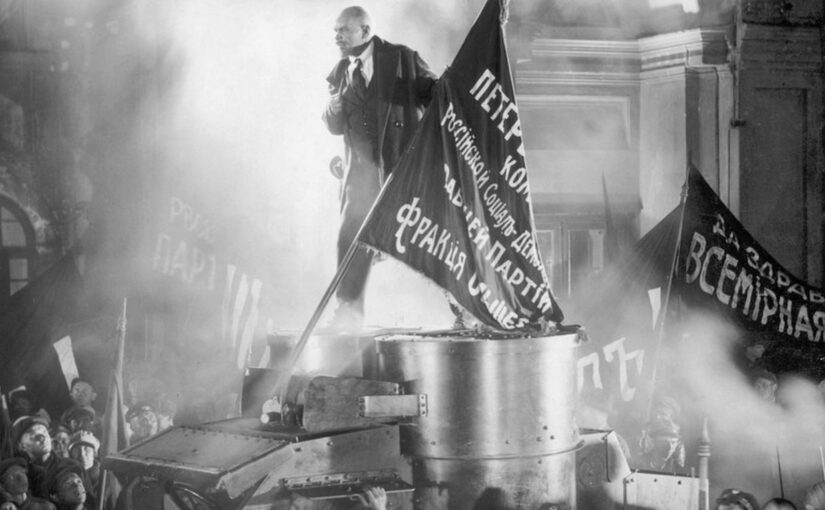
October: Ten Days That Shook the World (1928)
Rarely has history been instilled with as much lively effervescence as it is in October: Ten Days That Shook the World, as Sergei Eisenstein immortalises that jolt of radical exhilaration once felt in the Russian Revolution through the eloquent arrangement of visual symbols, using statues, weapons, and religious icons to recount this tale of Bolshevik…
-
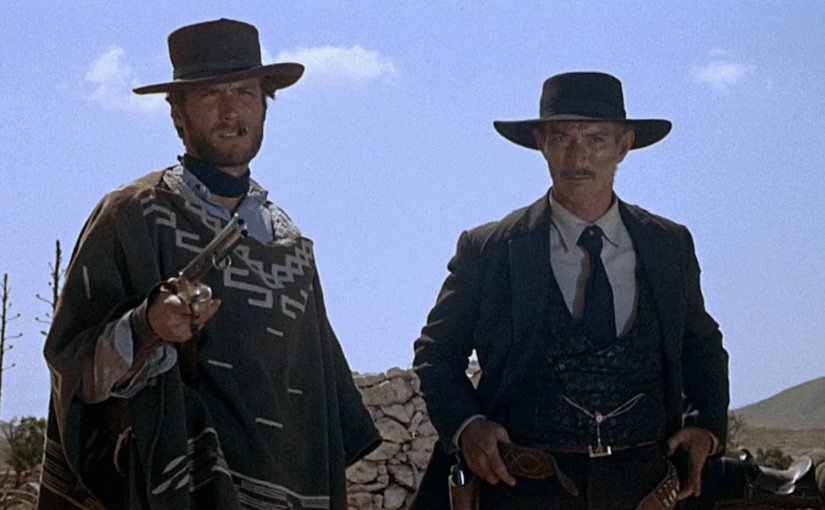
For a Few Dollars More (1965)
It is virtually impossible to separate Sergio Leone’s majestic cinematic style, mythic storytelling, and morally ambiguous characters in For a Few Dollars More, as each tightly intertwine the paths of two gunslingers competing for a bounty, yet choosing to wield their own darkness against far more rotten evils.
-
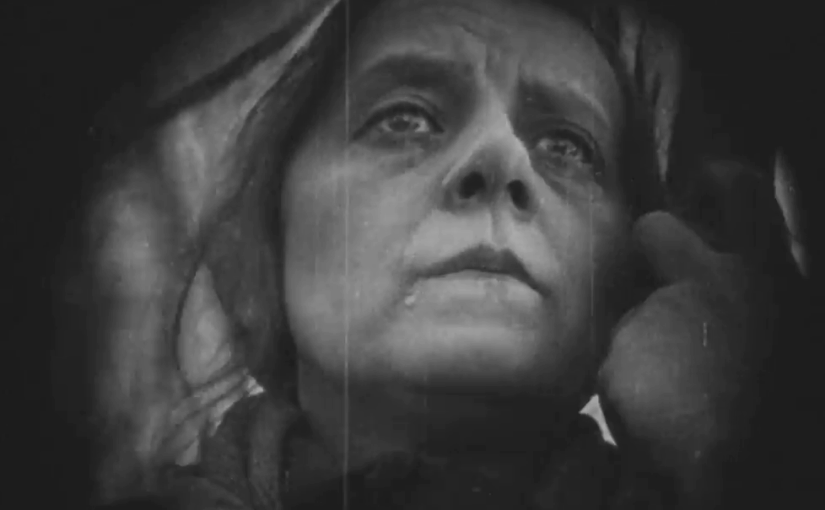
Mother (1926)
The radicalisation of a long-suffering family matriarch in Mother channels her fierce devotion towards the people of Russia, casting her as a revolutionary icon whose anguish and resilience is felt deeply in Vsevolod Pudovkin’s eloquent, invigorating montages.
-
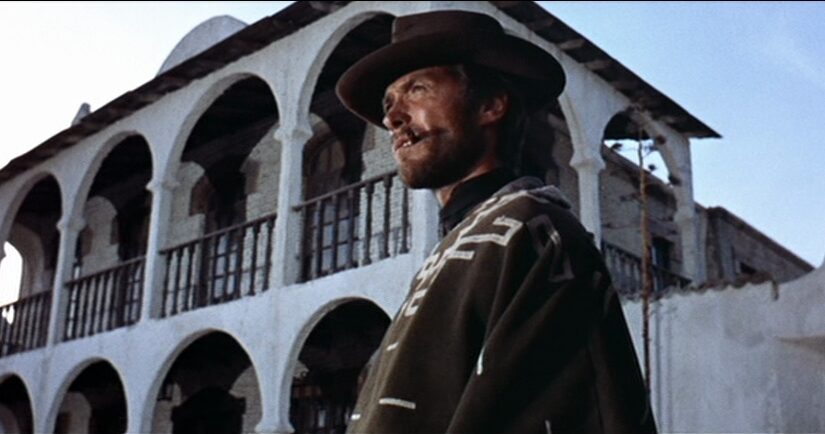
A Fistful of Dollars (1964)
Sergio Leone’s orchestration of every cinematic element at his disposal in A Fistful of Dollars makes for an operatic shake-up of the Western genre, landing a mysterious gunslinger in a town divided by two rival families, and drenching America’s revered mythology in blood, sweat, and violent anarchy.
-

Battleship Potemkin (1925)
Fervent expressions of agony, apprehension, and patriotic joy are made visceral in Battleship Potemkin’s recount of a historic naval mutiny, resulting from Sergei Eisenstein’s passionate experimentations in cinematic montage, and reaching a peak of visual, kinetic innovation that has never been surpassed.