-

A History of Violence (2005)
Within A History of Violence’s interrogations of humanity’s ravenous self-destruction, David Cronenberg skilfully crafts a biblical allegory from one humble diner owner’s confrontation with his shameful past, visiting the sins of fathers upon their children with chilling brutality.
-
After Yang (2021)
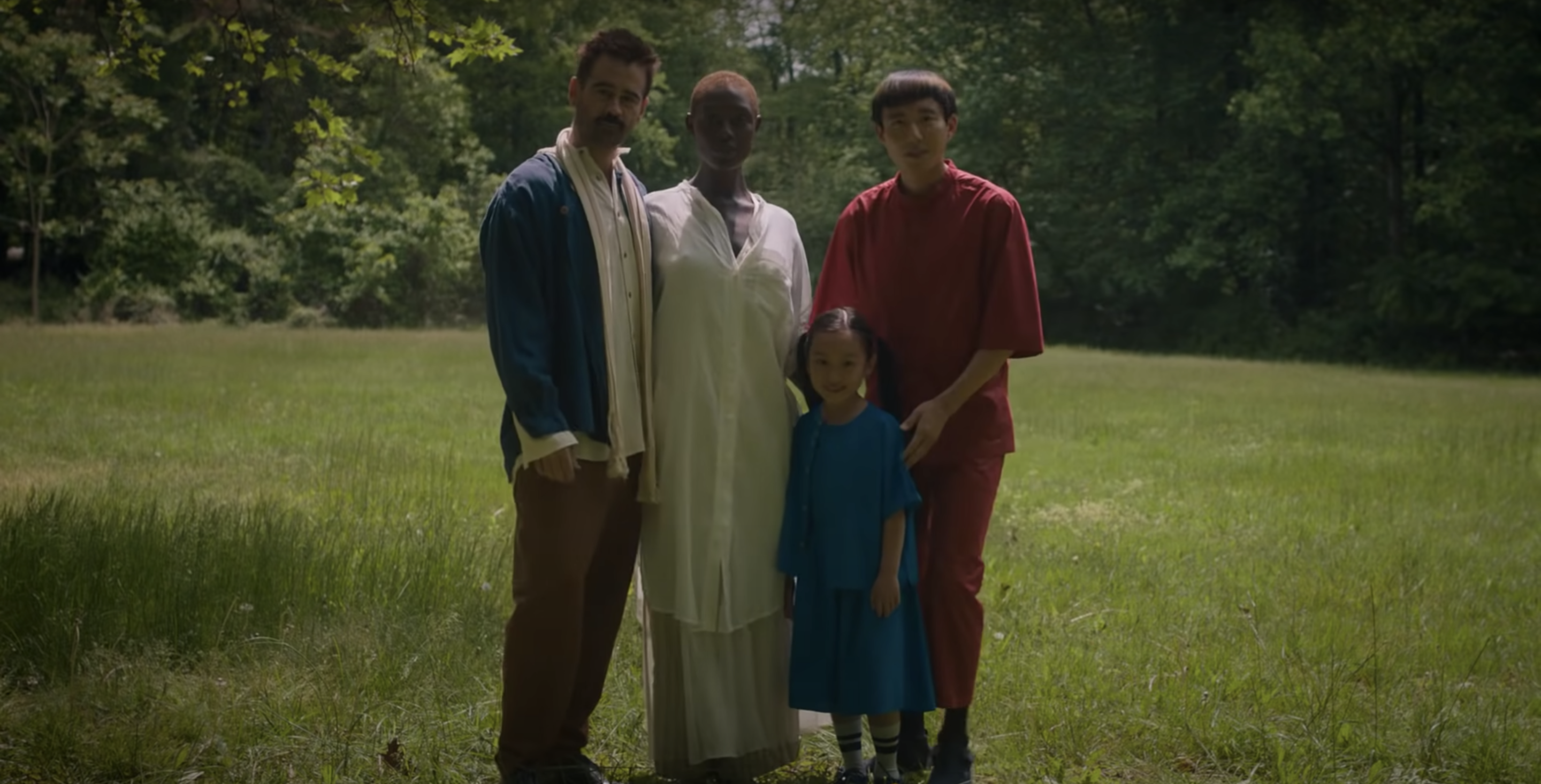
As a grieving family ponders the recorded recollections of their broken robotic son in After Yang, Koganada forms a poignant commemoration of those complex lives that exist just beyond our periphery, studied and savoured through the refractive lens of memory where old ideas find new life in the present.
-
Everything Everywhere All At Once (2022)
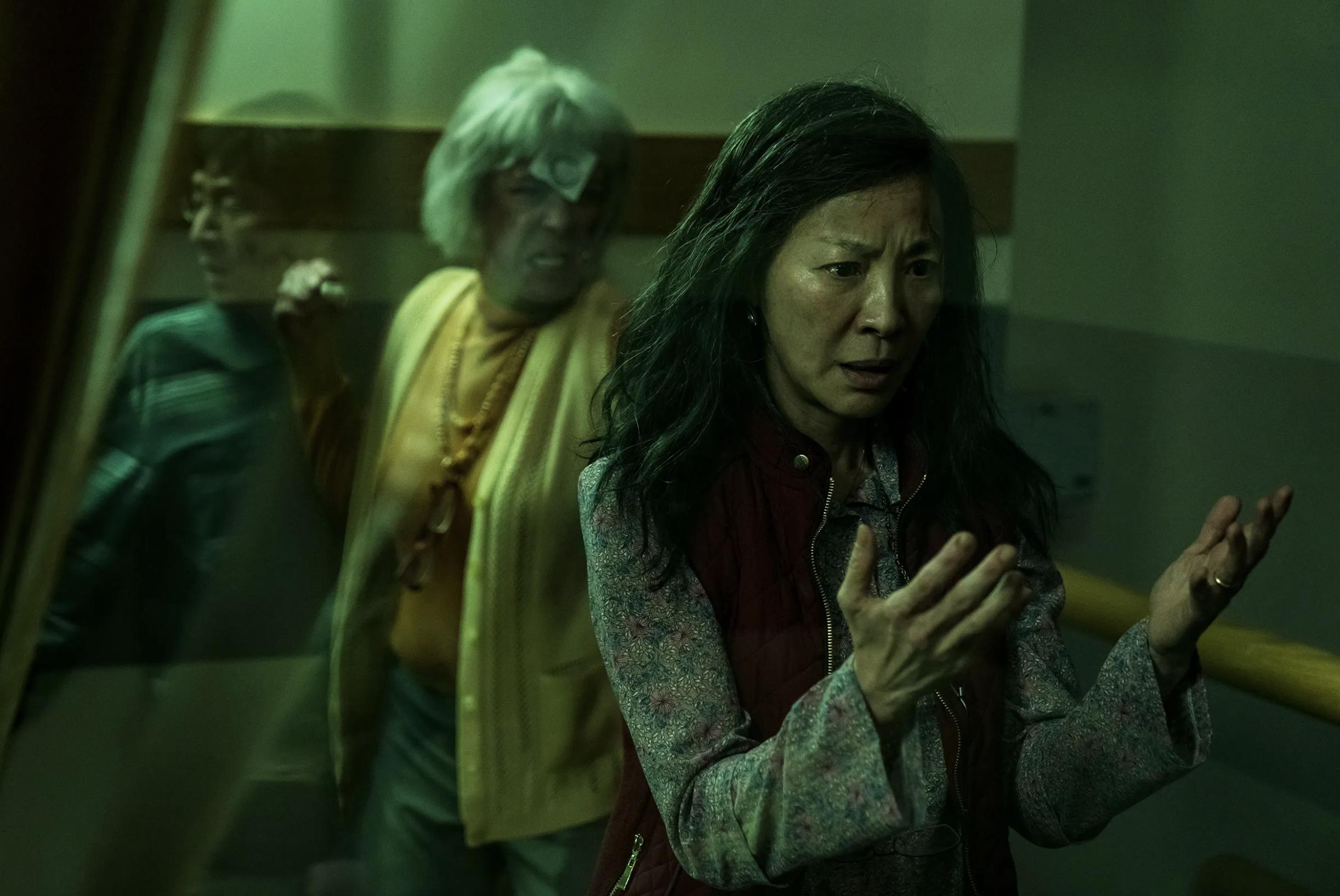
The implicit promise made in the title Everything Everywhere All at Once is about as equally ambitious as it is precarious, setting up a maximalist piece of cinema that flits across alternate universes, wildly fires off montages, and deals in absurd, genre-blending humour, pondering the relative value of individuality within the grand scope of existence.
-
Mulholland Drive (2001)
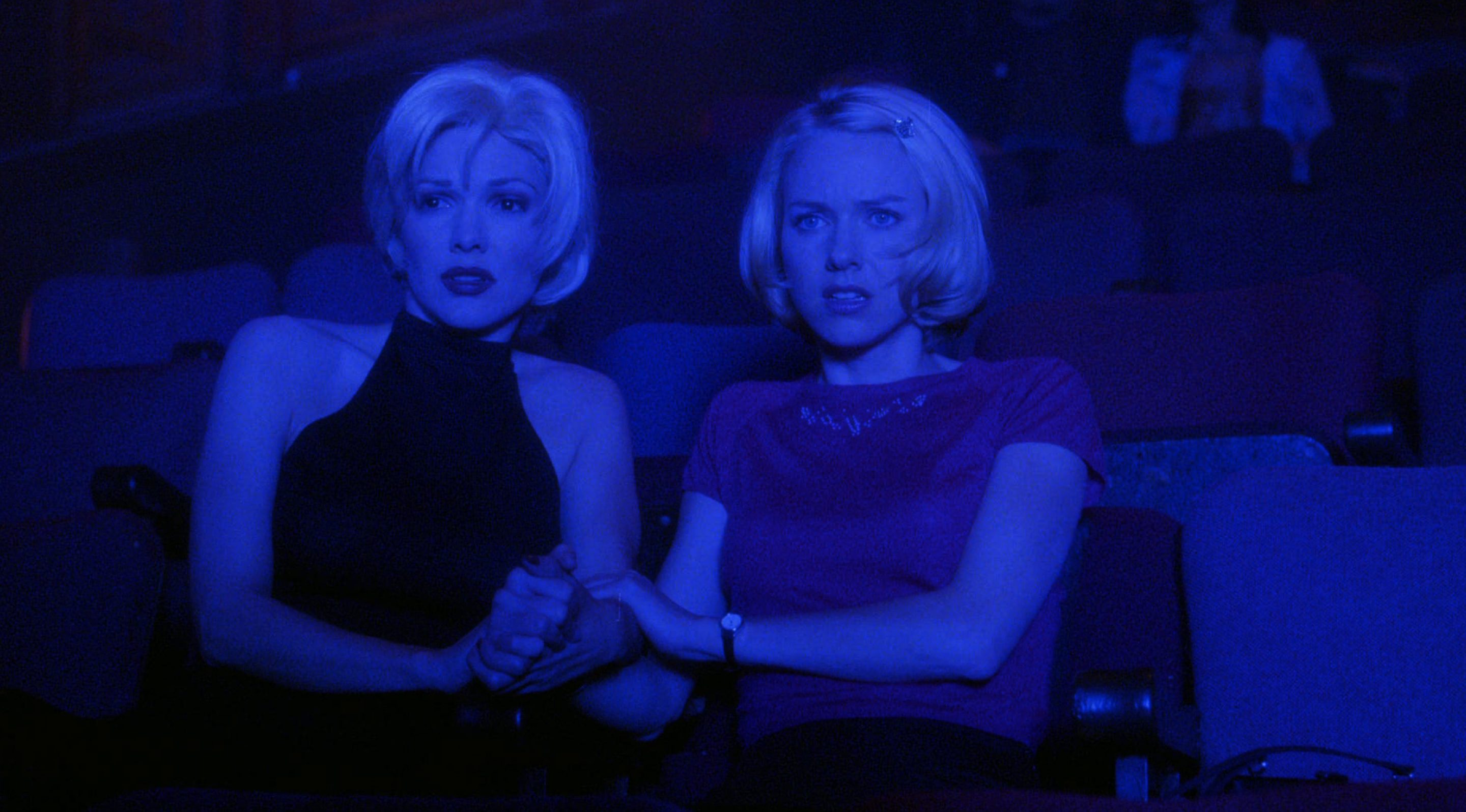
David Lynch’s skilful layering of illusions in Mulholland Drive turns our focus away from the reality of one aspiring Hollywood actress’ insidious deeds, and towards the guilt, hope, and resentment which fester inside her, piecing together new, surreal realities out of the fragments of old ones she would much rather forget.
-
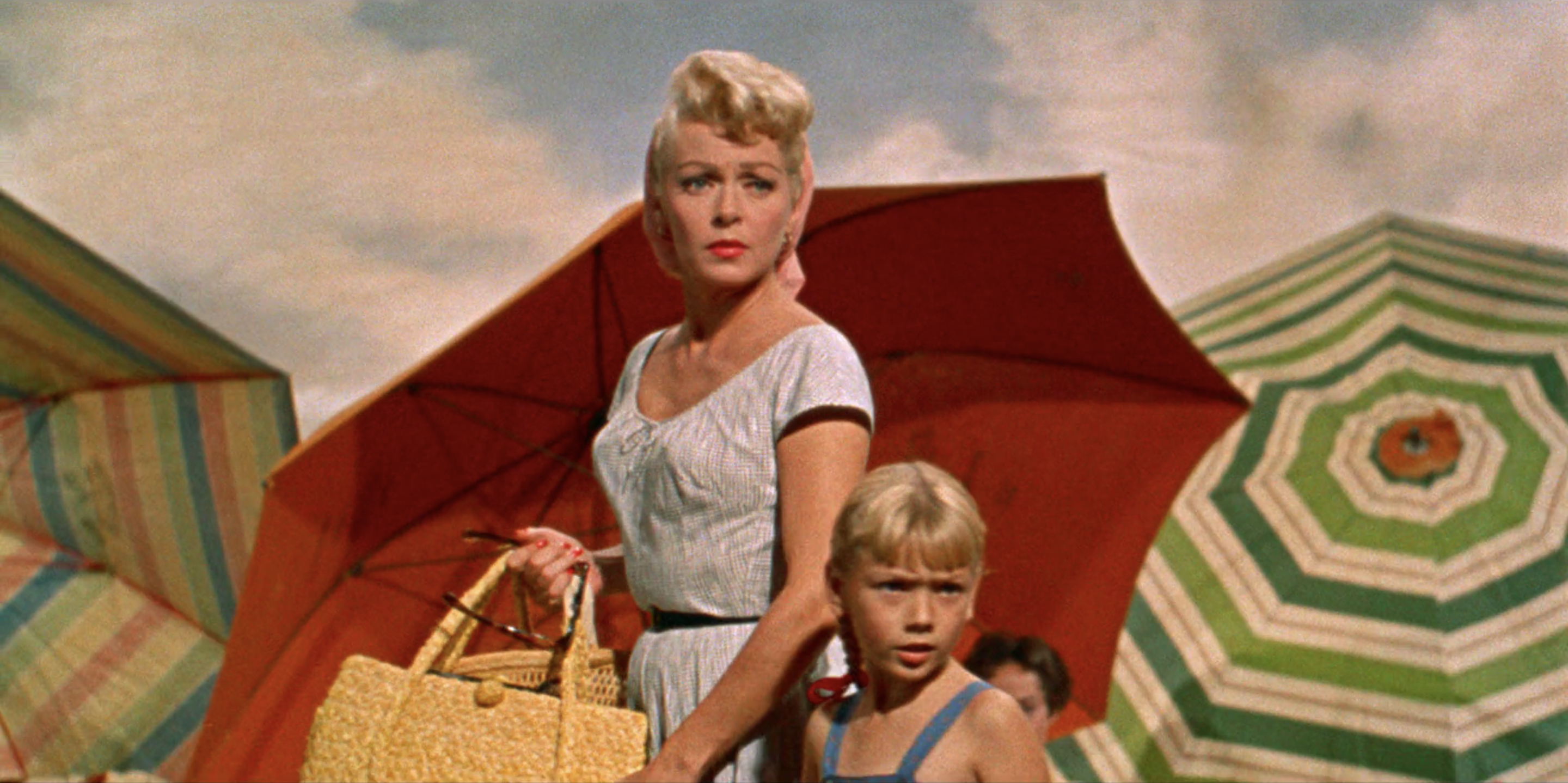
Imitation of Life (1959)
It is an unusual family portrait that Douglas Sirk paints in Imitation of Life, foregrounding two pairs of single mothers and daughters struggling against the 1950s American patriarchy, racial prejudices, and each other, their expressive sensitivities flourishing to form delicate cinematic paintings of privilege and social adversity.