
-
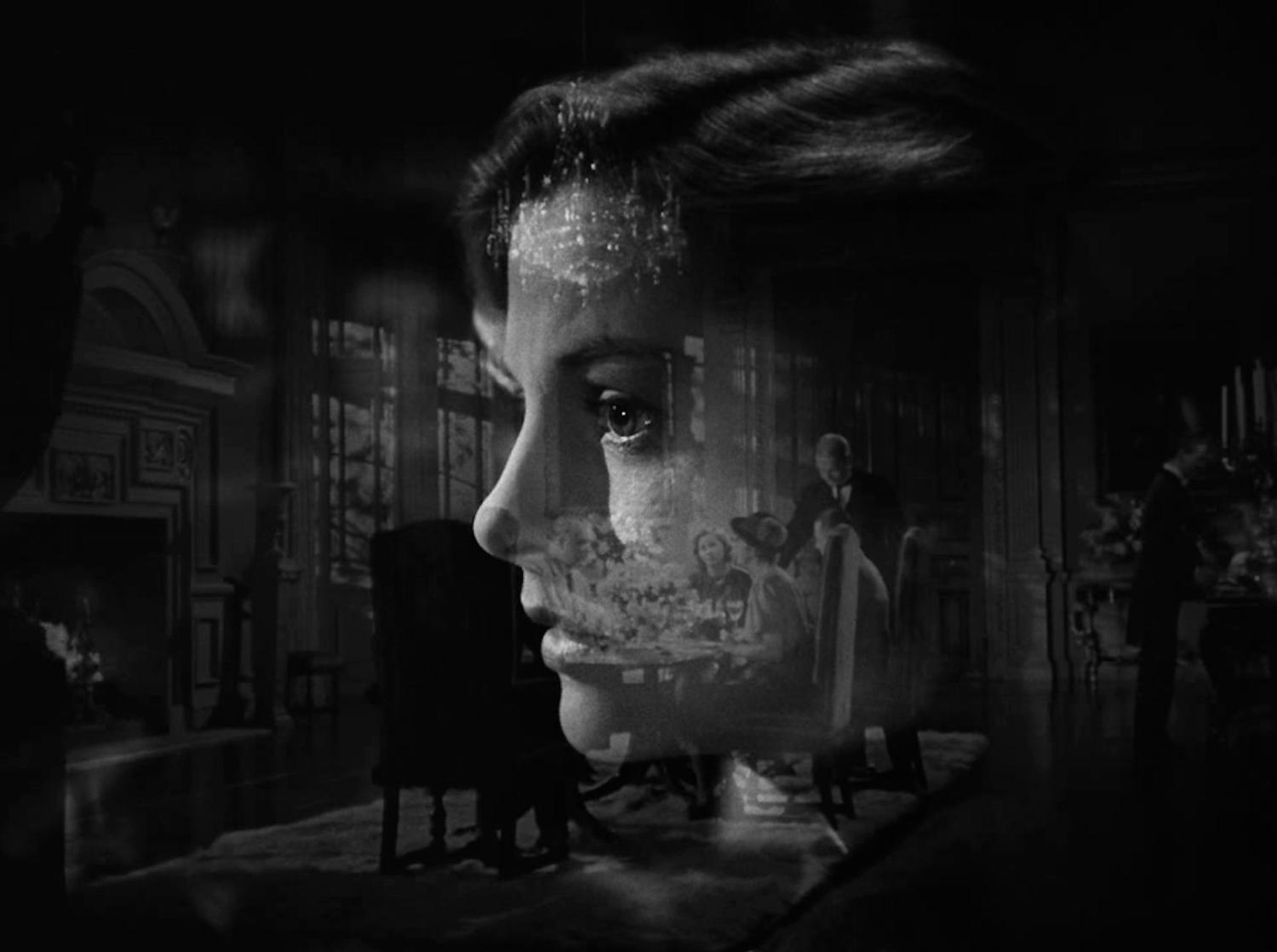
Rebecca (1940)
Alfred Hitchcock’s eerie adaptation of Rebecca maintains the Gothic novel’s mysterious, lyrical quality, but it is especially through his floating camerawork and evocative expressionism that he conjures the memory of its unseen title character, psychologically haunting the new wife of a wealthy widower with the legacy she hangs over his estate.
-
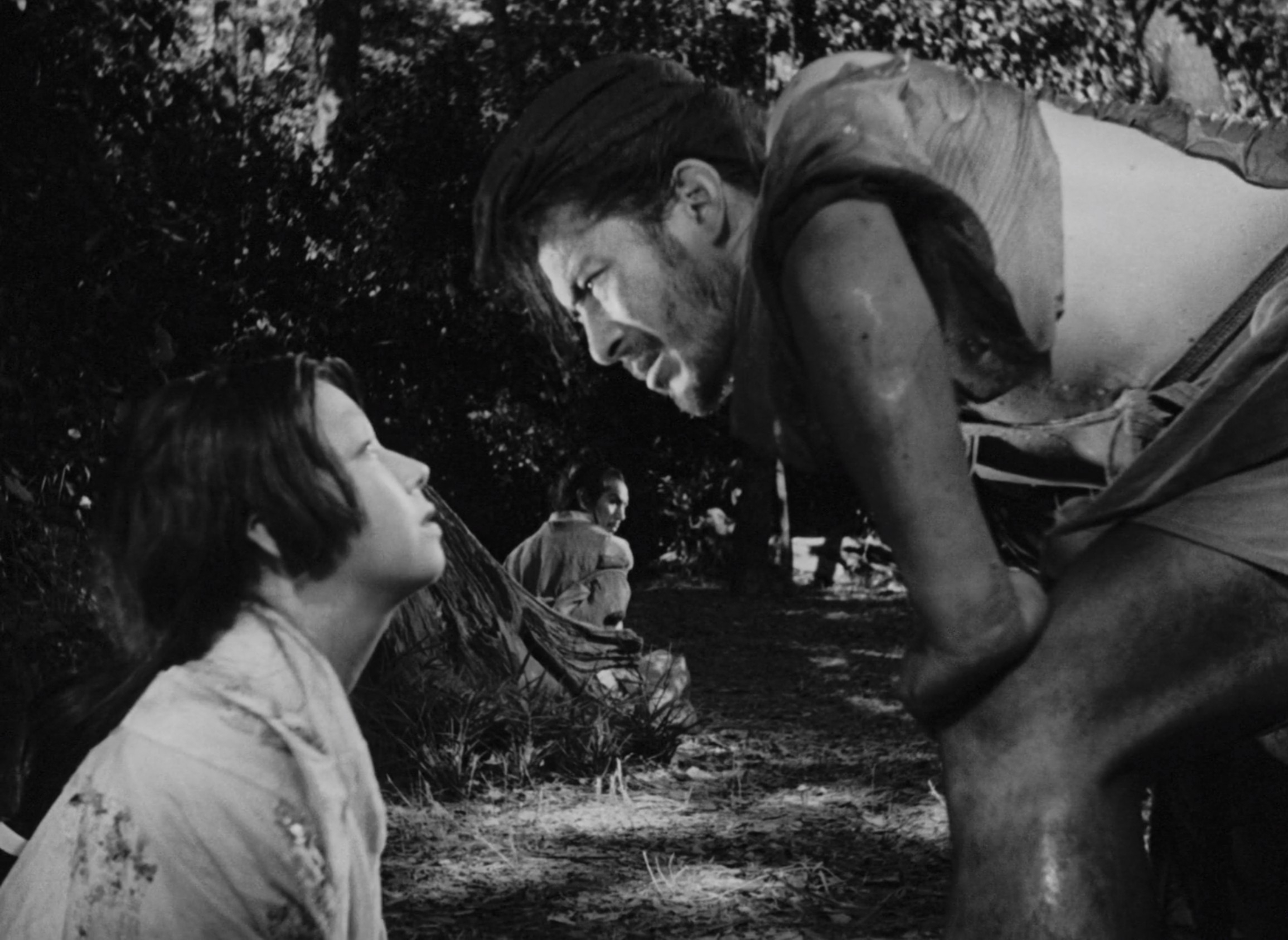
Rashomon (1950)
It is only with as daring a narrative structure as the one which Akira Kurosawa builds in Rashomon that its ruminations on subjectivity, truth, and storytelling find such peaceful resolve in a nihilistic world, as he skilfully navigates the conflicting perspectives of a single murder in classical Japan through dextrous, perspective-shifting camerawork and blocking.
-
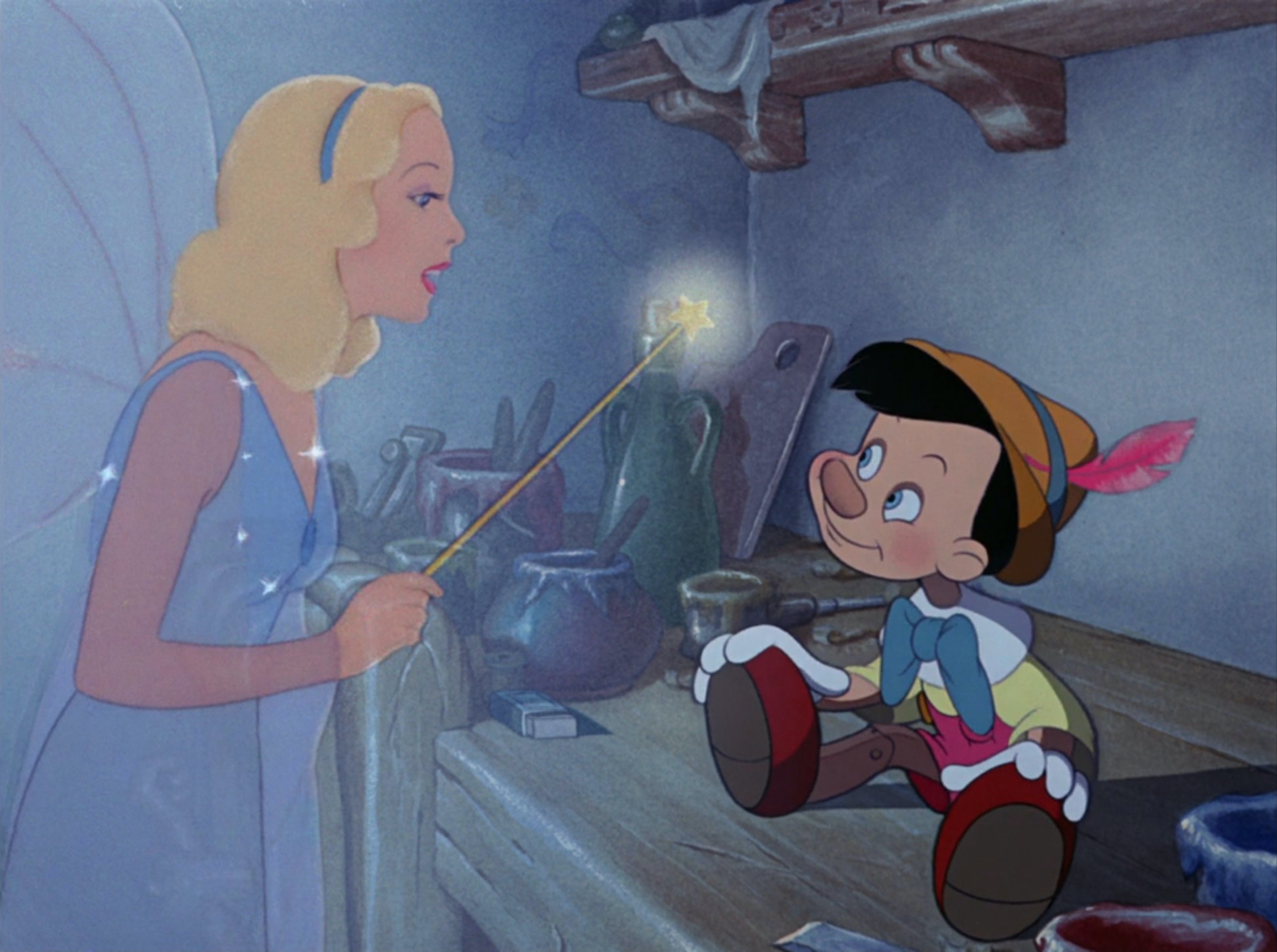
Pinocchio (1940)
To be human in Pinocchio is to possess both free will and a conscience, and it is through its rich allegory of puppets and donkeys that Walt Disney imparts his dark, moralistic musings with dynamic visual expressions, crafting a staggering accomplishment in hand-drawn animation, each one tangibly alive in their tactile movements and wood-carved textures.
-
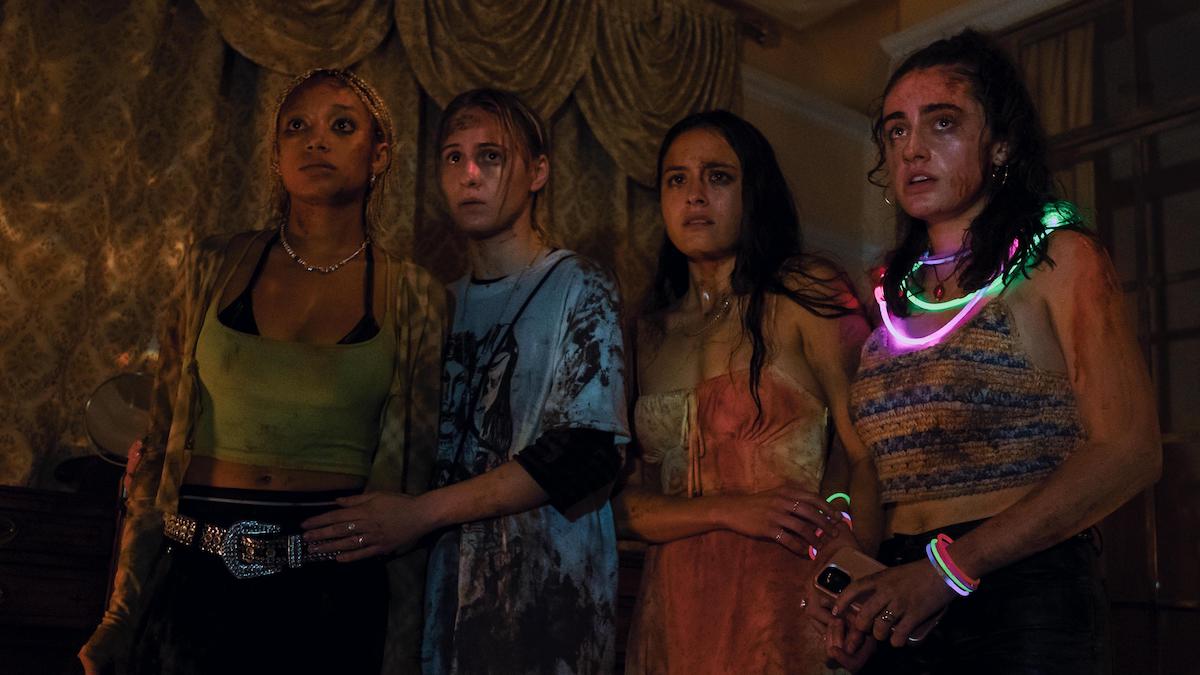
Bodies Bodies Bodies (2022)
Bodies Bodies Bodies delivers a perverse thrill in seeing its ensemble of cynical, two-faced narcissists tear themselves down over the course of one bloody, wild party, as Helina Reijn offers the darkly comedic, neon-tinted murder mystery a Gen Z twist, exposing the fraught insecurities and secrets that lie beneath their insincerity.
-
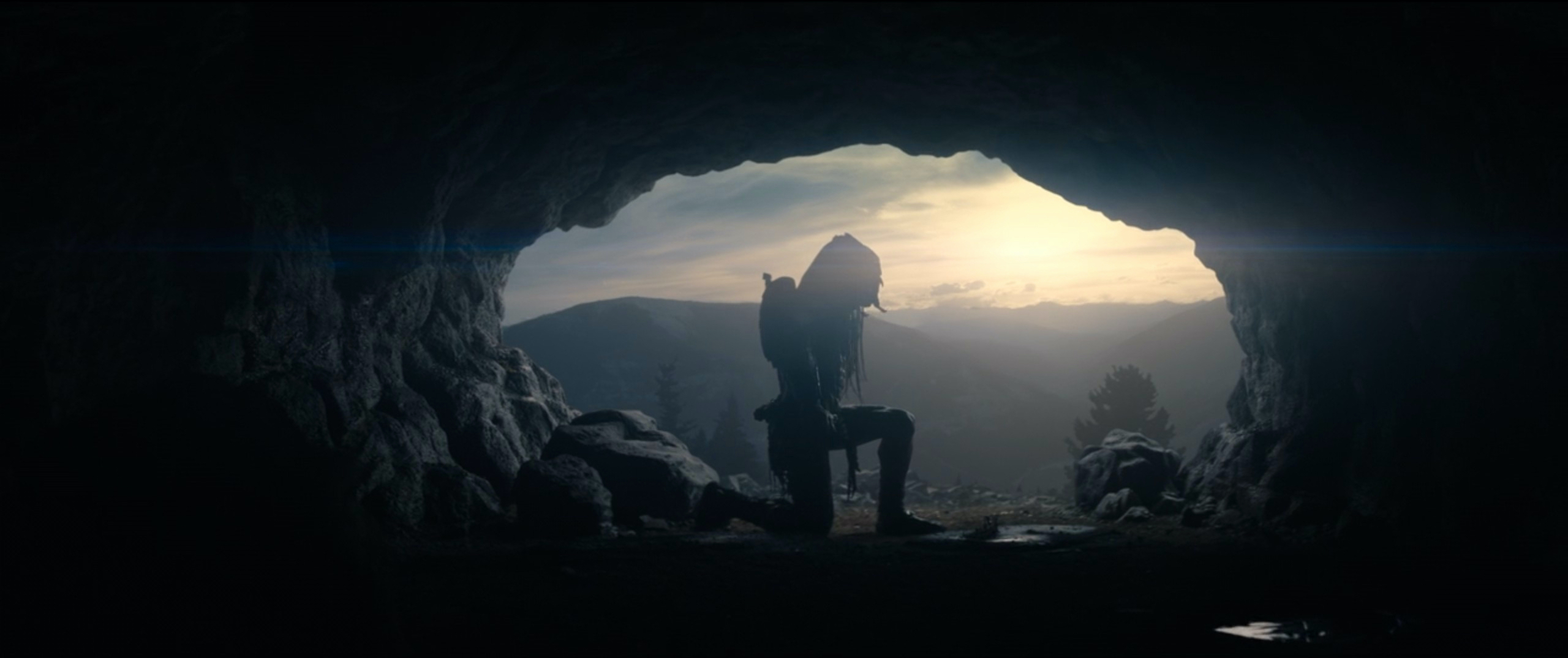
Prey (2022)
There is no need to complicate the simple concept of an extra-terrestrial hunting humans for sport, as Dan Trachtenberg smartly chooses to build Prey on the primal relationship between a hunter and its quarry, offering an assorted blend of genres that creatively brings the Predator franchise’s sci-fi conventions to one Comanche village and its scenic…