
-
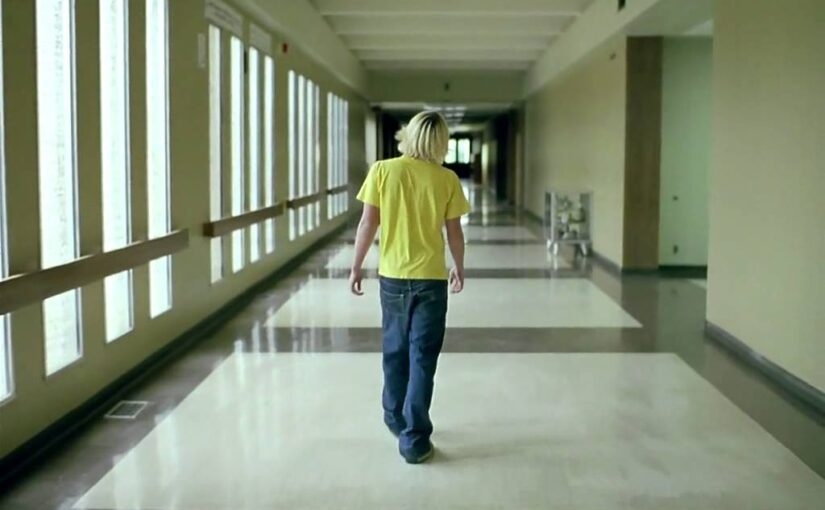
Elephant (2003)
Gus Van Sant does not strive to make sense of the senseless school shooting in Elephant, but rather attaches his tracking camera to the various perspectives of victims and perpetrators as it unfolds, delivering a chilling vision of violence that arrives without warning, logic, or resolution.
-
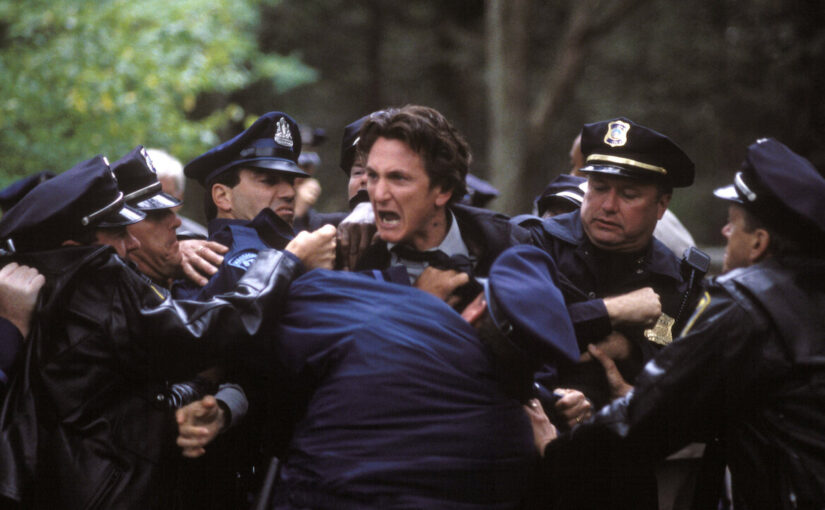
Mystic River (2003)
As Mystic River asserts cycles of shattered innocence through the abductions, abuses, and murders of one Boston neighbourhood, Clint Eastwood draws three childhood friends together over old traumas, and ensnares them in the simmering tension of fresh suspicions.
-
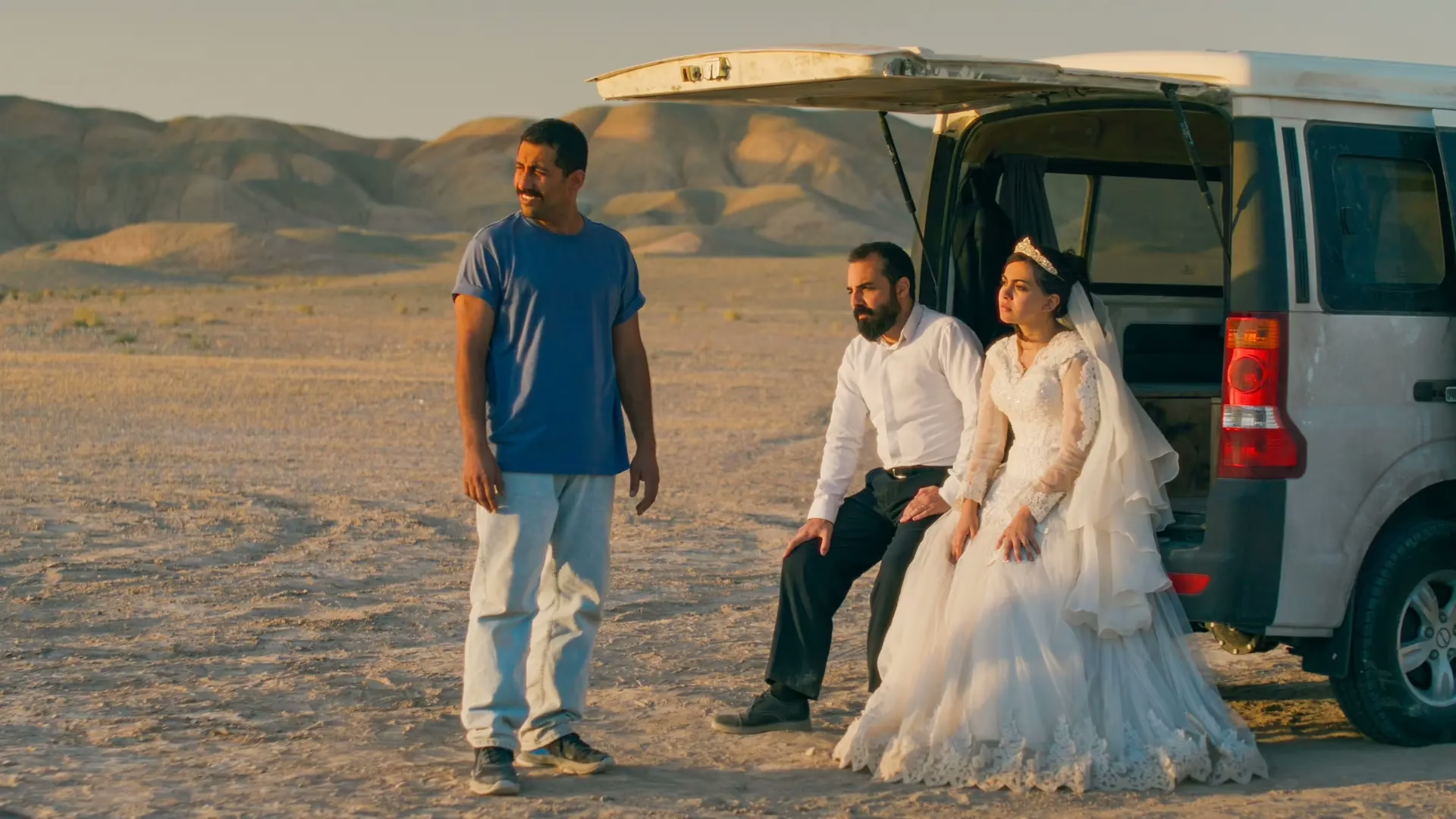
It Was Just an Accident (2025)
Jafar Panahi channels his fury at Iran’s oppressive regime into the complex moral dilemma of It Was Just an Accident, propelling a party of former political prisoners on a quest to identify a man they believe to be their torturer, and uneasily distilling the gnawing, unrelenting anxiety of their tortured survival.
-
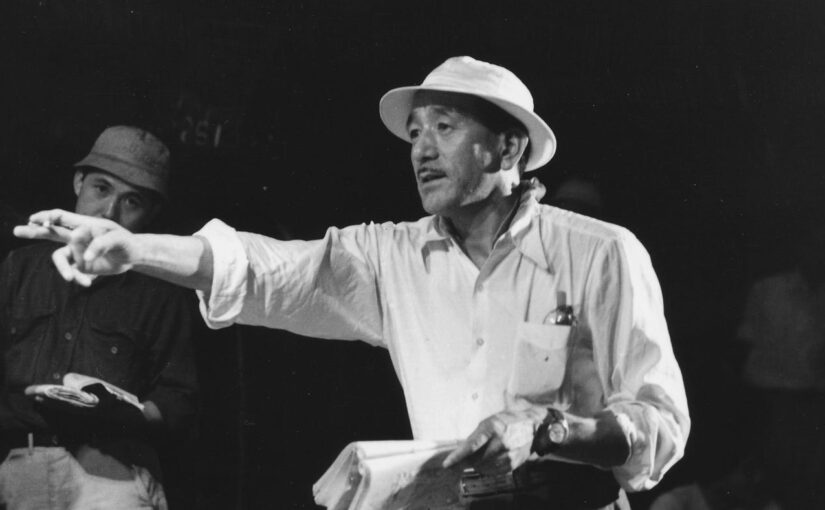
Yasujirō Ozu: Family in the Frame
Earning the mantle of one of cinema’s great formalists, Yasujiro Ozu develops a distinctive visual language rooted in meditative pacing and meticulously composed interiors, evoking a Zen-like tranquility through which the subtle, unspoken tensions of domestic life quietly unfold.
-

No Other Choice (2025)
Never has Park Chan-wook wielded his fatalistic irony with such a darkly comedic edge as he does in No Other Choice, sending one unemployed paper specialist on a murderous trail against rival job candidates, and sharply exposing the bureaucratic nihilism of modern capitalism.