
-

The Best Films of the 1960s
The greatest films of the 1960s, from the French New Wave to its subversive Spaghetti Westerns.
-
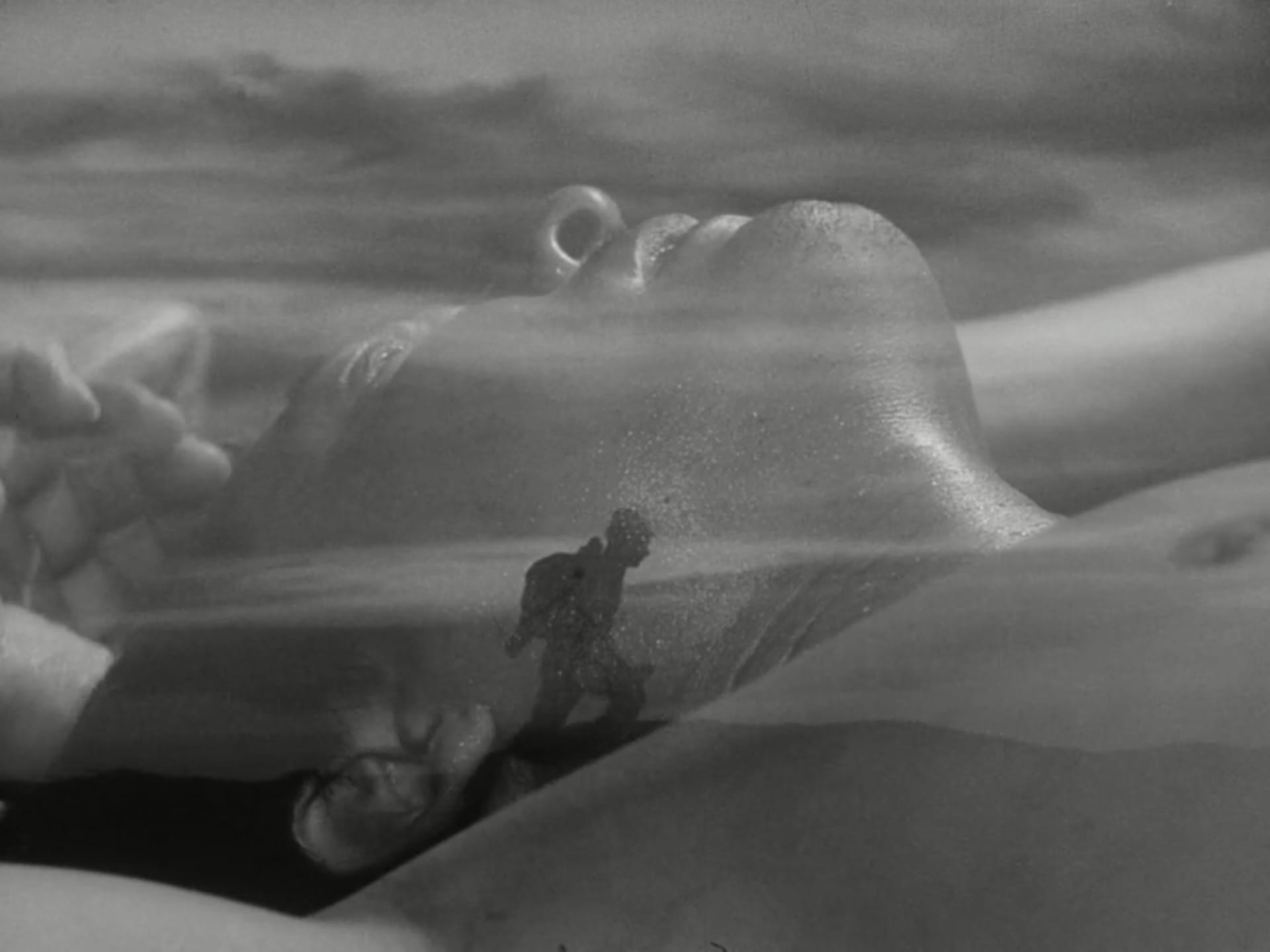
Woman in the Dunes (1964)
Through Hiroshi Teshigahara’s elemental metaphor in Woman in the Dunes, sand becomes the formless structure of one man’s existential imprisonment, trapping him in a Sisyphean struggle of labour that slowly absorbs him into a primordial, ever-shifting desert.
-
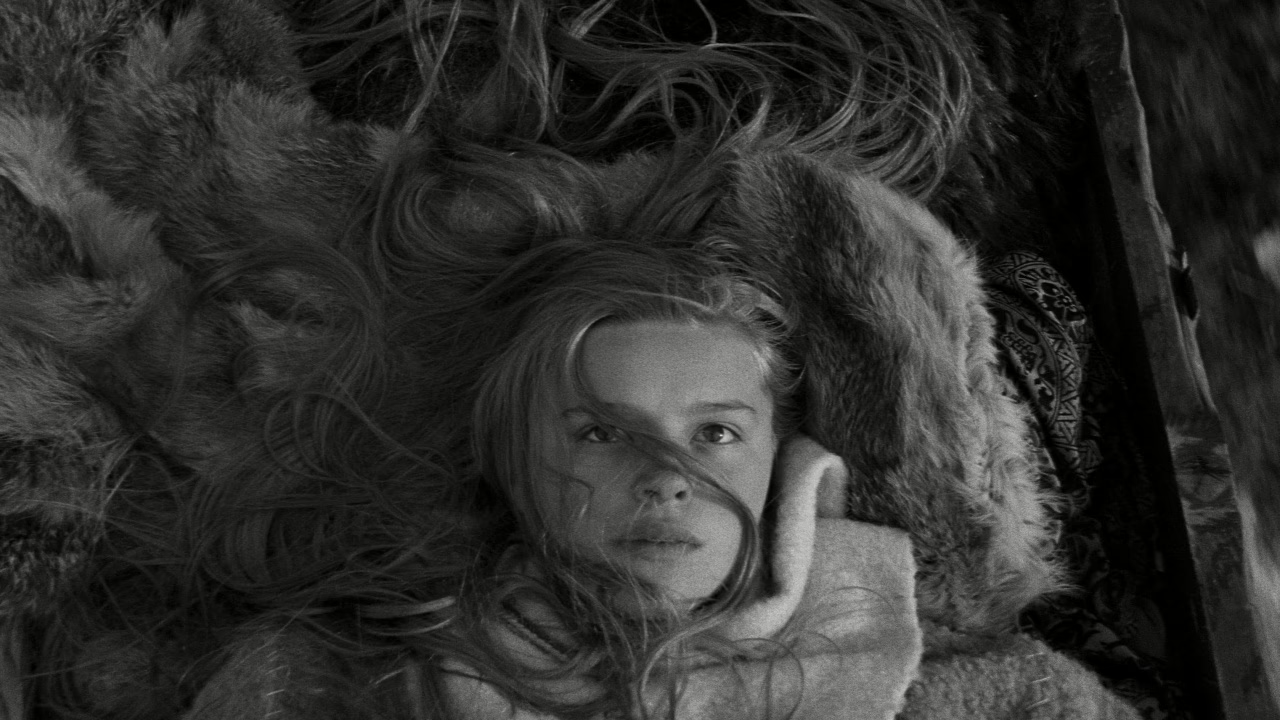
Marketa Lazarová (1967)
Although the Christianity of medieval Europe encroaches upon a primordial pagan world in Marketa Lazarová, František Vláčil does not grant moral authority to any single religion, but rather dissolves historical certainty into a fragmented, mythic haze.
-
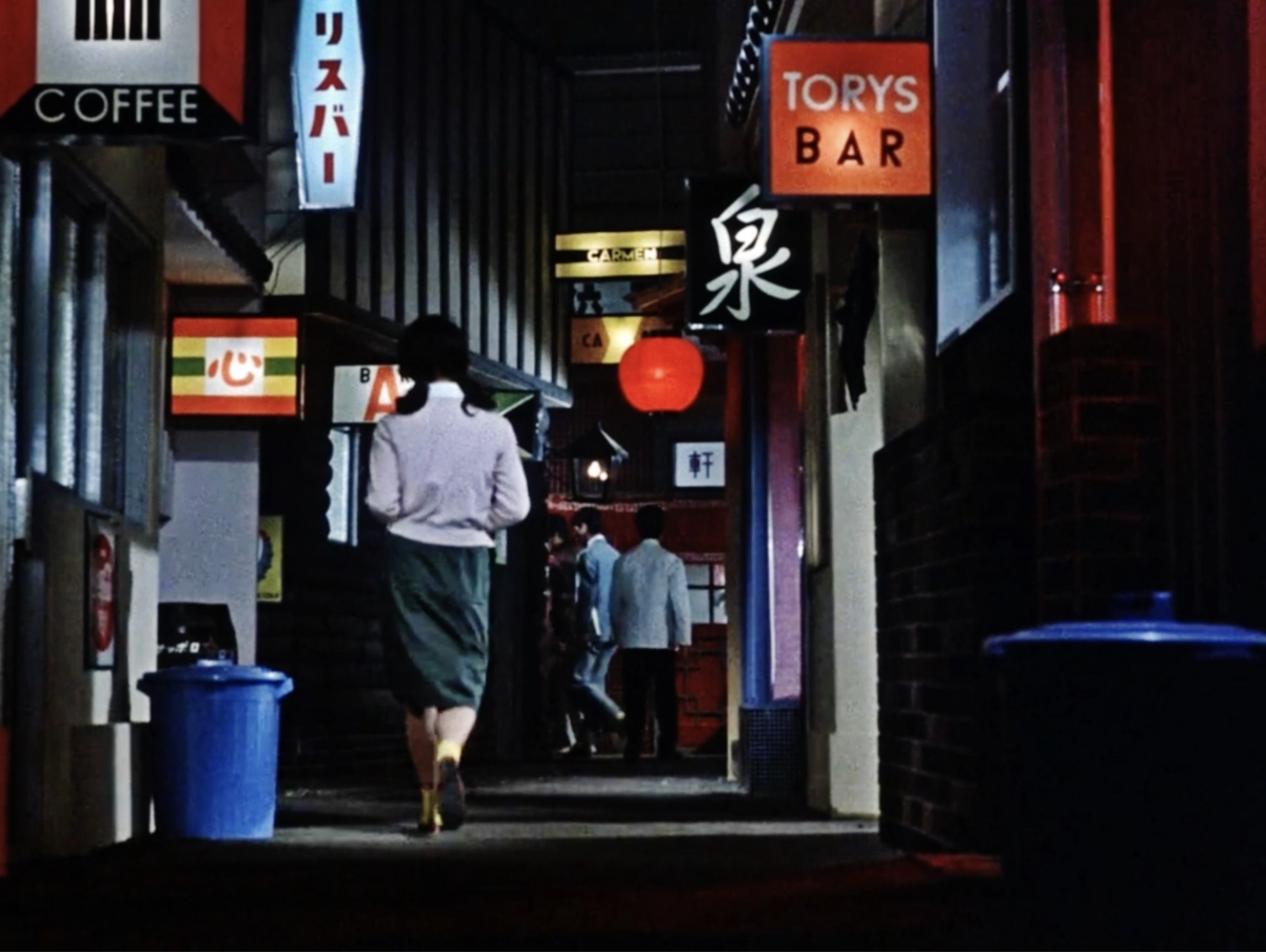
An Autumn Afternoon (1962)
If Yasujirō Ozu’s filmography is a cinematic suite charting the tension between tradition and progress, then An Autumn Afternoon stands as a tender final movement, tracing a widowed father’s reluctant push to marry off his daughter amid Japan’s mid-century commercialism.
-
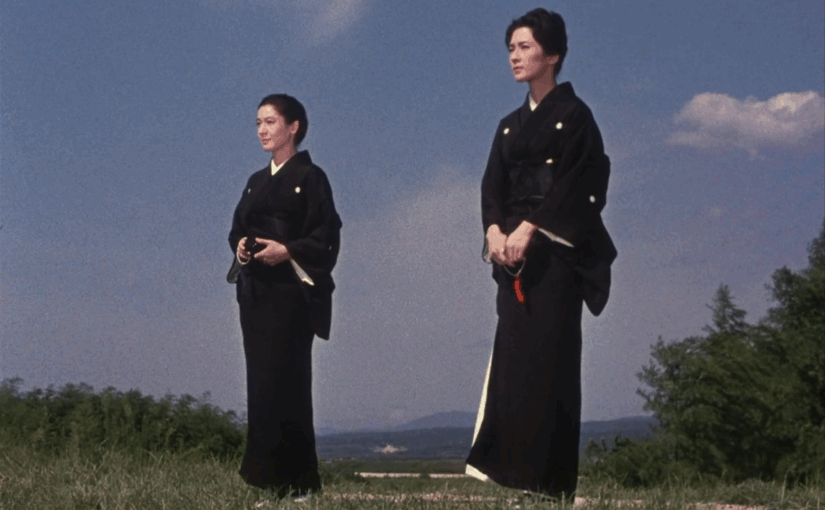
The End of Summer (1961)
Marriage within the Kohayagawa family takes on multiple meanings throughout The End of Summer, ensuring stability within the younger generations and bringing scandal among the older, as Yasujirō Ozu weaves its humour and drama into poetic lamentations of life’s bittersweet sorrows.
-
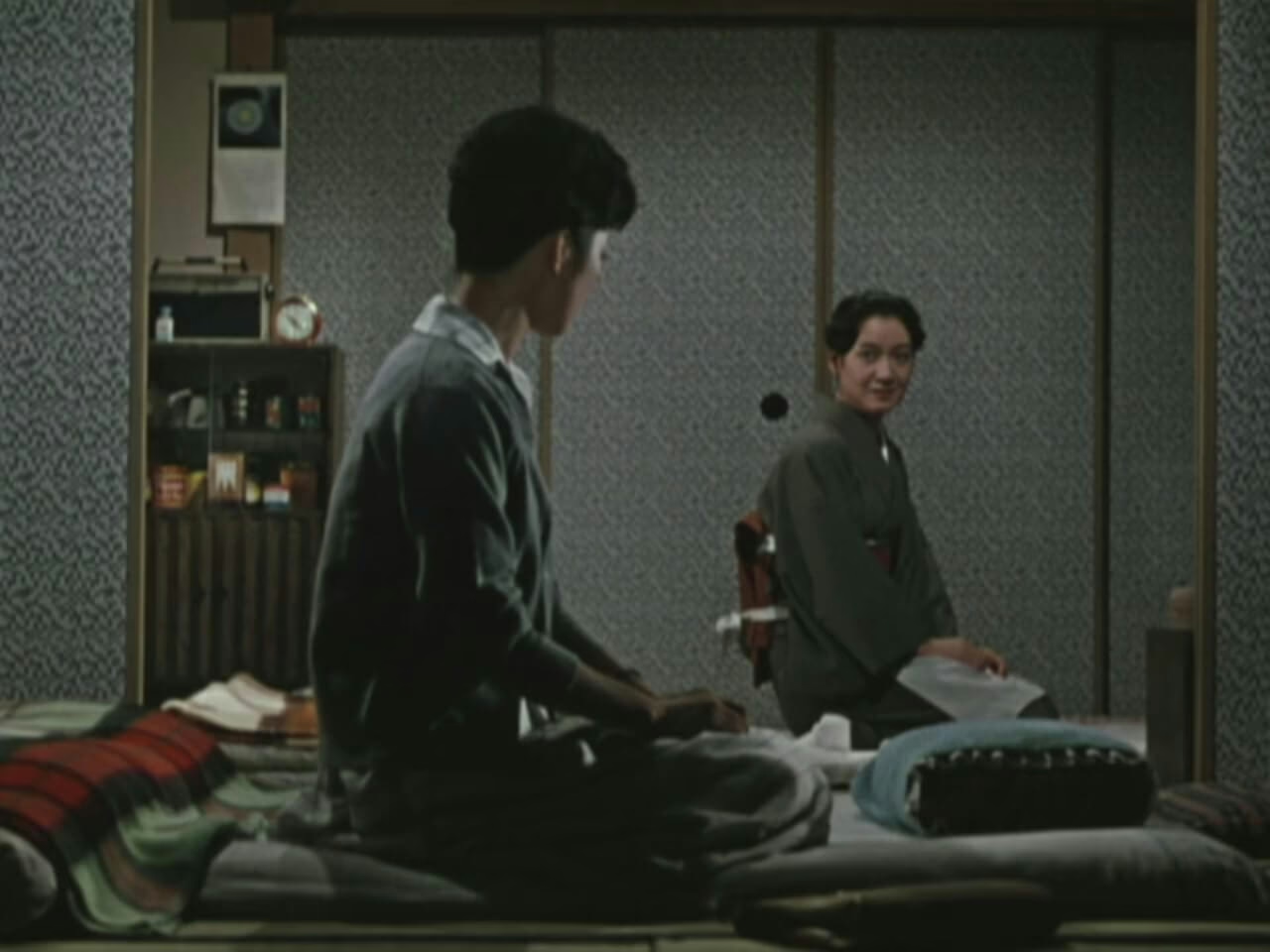
Late Autumn (1960)
Overshadowed it may be compared to Yasujirō Ozu’s other family dramas, but Late Autumn’s examination of marriage and remarriage in mid-century Japan still finds fresh emotional textures in its colour cinematography, intertwining love, duty, and generational bonds.
-

Letter Never Sent (1960)
The struggle to survive in the Siberian wilderness of Letter Never Sent is as psychological as it is physical, swallowing four diamond-hunting adventurers up in its primordial chaos, and forcing us through Mikhail Kalatozov’s daunting camerawork to bow down before its ravaging elemental forces.