
Mary Bronstein | 1hr 53min

“Mummy is stretchable,” Linda’s daughter chirps to her hospital counsellor, painting a superficially comforting picture of her family. Her endurance is like elastic – endlessly flexible, and not at all “hard” like her Daddy who holds firm against external pressure. Linda does not take kindly to this description. She desperately tries to stay in control, though as far as she is concerned, she may as well not be present at all.
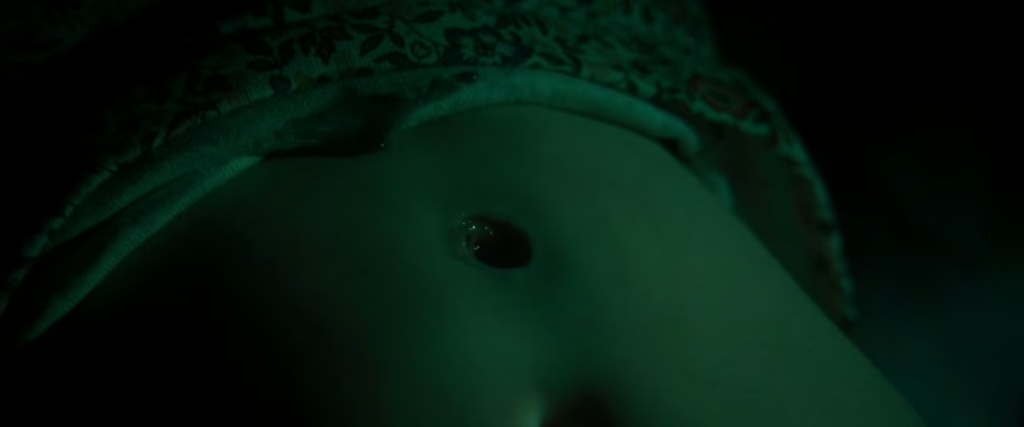
Throughout If I Had Legs I’d Kick You, this feeling of dissociative absence is amplified by another, denying Linda’s daughter the most basic markers of presence. Beyond being named, she is not even given a face, and thus reduced to a voice that exists solely offscreen. As emotional attachment thins, Linda operates primarily on maternal instinct, treating her child’s feeding disorder as a logistical emergency that requires management more than genuine care. She is impatient for her daughter’s gastric tube to be removed, though if she does not meet her weight goals by the end of the week, it is unlikely that will happen any time soon.
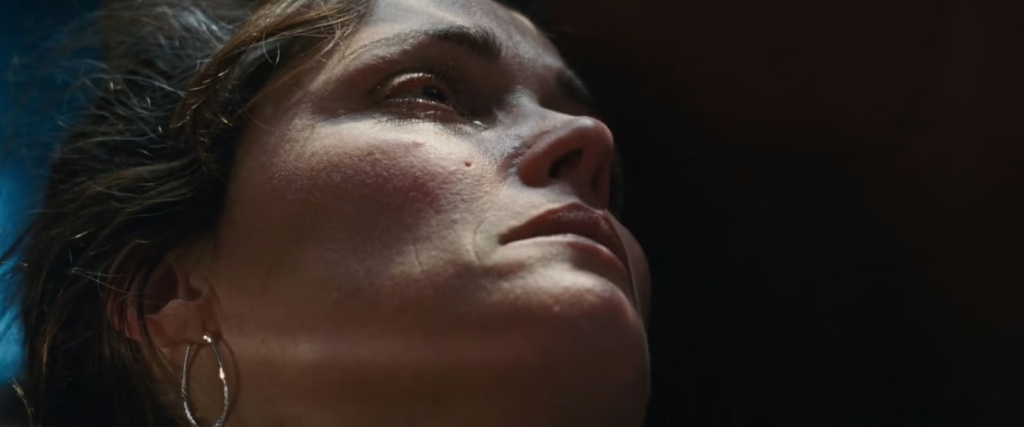
For a mother so pushed to her limits, being “stretchable” is evidently far more a survival mechanism than a virtue, and one that is unfortunately unsustainable given the competing demands in every corner of her life. Just as she obsesses over closing that hole in her daughter’s stomach, so too does the hole in her apartment ceiling become a point of helpless fixation, forcing her to move into a dingy motel. Elsewhere, snarky desk clerks and stern parking attendants pose frustrating obstacles, and the accumulating microaggressions only strain her fragile grip on sanity.

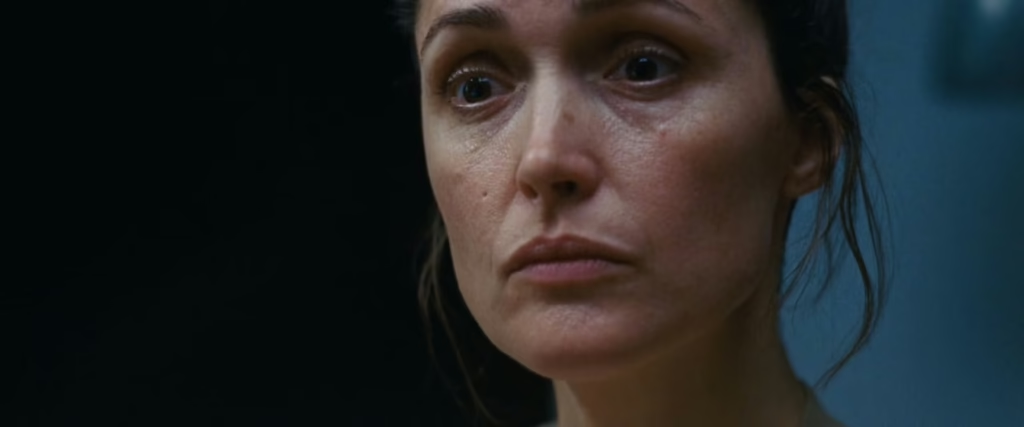
With her exacting formal control of tone across a web of intersecting pressures, it is no surprise that Mary Bronstein emerges from the same creative circle as the Safdie Brothers. In its harrowing focus on motherhood as a state of constant triage though, If I Had Legs I’d Kick You strays far from the realm of New York criminals, gamblers, and aspiring sportsmen, redirecting that nerve-wracking tension toward maternal obligation. The smaller scale narrative does not diminish its acute, psychological drama – in fact, the persistent close-ups on Rose Byrne’s exhausted face as she juggles multiple crises only heightens its claustrophobic intensity, underscoring the unbearable shame and responsibility that saturates mundane anxieties.
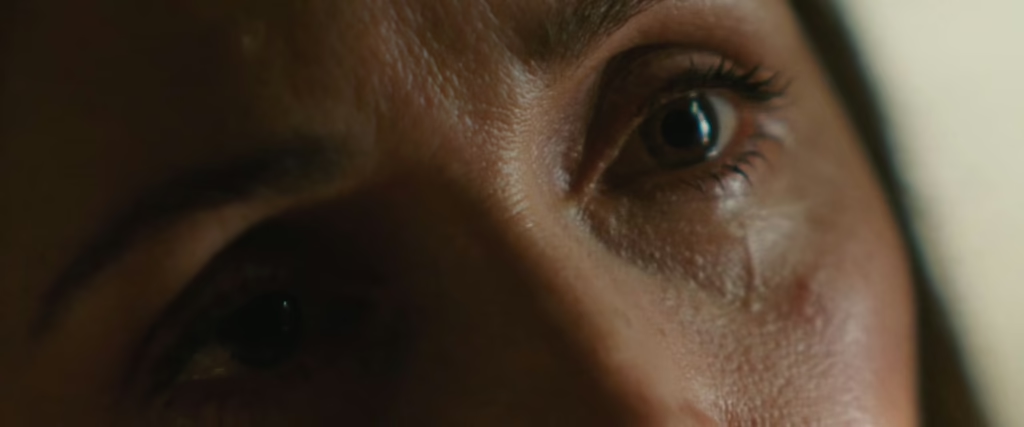
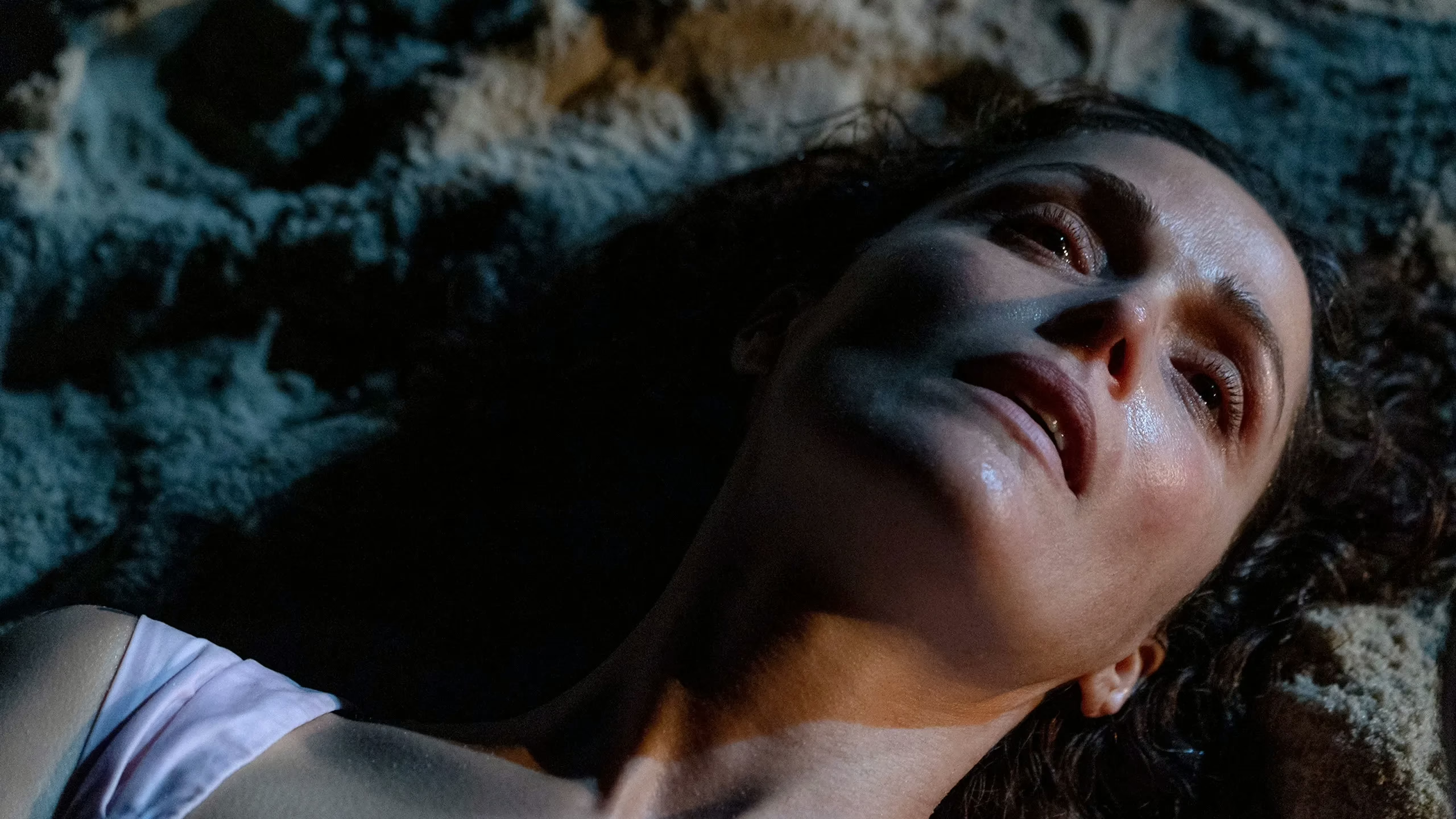
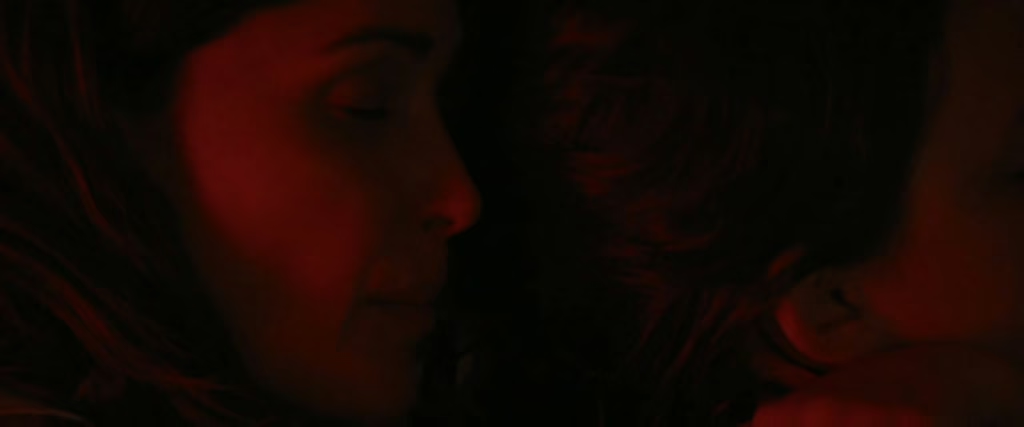
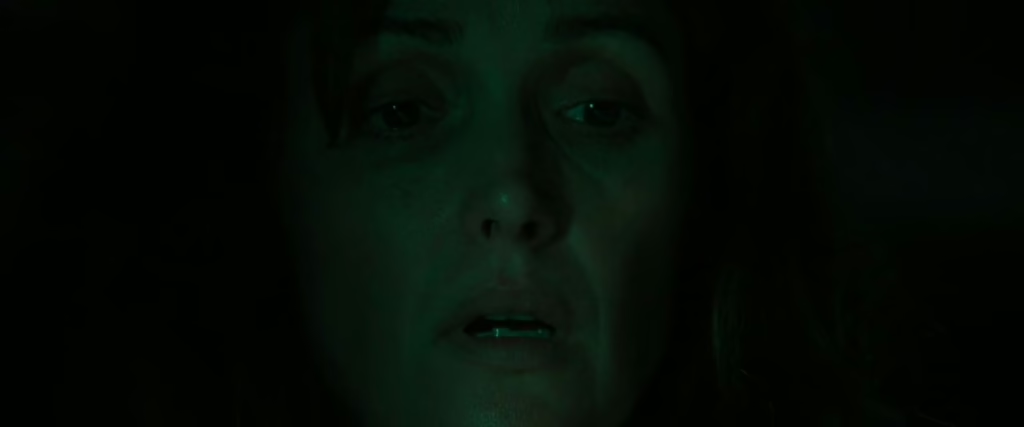
This provocative choice largely forms the aesthetic basis of Bronstein’s character study here, and Byrne’s frustrated expressions are fully deserving of such rigorous, sustained focus. Her pained eyes are especially highlighted in slow, oscillating zooms across long takes, and by allowing her presence to fill the frame, the visual absence of her daughter is felt even deeper. The motel and hospital’s fluorescent blue, red, and green lights only exacerbate her insomnia through restless nights, and when sleep does finally arrive, it is wracked with traumatic memories and visions of that hole in her damaged apartment ceiling, opening into a dark abyss.
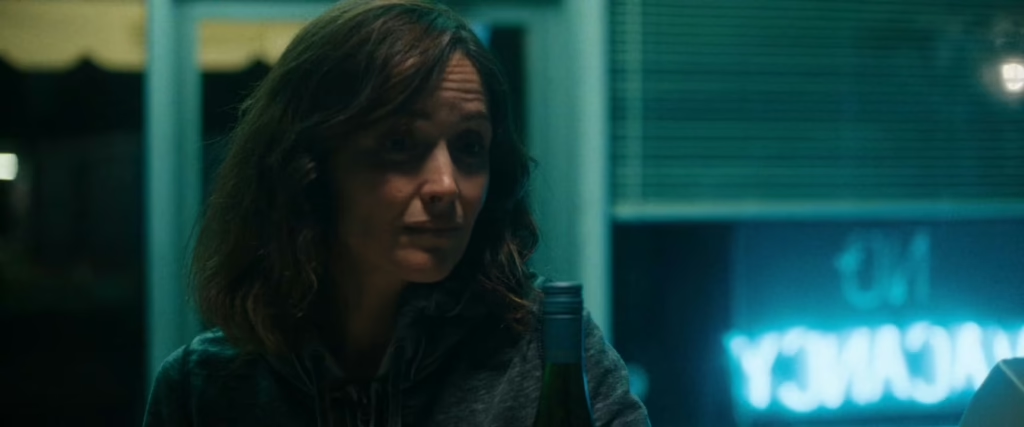
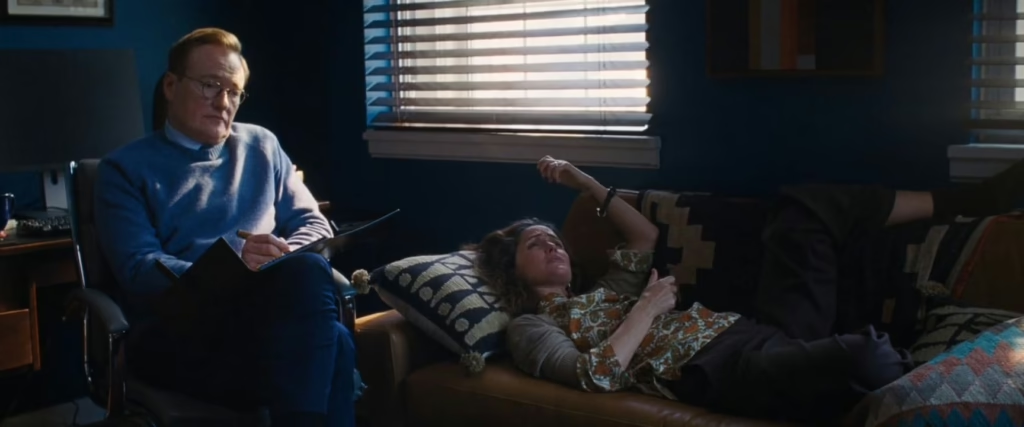
At least Linda has a therapist to lean on, played by an exasperated Conan O’Brien no less, though it is deeply ironic that she occupies the same profession herself. Her entire job is helping others navigate their trauma and psychological struggles, yet she can barely apply that objective distance to her own life. As a sufferer of postpartum anxiety, her most troubled client Caroline consequently holds a discomforting mirror up to Linda’s flaws, reflecting precisely what she might become if her “stretchable” resilience were to suddenly snap.
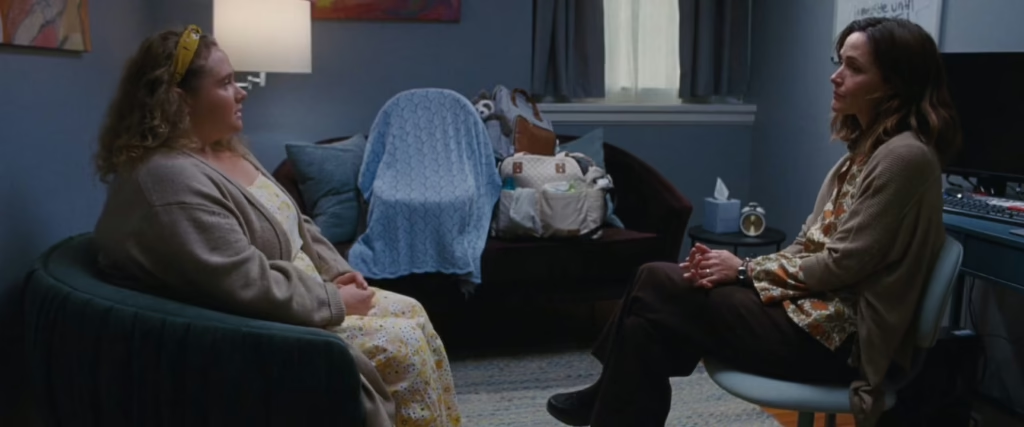
At several points throughout If I Had Legs I’d Kick You, Bronstein’s narrative inches dangerously close to this breaking point as well, punctuating its slow, simmering pacing with sudden bursts of violence. Crushed hamsters and broken legs arrive without warning, though even when Linda is simply trying to buy alcohol from the motel lobby, these low stakes scenes are ridden with emotional whiplash. Byrne navigates these tonal shifts seamlessly as she shifts focus between overlapping stressors within the space of a few seconds, ultimately revealing the source of her pliability – only by giving way on one front is she able to keep another from collapsing.
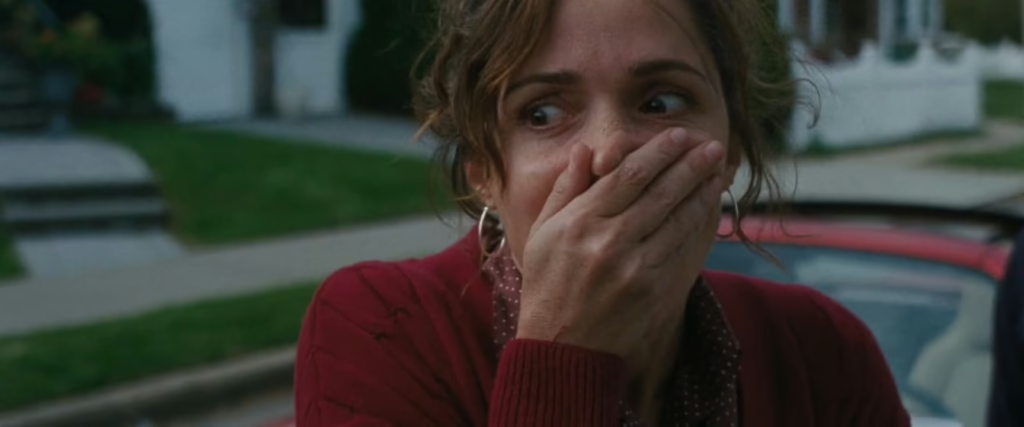
Evidently Linda’s fraught relationship with motherhood extends much further back than the birth of her daughter. The abortion she underwent as a young woman left deep scars that have never healed, as even now she contemplates whether that child would have been easier to raise. “Maybe I got rid of the wrong one,” she ashamedly wonders to her therapist, exposing a self-loathing that she can’t help project onto other parents as well. Maternal guilt must be shouldered as an unshakeable, solitary burden, and she has no patience for the hospital’s counselling group that tells mothers they are not at fault for their children’s illnesses. Even under extreme stress, it their responsibility to absorb every crisis, anticipate every need, and to assume the full weight of her child’s wellbeing – whatever the personal cost.
That Linda’s husband Charles spends long stretches away for work only intensifies her isolation through all of this, and his condescending remarks from afar offer little comfort. When he does eventually arrive back home though, it is almost frustrating how effortlessly he puts everything into perspective, fixing her problems as though they were only ever trivial matters. Swamped with countless duties and left to handle them alone, Linda’s minor setbacks become overwhelming crises, though this is clearly an experience borne solely by those whose gender roles assign them the bulk of childcare.
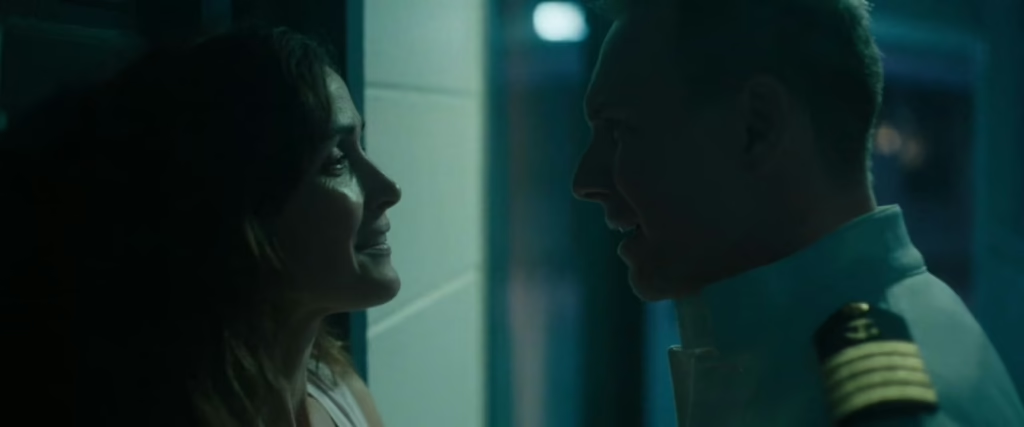
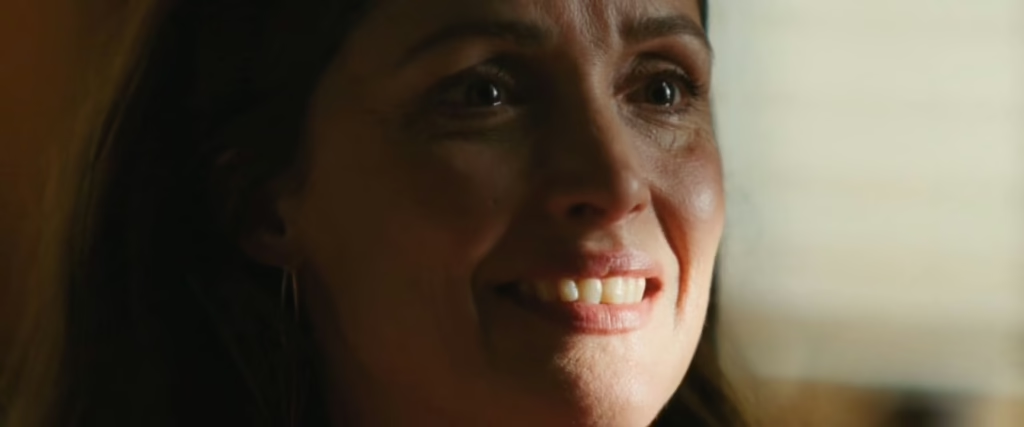
Perhaps Linda’s helplessness is most aptly captured in the final scene of If I Had Legs I’d Kick You as she frantically tries to run into the ocean, yet finds herself constantly knocked back by the waves. Even self-annihilation seems out of reach, as this cycle of ceaseless obligation simply leaves her battered and tired, unable to show up for herself or her family. There is no cathartic release from the relentless demands of motherhood to be found here, but through the smallest demonstration of love in the darkest of moments, the purpose behind all these sacrifices at last manages to cast a hopeful glow. For a brief and tender moment, the joy of raising a child outweighs the emotional toll, and every hardship Linda has ever endured finds meaning in a beaming, reassuring smile.
If I Had Legs I’d Kick You is currently available to rent and buy on Amazon Video and the Apple TV Store.