Joachim Trier | 2hr 13min

The family home that theatre actress Nora Borg grew up in is so steeped in memory, it virtually stands as an extension of herself. Clearly she sensed this as a child too, we learn from Joachim Trier’s omniscient narrator, when she took its anthropomorphised perspective in a creative writing assignment and gave voice to its imagined emotions. It’s no wonder she has forged such a strong connection with it – this Oslo home has been in her family for several generations, and as the opening montage unfolds an abridged account of its history through the twentieth century, we also learn the horrific trauma it has witnessed. From the crack running down the wall revealing its broken spirit to the iron stove that allows one to eavesdrop on other rooms, Nora knows the space intimately, tracing its scars like her own.
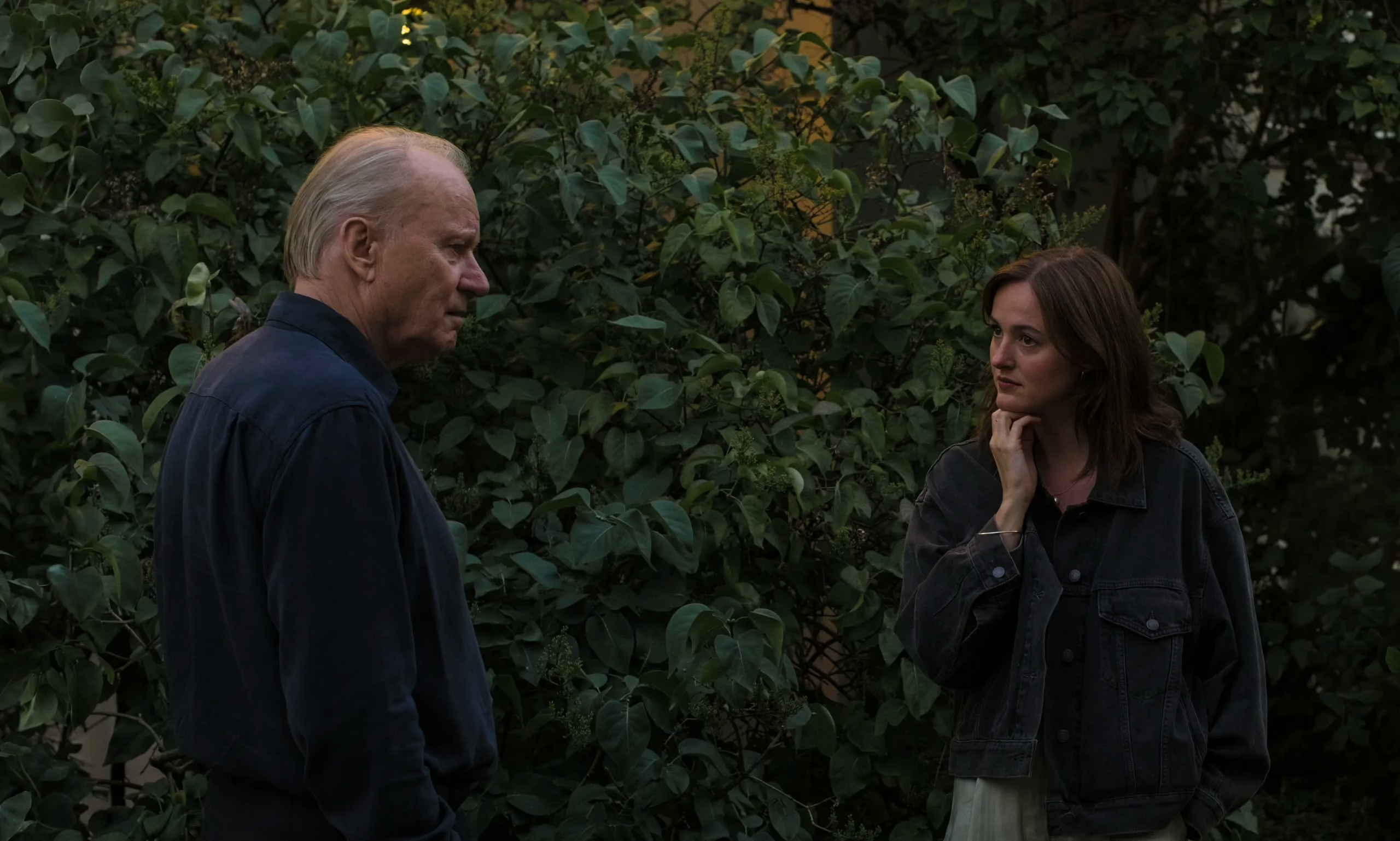
When she hears her estranged father Gustav’s voice echoing through that stove during her mother Sissel’s wake though, Sentimental Value begins to give this house a new purpose. It has been many years since he left his young family to pursue a filmmaking career, and now as he comes home with a script he claims is written specifically for Nora and to be shot on location, it offers a stage for emotional reckoning. Her scepticism is justified – she has lived for years nursing the unresolved anger and anxiety he left behind, and he has previously shown little interest in making amends. Still, the power of healing through artistic collaboration and communal storytelling is not to be underestimated in this family drama, as long it maintains a sincerity which draws raw truth from the illusions of fiction.
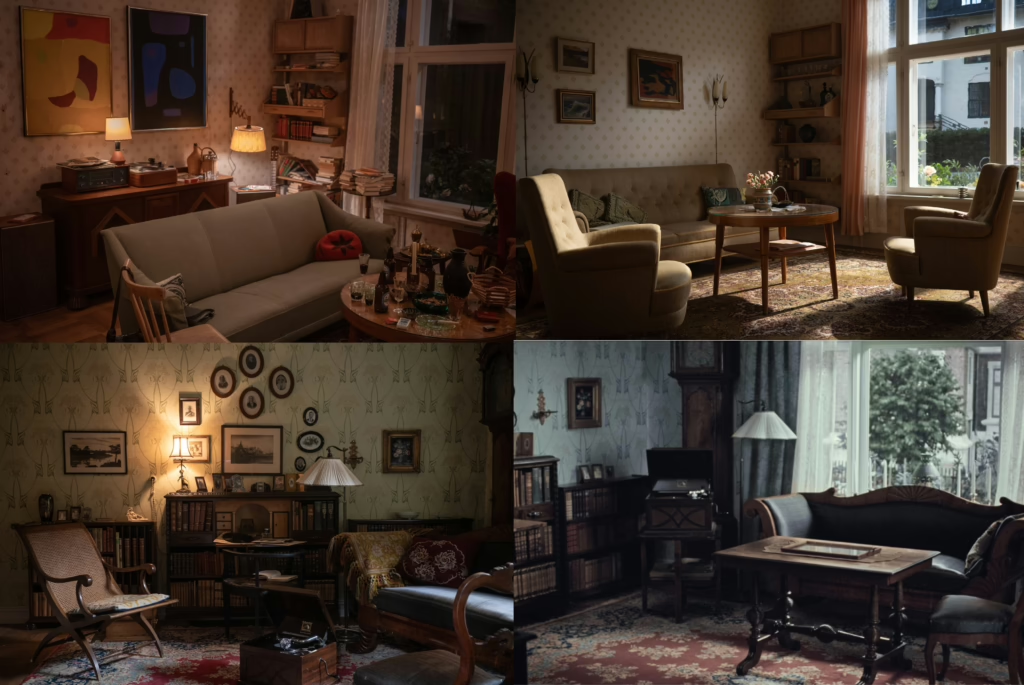
As always, Trier’s direction is at its strongest when attuned to the lived-in rhythms of a location, here lavishing attention on the Borg house’s red-and-black wood panelling, its stoic Scandinavian architecture, and the mismatched décor accumulated across generations. These sequences effectively collapse the boundary between setting and character in Sentimental Value, inscribing the house with memories of Germany’s occupation of Norway, and the resulting wounds that led Gustav’s mother to take her life within its walls. Although Nora uncomfortably shrugs off her father’s suggestions that they are not so different, Trier sensitively frames both as victims of generational trauma, peeling back their more abrasive personality traits to expose the vulnerability beneath.
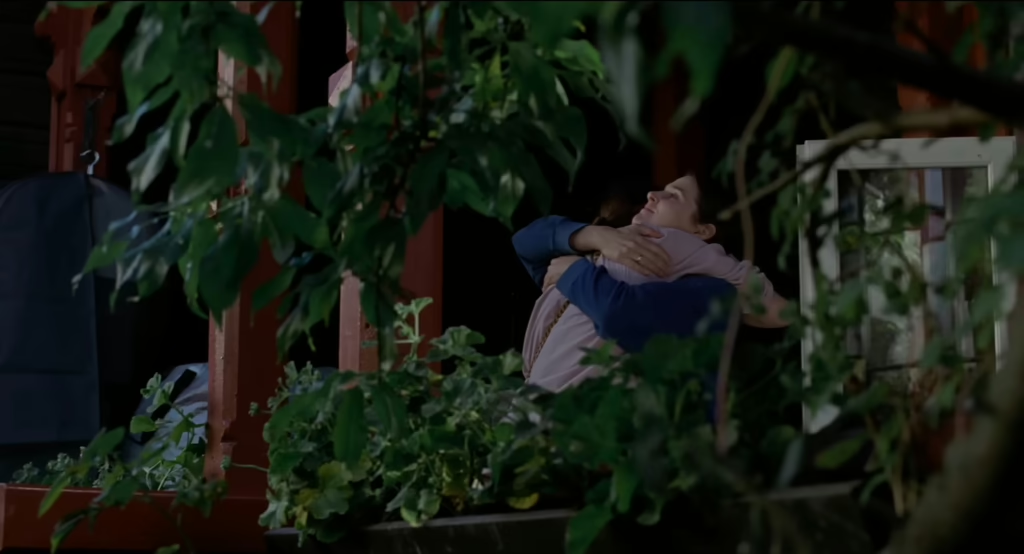
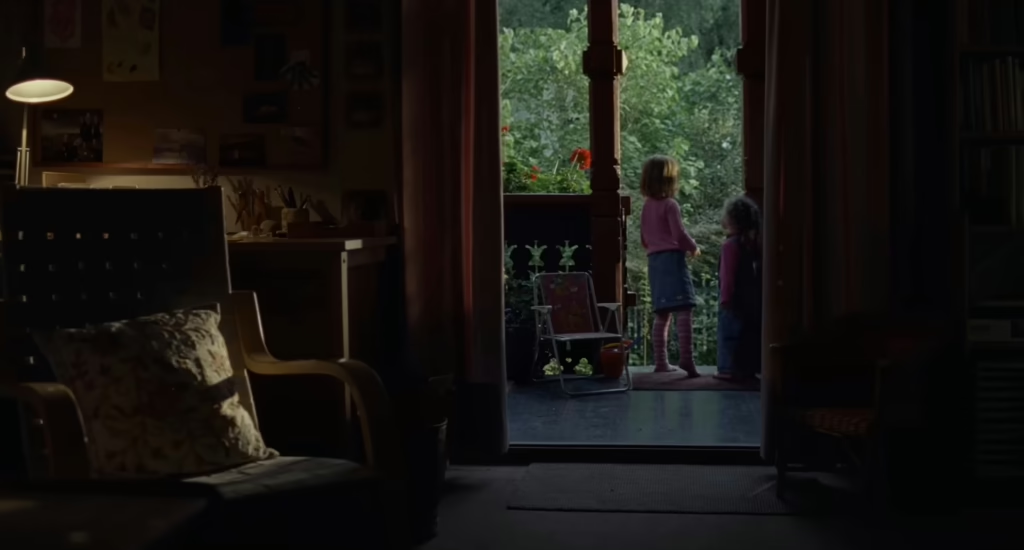
Twice are we given glimpses of Gustav’s own films, each time playing out a deftly orchestrated long take, though it is somewhat ironic that these may be the two single most accomplished shots of Sentimental Value. Rather than chasing visual bravura, Trier largely leans on his sensitive writing and cast of talented actors to unravel his family tensions, foregrounding Renate Reinsve as an actress entangled in an affair with her co-star and who can barely make it onstage each night without a panic attack. Inga Ibsdotter Lilleaas offers a more stable presence as younger sister Agnes, who has escaped the entertainment industry to pursue an academic career – though as she so poignantly confesses, she is only so well-adjusted thanks to Nora’s sacrifices. Any film that features Stellan Skarsgård’s imposing gravitas and dark humour is automatically elevated as well, here surfacing in the ‘thoughtful’ gift of two notoriously transgressive films to his grandson Erik, though it is the casting of Elle Fanning which most fascinatingly underscores this family’s impenetrable dynamics.
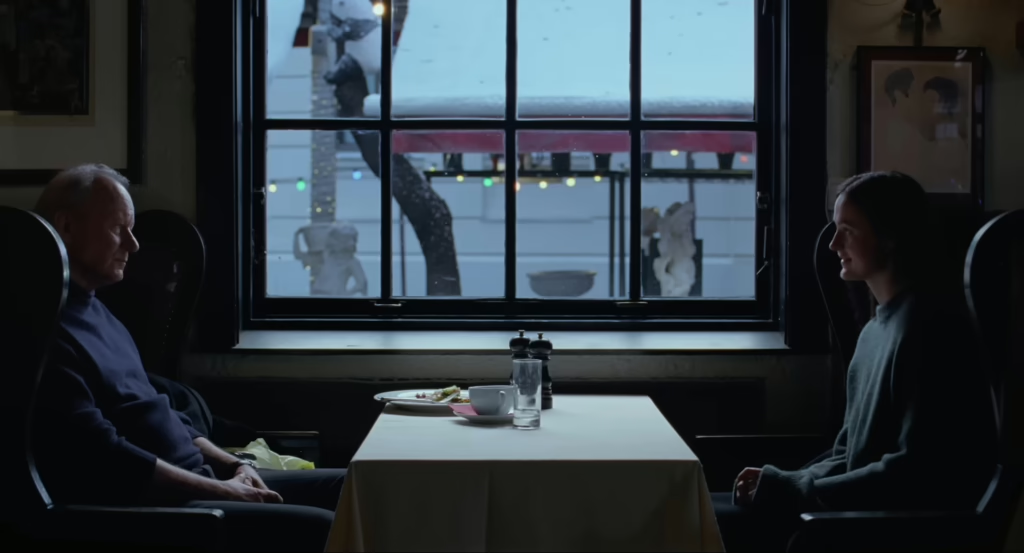
As American actress Rachel Kemp, Fanning takes over the role that Gustav had intended his daughter to play, aiming to comprehend the fractured psychology of his vision. Despite his denial, this script is clearly about his mother, refracting her tragedy through artifice and memory. Rachel is not some Hollywood caricature seeking to dilute his art, yet she nevertheless recognises the artistic compromises he must make to shape this story of Norwegian history around her foreignness. Vertigo’s obsessive, psychological blending of identities emerges as he asks her to dye her hair brown and draw a closer likeness to Nora, turning a professional collaboration into a conduit for unresolved longing, and ultimately exposing the emotional void that his daughter refuses to fill.


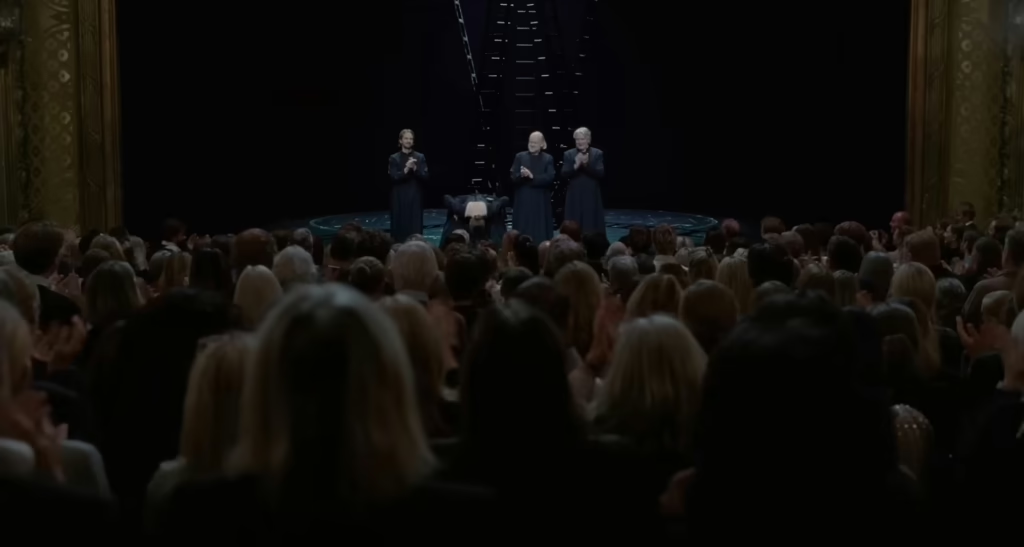
It is understandable why Nora is so perturbed to see her father treat Rachel with more empathy than his own daughters, though beneath the resentment, she too possesses that ache for intimacy. Just as Gustav strives to reflect life in his art, Trier often blends the two in Nora’s acting, leading us to believe the authenticity of a scene before pulling his camera back to reveal a stage. Their creative compulsions are profoundly aligned, and when the time comes for us to hear Gustav’s script read aloud, it is evident just deeply he grasps his daughter’s private anguish – perhaps without even realising it.
Although there is a terrible sadness in the final house montage of Sentimental Value, erasing its textures and scars, the clean slate it provides also suggests a future unburdened by the weight of its history. Instead of letting these emotions stagnate in private, art may serve as a living archive for this dislocated family, delicately translating grief into creation. Catharsis does not arrive with easy promises of reconciliation, yet Trier finds hope in the tender, redemptive ambiguity of storytelling, graciously allowing memory to endure without hardening into contempt.
Sentimental Value is currently playing in cinemas.