
Clint Eastwood | 2hr 17min

When Jimmy, Sean, and Dave were approached by a pair of child predators some decades ago, each of their fates hung in a precarious balance. All of them were equally deceived by the men’s lies, and any could have been coerced into the car, only to be locked in a cellar and abused. In the end, it was the most arbitrary detail that decided who would be the one to suffer – Dave’s house was the furthest away, thus making him the easiest target.
Although Dave escaped his kidnappers after a few days, he hasn’t quite shed the emotional trauma, while the years since have seen Jimmy turn his criminal life around and Sean become a police detective. When sheer misfortune rears its ugly head again one night and leaves Jimmy’s daughter Katie dead in the park, it seems to be just another senseless blow from a world that never cared, but Clint Eastwood is not quite done drawing these childhood friends back together over old agonies and fresh suspicions.

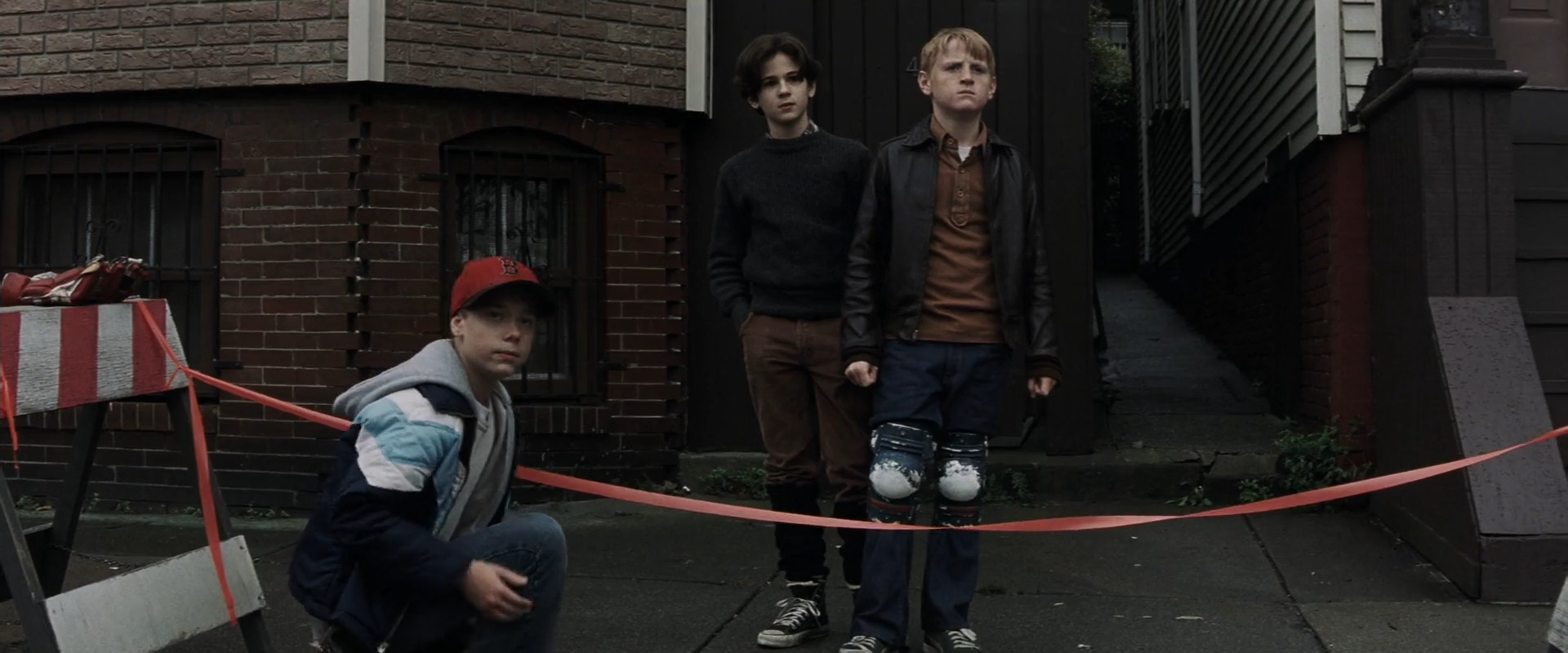
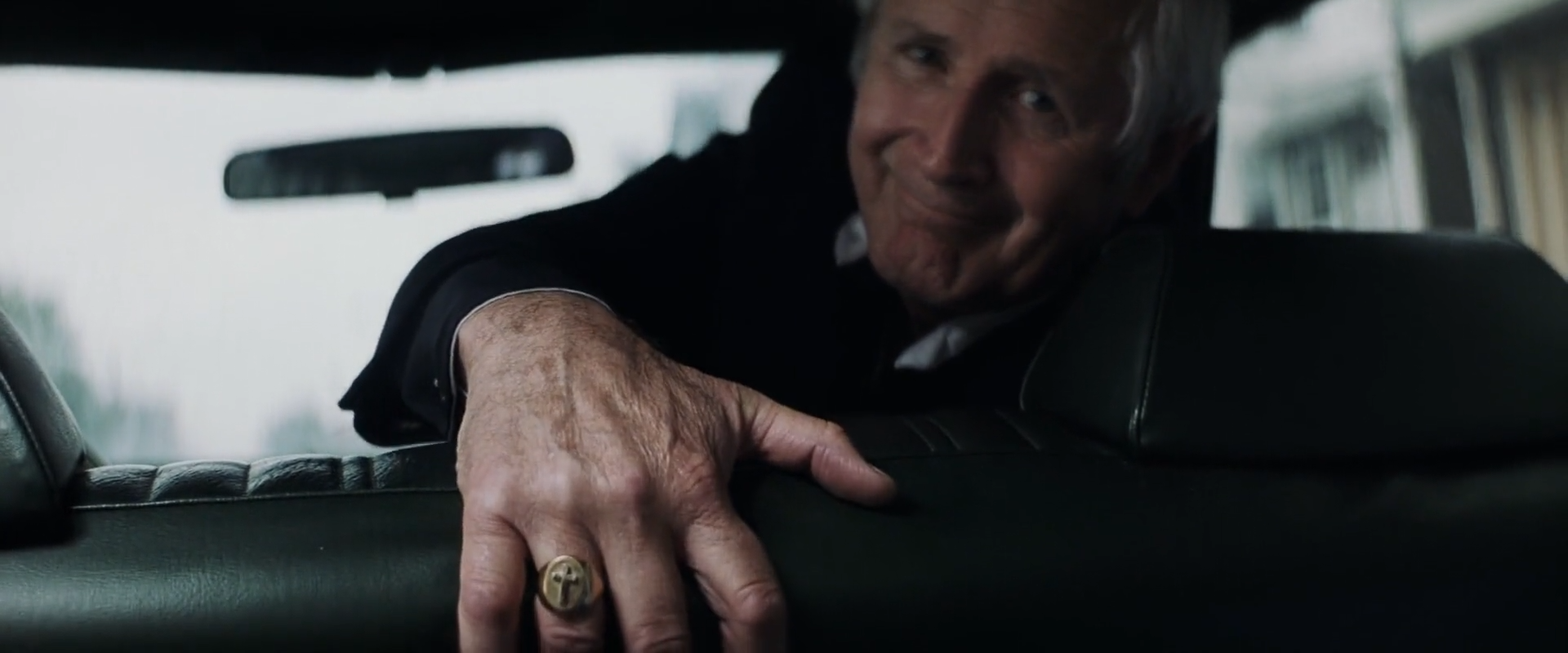
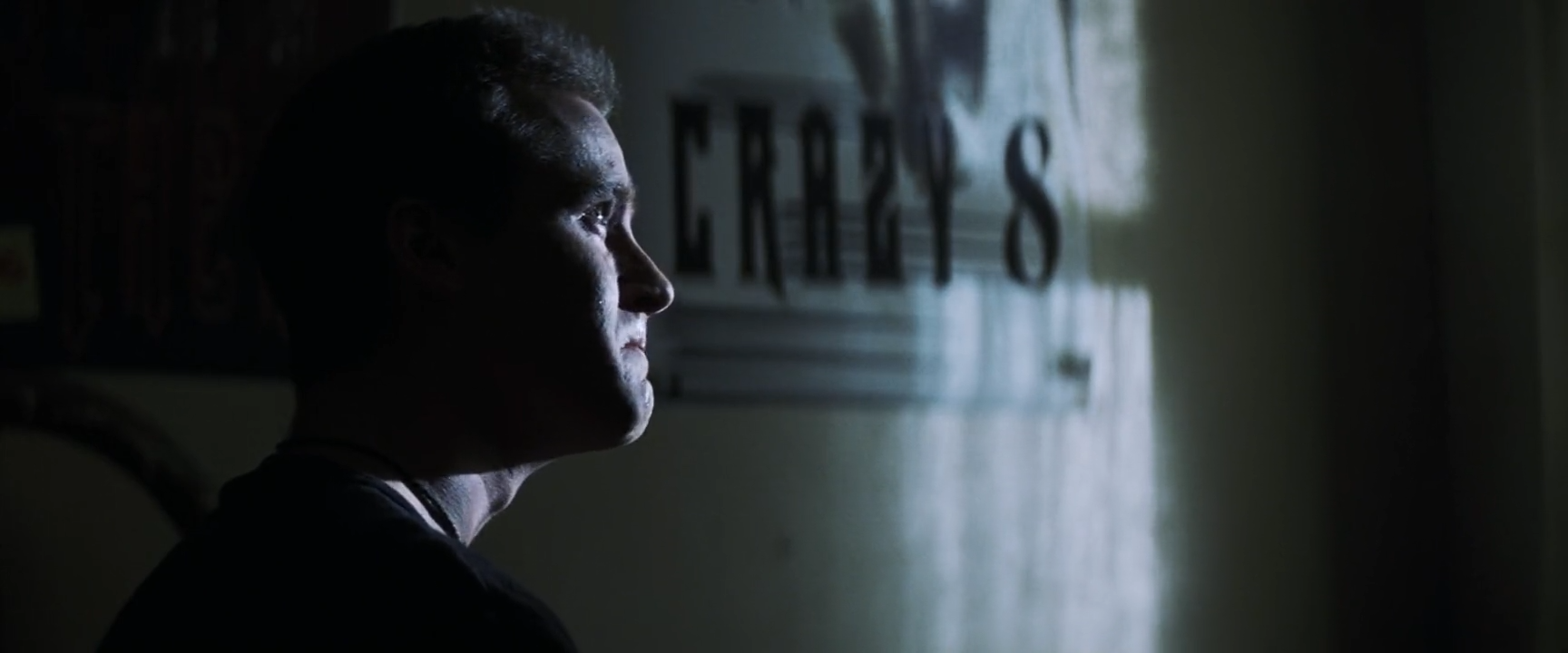
The Boston neighbourhood where Mystic River’s neo-noir drama unfolds is close-knit, building its tension on the layers of guilt and innocence that bind each resident together. The colours are desaturated, and the contrast amplified, encasing characters in a moody darkness that seeps out from their troubled souls. With the shift away from action-driven narratives and towards introspective, psychological realism, this is evidently the beginning of a new phase in Eastwood’s directing career, casting shadows across tormented faces and laying heavily into ominous foreshadowing.
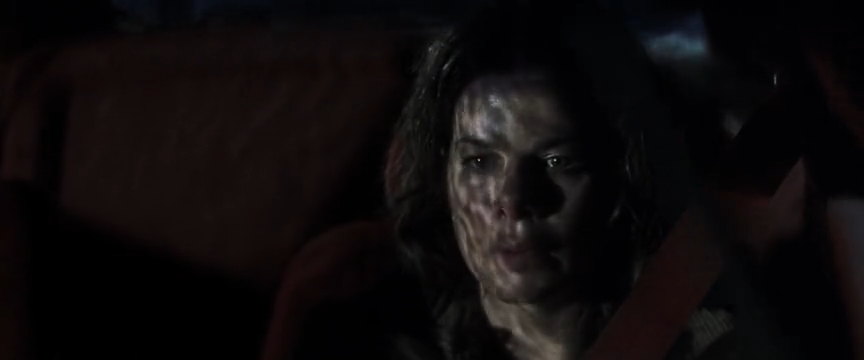
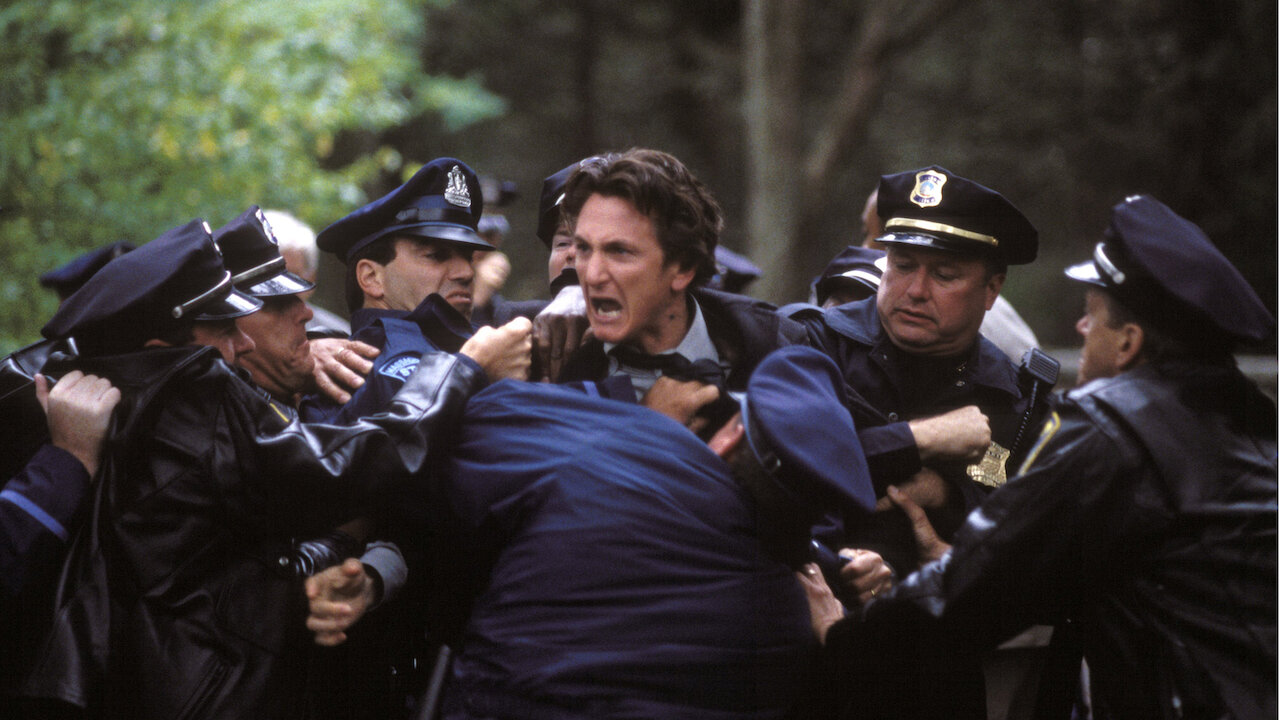
Intercutting is specifically his tool of choice here to weave parallel story threads together, initially establishing the police’s investigation into an abandoned car, and then alternating it with Jimmy’s mounting uncertainty around his daughter’s whereabouts. The dramatic irony reaches a breaking point as the two dramatic strands converge, erupting into unrelenting grief as Jimmy desperately claws his way through a crowd of police officers, and surging to a climax with a sweeping crane shot. In this moment, his warmth and strength dissipate, reducing him to a single, guttural question that rages against the dawning horror.
“Is that my daughter in there?”
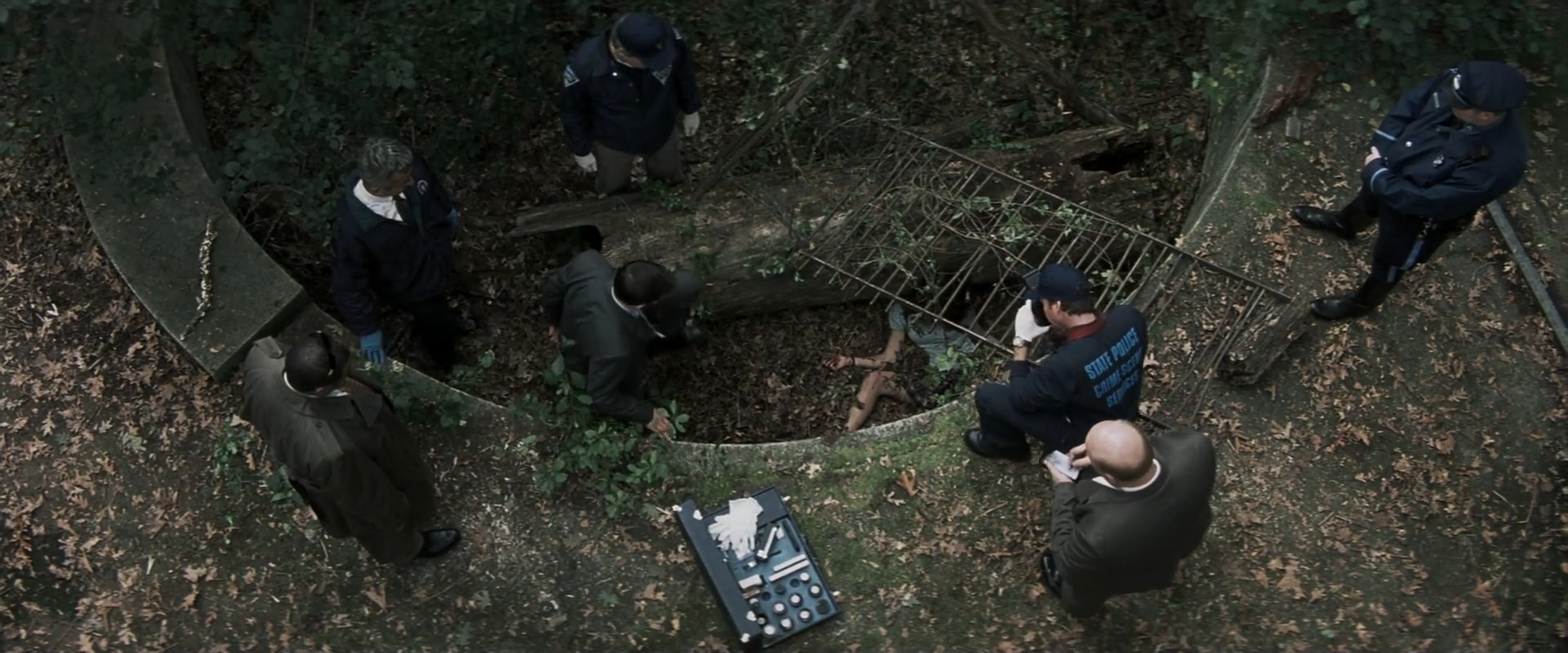
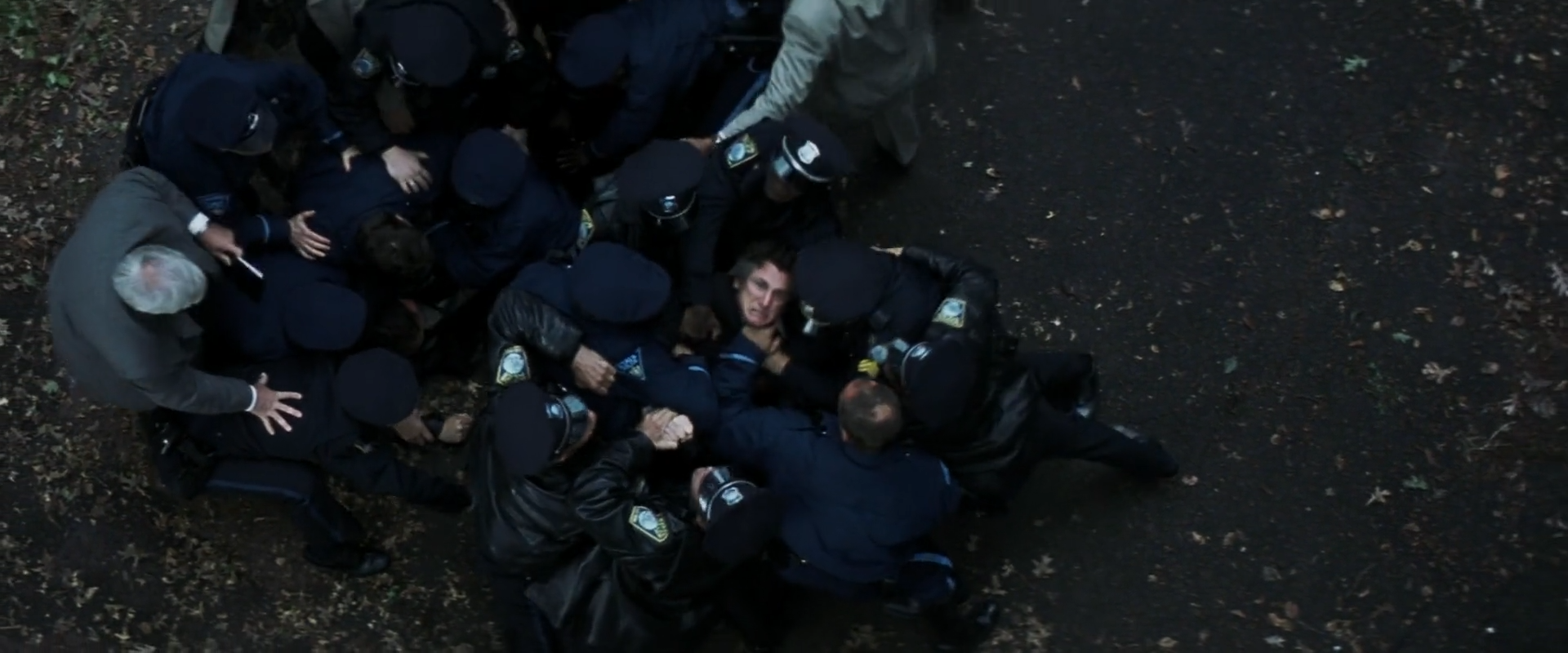
Jimmy’s reckoning here may very well be the zenith of Sean Penn’s career, unleashing heartache in its rawest form, though the days spent bitterly mulling over Katie’s escaped killer in the aftermath also expose shades of moral ambiguity. This is a man who sunk to rock bottom during his time in prison, and Sean’s partner Detective Sergeant Whitey gives a perfect assessment of the resulting tension that has settled around his shoulders. It doesn’t come from the despair of losing his daughter, Whitey is sure to clarify – that weight sits in his stomach, knotting itself tight and reawakening old, dangerous instincts.
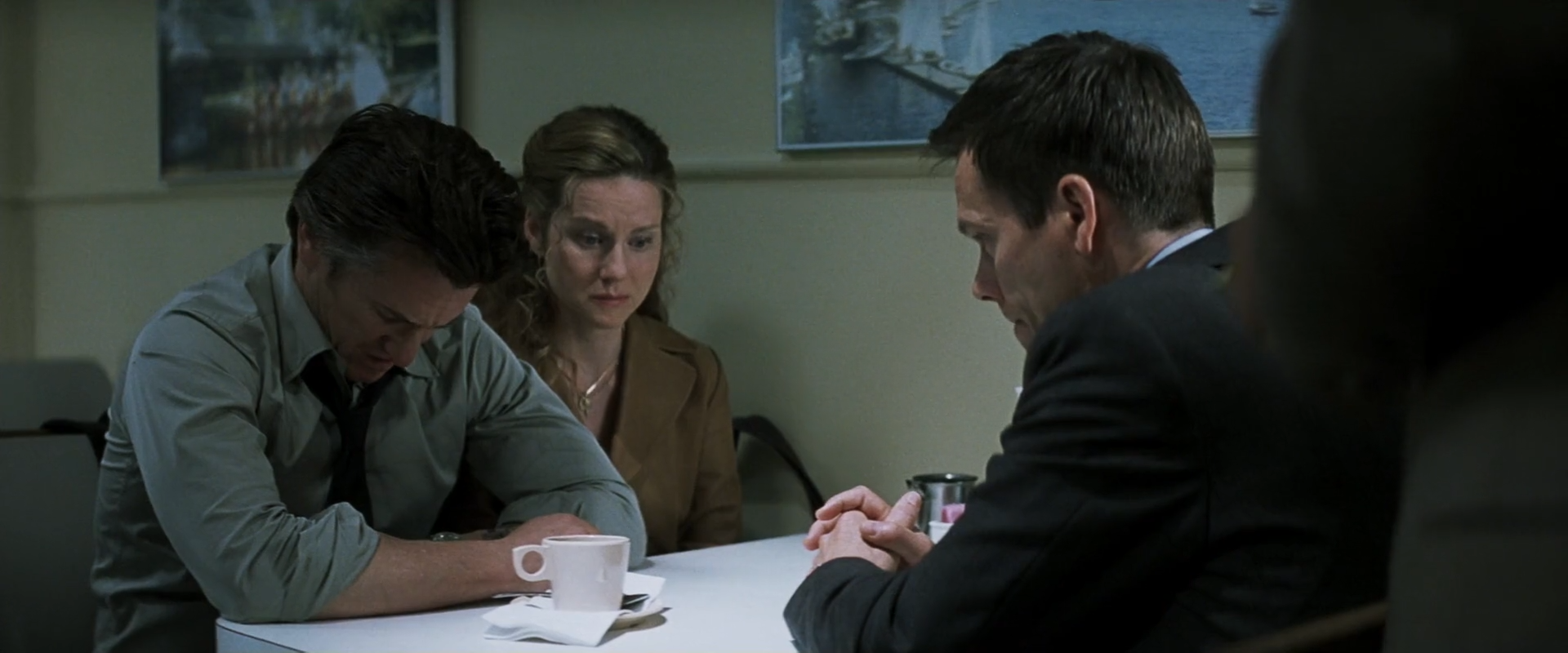
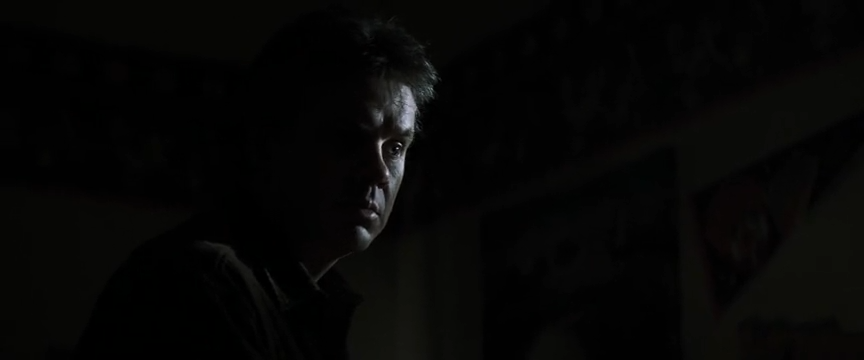
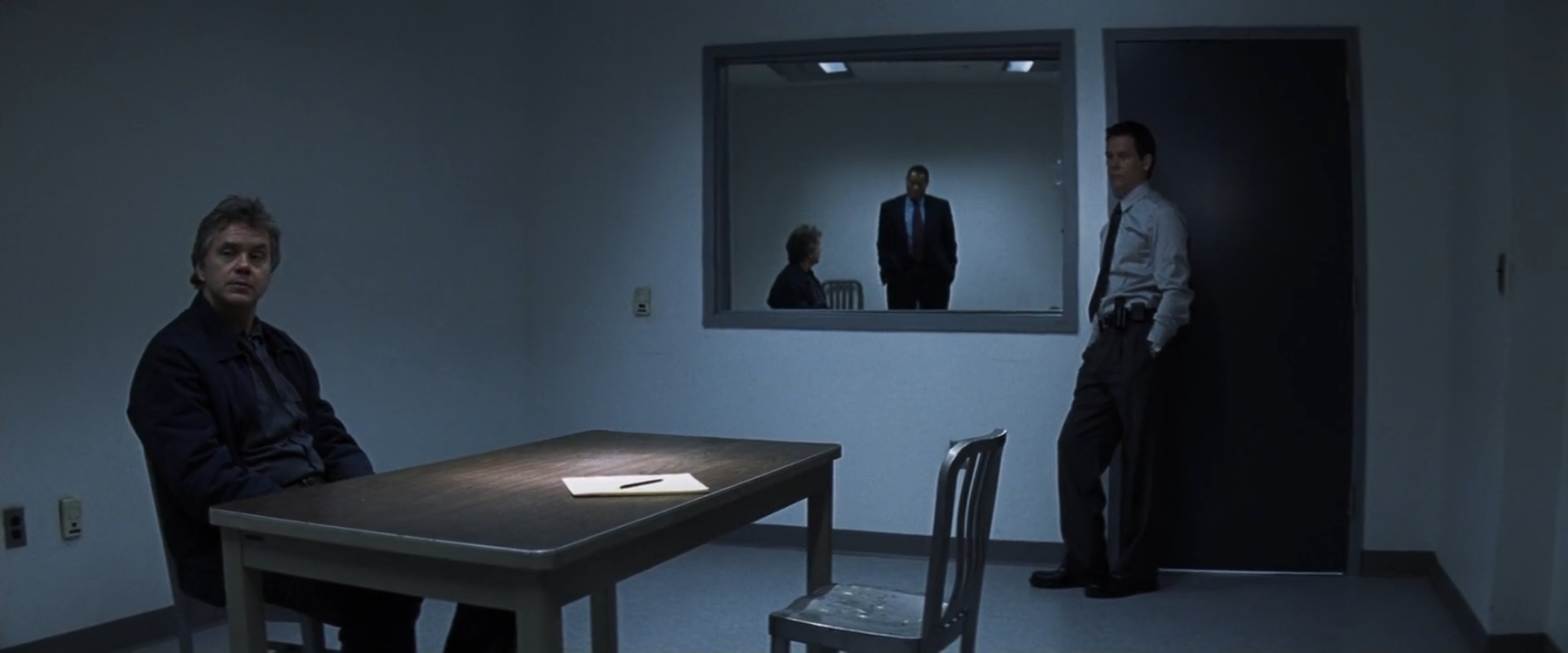
If Jimmy is a man broken by sudden, psychological pain, then Dave has carried it since childhood, leaving a void in the place of a self he never truly knew. This is easily Tim Robbins’ finest hour, anxiously slouching beneath virtually every other character, and cloaking himself in guilt and confusion when he comes home the night of Katie’s murder covered in blood. He killed a mugger in self-defence, he claims, though the fact he witnessed her at a local bar earlier that evening does not exactly help his case – and neither does his ever-changing story. Whatever happened evidently unravelled deeper traumas than he ever knew existed, now spilling out in a storm of tears and laughter as he recalls how he only survived his abuse by completely dissociating.
“Dave’s dead. I don’t know who came out of that cellar, but it sure as shit wasn’t Dave.”
As the third part of the trio, Kevin Bacon has far less to do dramatically than either Penn or Robbins, rather serving a more practical function as the police officer trying to balance the investigation against his own personal ties. Through him, Eastwood teases out another subplot in this narrative’s sprawling tapestry, revealing that Katie was in fact planning to elope with her boyfriend Brendan. He appears to be a respectable teenage boy, yet his family also carries baggage in this community, burdened by the legacy of a father who robbed a liquor store some years ago and fled.
With so many moving parts in play, Eastwood sets Mystic River’s stage carefully, tracing the paths that gradually bring these childhood friends into conflict. While Sean uncovers inconsistencies in the initial 911 call, Dave ties up his alibi in contradictions, and Jimmy’s growing suspicion draws him back into the orbit of old criminal associates, the Savage Brothers. Refusing to trust the authorities, the ex-gangster puts his faith in vigilante justice, and finally submits to the blind, vengeful conviction that Dave is the one who killed his daughter.
As their roads intersect at a pivotal finale, Jimmy’s earlier contemplations of fate and misfortune continue to resonate. “If I’d gotten into that car that day, my life would have been a different thing,” he ponders, considering the butterfly effect which would have kept Katie from being born and eventually murdered. Would he now be in Dave’s shoes, accused of a crime based solely on circumstantial evidence and the assumption of mental instability? Where would have Dave gone in life, unhindered by trauma? Was there ever even a possibility of this happening, or were these characters condemned from the start, caught in cycles of pain and retribution that offer no real escape?
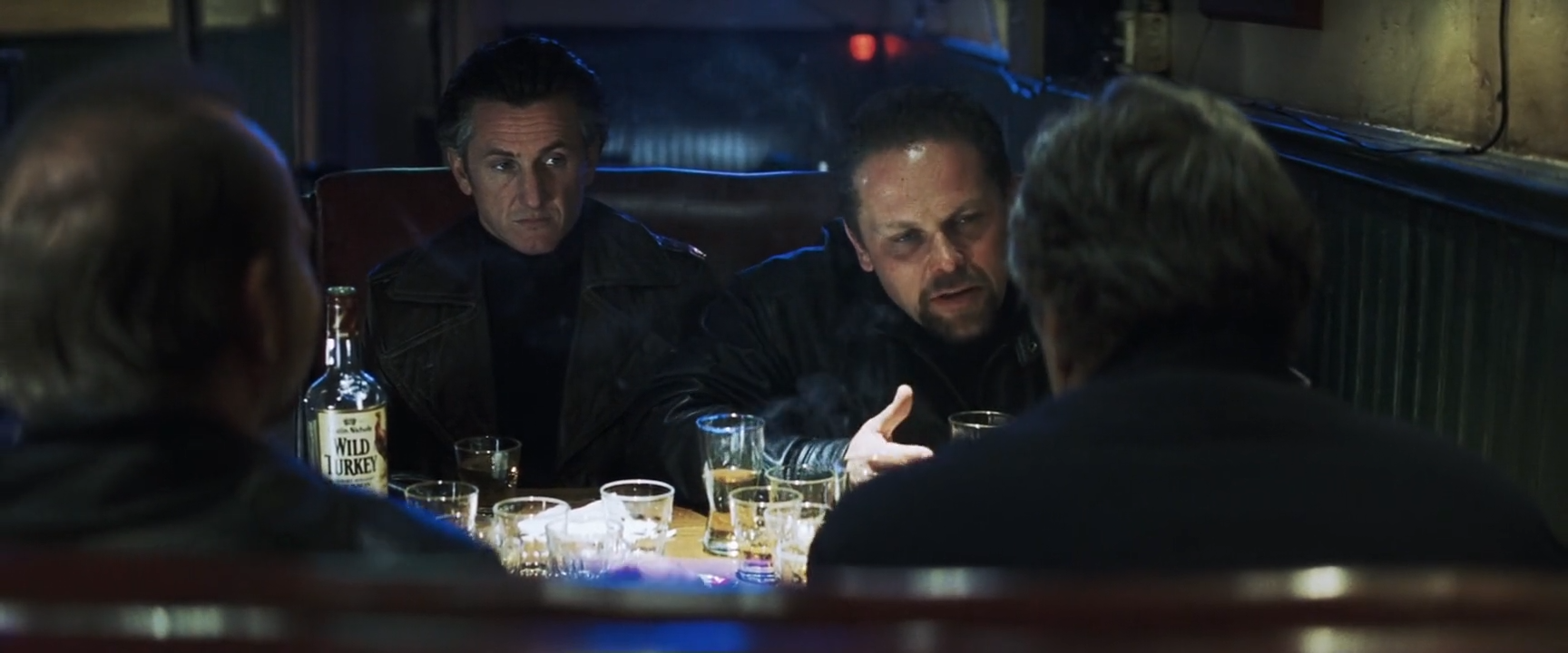
Given the string of coincidences which have drawn them together again, their entangled, melancholy reunion seems almost preordained. Along one narrative thread, we find Jimmy and the Savage brothers confront Dave at a bar, preparing to avenge Katie’s death. Along another, Sean and his squad close in on the real killer, though not before Brendan comes to the devastating realisation that the culpability that lies with his brother, Silent Ray. Between both, Eastwood’s parallel editing patiently contrasts these two acts of retaliation – one righteous, the other tragically misguided, and each exacted for the same crime.
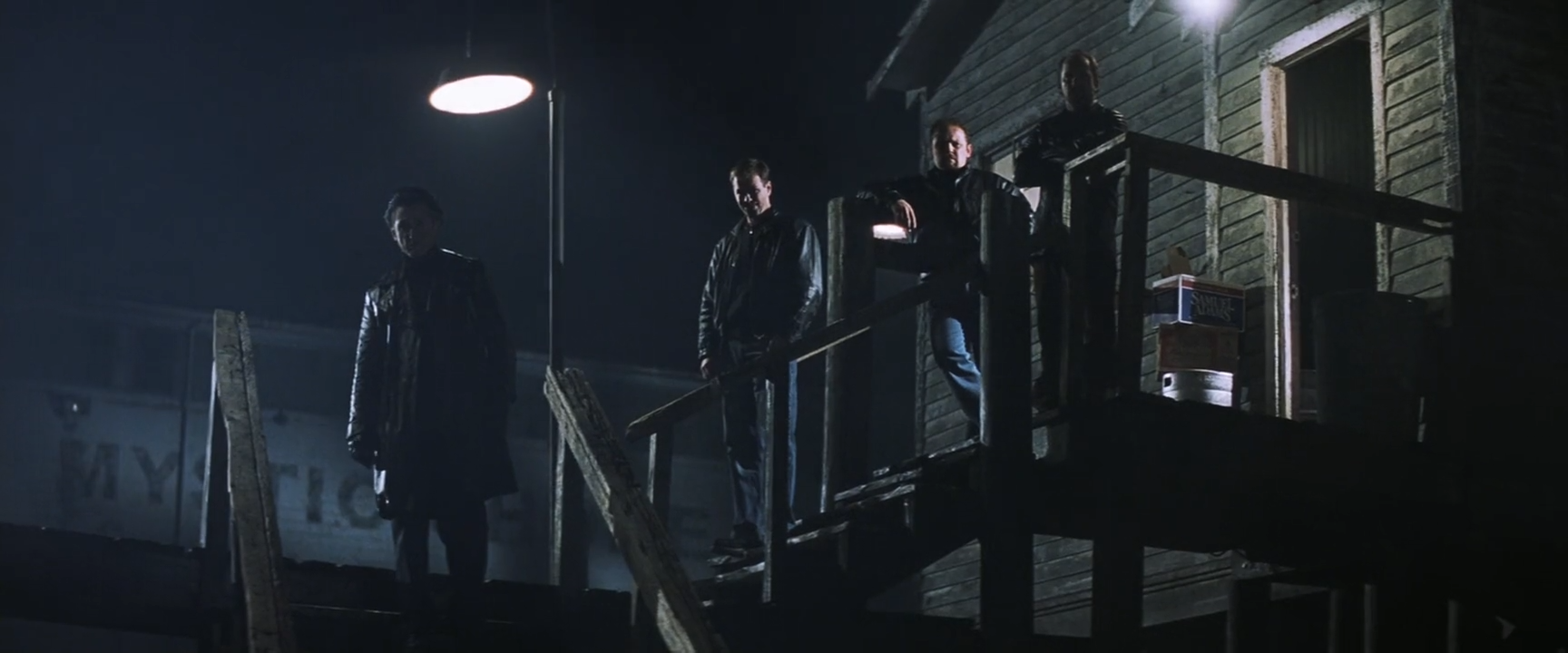
A light mist hangs in the cool evening air outside the bar where Jimmy and his goons hold the accused at gunpoint, shrouding them in a hazy darkness, yet Dave’s mind is perhaps the clearest it’s been so far. It was not a mugger he killed that night, he recalls – it was a child molester, incidentally surfacing long-buried memories and provoking instinctive, retributive justice. Meanwhile, a physical fight is erupting between Brendan, Silent Ray, and his equally guilty friend John, whose attempt to frighten Katie with a gun that fateful night ended in disaster. Sean fortunately arrives just in time to subdue the chaos, but so too does Jimmy succeed in his own embittered mission at the same time, his gunshot to Dave’s head colliding with a sudden swell of strings.

“If only you’d been a little faster,” Jimmy laments to Sean the next morning, learning the truth far too late. As they stand on the street where the kidnapping took place all those years ago, Eastwood seamlessly integrates their memory into the present, and Sean offers his own take on where they might be had things gone differently. “Sometimes I think, I think all three of us got in that car. And all of this is just a dream, you know?” he speculates.
“In reality, we’re still eleven-year-old boys locked in a cellar, imagining what our lives would’ve been like if we’d escaped.”
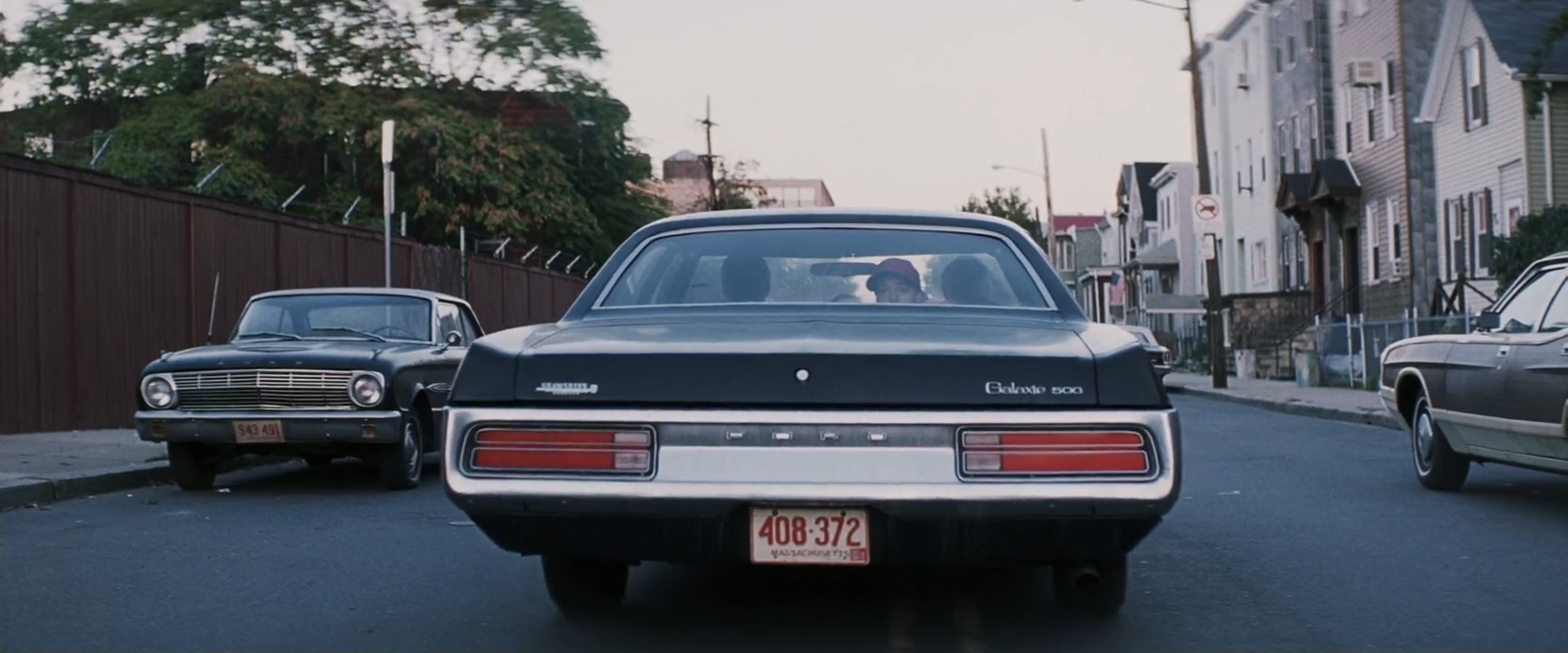

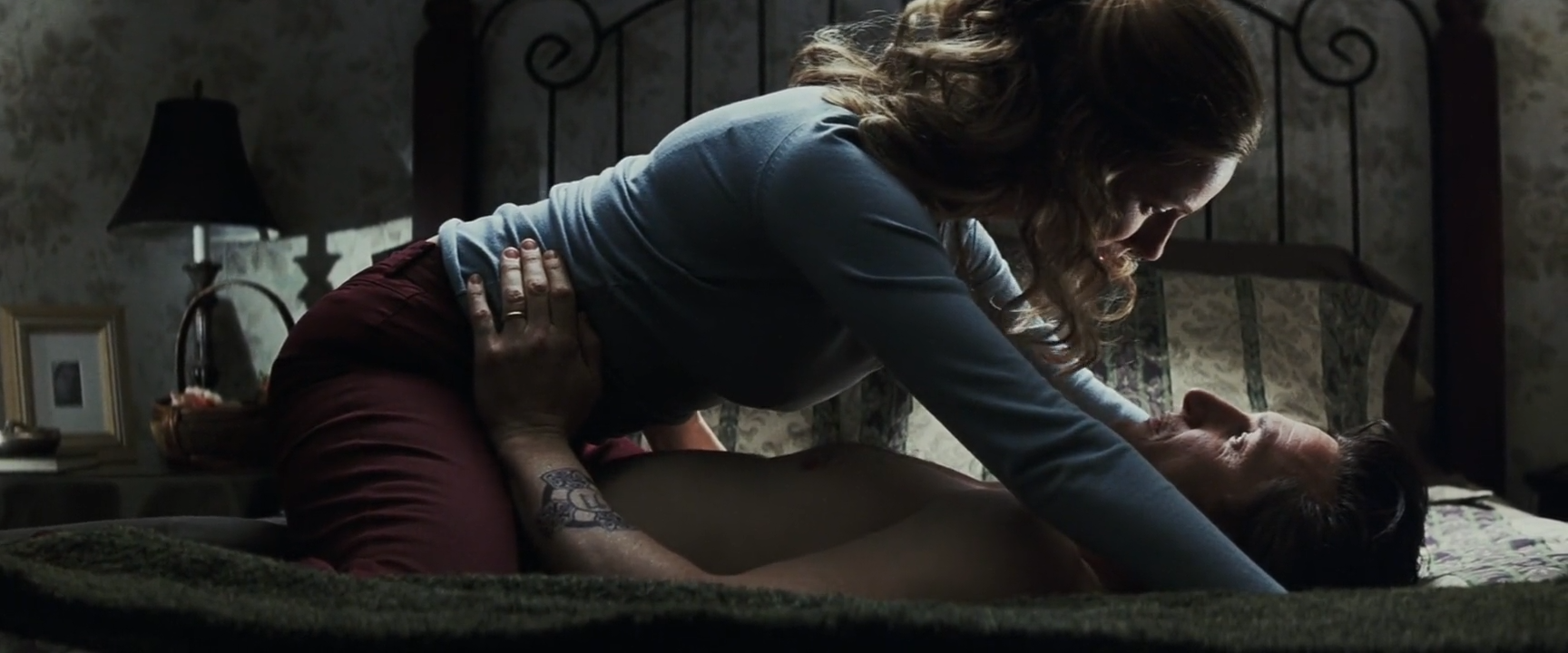
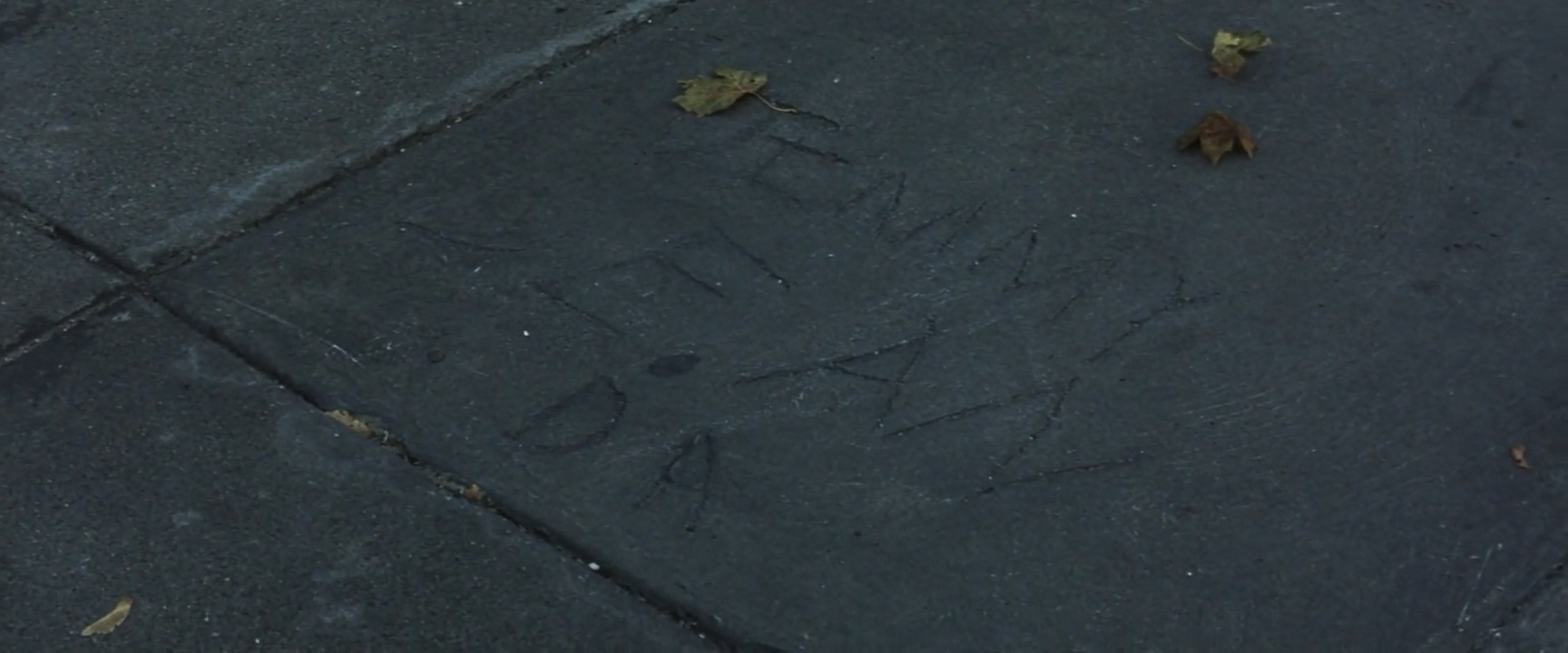
As powerfully chilling as Laura Linney’s seduction of Jimmy may be, assuaging his guilt with reassurances that he is a “king” who protects his family at whatever cost, this is not Mystic River’s real ending. Neither does it conclude with the parade marching down the main street, underscoring Jimmy and Sean’s silent gestures acknowledging that the law is not yet finished with the rekindled gangster. Eastwood instead ends with a poignantly quiet shot of the sidewalk where Jimmy, Sean, and Dave’s younger selves are immortalised, their names carved into concrete. It is there where the last vestiges of their innocence died, and where they continue to live today, tracing the invisible threads which led them down separate yet entangled paths.
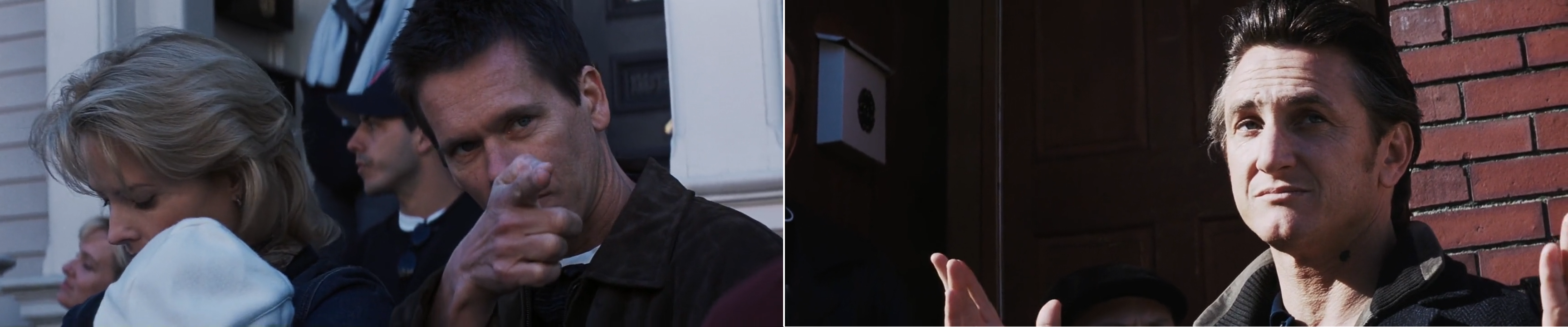
Of course, Dave’s is the only name unfinished, interrupted long ago by the arrival of his soon-to-be abductors. Incomplete in concrete, and incomplete in spirit, this was a child who never fully returned from the cellar where his future was stolen. At its wounded heart, Dave’s tragedy may represent the immoveable, calcified weight of trauma, yet Mystic River marks all three friends with the deep scars of ravaged childhoods, shattered before they truly began.
Mystic River is currently streaming on Stan, and is available to rent or buy on YouTube.
I love this film, yeah there are several “endings” that are not actually the ending. I think the best ending would have been Jimmy (Sean Penn) walking down the street after Sean (Kevin Bacon) tells him they solved the case while a devastated Jimmy realizes that he just killed an innocent man after getting a false confession. Jimmy walks down the street drinking Jack Daniels straight from the bottle. The film should have ended with a shot of Jimmy walking down the street followed by a pan over the sidewalk with the names
Not a bad edit there, as long as we still get the pavement as the final shot. So perfectly haunting.