
Satyajit Ray | 1hr 35min

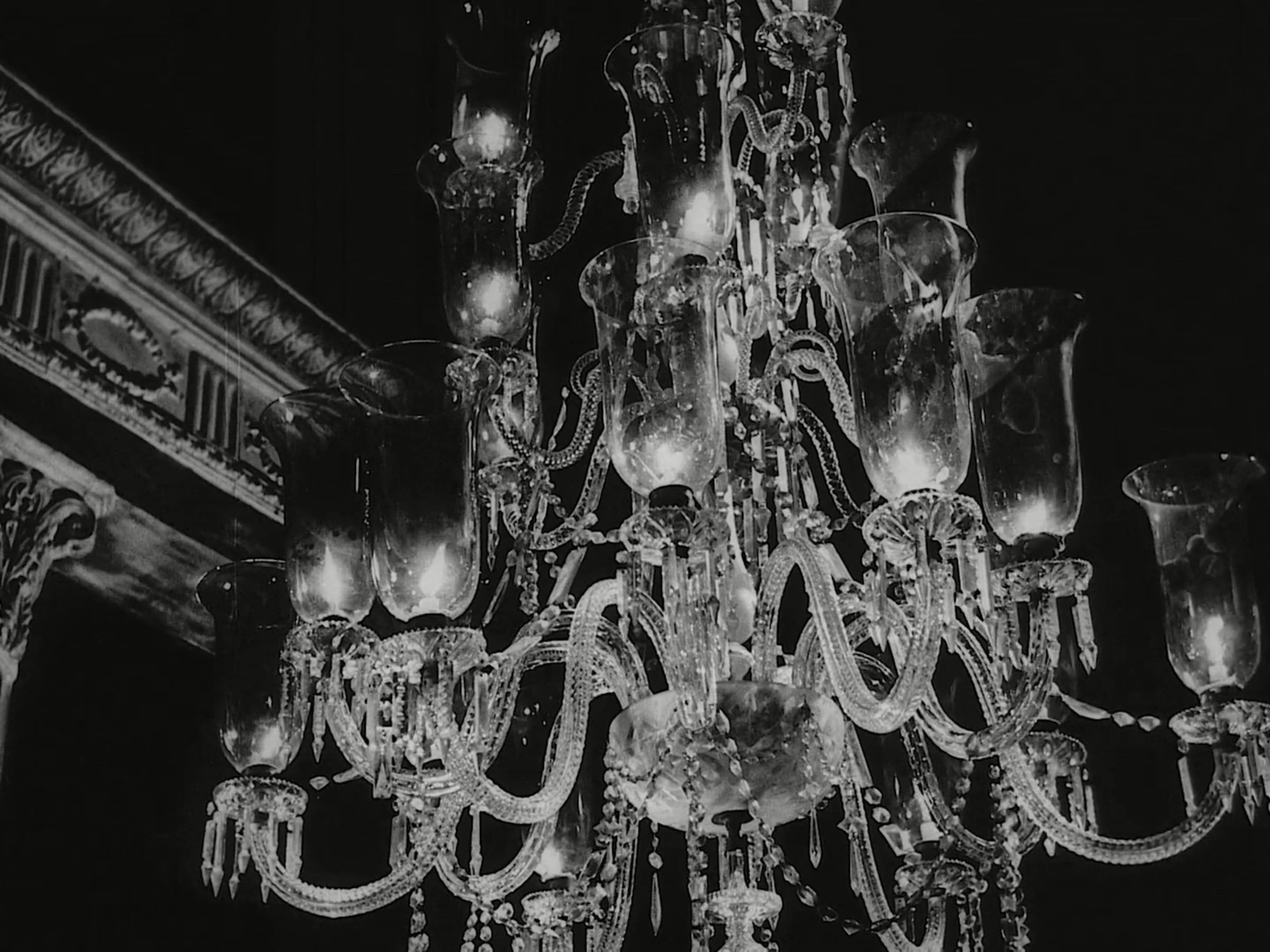
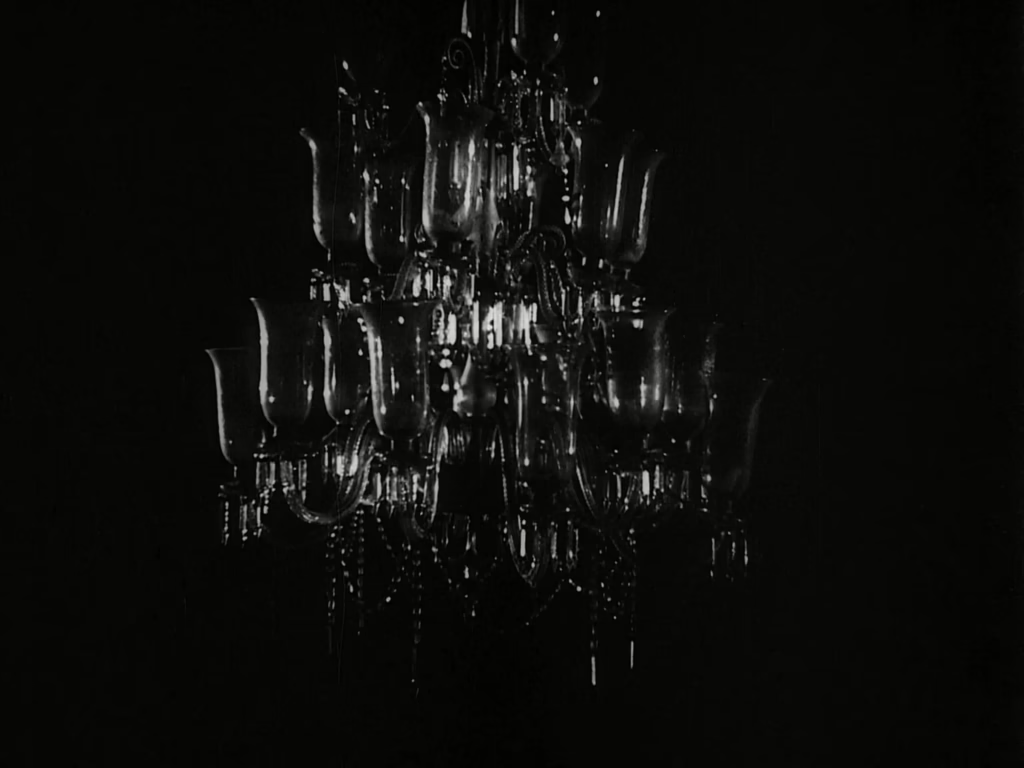
In the centre of Biswambhar Roy’s music room, there hangs a majestic, antiquated relic of the aristocracy to which his family heritage belongs. Suspended in the darkness of the opening credits, that dazzling chandelier glows and sways, composing a haunting image that Satyajit Ray later recaptures in his closing shot. Next to the electric churning of the generator that powers the house next door, its crystal sconces and flickering candles appear especially fragile, glimmering like the last vestiges of a dying legacy. As such, this chandelier not only becomes synonymous with the prideful landlord’s grandeur. It wholly embodies the slow decay of a world hollowed out by a progressive, modern society.
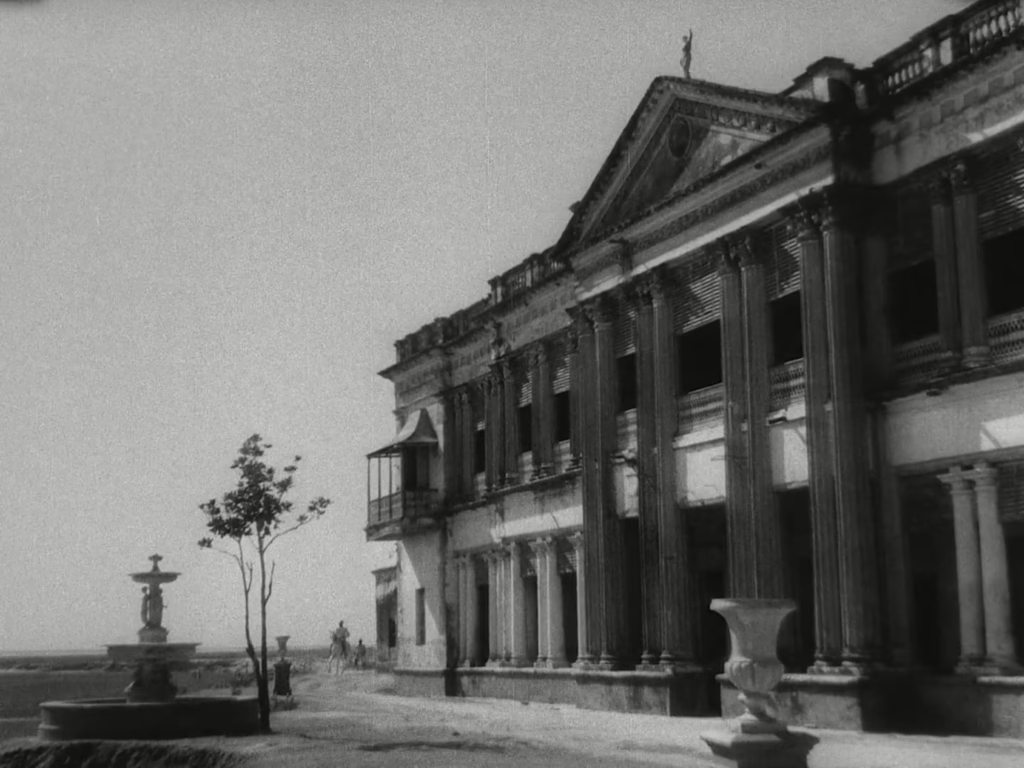
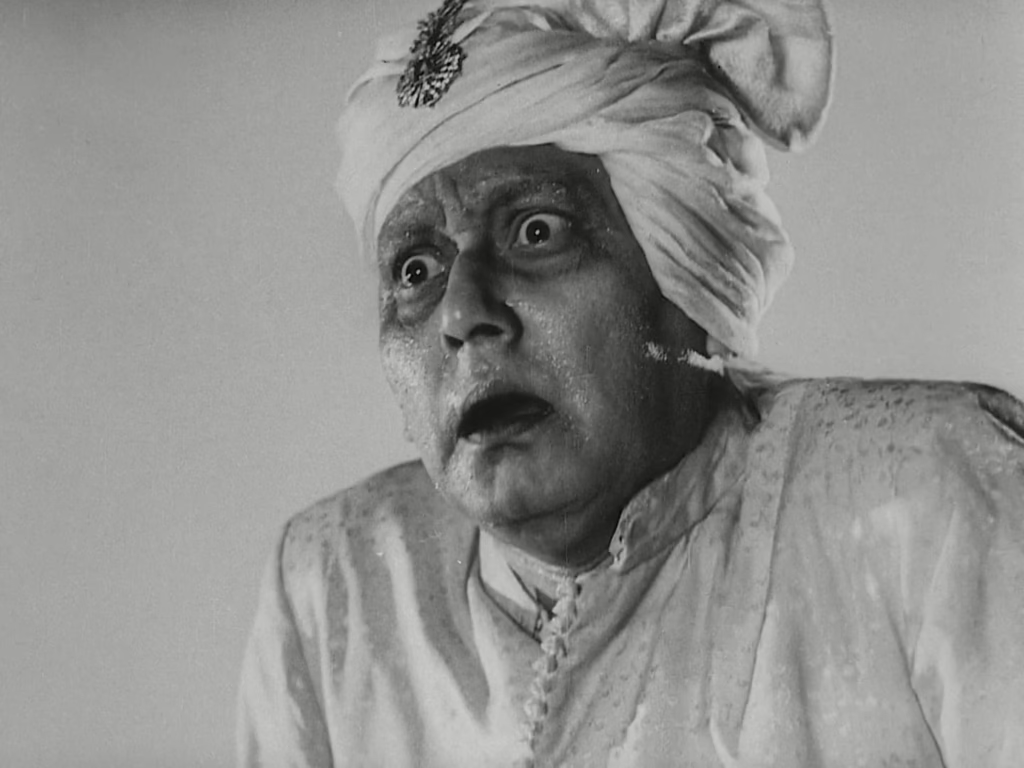
Although The Music Room marked a notable shift from the rural austerity of the Apu trilogy, Ray’s restrained naturalism firmly remains, countering the spectacle of Bollywood with a far more critical vision of India’s entrenched class divisions. Biswambhar’s hubris stems from the belief that his “noble blood” is intrinsically superior to the blood of those like his neighbour Mahim who earned their wealth rather than inheriting it, and Ray spares no expense in dismantling this lofty ego. Where his contemporary Guru Dutt uses stylish camera movements to sweep us away in musical spectacle, The Music Room’s tracking shots are entirely confined within this historic palace, sitting by a broad river amid a vast, dusty plain. Here, crane shots descend past that extraordinary chandelier and surrounding columns toward the floor, and elsewhere dollying in on actor Chhabi Biswas’ proud, jealous, and mournful expressions as he lounges around, soaking in the stuffy decadence.
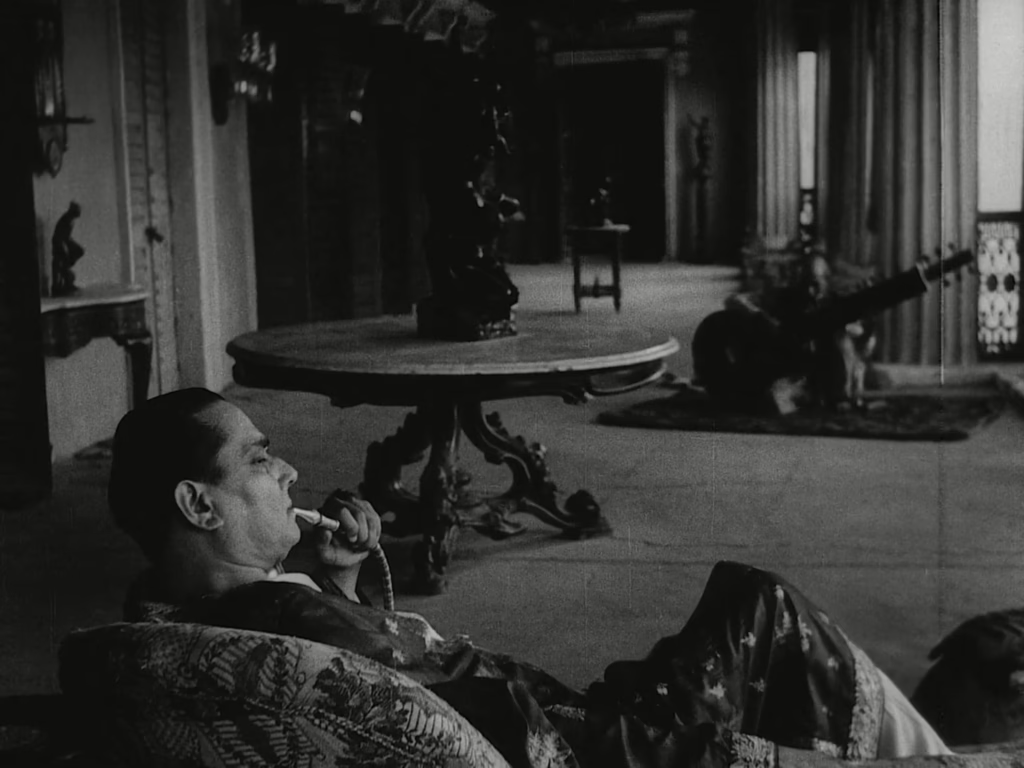
With the critical acclaim of Pather Panchali granting Ray the resources to capture such elegant tracking shots, he was finally free to follow in the footsteps of Jean Renoir, who only a few years prior encouraged him to become a director. Those contemplations of fate which Renoir explored through his poetic realist films similarly take on a distinctly spiritual dimension here, conjuring an illusion of divine order that underpins Biswambhar’s belief in class and destiny. Just as this mysticism inspires transcendent passion during the live performances that grace his music room though, so too does it shed an ethereal unease over the film, binding the camera’s processional movements to the noble’s sense of cosmic entitlement.
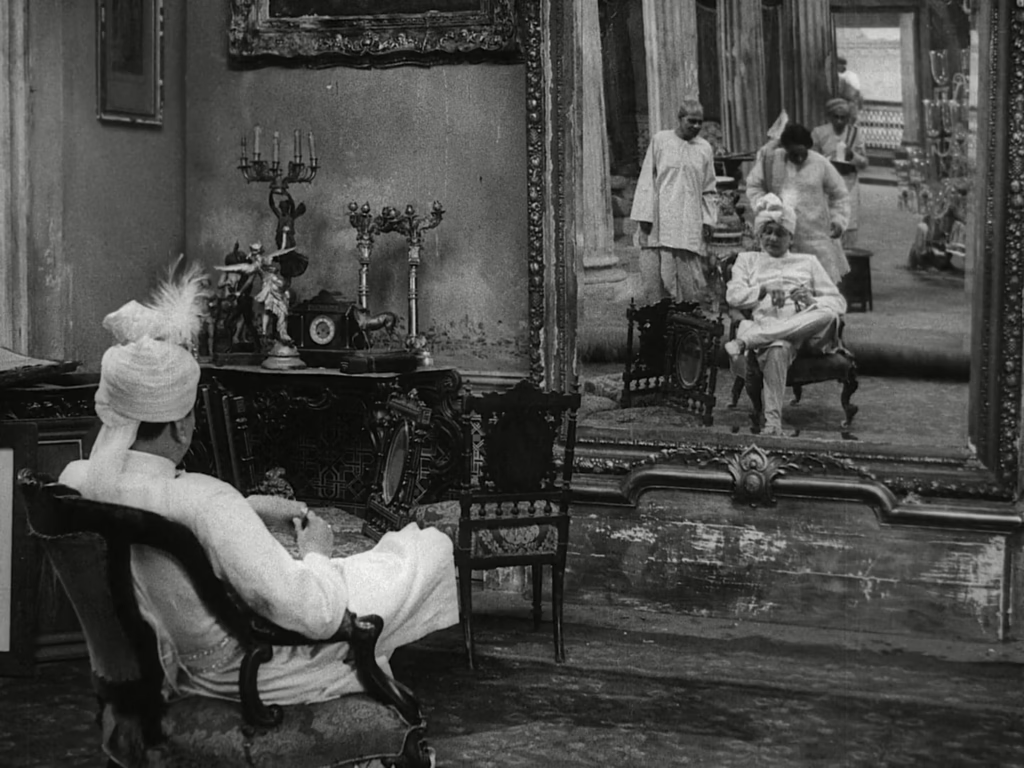
With a narrative this simple and foreshadowing this thick, The Music Room takes on a mythic, archetypal resonance. Biswambhar’s character arc is defined by the moral lesson at its heart, recognising envy as the source of his haughty ambition, the seed of his downfall, and the impulse behind his rivalry with Mahim. It is the music drifting over from his neighbour’s home in the opening scene which spurs on the extended flashback of the narrative’s first half after all, indulging in Biswambhar’s recollection of those catastrophic events from several years ago that drove him into seclusion. Likewise, so too does these distant echoes move him to foolishly reopen his music room in the present day, which the film’s second half ominously follows. By splitting The Music Room at its midpoint, Ray thus lays out a mirrored structure of two tragedies set years apart, with the second especially exacerbated by Biswambhar’s inability to learn from his own errors.
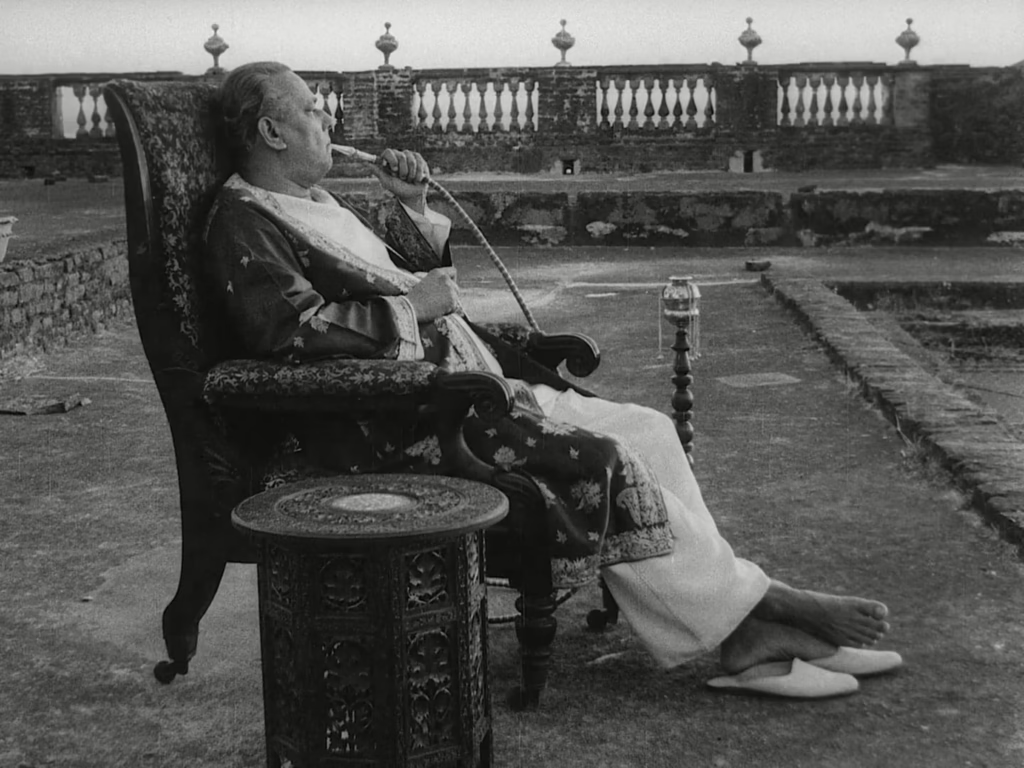
Of course, the role that classical Indian music plays in this formal framework can’t be ignored either, effectively marking three key narrative beats with three entirely different styles of live performance. Biswambhar sees it as his duty to protect tradition from the mobile middle class, and although Ray agrees that artistic heritage deserves reverence in a rapidly changing world, he also recognises how this aristocrat’s hypocritical self-indulgence reduces preservation to mere vanity.
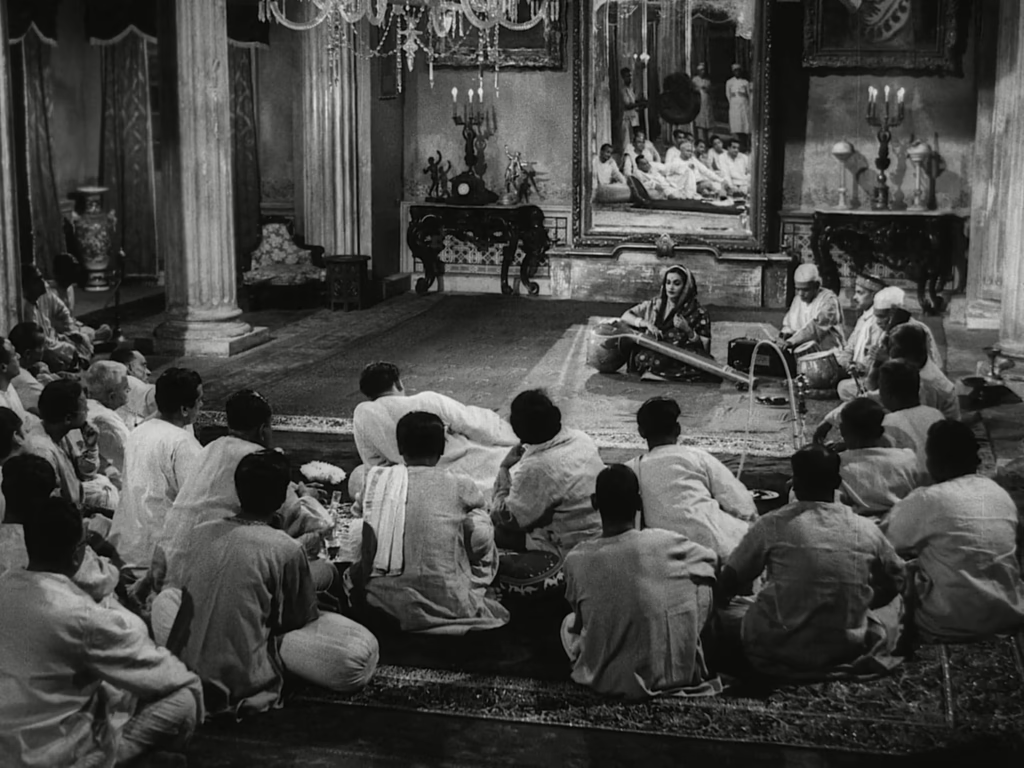
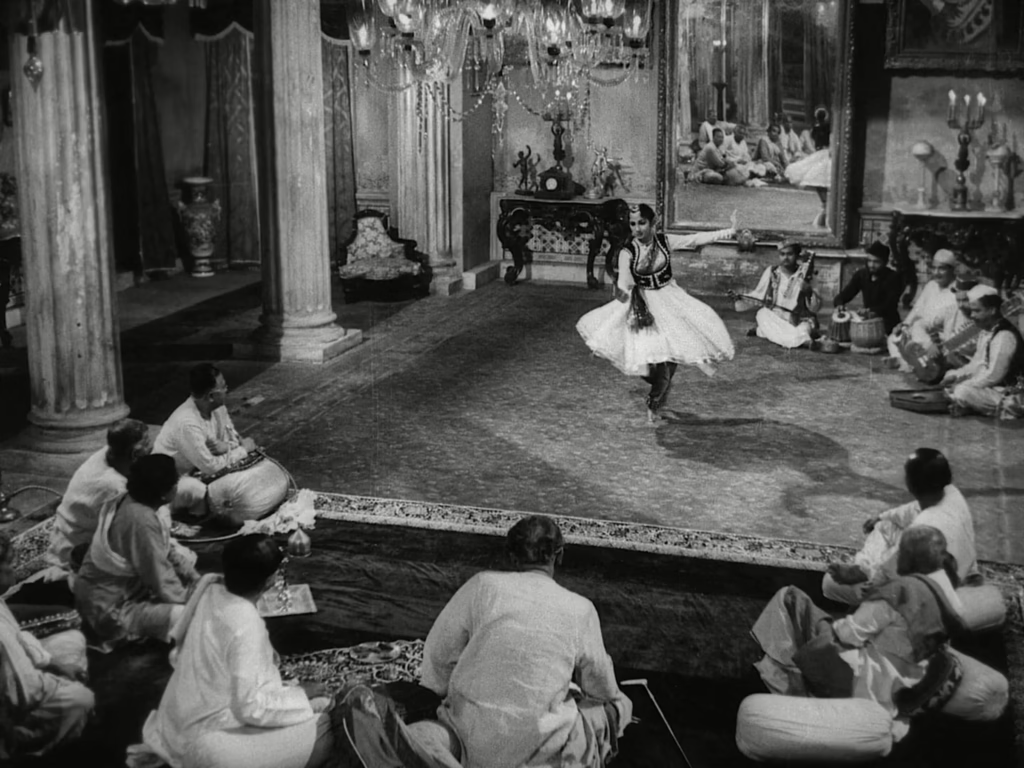
The first performance that graces Biswambhar’s music room is a thumri – a genre of delicate ornamentations and subtle improvisations typically sung by a woman, sensually expressing love and longing. Mortgaging his family’s valuables to have these musicians perform at his son’s initiation ceremony is a trivial sacrifice to him. The event is a resounding success, showing off his extraordinary affluence and cultivated musical taste. Visually too, Ray also uses this scene as an opportunity to fully bask in the music room’s tremendous set design, with luxurious furniture, ancestral portraits, and oversized mirrors reflecting Biswambhar’s inflated self-image. Beneath that glittering chandelier, servants wave giant fans over the audience, while the camera smoothly drifts through the space – before settling on Mahim, who we find picking his nose. Clearly, the social divide between these neighbours is irreconcilable.
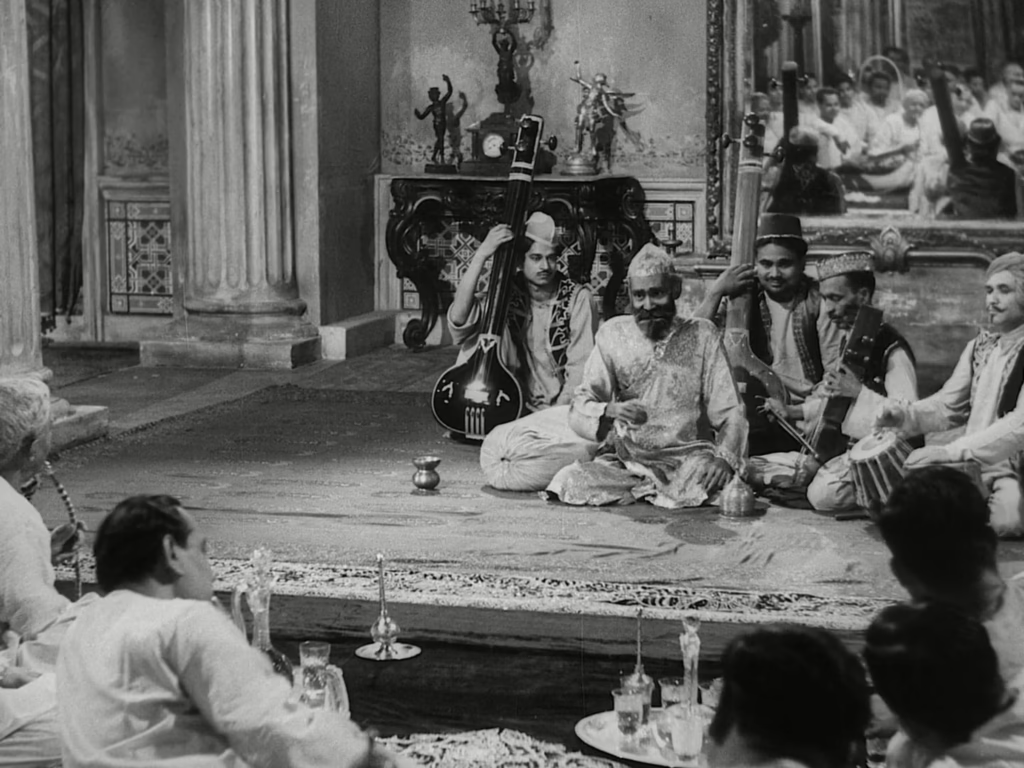
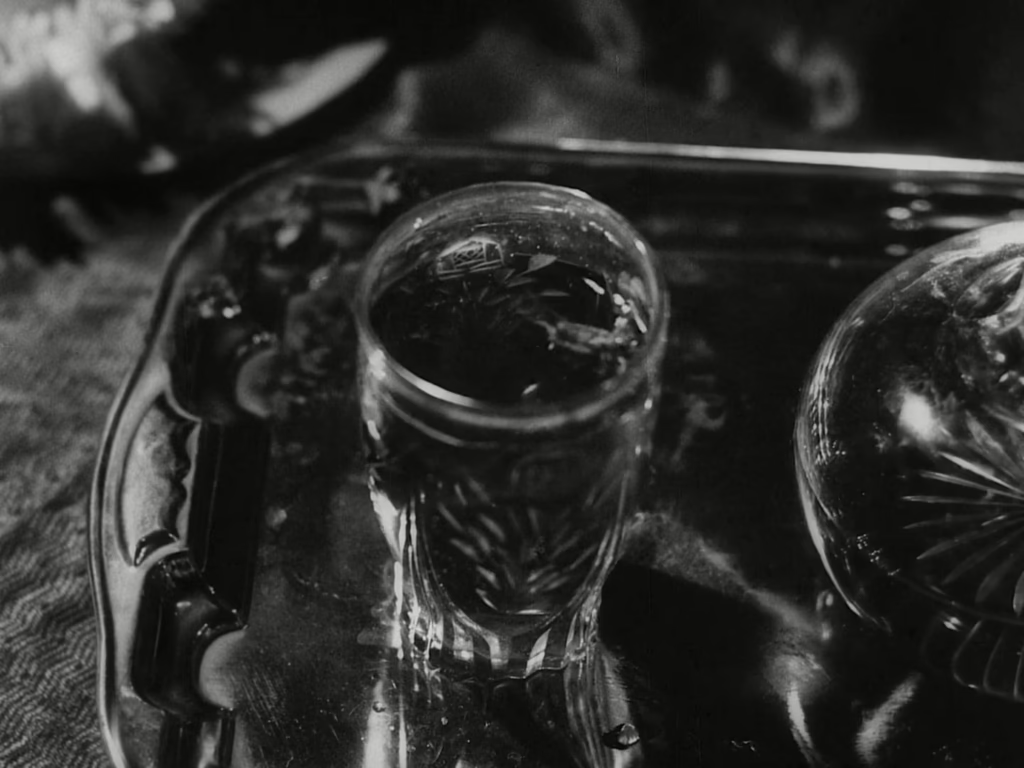
The second performance is a khyal, featuring intricate phrasing and tonal complexity from a bearded male singer. Unlike the feminine lyricism of the thumri, khyal is far more associated with cerebral, masculine authority, asserting Biswambhar’s vain desire to reclaim cultural prestige from Mahim during Bengali New Year celebrations. Unfortunately, in his wife and son’s delayed absence, he cannot truly appreciate the moment. They were meant to arrive home from visiting her sick father earlier that day, and so as the vocalist sings of hovering clouds and showering raindrops, Biswambhar can’t help letting his eyes drift to the gathering storm outside. Being a superstitious man, he is disturbed by the chandelier’s flames flickering in the draught, as well as the insect drowning in his drink – and perhaps rightfully so. Wandering outside, he is confronted by the news that his family has perished in the river’s violent waters, as well as the devastating sight of his son’s limp body.
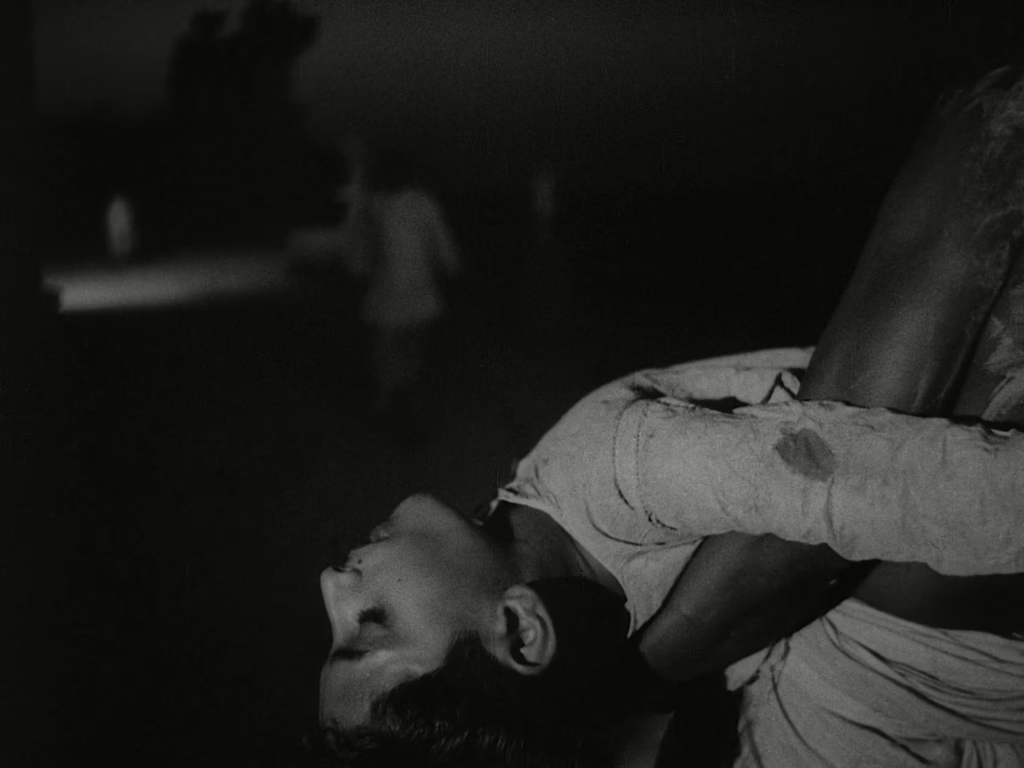
“No more music for me,” Biswambhar laments from his darkened sitting room, broken both financially and emotionally. There ends the first half of Ray’s story, which then leaps four years forward to find Biswambhar aged by time, grief, and isolation. His debts have forced him to auction off much of his furniture, yet hardship has not humbled this tremendous ego. The music room is to reopen, he impulsively decides upon returning from that extended, dreamy flashback, and thus he goes about hiring the popular dancer from Lucknow who Mahim himself has commissioned.
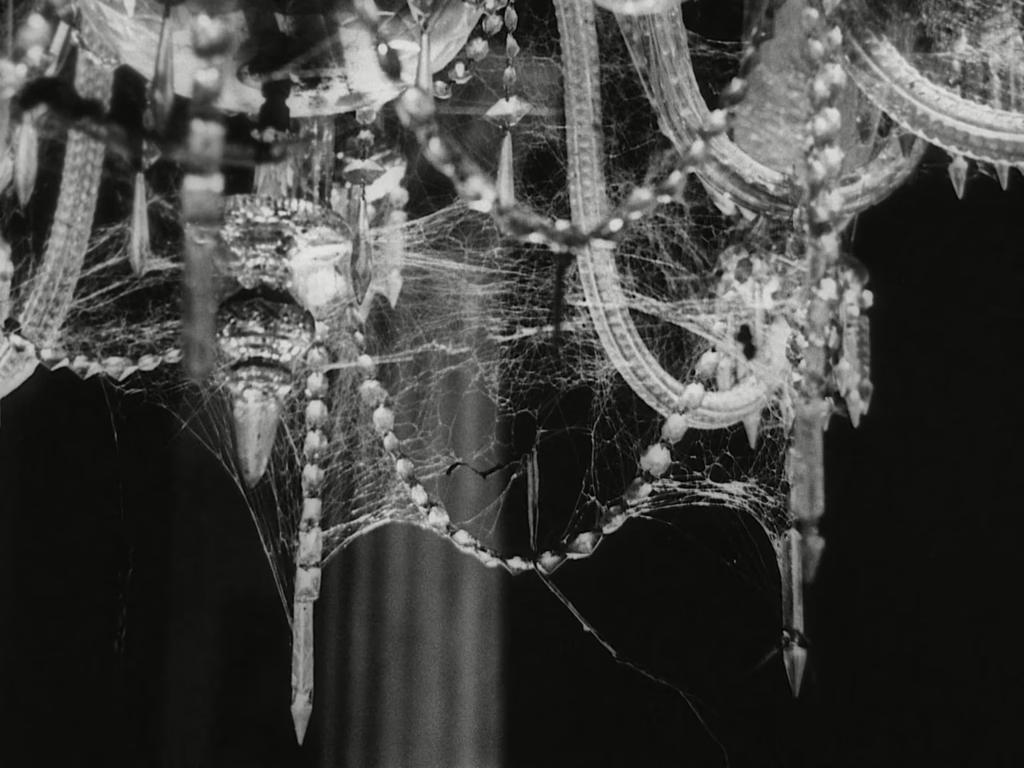
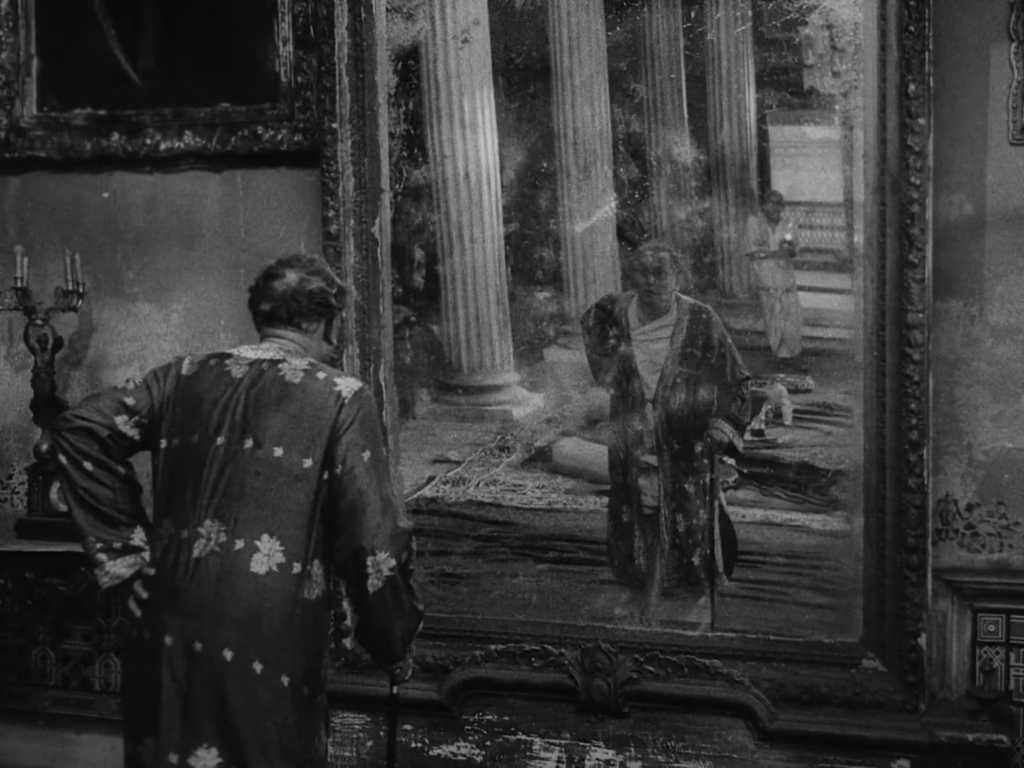
Smothered in dust and cobwebs, Biswambhar’s opulent music room is truly lifeless, but what value do his remaining possessions hold if selling them might revive its splendour? Drunk on the illusion of glory, the stage is thus set for one final performance, this time manifesting as an ancient form of solo, narrative ballet known as kathak. Graceful gestures and rapid footwork combine in hypnotic spectacle as the dancer mesmerises her audience, intensely increasing the speed of her motions, and mechanically synchronising with the percussive vocals. Finally, just as the performance reaches a fever pitch, it ends, leaving the deluded Biswambhar to secure his victory of one-upmanship by demanding the host’s right to offer the first gift.
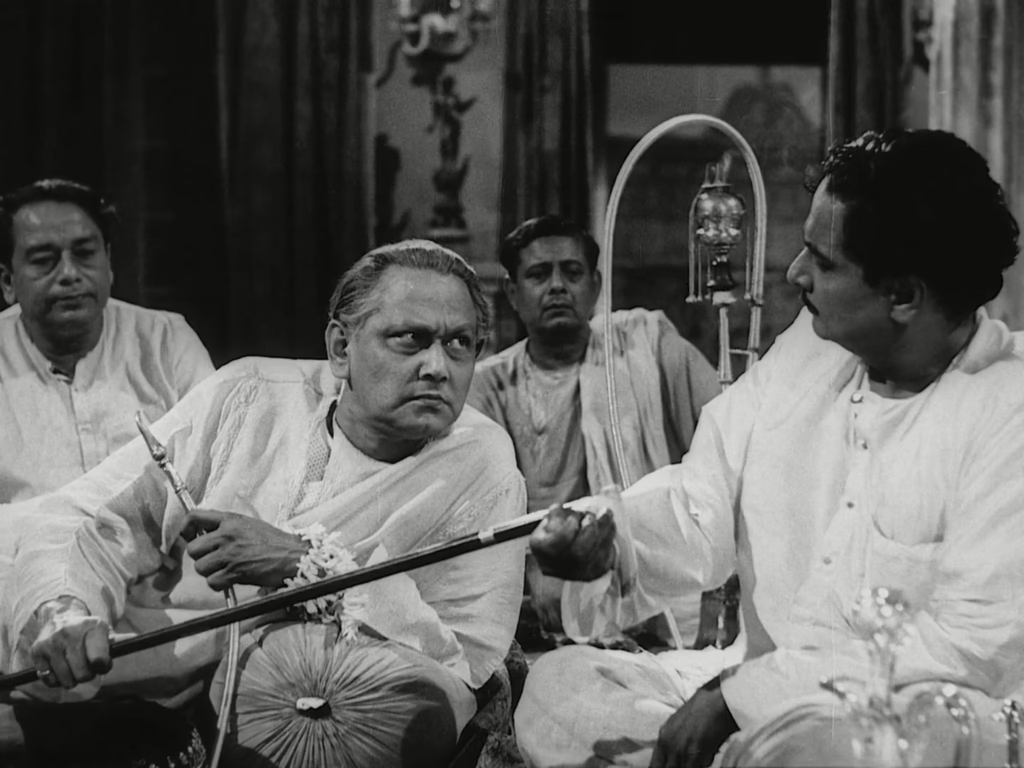
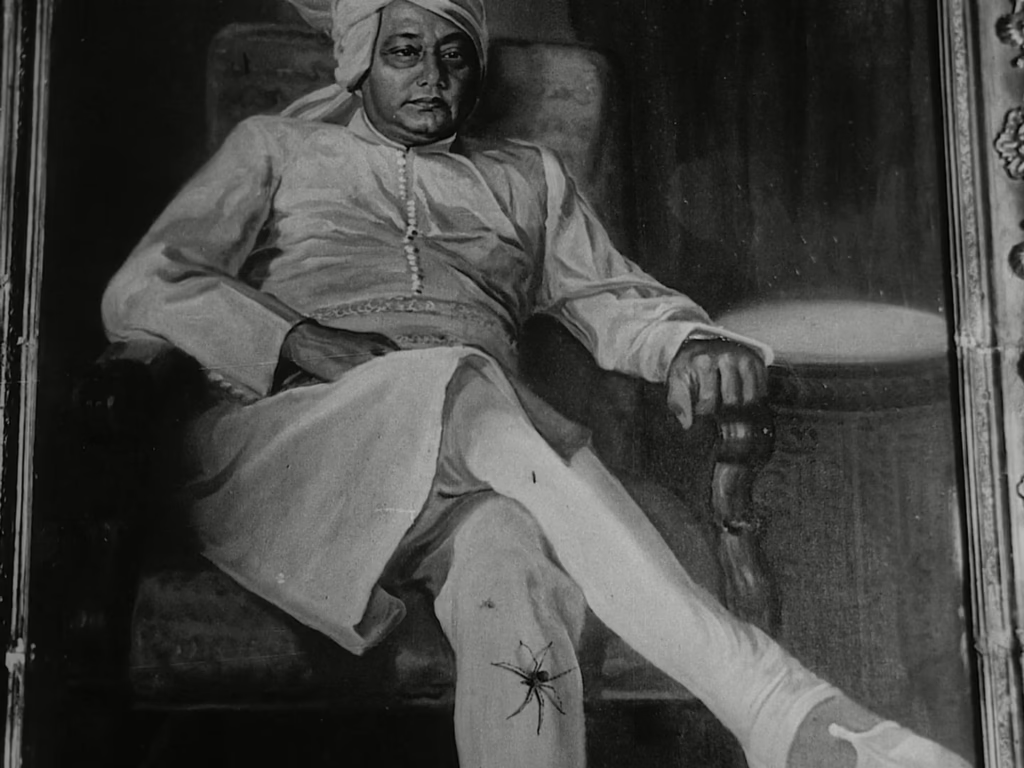
Inferior blood is why Miham failed, he asserts, and why he himself should emerge as the victor of their petty contest. “To you, my noble self,” he narcissistically toasts to his portrait once the crowd has gone, before pausing in disconcerted angst. There, on his painted leg, a spider has uneasily settled – not quite enough to quell his intoxicated pride, yet also only the first omen to signal his pending downfall. In the reflection of his wine, Ray gorgeously catches the shining reflection of the chandelier overhead, its flames flickering and dying one by one. Darkness has returned to the music room, and in this elegiac metaphor, Biswambhar is harshly reminded that no glory is so luminous as to burn bright forever.
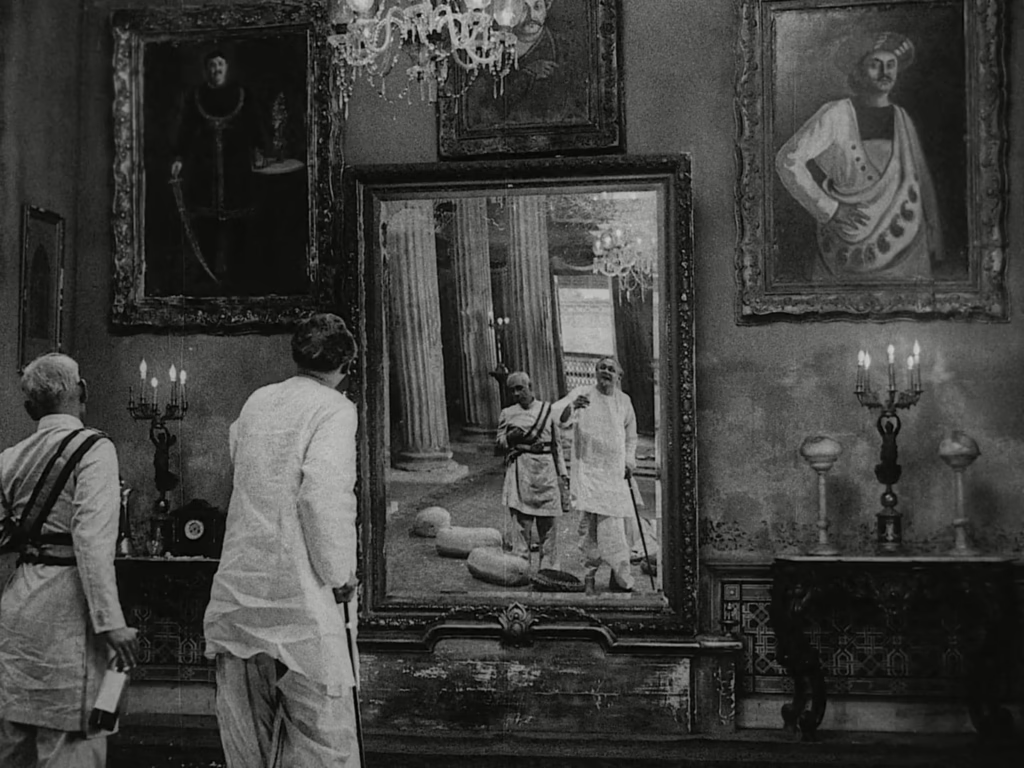
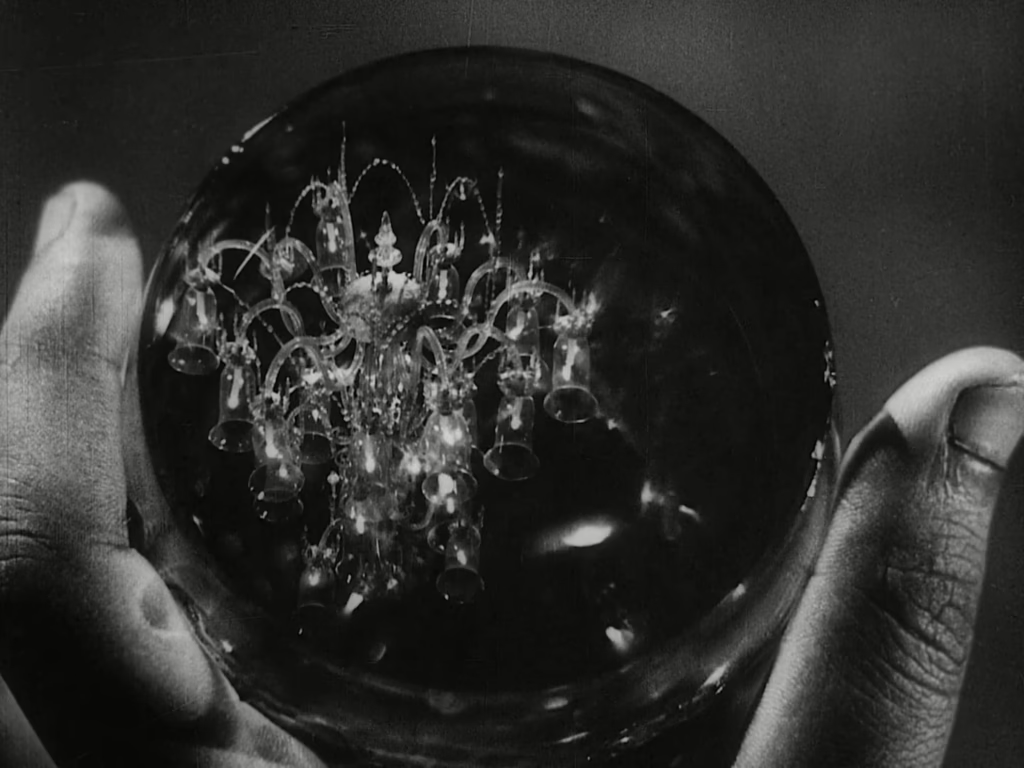
“Lamps do go out, master,” his servant rationalises, before drawing the curtains to reveal the hopeful light of dawn. The shift in Biswambhar’s manner is almost immediate, suddenly dropping the paranoid terror that just rattled his soul. “My riding crop!” he demands upon hearing his horse Tufan whinny outside, thus rejecting the wary counsel of his staff. It has been years since he last rode, and in this erratic state, he is in no condition to mount the saddle he once proudly bestrode like a throne.
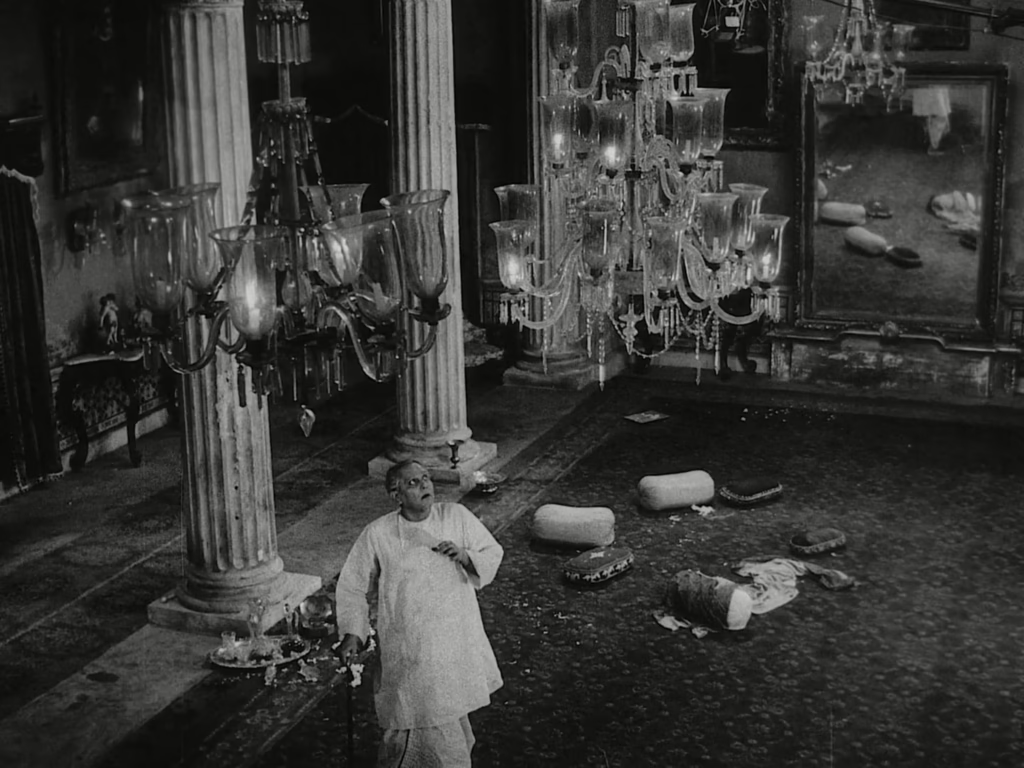
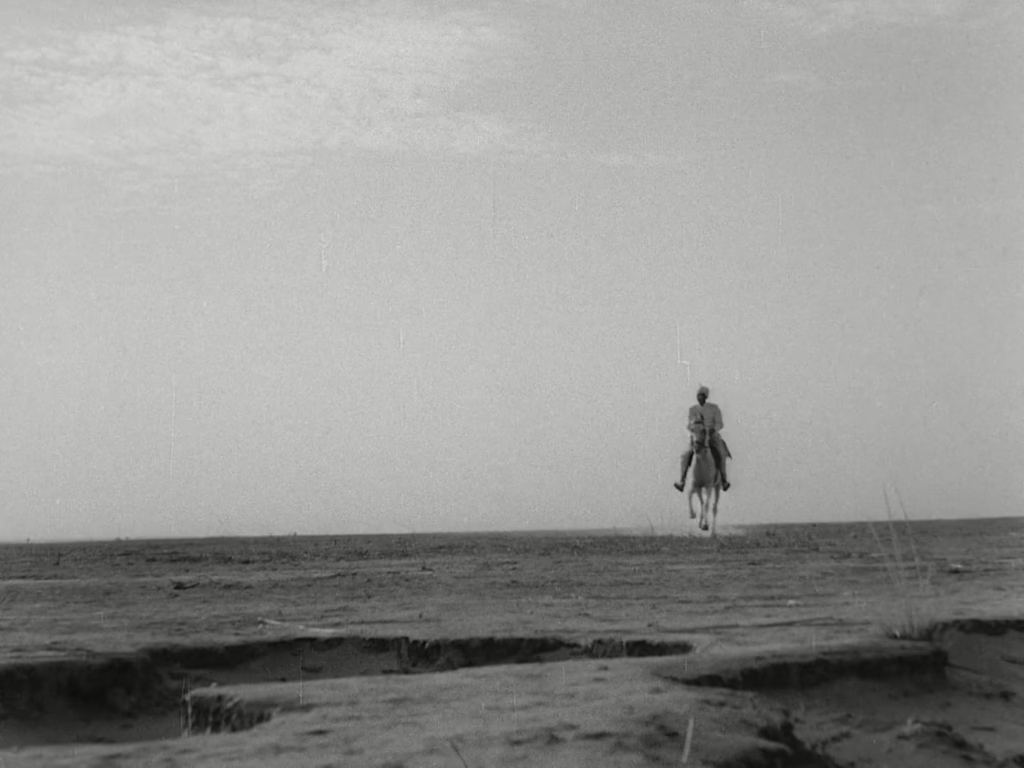
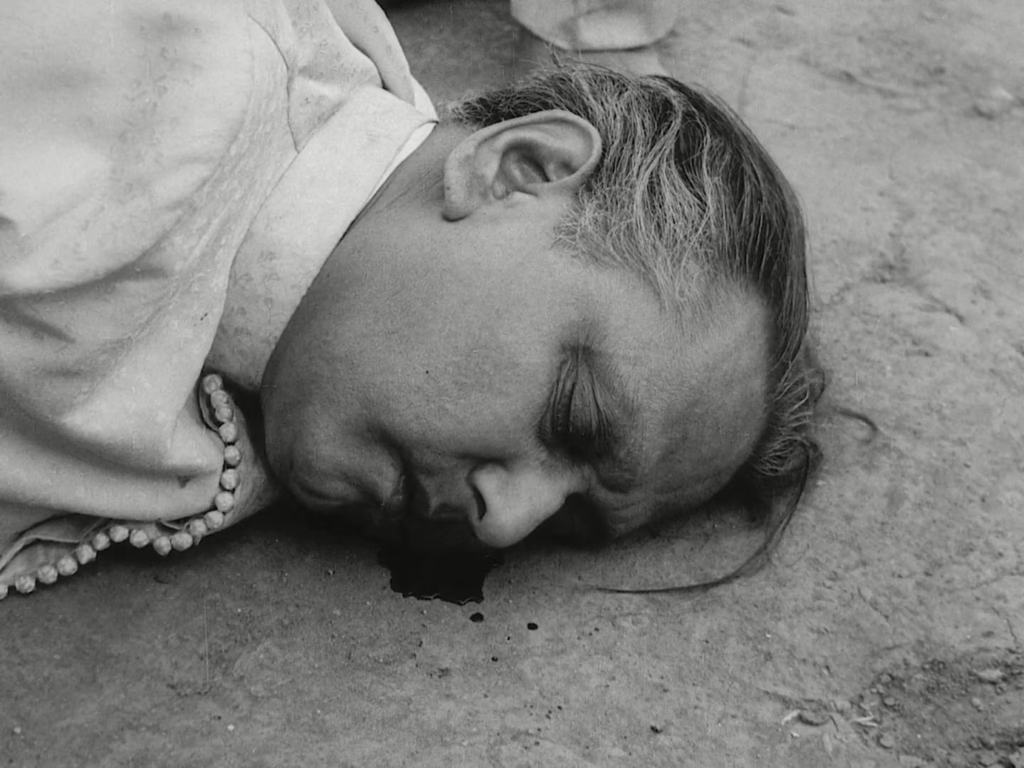
Still, across the flat plains he recklessly gallops, his eyes widening in dread as he nears the river and the final omen of his gradual demise – the beached boat upon which his family perished. Whether through fate or sheer loss of control, it is here where Tufan rears up, violently tossing his master to the ground.“Blood,” Biswambhar’s servant murmurs as he kneels beside the fallen landlord, watching the inky residue of his noble heritage pool on the hard, dry earth. There is no dignity in this aristocrat’s final moments, just as there was none in his wasted years of seclusion and futile grasp at hollow prestige. Through his pretensions and despair, Ray evocatively condenses the declining aristocracy of twentieth-century India into a single, tragic figure, fancifully believing that tradition alone may withstand the tide of progress. Perhaps Biswambhar’s destiny was never written in superstition, we might wonder, but rather etched in the scintillating music he desperately tried to claim as his own.
The Music Room is currently streaming on The Criterion Channel.