
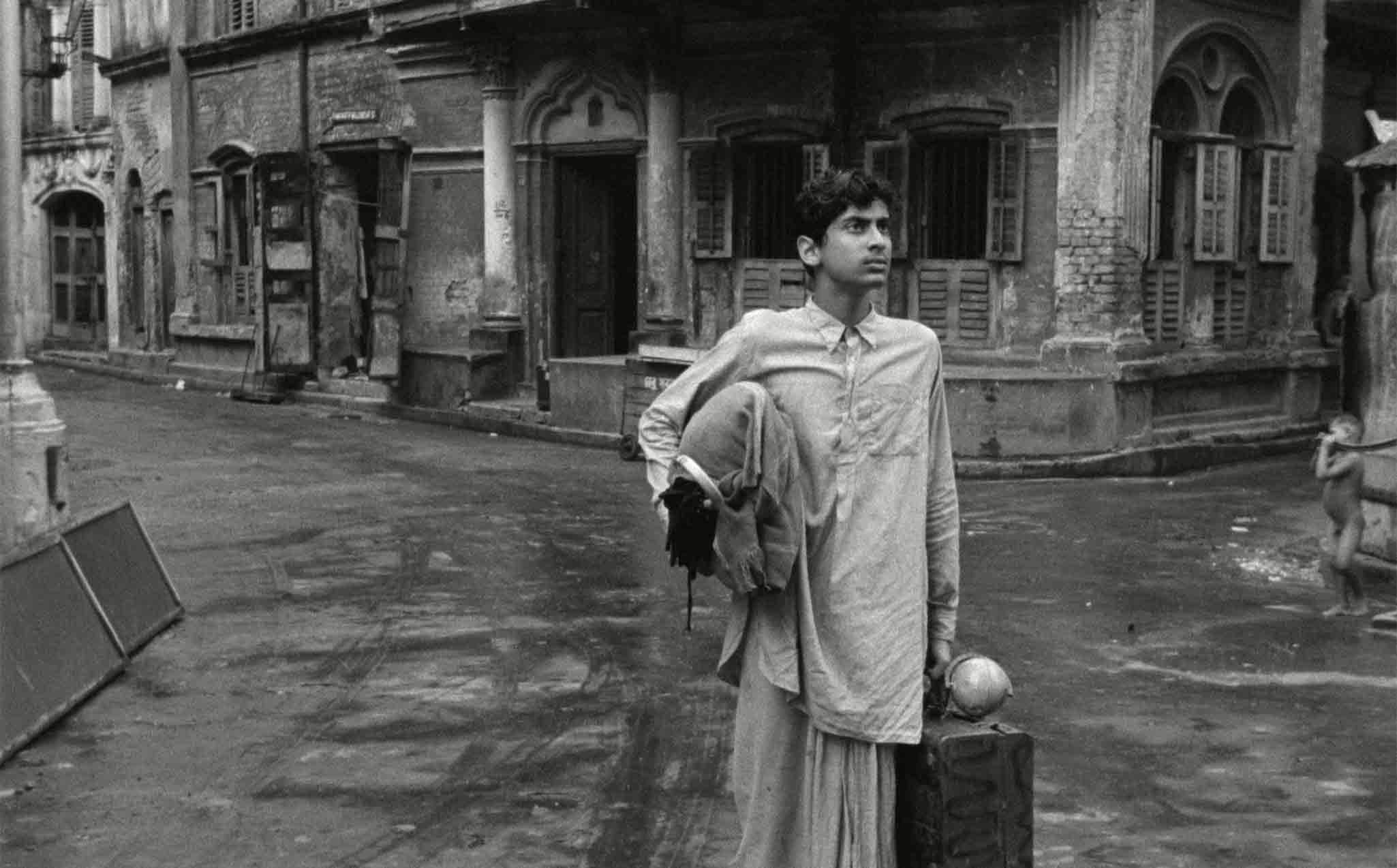
Satyajit Ray | 1hr 10min

The years that have passed since the tragic death of Apu’s sister have not quelled this young boy’s restless spirit. If anything, life in Varanasi has only fed that childlike curiosity which he held close throughout Pather Panchali, and that he now carries with him into the formative teenage years of Aparajito. The city is a bustling hub of sacred rituals and chaotic energy, warmly integrating the Roy family into its spiritual rhythms, and even giving Apu’s father Harihar the opportunity to making a respectful living as a priest.
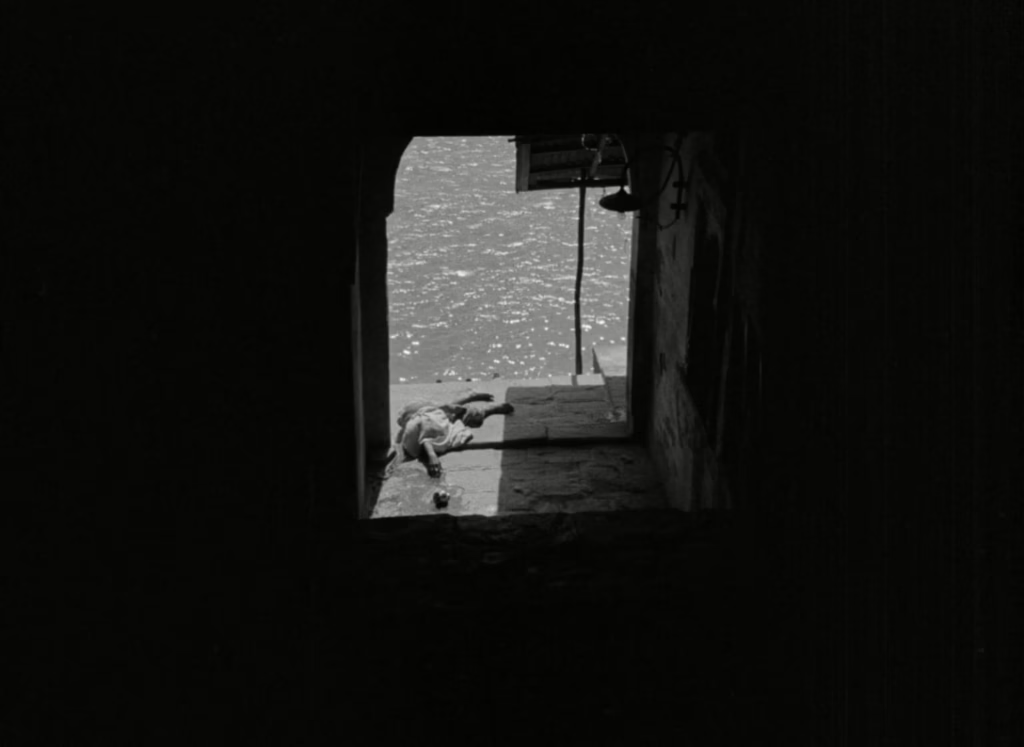
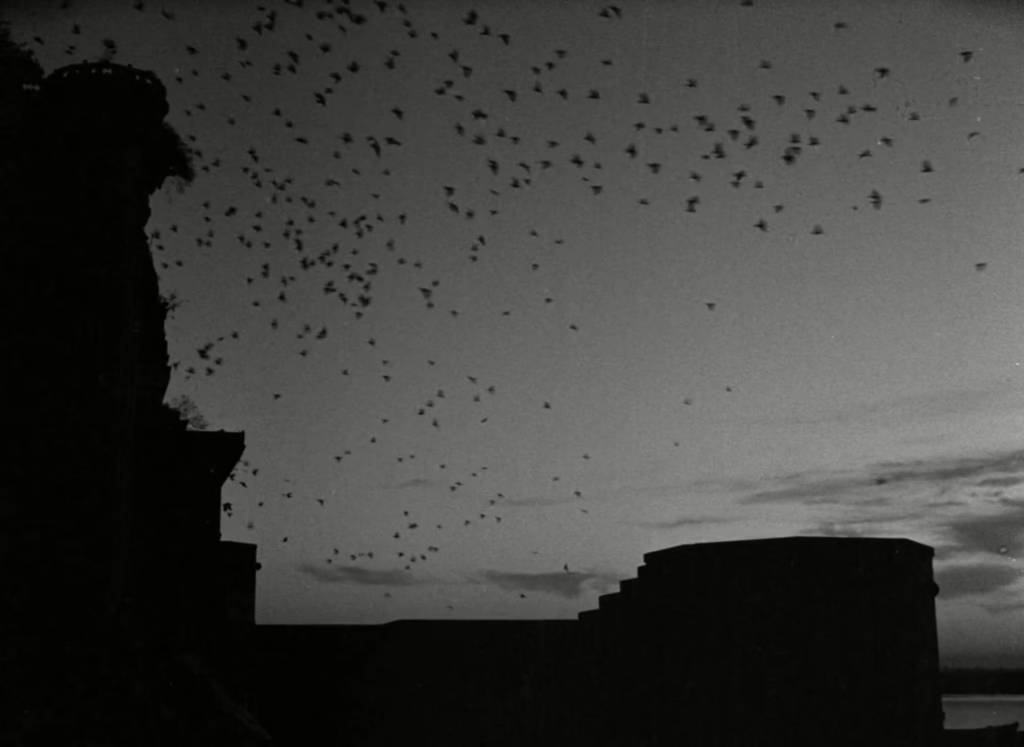
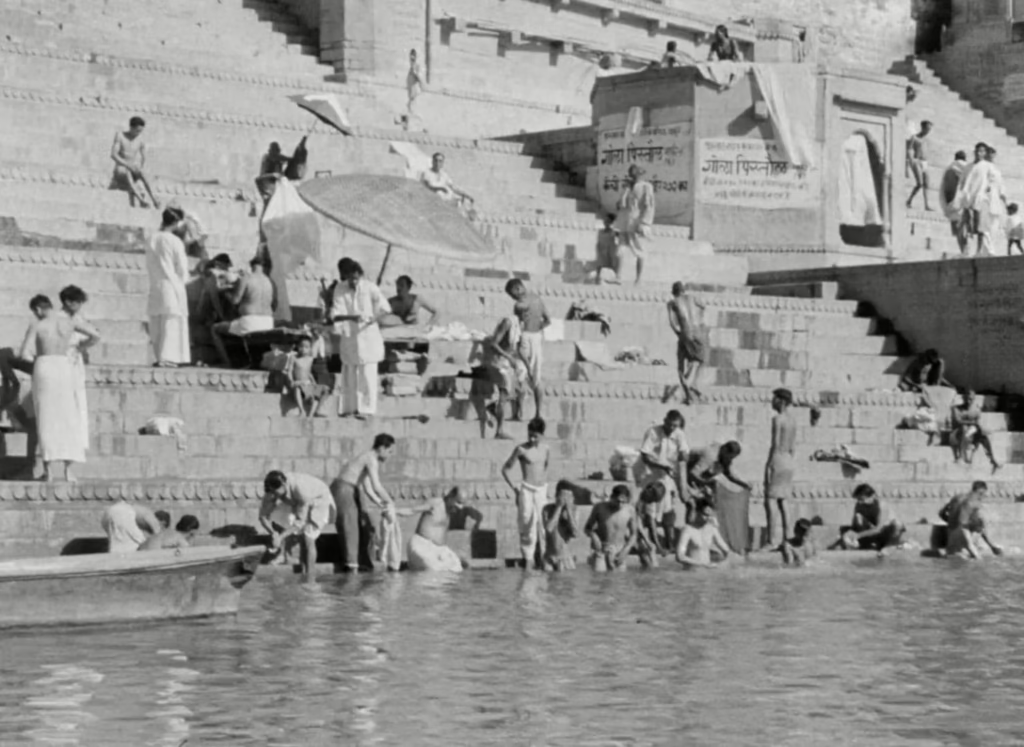
Down by the Ganges, he preaches to small crowds of devotees and brings home enough funds to support a modest yet dignified life, yet misfortune continues to shadow these downtrodden souls. Pushing himself through illness to work, Harihar finally collapses from exhaustion in dark, cramped doorframe. As he draws his final breath too, Satyajit Ray cuts to a flock of birds taking flight outside, gracefully signalling the departure of his soul. Unable to continue living in Varanasi, Apu and his mother Sarbajaya thus return to village life in Bengal, but the young boy’s glimpse of a wider world will inevitably lure him back to the urban landscapes of 1920s India.
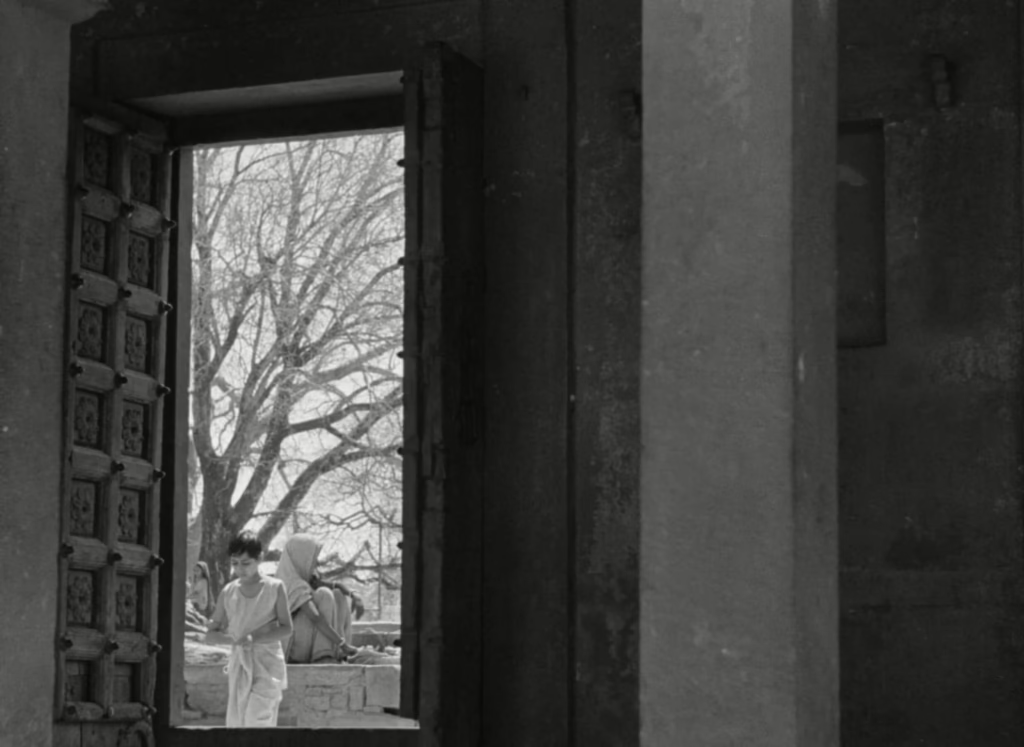
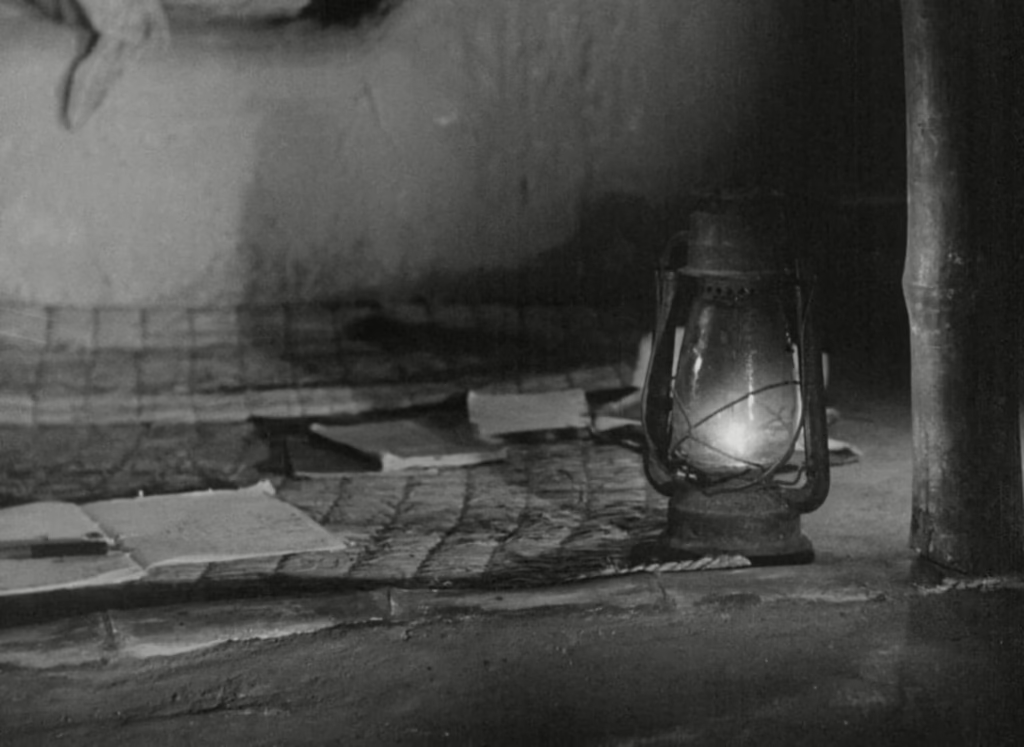
Ray did not initially intend for Pather Panchali to be the first part of a trilogy, but after the rapturous acclaim it drew from international audiences, the storytelling potential of Apu’s maturation presented an intriguing artistic opportunity. In place of a six-year-old child passively observing life’s shifting cycles, Aparajito introduces us to a boy on the verge of adolescence, discovering his own passions and ambitions. No longer does he unquestioningly obey his mother’s wishes, following the path to priesthood so he may support her with a reliable income. Instead, he convinces her to let him attend school, where he eagerly learns about the movement of the Earth and the cultures of Africa. With a brisk push-in on an oil lamp and a dissolve to black, we leap forward a few years in time, where an older, academically successful Apu is offered a scholarship to study in Kolkata. Sarbajaya’s apprehension aside, his future has never looked brighter, and Ravi Shankar’s vibrant sitar score joins in his soaring excitement.
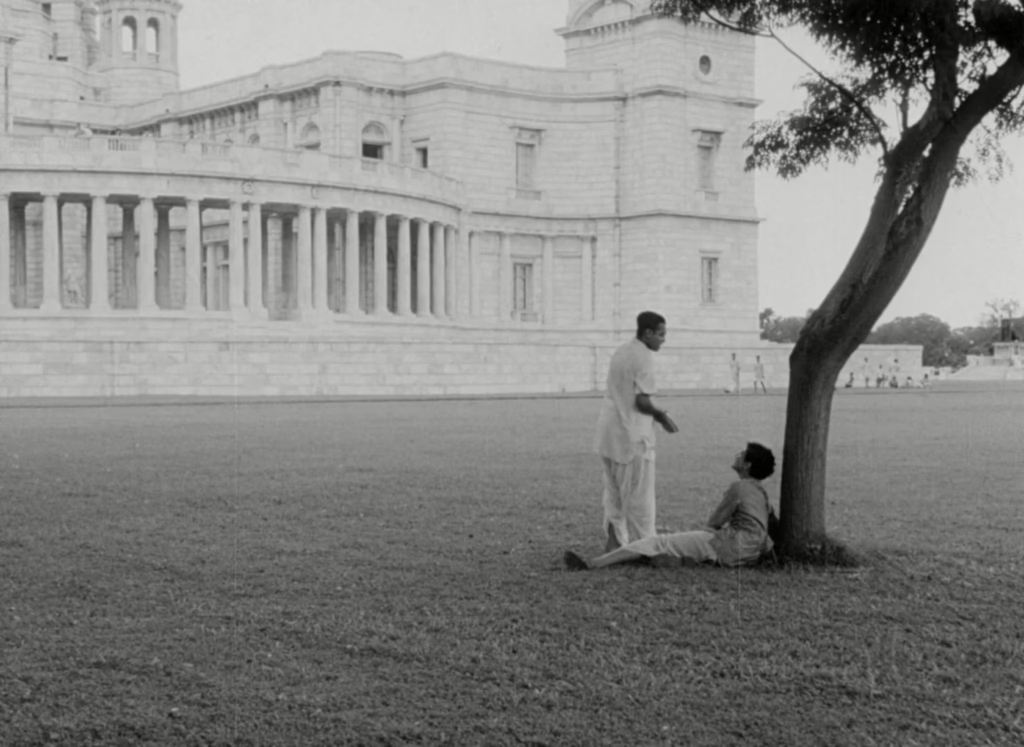
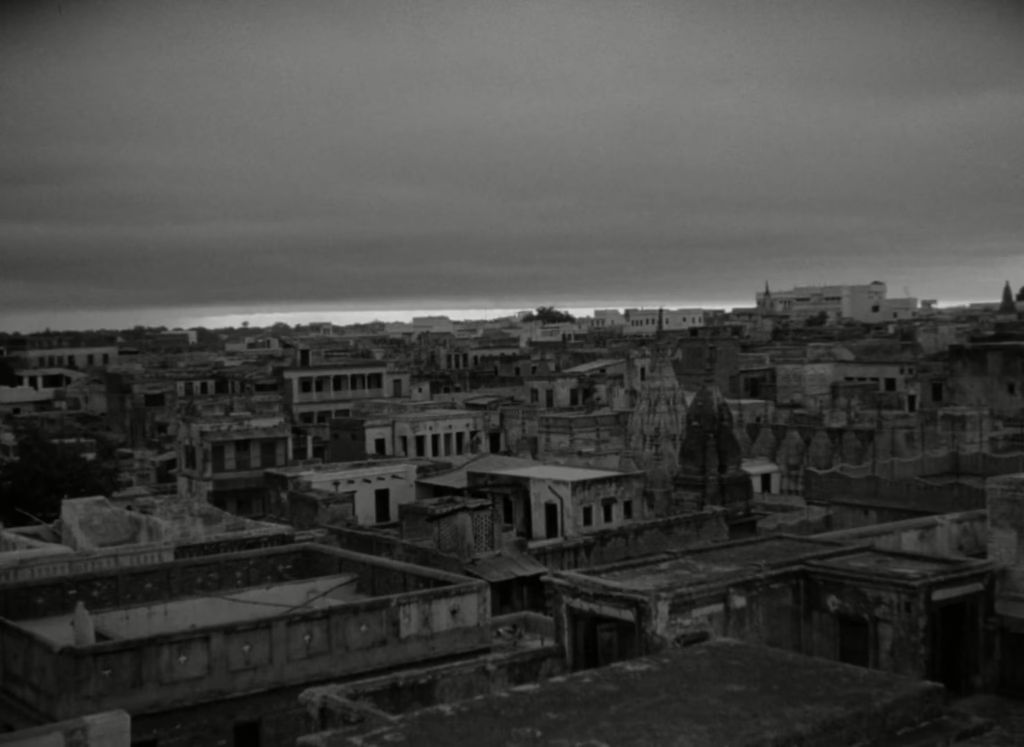
Maintaining his commitment to neorealist authenticity, Ray’s location shooting continues to excel in Aparajito, even if its imagery is less attuned to Pather Panchali’s pastoral symbolism. His camera is instead more drawn to the weathered architecture of Varanasi, where steep ghats stretch down to the Ganges, as well as the dazzling white stonework of Kolkata’s university campus. It is especially in the latter where Apu finds both prospect and hardship, relishing modern luxuries such as electric lighting while struggling to stay awake during class. His part-time work at a printing shop earns him a meagre room from which he writes letters home, though when he visits his mother during school breaks, the growing disconnection is evident.
“You said you’ll come on the sixth, and what date is today?” Sarbajaya scolds when Apu walks through the door. “There was a lot of work,” he casually replies, brushing off the loneliness and concern she has suffered without any loved ones to lean on. When the time comes for him to leave again, his farewell is similarly nonchalant, yet something stirs inside him as he waits at the station. Intercutting between close-ups of their sorrowful expressions, Ray reveals the shared heartache born from the distance between them, and delivers gratifying catharsis when Apu spontaneously decides to miss his train and spend a few more days with his mother.
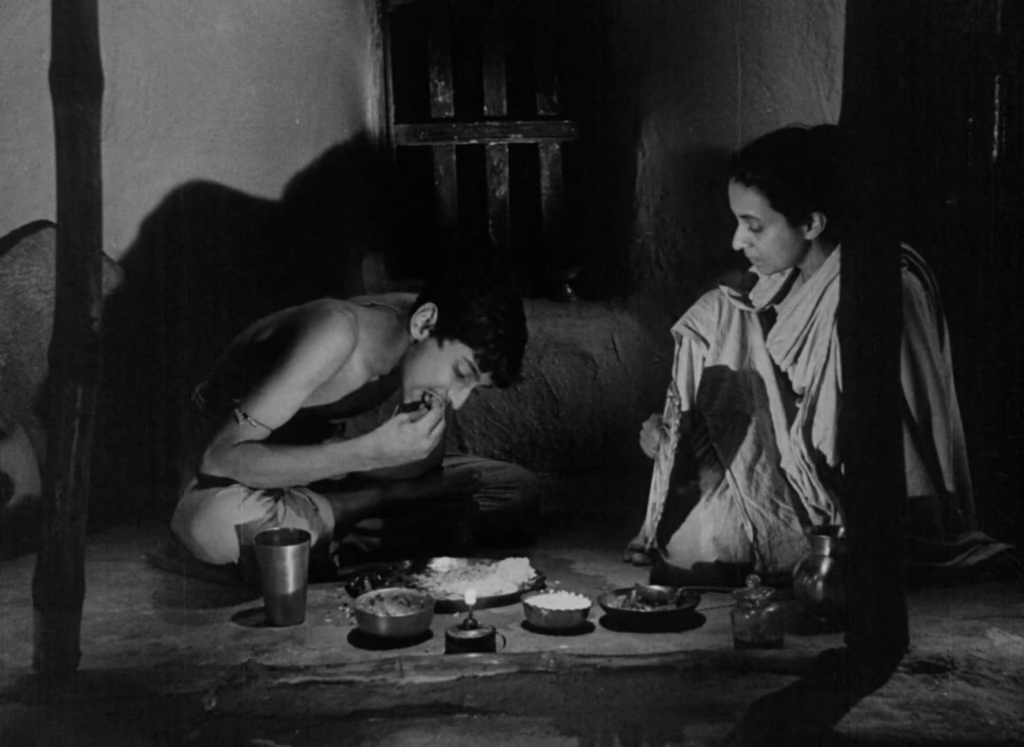
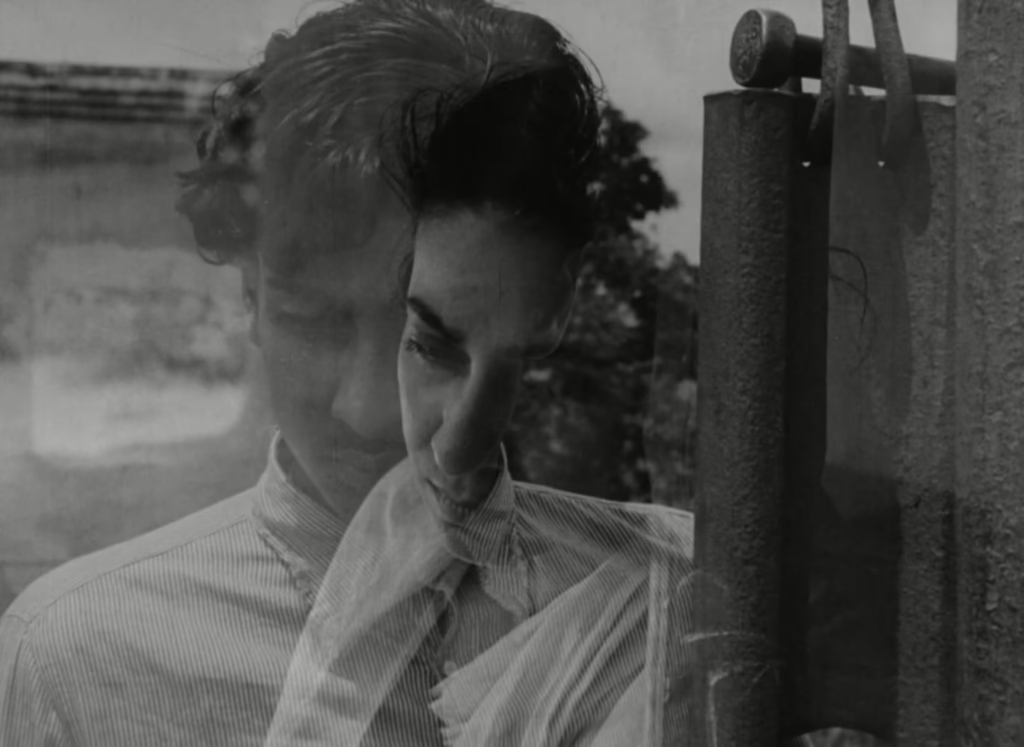
Still, loving gestures are not necessarily enough to mend those emotional rifts which stretch over weeks and months. Visits become less frequent as Apu’s studies take precedence, overshadowing religious celebrations and even convincing his mother that he must prioritise his education over her health. “If he comes, he has to come on his own,” she decides when she falls ill, and soon even Ray’s grounded naturalism gives way to psychological subjectivity when we begin hearing her tormented hallucinations of Apu’s voice. Watching fireflies light up outside her home, we are given one more glimpse of Pather Panchali’s lingering, natural wonder, before a fade to black signifies the tragic demise of his last immediate family member.
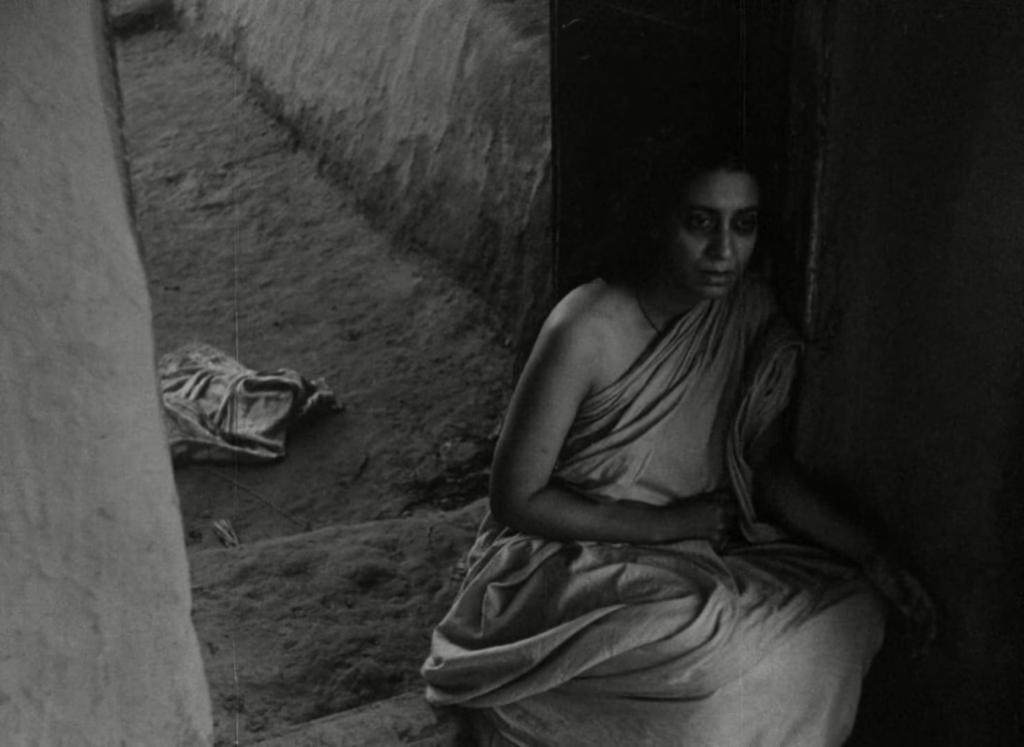

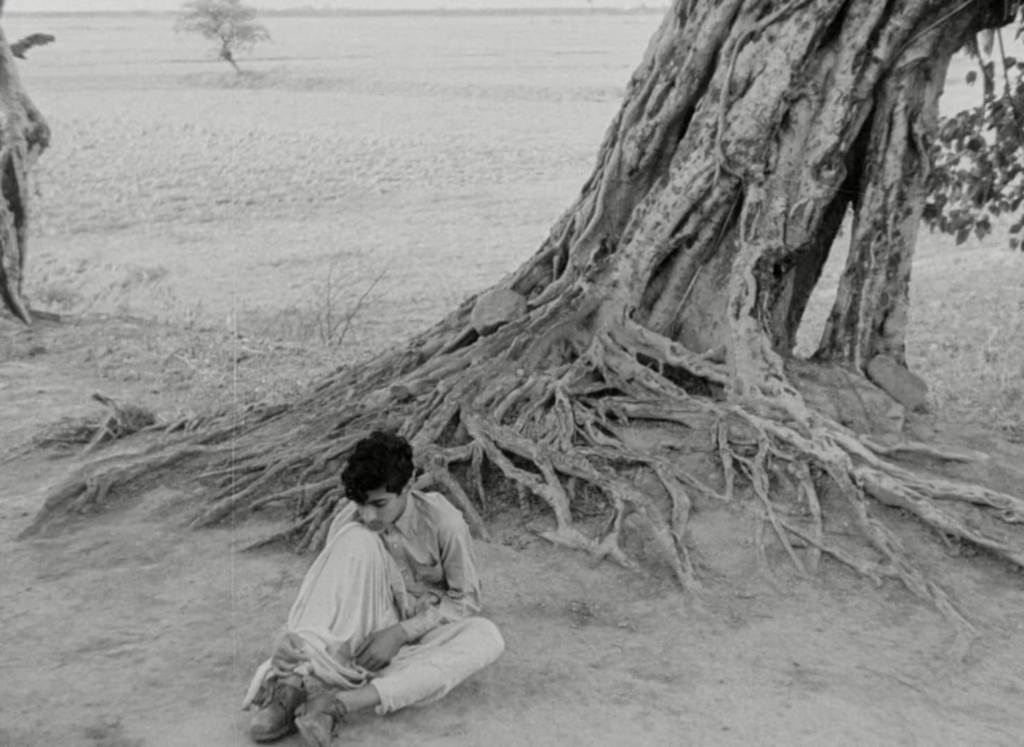
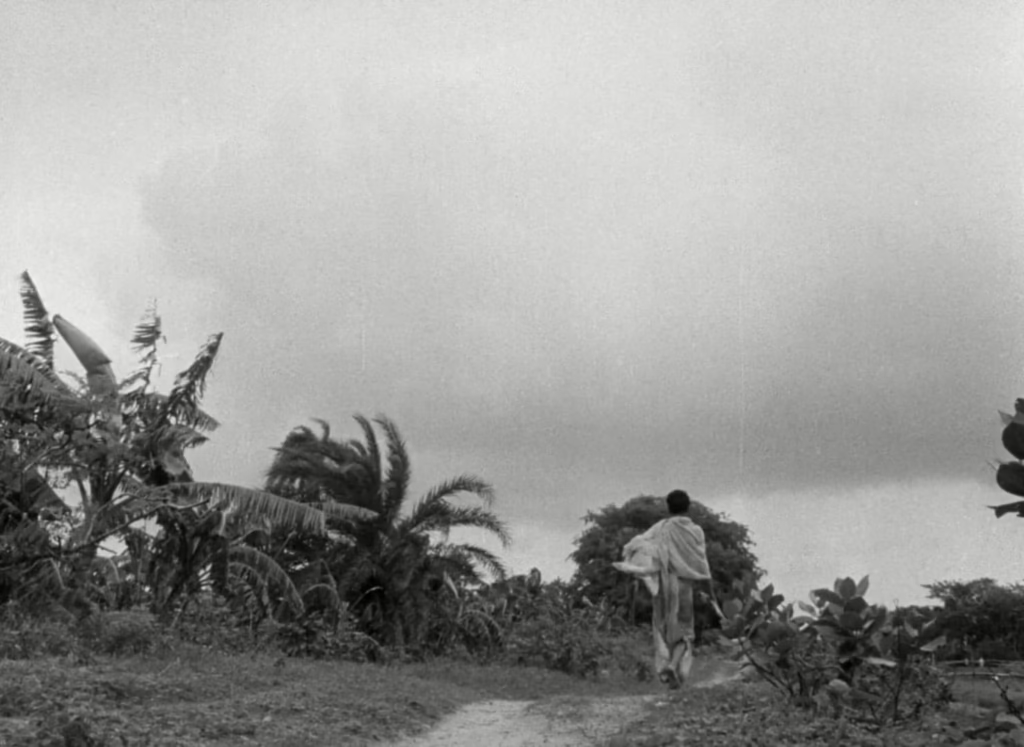
Summoned by a letter from his great uncle, Apu arrives back in the village, calling for his mother as he wanders its dusty streets in solemn, measured tracking shots. Shankar’s sitar mounts tension through a dark, brooding motif, repeating with increasing persistence, until Apu’s fear is confirmed by the silent, sympathetic expression of his great uncle. Collapsing in grief by the sprawling roots of a large tree, Ray’s elemental imagery seems to imply a return to the pastoral foundations of his childhood, but Apu is not meant long for this village. His future is back in Kolkata, he resolves, where he will administer his mother’s last rites.
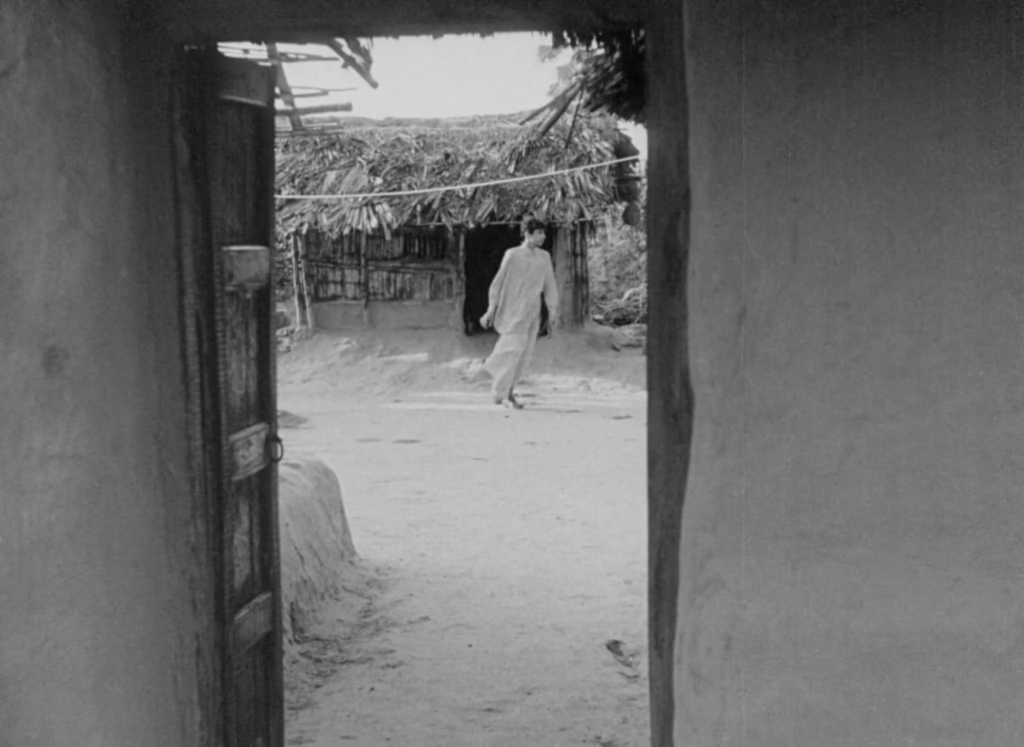
It’s a clean break that Apu makes from rural Bengal, and one that propels him forward into the adult world. As tradition fades from this portrait of adolescence, Ray underscores the ache of modern estrangement, widening the distance between generations that once shared the common rhythms of life. Much like Apu himself, the middle part of this expansive, intimate trilogy lingers precariously between innocence and responsibility, yet deeply understands the irrevocable losses that make each small step towards maturity possible.
Aparajito is currently streaming on The Criterion Channel.