Maggie Kang & Chris Appelhans | 1hr 39min

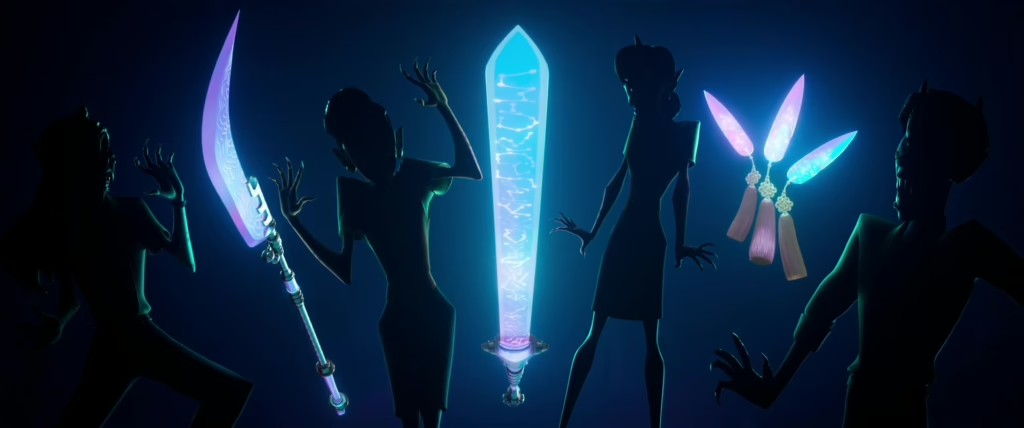
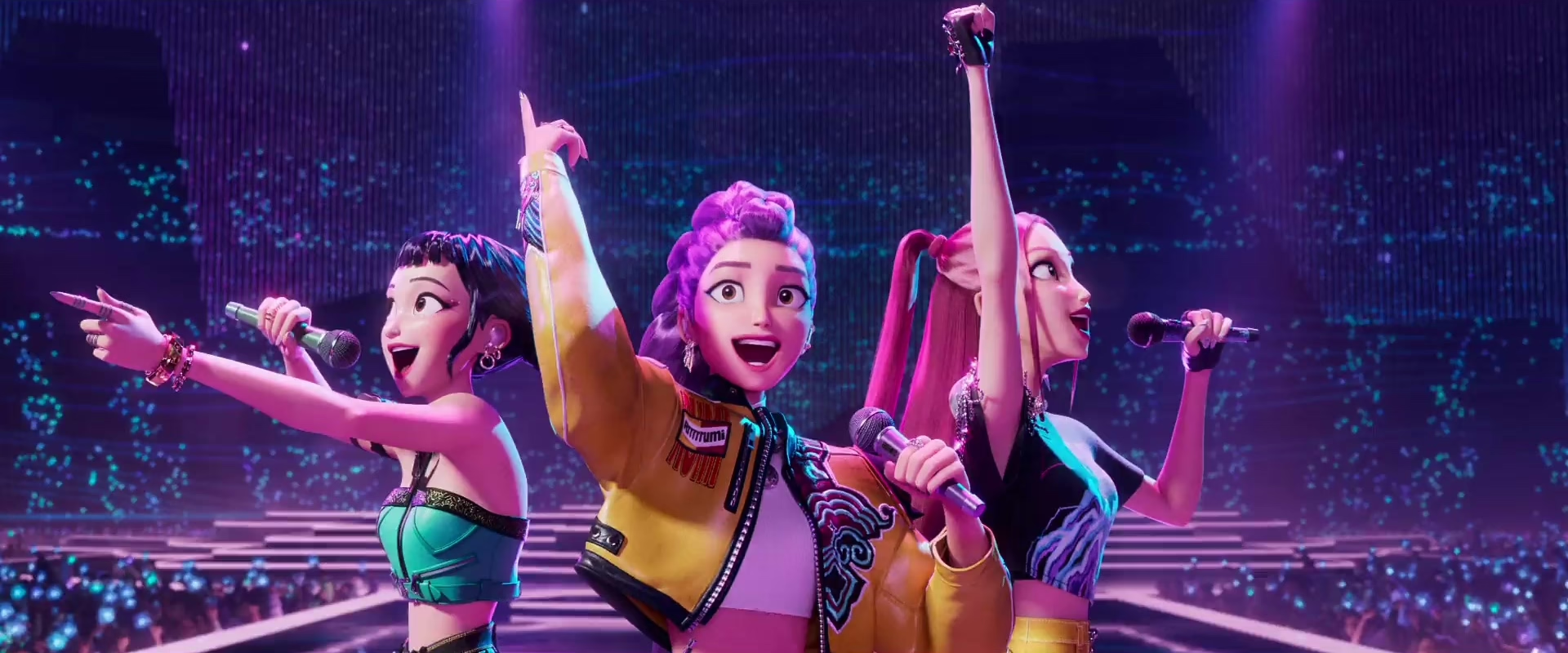
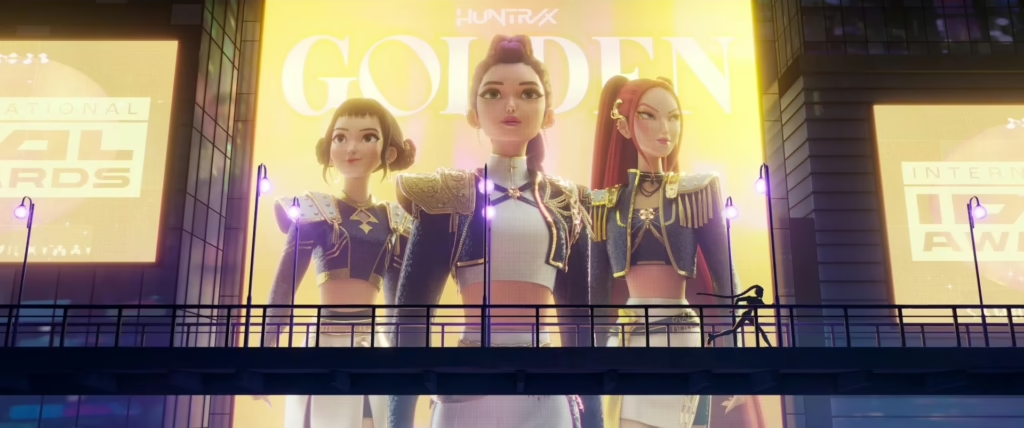
Though the kinetic choreography that fuses dance and fight sequences in KPop Demon Hunters certainly impresses, music transcends spectacle in its vibrant, neon-soaked world of idols turned warriors. The members of girl band Huntrix belong to a long lineage of Korean women whose songs drive back evil, reinforcing the magical Honmoon which holds a protective barrier against corrupting influences from the underworld. Through their combined harmony, music becomes a communal experience, pushing back against the despair that fuels king of demons Gwi-Ma – yet just as it bridges the gap between fans and performers, so too may it warp that devotion into consuming, exploitable obsession.
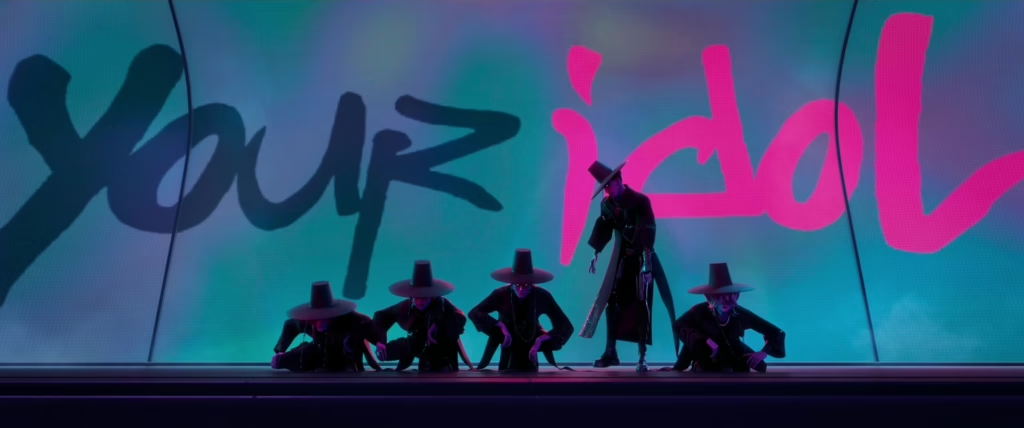
As it turns out, the demons of Korea’s underworld possess a few underhanded tricks of their own, sending fiendish rival band the Saja Boys to lure Huntrix’s crowds and harvest their souls for Gwi-Ma. Where songs like ‘Golden’ celebrate the resilient unity of Rumi, Mira, and Zoey, the Saja Boys’ hits ‘Soda Pop’ and ‘Your Idol’ reflect a far more corrosive glamour, dripping with vanity and temptation. Hope gives way to insecurity, and this breeds the shame which consumes demons and haunts humans, rendering them vulnerable to Gwi-Ma’s malicious control. Perhaps it would be easier to ignore those inner voices that gnaw at self-worth, yet denial only strengthens their grip in KPop Demon Hunters, weakening the integrity which grants Huntrix its luminous power.
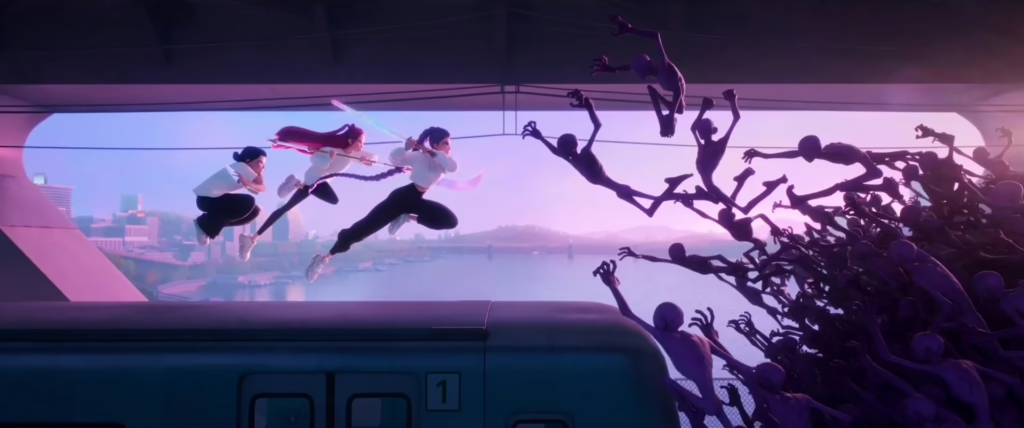
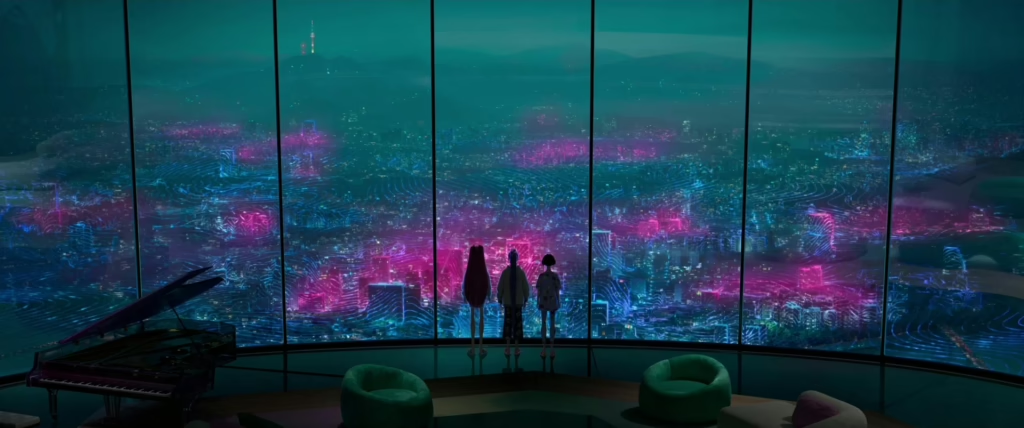
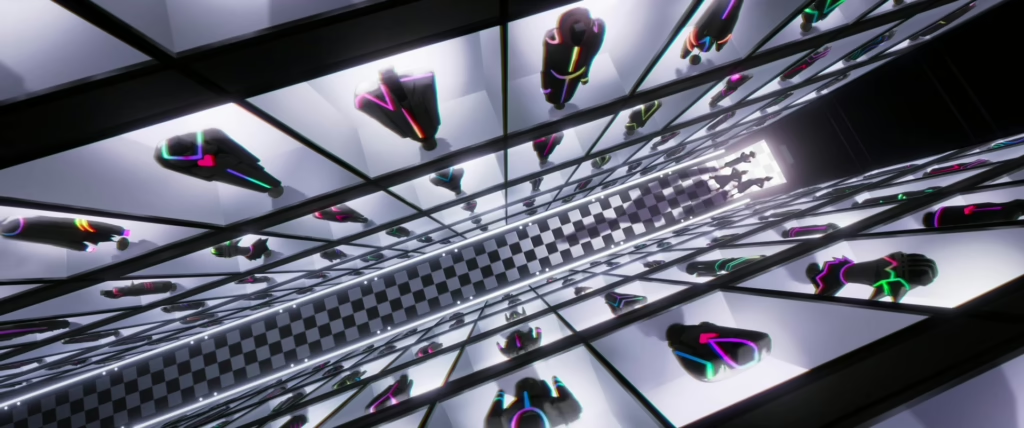
The animation industry’s shift away from polished 3D realism and towards a more expressive, dynamic aesthetic has manifested with far greater ambition in other Sony films, yet it is hard to dispute their displacement of Pixar as the benchmark for mainstream innovation. If the Spider-Verse series marked the beginning of this visual renaissance, then KPop Demon Hunters is evidence of its total cultural domination, additionally drawing from anime to infuse every frame with a graphic, hyper-stylised intensity. Fluorescent blues and pinks burn through the colour palette here in a charged duality, signalling the core conflict between serenity and turmoil, and notably merging the two in Rumi’s distinctive purple hair. Thanks to her human mother and demon father, she is a hybrid of both worlds after all, thus becoming the living embodiment of purity fractured by corruption.
That Rumi believes she must cover up those patterned stripes on her body which mark her as part-demon only further reinforces KPop Demon Hunters’ exploration of shame as a silencing mechanism, inviting conspicuous parallels to Queen Elsa’s mantra of “conceal don’t feel.” Clearly this message of embracing one’s entire flawed self strikes a chord among younger audiences, offering a counterpoint to the pressures of perfectionism, even if this film renders its central metaphor of battling inner demons with amusing literalism. At least in the mirrored character arcs of Rumi and the Saja Boys’ leader singer Jinu, it finds unexpected emotional depth, considering how the urge to erase or hide one’s shame may ultimately enslave one to it.

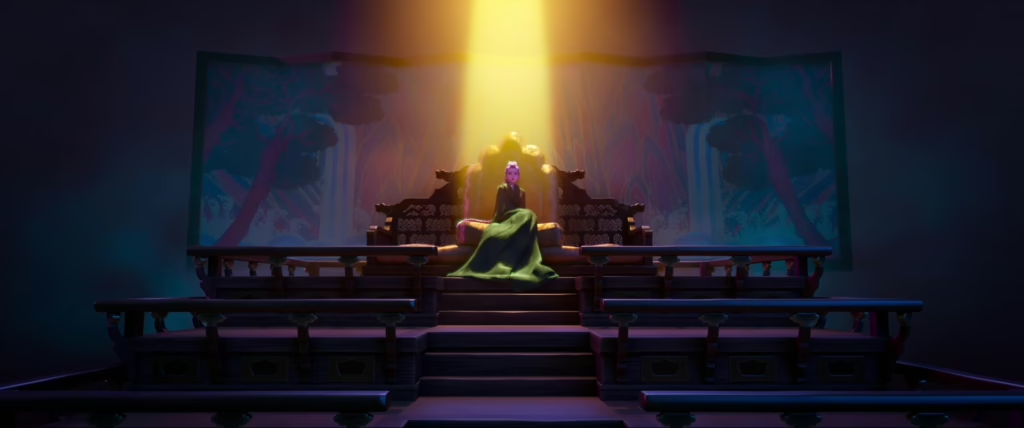
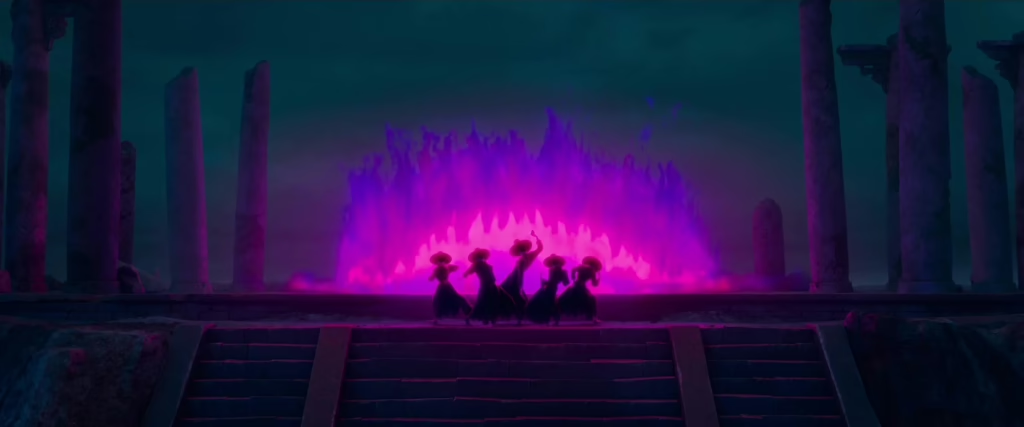
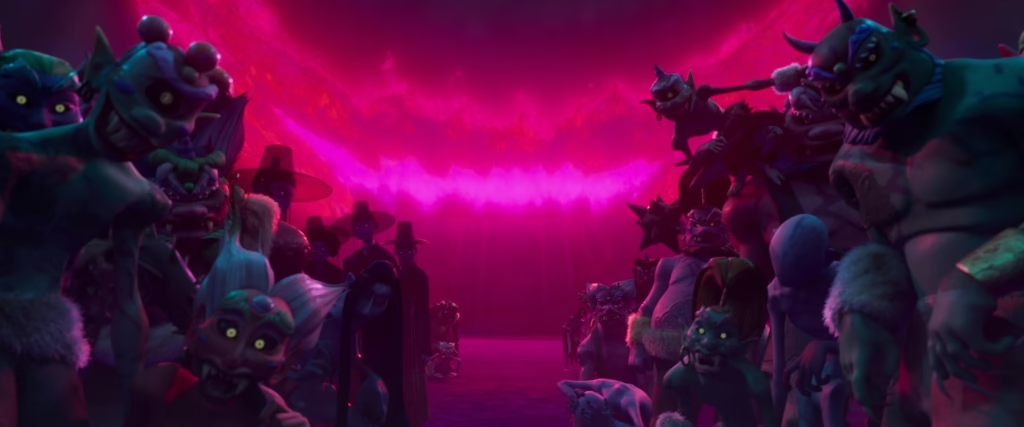
Given its foundations in ancient Korean folklore as well, KPop Demon Hunters elevates its genre mash-up with cultural resonance, conjuring vivid incarnations of dokkaebi, mul gwishin, and agwi – or Korean ogres, water ghosts, and ravenous spirits who feed on life energy. Most fearsome of all though is the Saja Boys’ emulation of the Jeoseung Saja, the Korean grim reaper, as they mesmerise masses in flowing black robes and traditional horsehair hats. Their influence is apocalyptic, weaponising Rumi and Jinu’s secrets, and magnifying the world’s insecurities so that we may similarly glimpse Zoey’s anxiety, Mira’s longing for a family, and those negative inner voices we try to supress every day. If honour is the cornerstone of Korean culture, then shame is its shadow, and the dazzling climax of this pop extravaganza seeks radical harmony in that duality.
KPop Demon Hunters doesn’t quite rise above its simple structure, yet its blazing visual audacity certainly elevates both pop anthems and action set pieces into electrifying assertions of combined strength. Catchy melodies are battle cries and choreographed dances are weapons, raising the stakes of this radiant neon spectacle until the concert stage becomes the battleground for humanity’s future. There, only absolute authenticity may liberate music lovers from their inhibitions, and ultimately unify them in a euphoric riot of colour, sound, and kinetic defiance.
KPop Demon Hunters is currently streaming on Netflix.