
-
The Best Films of the 2020s (so far)
The greatest films of the 2020s so far, from the growth of auteur television to boundary-pushing metamodernism.
-
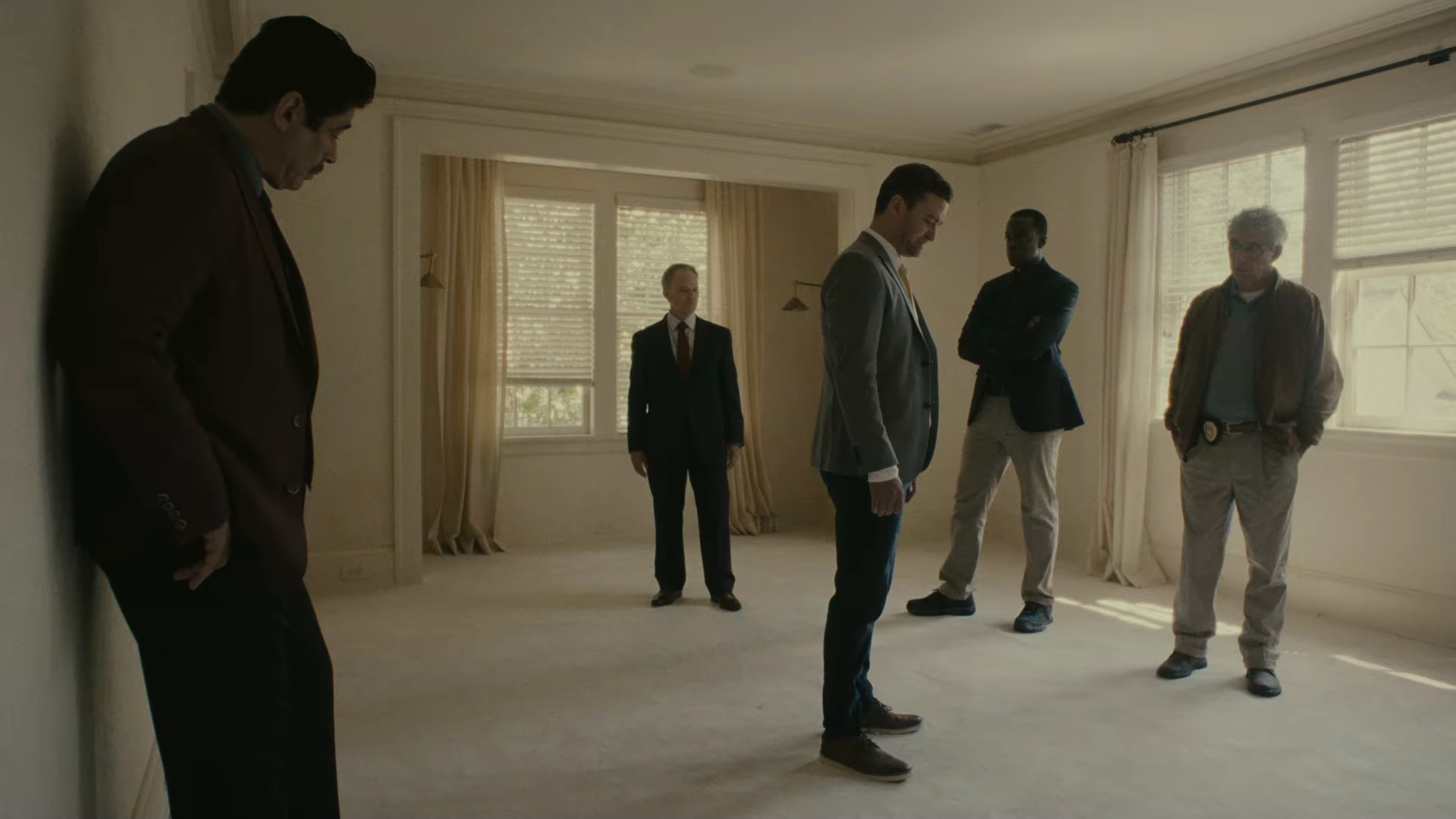
Reptile (2023)
As Grant Singer methodically unravels the brutal murder of a real estate agent into a conspiracy that sprawls across the Maine property market, suspects and detectives alike chillingly shed their skins to reveal their true natures, giving metaphoric significance to the cold-blooded title Reptile.
-
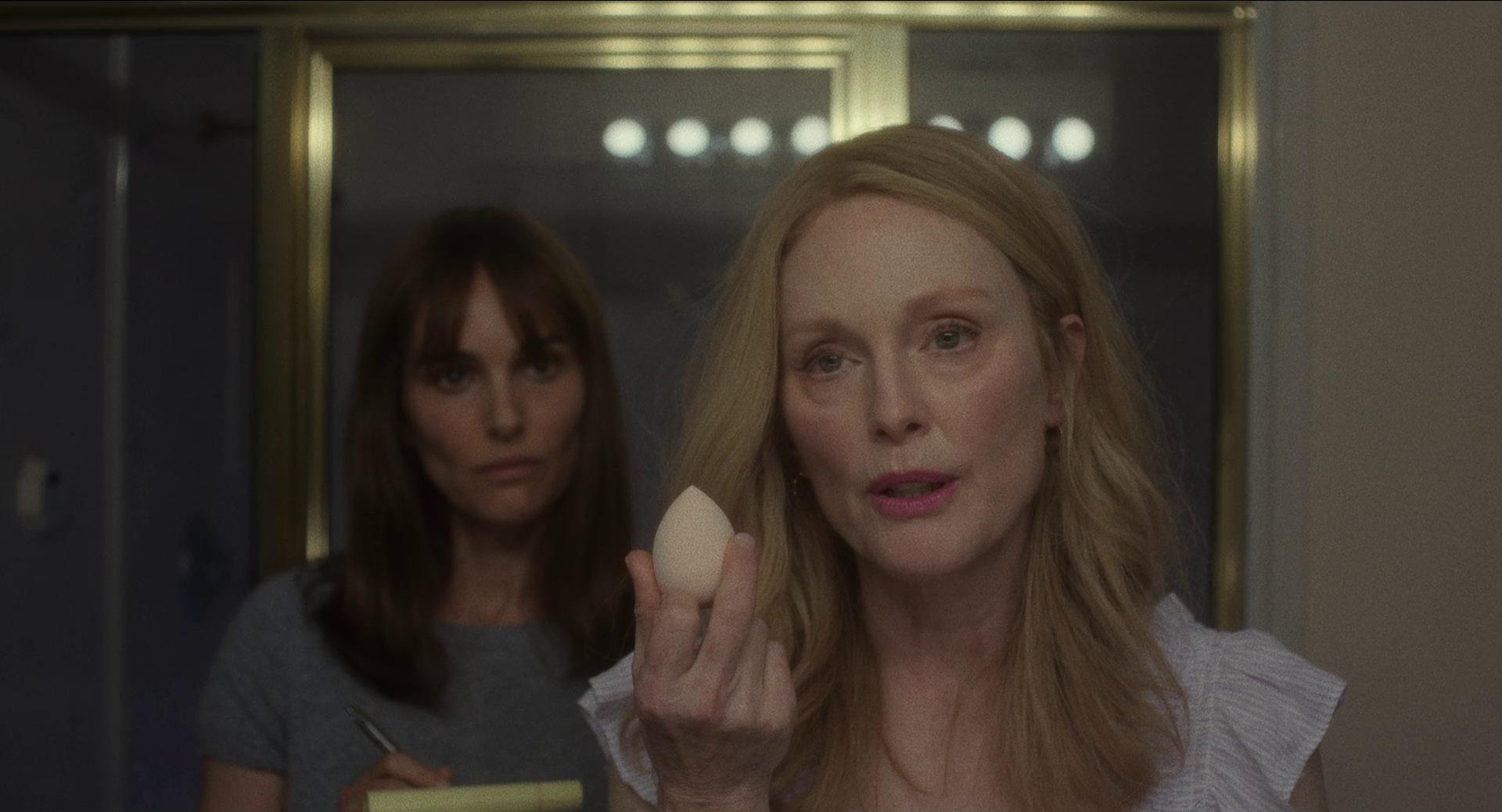
May December (2023)
Within May December’s dual character study, Todd Haynes draws disturbing psychological parallels between one method actress and the paedophile she is researching, carefully observing both predators win the unearned sympathy of audiences and neighbours alike through performances of astoundingly shallow substance.
-
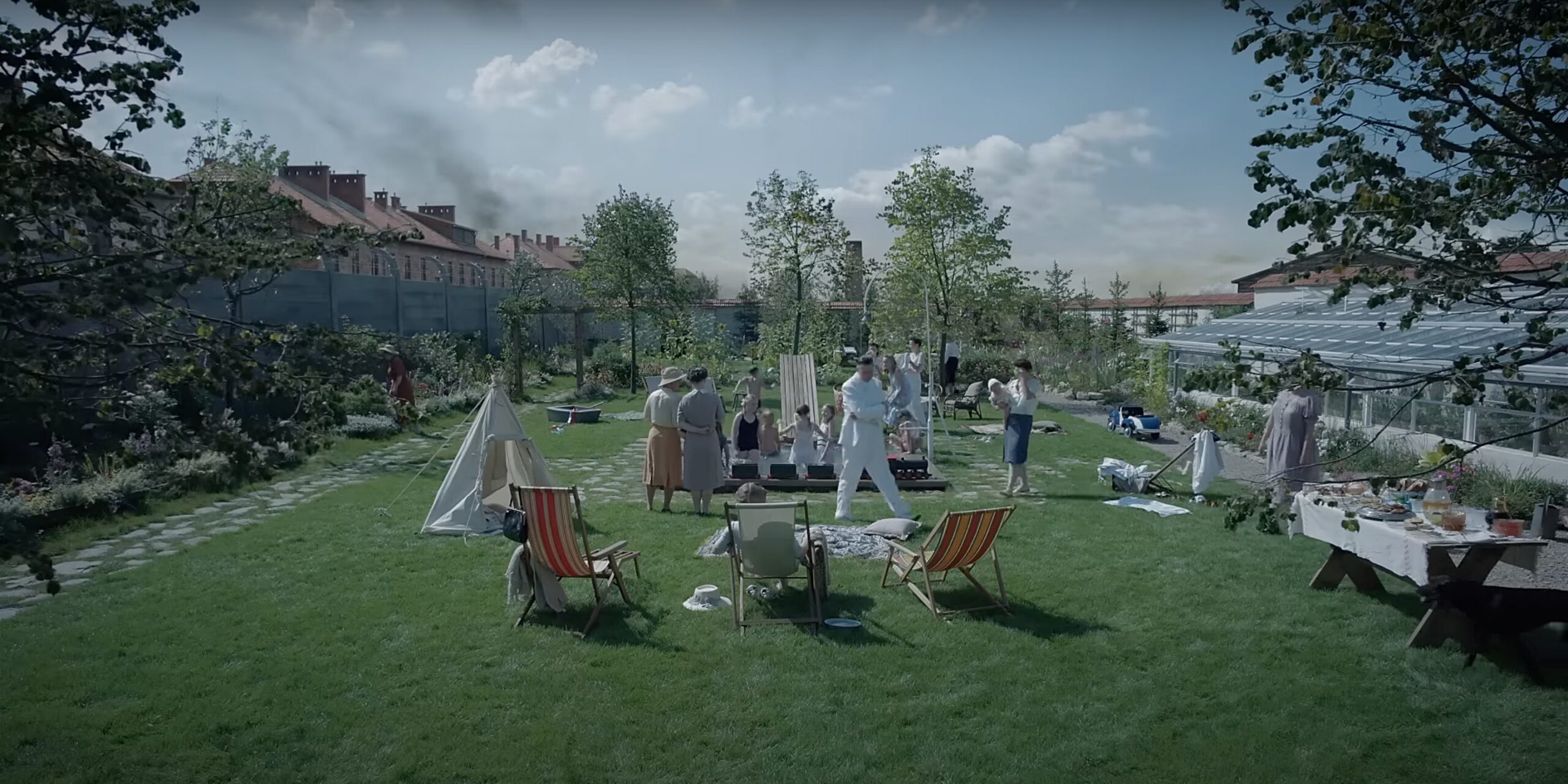
The Zone of Interest (2023)
It takes a special sort of inhuman cruelty to live in such close proximity to largescale genocide, profit off its spoils, and continue each day with no remorse, so the vast wall that divides Auschwitz from the camp commandant’s country house makes for a chilling visual metaphor of this in The Zone of Interest, as…
-
2024 Oscar Predictions and Snubs
Christopher Nolan looks set for a sweep at this year’s Oscars, but still we are left wondering – where is Wes Anderson?
-

Fair Play (2023)
The struggle up the corporate ladder has a long list of casualties in Fair Play, so when a promotion comes between secret lovers Luke and Emily, personal relationships and fragile egos are the first to be sacrificed to the vicious battles of sexes in the white-collar workplace.
-
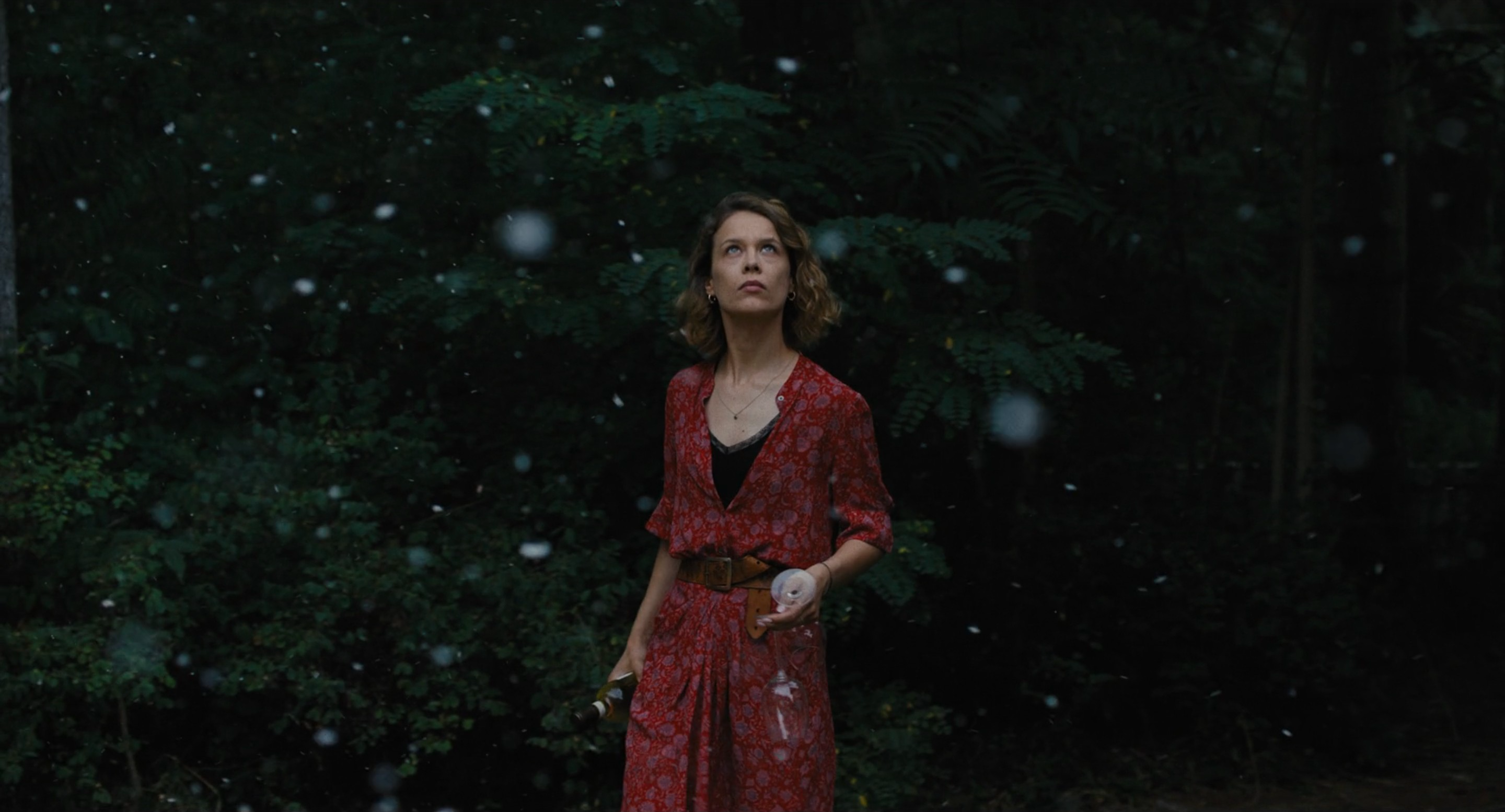
Afire (2023)
The young vacationers of Afire are happy assuming for the time being that they will be safe from the distant forest wildfires, and yet it is only a matter of time before this inferno wreaks havoc on their delicate lives, developing a haunting metaphor of blazing summer romance that Christian Petzold wields with ethereal elegance.