
-
The Best Films of the 1940s
The greatest films of the 1940s, from Italian neorealism to the birth of film noirs.
-
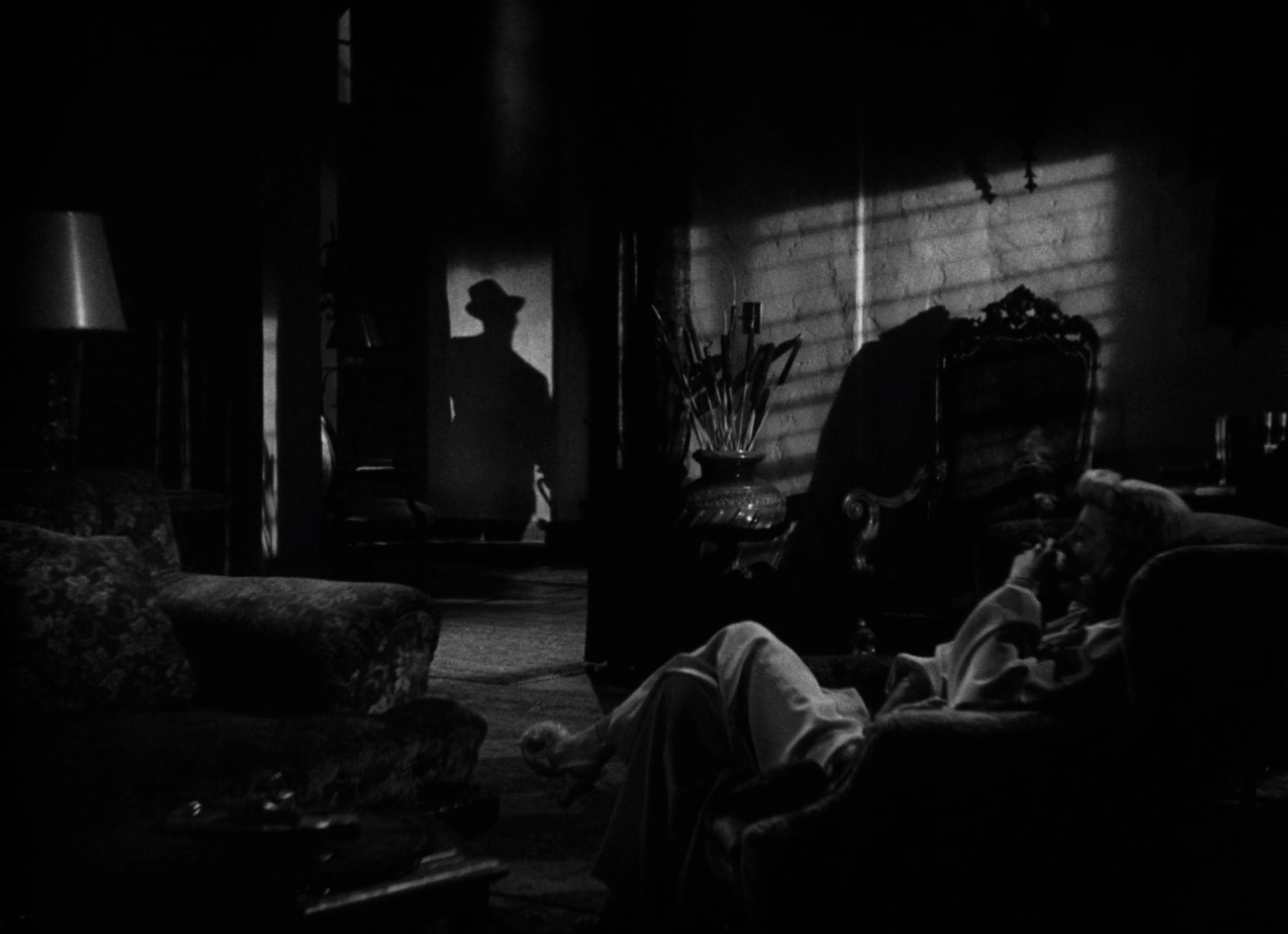
Double Indemnity (1944)
There are few film noirs one could point to that typifies the genre more than Double Indemnity, where Billy Wilder’s gloriously expressionistic set pieces and passionately cynical writing evolves one man’s macabre curiosity into a hideous corruption of his soul, absorbing him in a murder plot almost as tightly wound as the gripping narrative that…
-

A Matter of Life and Death (1946)
Michael Powell’s fatalistic contemplations are lifted to metaphysical levels in A Matter of Life and Death where one man who cheats death must argue his case to keep living, his soul hanging in a precarious balance between two worlds – one dominated by surreal black-and-white set pieces, the other a Technicolor assertion of life’s spectacular…
-
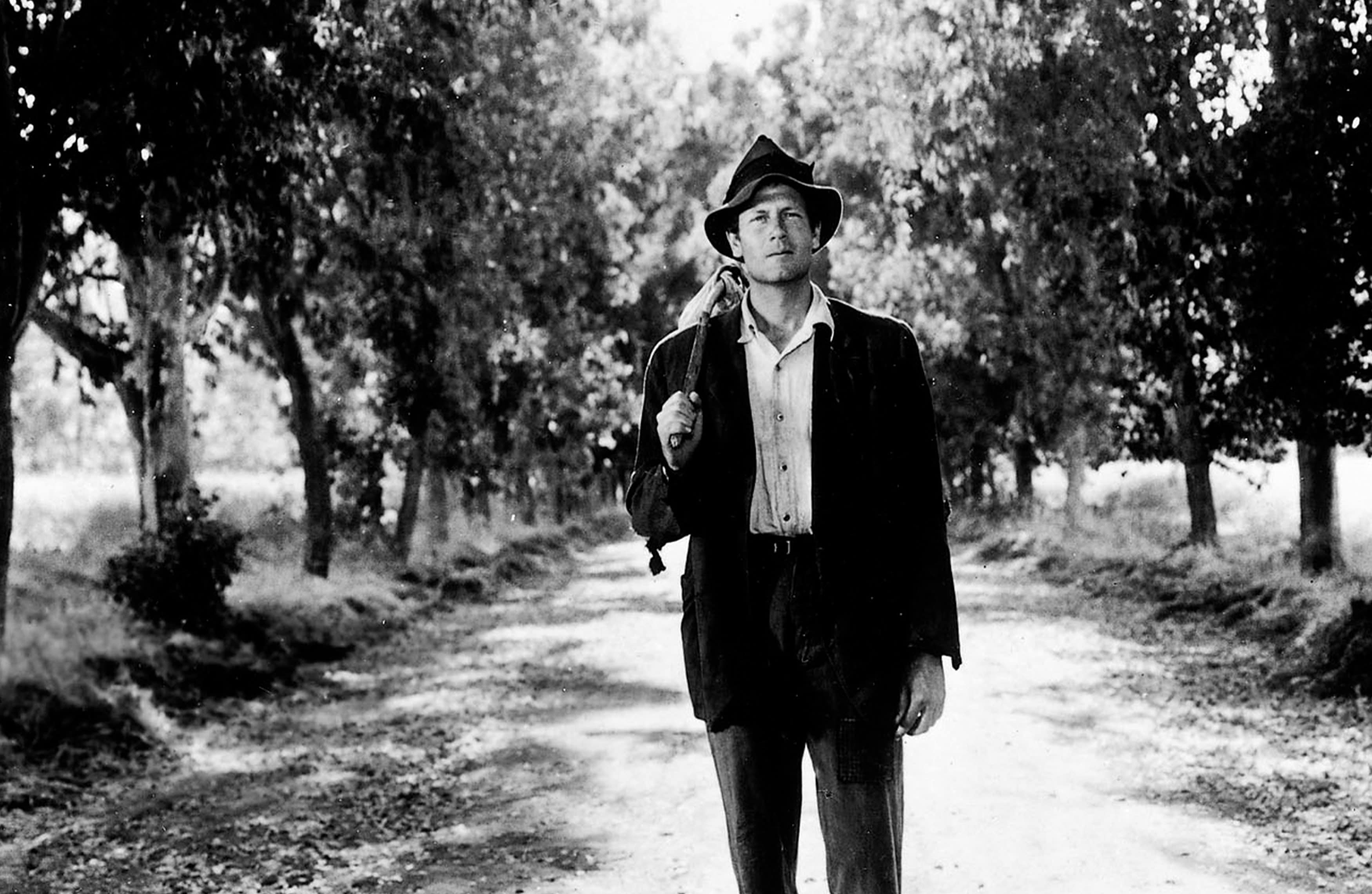
Sullivan’s Travels (1941)
Preston Sturges’ confrontation of early Hollywood “message” movies in Sullivan’s Travels is a complex balancing act of conflicting tones, playing in the realms of slapstick, irony, and meta-humour to craft a screwball comedy unlike any that has come before.
-
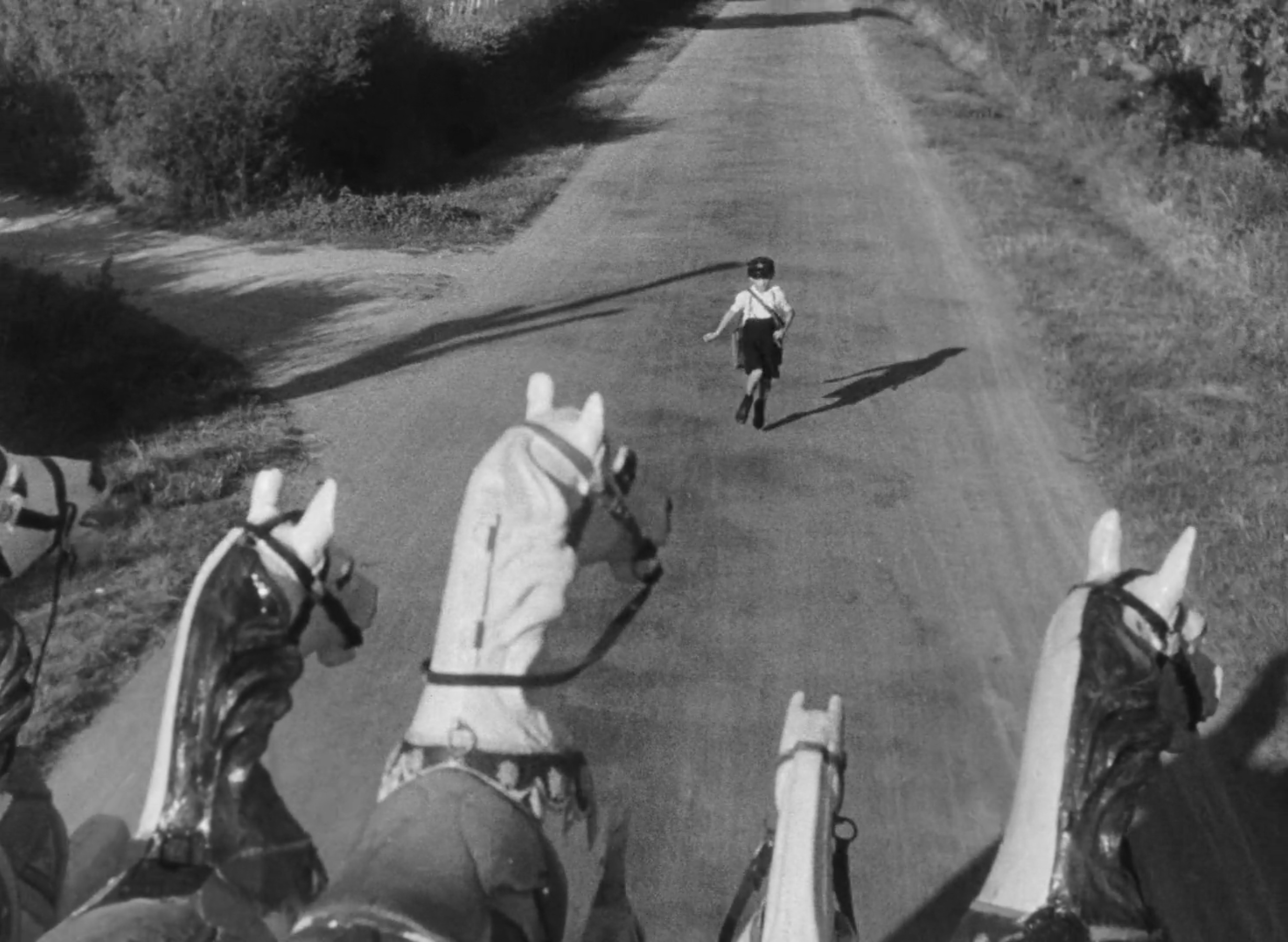
Jour de Fête (1949)
Though Jour de Fête feels slightly limited without Jacques Tati’s bizarre displays of architecture to bounce his physical comedy off, he is still as resourceful as ever in both his acting and direction, whimsically sending up modern ideals of efficiency and progress when they begin to invade a tiny French village amid Bastille Day celebrations.
-
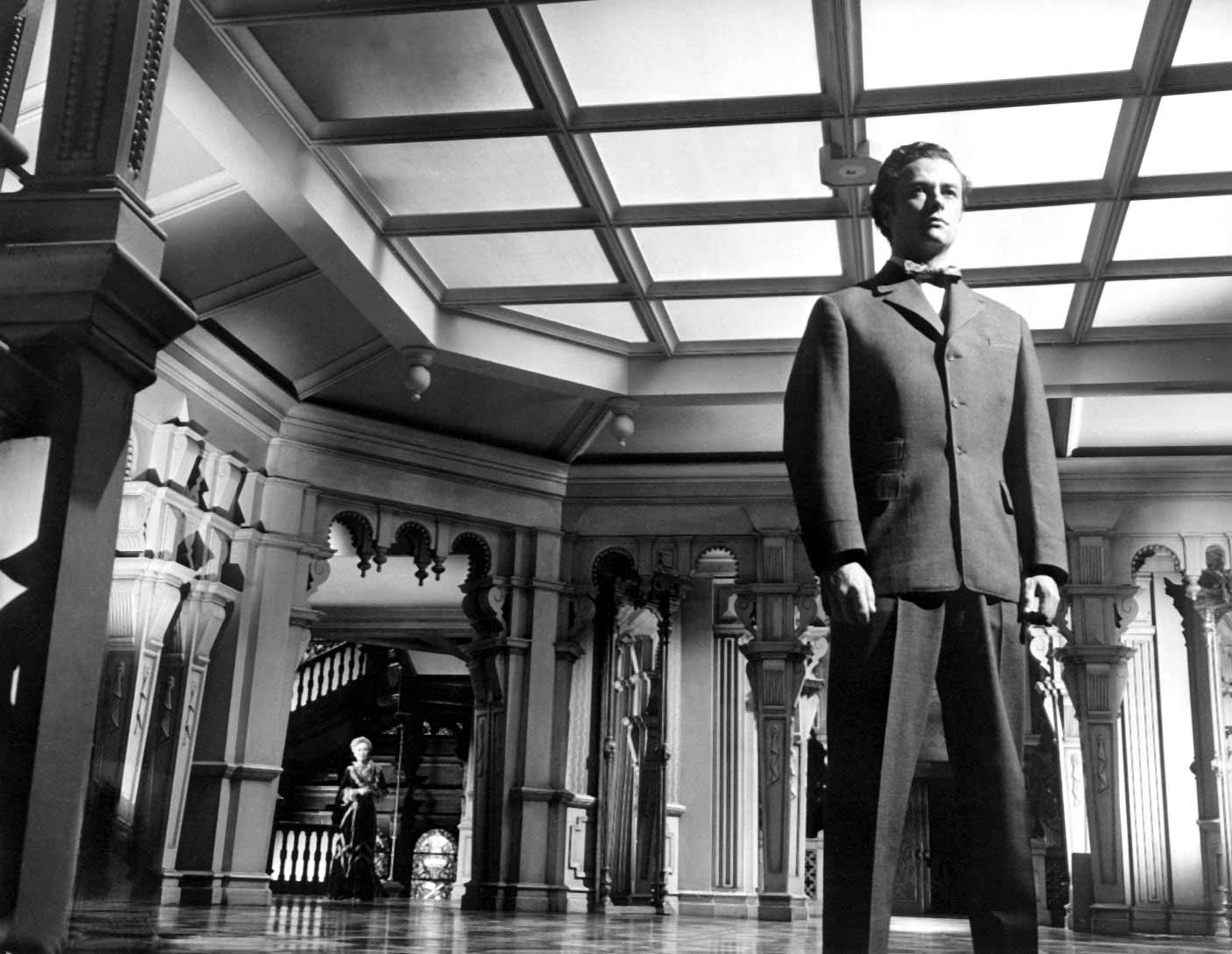
The Magnificent Ambersons (1942)
The Magnificent Ambersons floats along like a whispered echo of a bygone era, recounting the downfall of an entire family brought about by one man’s resistance to progress and standing as a powerful elegy from Orson Welles to those forgotten dynasties of American history, despite his artistic compromises.
-
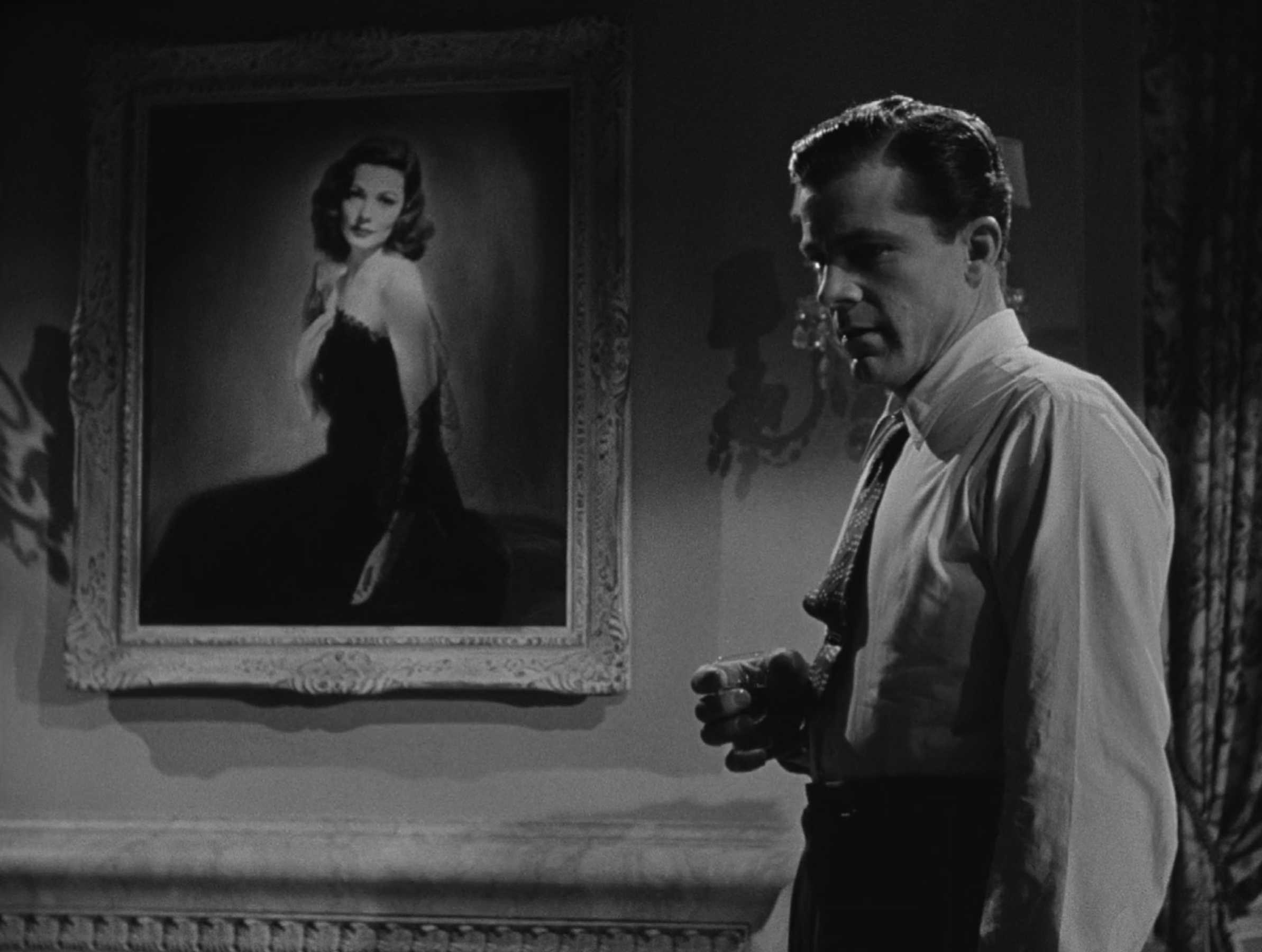
Laura (1944)
“Authentic magnetism” are the words used to describe the late Laura Hunt, the target of a tragic murder, and even in death they remain truer than ever, as Otto Preminger’s methodical camerawork and staging continues to raise her up as the beguiling source of our utter fascination.