1986

Jean de Florette & Manon of the Spring (1986)

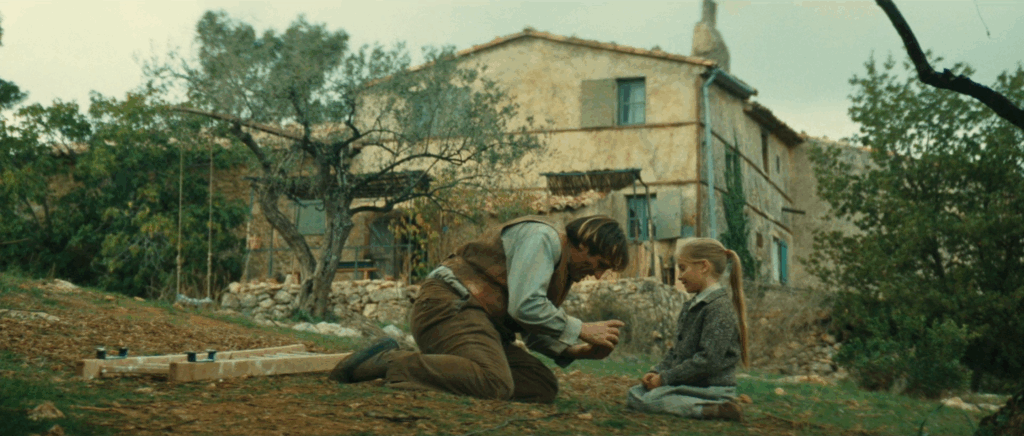
Claude Berri does not set his Shakespearean tragedy of greed, scorn, and betrayal within historical halls of power, but underscores its meekness through the sun-dappled farms of 1910s France, witnessing the fateful, divine devastation wreaked upon two feuding families in Jean de Florette and Manon of the Spring due to a pair of blocked springs.

The Sacrifice (1986)

As if filtered through the prism of one man’s existential trepidation, Andrei Tarkovsky casts a delicate ethereality across the elemental textures and theological iconography of The Sacrifice, lulling us into the soothing despair of a looming nuclear holocaust that may or may not be averted through enormous spiritual offering.

Something Wild (1986)

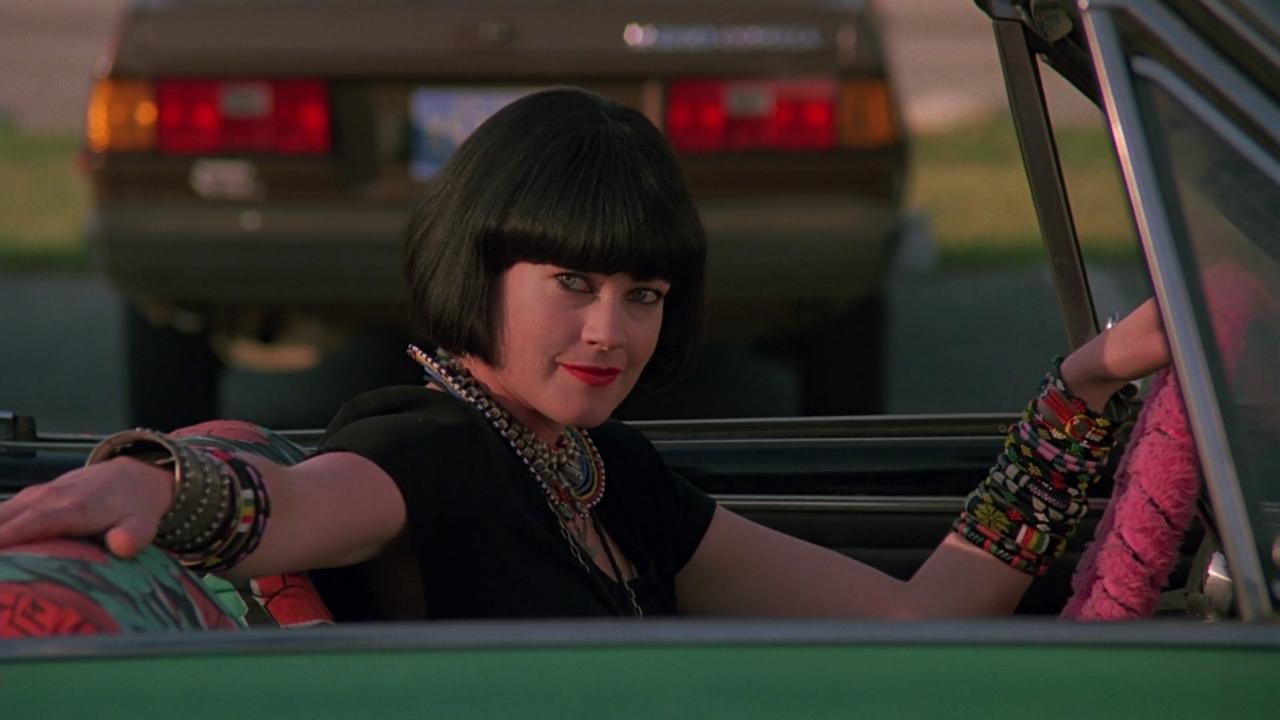
A sudden immersion into the screwball comedy genre might be the perfect challenge to the stagnant lifestyle of middle-class yuppie Charlie, as through his impromptu road trip with the freewheeling Lulu, Jonathan Demme sends Something Wild spinning off in hilarious and terrifying directions, drawing us into the orbit of characters trying to reconcile their own contradictory, innate desires.

Blue Velvet (1986)

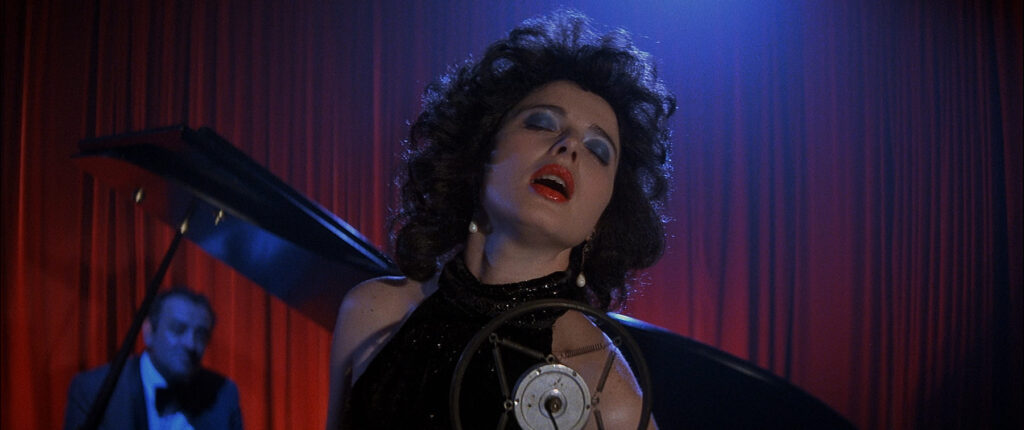
Blue Velvet could be read as a twisted coming-of-age film in its discovery of worlds and minds that are not what they seem, though the depths that David Lynch plunges into humanity’s psychosexual awakening, disconcerting iconography, and bold colour palettes places it in a surreal class of its own, digging through the veneer of suburban America to expose the grotesque bugs that crawl beneath.

Top Gun (1986)

With the magnetic charisma of Tom Cruise and Tony Scott’s exhilarating aerial jet sequences, Top Gun stands as an admirable piece of action cinema, lifting the genre up to new heights and coasting along on its electrifying pacing.

Hannah and Her Sisters (1986)

Just as Hannah’s self-absorbed relatives take her bountiful generosity for granted, so too does Woody Allen relegate her own personal issues to the background of Hannah and Her Sisters, choosing instead to paint a thoughtful, funny portrait of dysfunctional family dynamics out of the narrowed perspectives of those who surround her.

The Fly (1986)

The terminal illness metaphor is not wasted in the subtext of this intelligent screenplay, nor does David Cronenberg ever falter in intelligently picking apart the mad scientist’s disturbed psyche, yet in binding The Fly’s narrative so closely to the gripping, visceral decay of Seth Brundle’s body, it becomes a film that sticks in the mind for the sort of brazen, kitschy ugliness one can’t tear their eyes away from.

Scroll to Top